Last updated November 2, 2026
 Sweep & inspection
 Caps & crowns
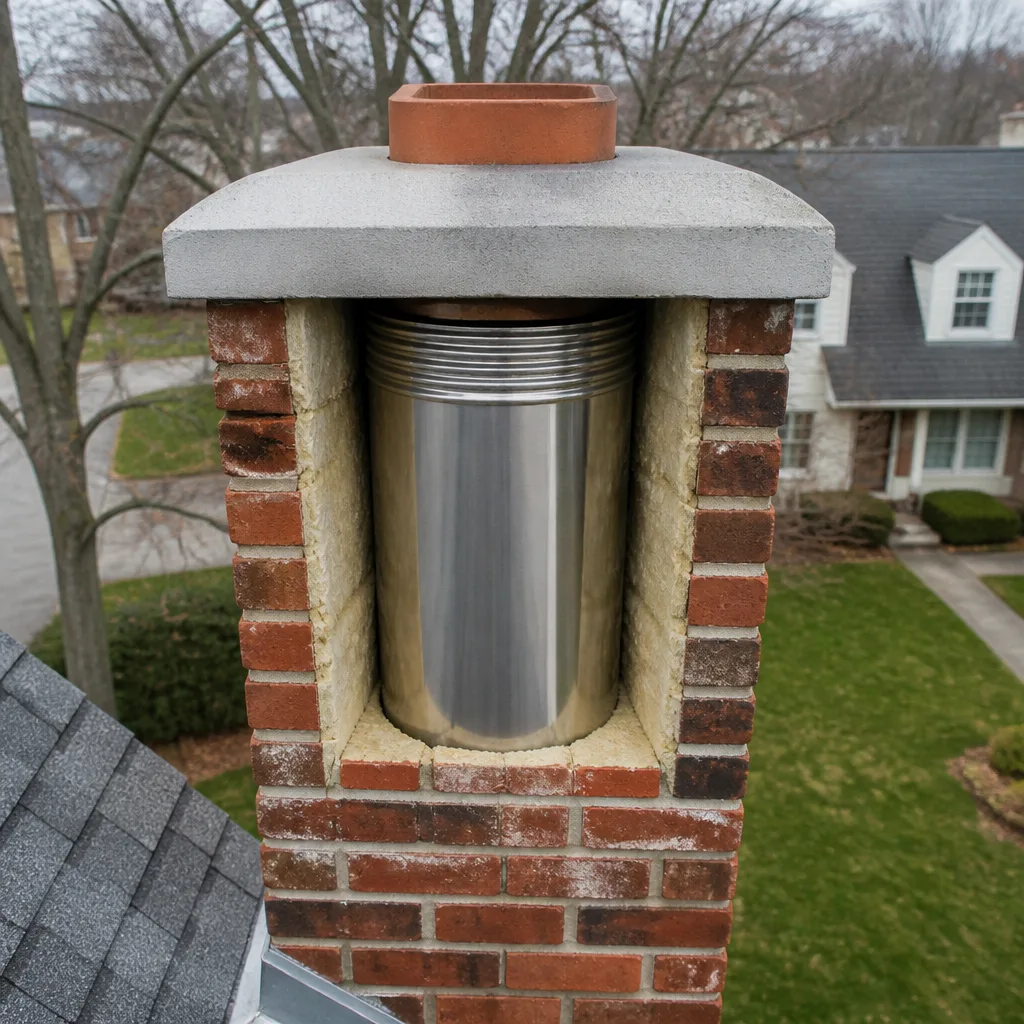 Flue relining
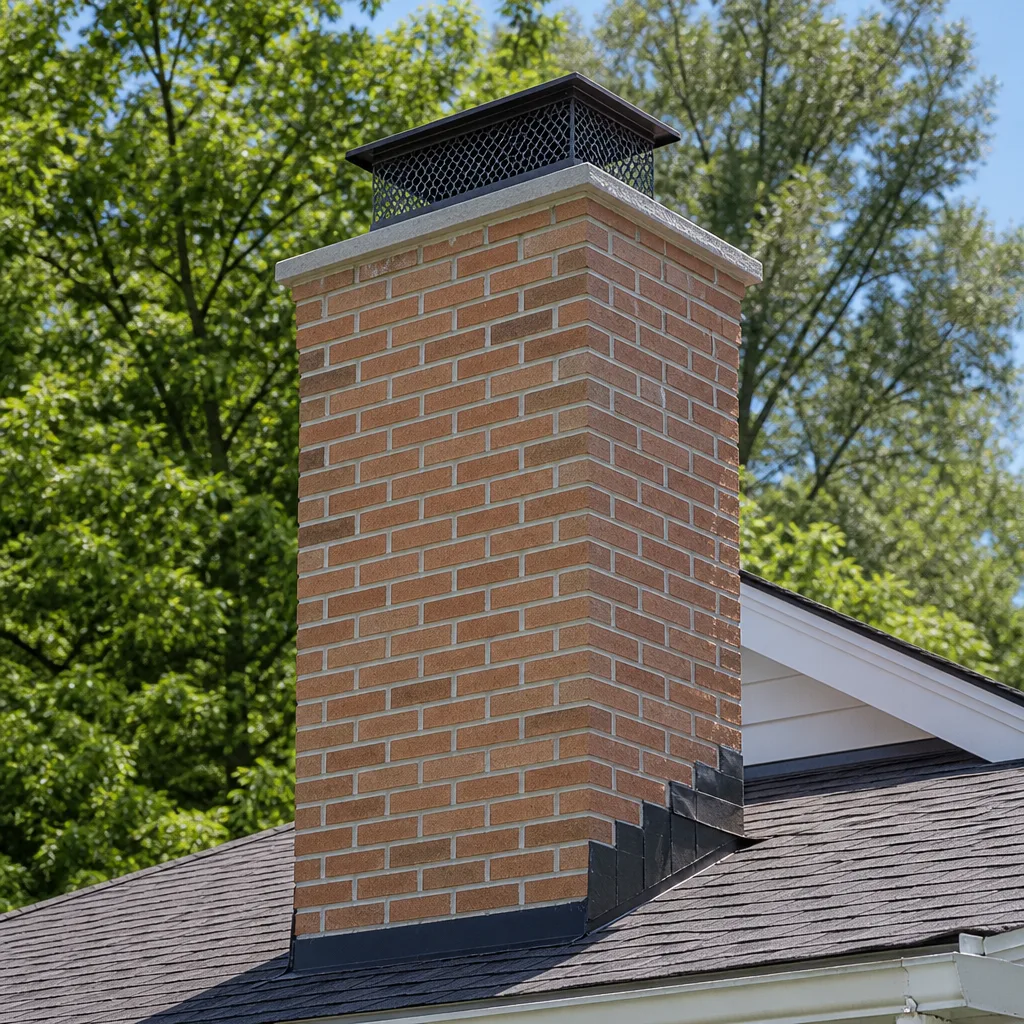 Masonry repair
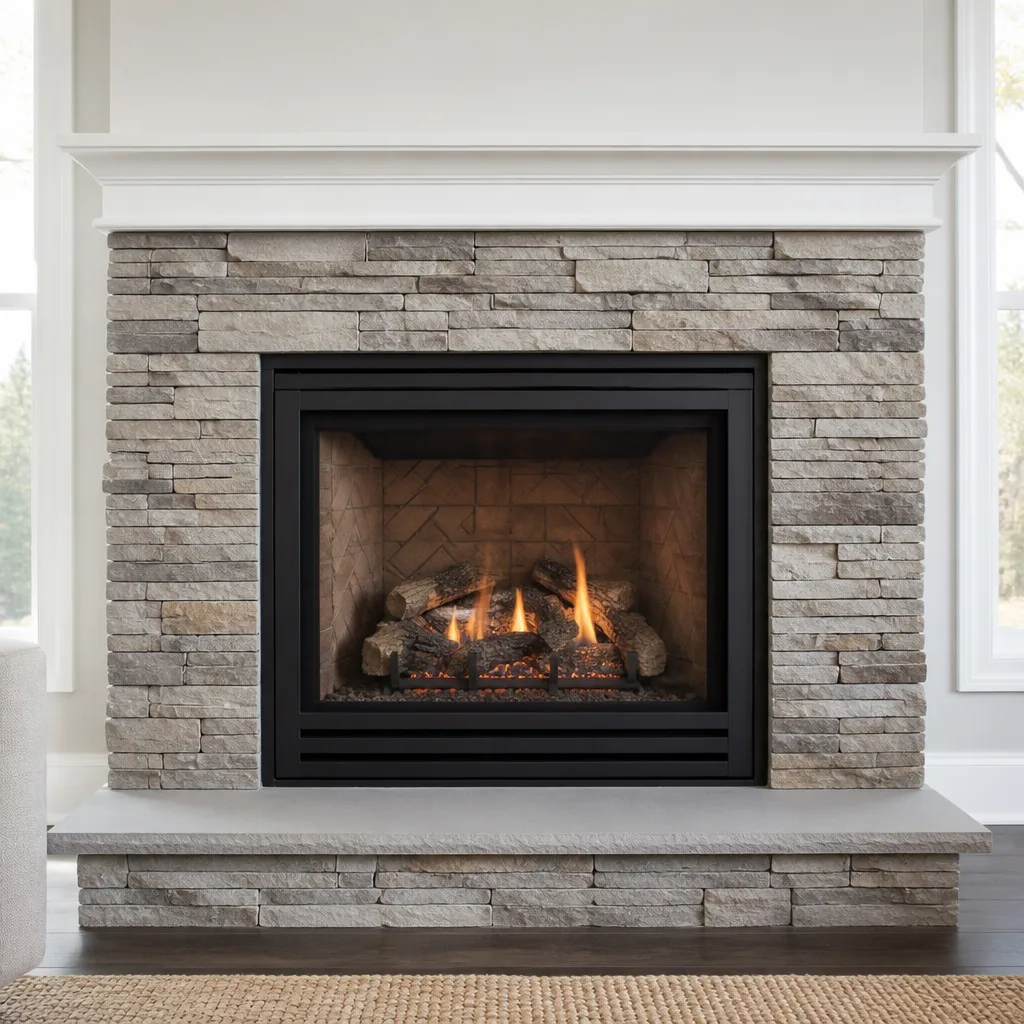 Gas fireplace service
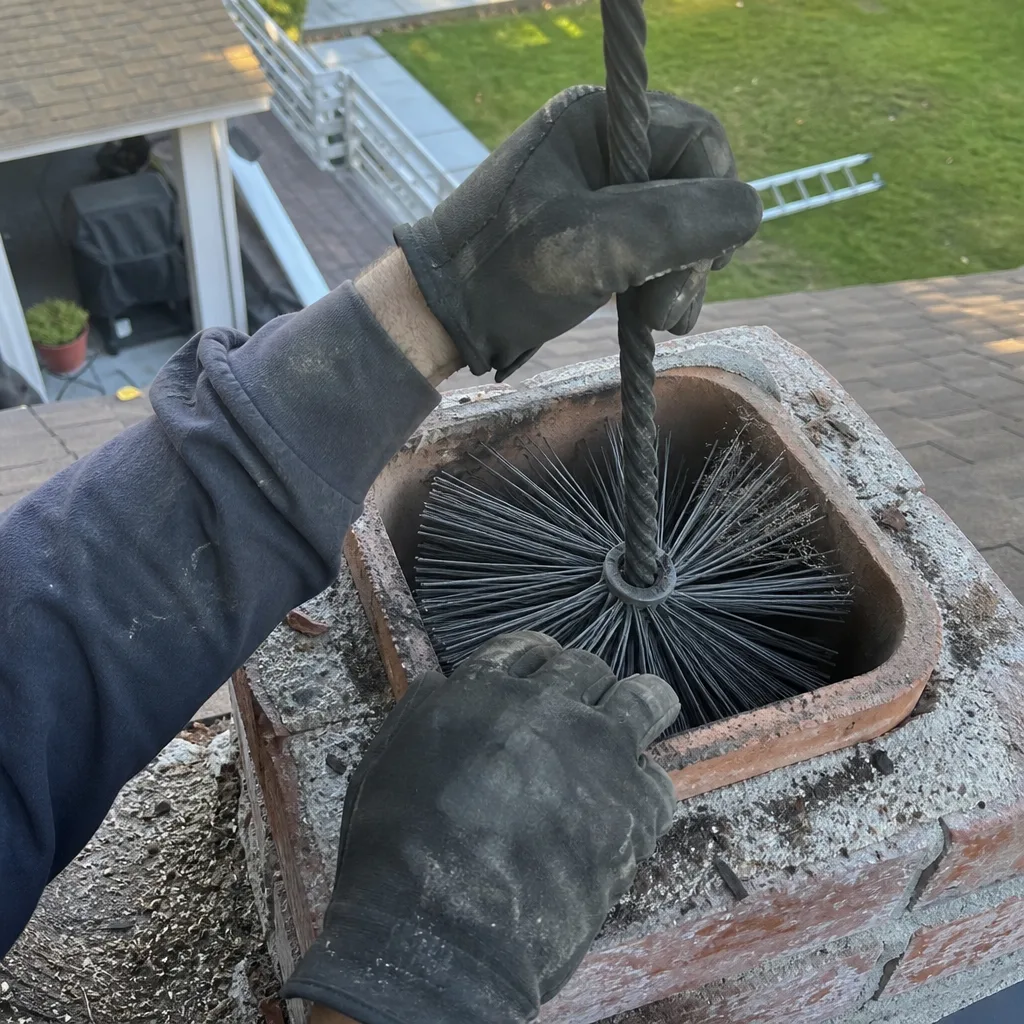
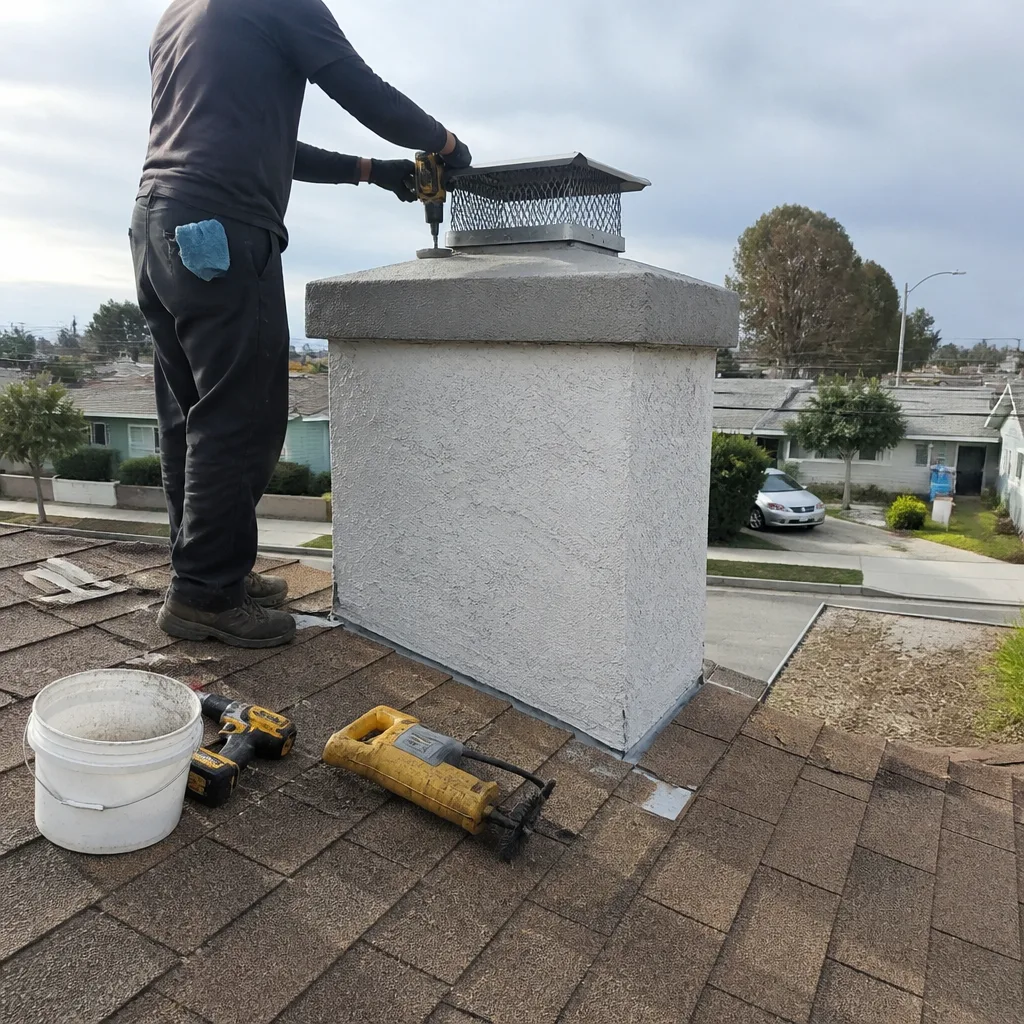
Level 1 sweep and inspection to the NFPA 211 annual standard - flue, crown, cap, and flashing checked and photographed
Chimney sweep logs do not sweep chimneys. They loosen some creosote - which then falls where a brush and vacuum still have to collect it.
How to Hire a Chimney Cleaning Contractor in Lynwood: A Step-by-Step Guide
California does not require a state license to sweep chimneys. That single sentence explains more about the chimney industry than any brochure ever will. The state licenses contractors who build, remodel, and repair homes, but the person who climbs onto your roof to inspect and clean the flue that vents fire out of your living room? No license required. Which means in Lynwood, the only thing separating a CSIA-certified technician from an uninsured handyman with a truck ladder is the set of questions you ask before you book. This guide gives you those questions, the credentials behind them, and a step-by-step process for hiring a chimney cleaning contractor in Lynwood who actually knows what they’re doing up there, with more guides & resources available on our blog.
Styles & brands we work with
- Sweep & inspection
- Caps & crowns
- Flue relining
- Masonry repair
- Gas fireplace service
Quick Answer
To hire a chimney cleaning contractor in Lynwood, screen for CSIA or NFI certification, ask whether the company performs repairs or just sweeps, require a written estimate that itemizes the scope of work, and confirm general liability insurance before anyone steps on your roof. A legitimate chimney cleaning in Lynwood costs between $180 and $350 for a standard sweep and Level 1 inspection, and the contractor should document the flue’s condition with photos or a written report. The fastest shortcut is to hire a company that both sweeps and repairs chimneys, because they have no incentive to upsell you on problems they can’t fix themselves.
Table of Contents
- Why Certification Matters More in California Than Anywhere Else
- The Three-Question Phone Screen That Filters Out Unqualified Operators
- What a Legitimate Written Estimate Includes (and What a Vague Quote Omits)
- How to Read a Chimney Inspection Report Without Getting Played
- Red Flags in Online Reviews Specific to Chimney Contractors
- Lynwood-Specific Considerations: Climate, Housing Stock, and Local Market
- Questions to Ask Before the Technician Steps Onto Your Roof
- Common Mistakes to Avoid
- When to Call a Professional
- Frequently Asked Questions
- The Bottom Line
Why Certification Matters More in California Than Anywhere Else
In most trades, the state does the vetting for you. Electricians, plumbers, and general contractors in California carry license numbers issued by the Contractors State License Board, and you can look up their standing online. Chimney sweeps fall through that regulatory gap. There is no California chimney sweep license. There is no state exam. There is no state oversight board. Anyone can legally call themselves a chimney sweep in Lynwood tomorrow, print business cards, and start charging homeowners for roof work they’ve never been trained to do.
That changes what certification means. In licensed trades, certification is an add-on. In the chimney industry, certification is the only real filter you have. Two organizations dominate the field: the Chimney Safety Institute of America (CSIA) and the National Fireplace Institute (NFI). Both require passing a comprehensive exam that covers fire codes, venting science, flue dynamics, and inspection protocols. CSIA certification is specific to chimney sweeps and requires continuing education to maintain. NFI certification covers broader hearth systems, including fireplaces, stoves, and venting.
What does certification actually verify? Three things. First, that the technician understands combustion science well enough to identify dangerous venting conditions. Second, that they know how to inspect a flue to code standards rather than just brush soot off the walls. Third, that they’ve studied the National Fire Protection Association (NFPA) 211 standard, which governs chimney inspection and maintenance. A certified technician in Lynwood carries proof of that training. An uncertified one carries a brush and a Shop-Vac.
Here’s what certification does not verify: whether the technician is honest, punctual, or careful. That’s what references, reviews, and the rest of this guide are for. But certification is the floor. It’s the minimum bar that separates someone who has demonstrated technical knowledge from someone who has not.
Our team at Chimney Sweep Lynwood home works with certified technicians because the alternative puts homeowners at unnecessary risk. When we recommend a repair or liner question, we want the recommendation to come from someone who understands what a flue does and why it fails, not someone guessing from a rooftop glance.
The Three-Question Phone Screen That Filters Out Unqualified Operators
Before you schedule anyone, make three phone calls. Ask the same three questions. The answers will tell you more than any online review ever will.
- “Are your technicians CSIA or NFI certified?” A qualified company answers yes immediately and can tell you which certification the person coming to your home holds. A vague answer (“we’re fully trained,” “we’ve been doing this for years,” “our guys know what they’re doing”) is a no dressed up in confidence. Years of experience without certification means years of habits, not necessarily knowledge.
- “Do you repair chimneys, or just clean them?” This is the question that separates sweep-only operations from full-service specialists. A sweep-only company cleans your chimney and hands you a list of problems to take to someone else. They have an incentive to flag issues because they can’t solve them. A company that repairs as well as sweeps can tell you what’s actually wrong, what needs fixing now, and what can wait. At Chimney Sweep in Lynwood, we sweep, inspect, and repair, so you’re not left with a report and no next step.
- “Will I see the flue’s condition myself?” The correct answer is yes, through photos or video. Modern chimney inspection uses camera equipment that shows you the inside of your flue in detail. If a company says they’ll “let you know what they find” without showing you, that’s a red flag. A homeowner who can see a cracked flue tile or a deteriorating mortar joint can trust the diagnosis. A homeowner who receives only a verbal report has to take the contractor’s word for it. We’ve seen too many Lynwood homeowners sold full relining jobs on the strength of a verbal claim that a camera inspection would have disproven.
These three questions take five minutes on the phone. They eliminate the majority of unqualified operators in Lynwood before anyone sets foot on your property.
What a Legitimate Written Estimate Includes (and What a Vague Quote Omits)
After the phone screen, a contractor should provide a written estimate. The difference between a legitimate estimate and a vague quote is the difference between a contract and a guess. Here’s what to look for:
A legitimate written estimate includes:
- The specific service being performed, stated precisely: “chimney sweep and Level 1 inspection” not “chimney cleaning.”
- A line-item breakdown of costs: sweep labor, inspection, any disposal fees, any applicable permits.
- The scope of the inspection: what the technician will look at and what level of inspection (Level 1, 2, or 3) is being performed.
- The condition of the chimney at the time of the estimate, documented in writing.
- The company’s name, the technician’s name, and the date of the estimate.
- The total price, inclusive of all fees, with no asterisk or “subject to change” language.
A vague quote omits:
- Any line-item breakdown. A single number with no explanation means you can’t compare it to anything else.
- The inspection level. A “sweep” without a stated Level 1 or Level 2 inspection means you’re paying for a brushing, not an assessment.
- Written documentation of the chimney’s current condition. If the condition isn’t documented before work begins, you have no baseline for what the work was supposed to accomplish.
- The names of the products or materials being recommended. If a liner is suggested and the estimate says “new liner” without a brand or material type, that’s not a specification, it’s a suggestion.
Pricing for a standard chimney sweep in Lynwood typically runs $180 to $350, including a Level 1 inspection, as detailed in our Chimney Cleaning Cost Breakdown: The Lynwood Homeowner’s Reference for 2026. The variance depends on the flue’s accessibility, the amount of creosote buildup, and whether there are multiple flues. If the price comes in dramatically under that range, ask what’s being left out. If it comes in dramatically over, ask what’s being included that other quotes don’t list.
We name the brands we use because we stand behind what goes into your home. When we recommend a liner restoration or a cap replacement, the estimate specifies the product line, whether that’s HeatShield for resurfacing or Olympia Chimney for caps and terminations. You should never sign an estimate that doesn’t tell you what material is going into your house.
How to Read a Chimney Inspection Report Without Getting Played
A chimney inspection report lands in your hands after a sweep. Reading it correctly is the difference between addressing a real problem and paying for a sales pitch dressed up as an urgent finding. Here’s how to tell the difference:
A thorough report includes:
- Photos or video stills of the flue interior, the crown, the cap, and the firebox.
- Specific measurements: flue dimensions, creosote thickness in millimeters or inches, gap sizes between flue tiles.
- A severity rating for each issue: immediate hazard, repair within one year, monitor only.
- Clear language distinguishing between what’s deteriorating and what’s already failed.
- References to NFPA 211 standards where applicable.
A sales upsell document:
- Uses alarming language without evidence: “dangerous,” “unsafe,” “can’t be repaired.”
- Recommends replacement over repair without explaining why repair was ruled out.
- Includes no photos or says “photos available on request” but never follows through.
- Jumps straight to a full relining recommendation without considering HeatShield or other partial restoration options.
- Pressures you with “this needs to be done before winter” language without a technical basis for the timeline.
The most common upsell in the chimney industry is the full relining. A stainless steel liner replacement can run thousands of dollars. Sometimes it’s necessary: if the flue is deeply cracked, if the mortar joints have failed catastrophically, if the home has been through a chimney fire. But often a repair-first approach works. HeatShield restoration, for example, can resurface a damaged flue from the inside at a fraction of the cost of a full reline. A contractor who doesn’t mention restoration options, or who dismisses them without explanation, may be optimizing for their invoice rather than your chimney.
In our experience, the most honest inspection reports are the ones a homeowner can read and understand without a translator. You should know exactly what’s wrong, why it matters, and what your options are when you finish reading. If the report confuses you, that’s not your failure. It’s the report’s.
Red Flags in Online Reviews Specific to Chimney Contractors
Online reviews are useful but unreliable. Most homeowners don’t know enough about chimneys to evaluate whether the work they received was technically correct. A five-star review often means “the guy was polite and arrived on time,” not “the flue was properly cleaned and the inspection was thorough.” With that in mind, here are the language patterns in reviews that signal problems:
Red flag one: price changed on arrival. Look for phrases like “originally quoted,” “ended up costing,” “found additional issues.” A sweep that triples in price after the technician arrives is a bait-and-switch pattern. Legitimate chimney work can reveal legitimate problems, but the cost of fixing those problems should be presented as a new estimate, not folded into the bill without discussion.
Red flag two: no photos mentioned. Reviews that describe a sweep and inspection without any mention of seeing photos or video of the flue interior suggest the company may be working blind. A camera inspection is standard for modern chimney work. If past customers never saw one, that’s a gap.
Red flag three: repair recommendations rejected by a second opinion. Search reviews for language like “they said I needed a new liner, but a second company said it was fine.” This pattern, even appearing once, is worth investigating. It signals a systemic upsell culture.
Red flag four: no mention of certification. Reviews rarely mention certification explicitly, but if a company’s entire review history says “nice guy, did a good job” with no technical detail anywhere, the work may have been performed by an uncertified operator. Technical competence shows up in reviews as specific language: “showed me the creosote buildup on the camera,” “explained the crown damage with photos.”
Red flag five: invisible company. A contractor with only positive reviews and no critical ones, and no company name matching a verifiable business, may be operating under multiple names to escape bad reviews. Check whether the business name on the review platform matches the name on the estimate and the name on the insurance certificate.
Lynwood-Specific Considerations: Climate, Housing Stock, and Local Market
Lynwood’s chimney market has its own character. The city sits in the Los Angeles basin, which means mild winters, heavy marine-layer influence, and a building stock that dates predominantly from the post-war period through the 1970s. That matters for chimney work in several specific ways.
First: fireplace usage patterns. Lynwood homeowners use fireplaces for ambiance and occasional heating rather than as a primary heat source. That means creosote builds up more slowly than in cold-climate homes where fires burn daily all winter. But slow buildup doesn’t mean no buildup. A chimney that hasn’t been swept in five years in Lynwood can still reach dangerous creosote levels, particularly if the homeowner burns unseasoned wood or uses the fireplace regularly during the December through February stretch, which is why our Seasonal Chimney Cleaning Care for Lynwood: Year-Round Homeowner’s Guide recommends scheduling ahead of peak season.
Second: housing stock age. Many Lynwood homes were built between 1940 and 1975. Chimneys from that era were commonly constructed with clay tile liners set in brick masonry. Clay tiles crack under thermal stress, and after 50-plus years of Los Angeles basin heating and cooling cycles, a meaningful percentage of those tiles are compromised. The earthquake factor matters too: Southern California seismic activity shifts masonry over time, and hairline fractures in chimney crowns and flue tiles are common in homes that have been through even minor tremors.
Third: the repair-versus-replace economics. Replacing a clay tile flue with a full stainless steel relining is expensive work in any market, and Lynwood is no exception. That’s why restoration options matter here. HeatShield resurfacing can extend the life of a clay tile flue by sealing cracked joints and spalled surfaces, often delaying full relining by a decade or more. We recommend HeatShield restoration before we talk full relining because repair beats replacement when repair is the right answer. In a housing market where many Lynwood homeowners are working with older homes and real budgets, that distinction saves real money.
Fourth: the dryer vent factor. Lynwood homes built before 1980 often have longer, less direct dryer vent runs than modern construction. Combined with the region’s dry air and the amount of lint generated by everyday laundry loads, dryer vents in older Lynwood homes clog faster than homeowners expect. Dryer Vent Cleaning in Lynwood addresses one of the leading causes of residential house fires. One call covers your chimney and your dryer vent, two fire hazards, one visit.
Questions to Ask Before the Technician Steps Onto Your Roof
The phone screen and the estimate are done. The technician is at your door. Here are the onsite questions that protect you before anyone climbs a ladder:
- “Can I see your liability insurance certificate?” A legitimate company carries general liability insurance and can produce a certificate naming your address as the job site. If the technician can’t show insurance, you are personally liable for any damage to your roof, chimney, or home during the work. This is not a hypothetical: roof damage during chimney work happens, and uninsured operators disappear.
- “What will the inspection cover?” A Level 1 inspection covers the accessible portions of the chimney’s interior and exterior. A Level 2 inspection adds camera inspection of the entire flue and is required when the home changes hands or when there’s been a chimney fire or seismic event. Knowing which level you’re getting and why prevents paying for less inspection than you need.
- “Will you show me what you find before any repair recommendation?” The technician should walk you through camera footage or photos of the flue interior. You should see with your own eyes what the problem is and where it sits. Accept no repair recommendation without visual evidence.
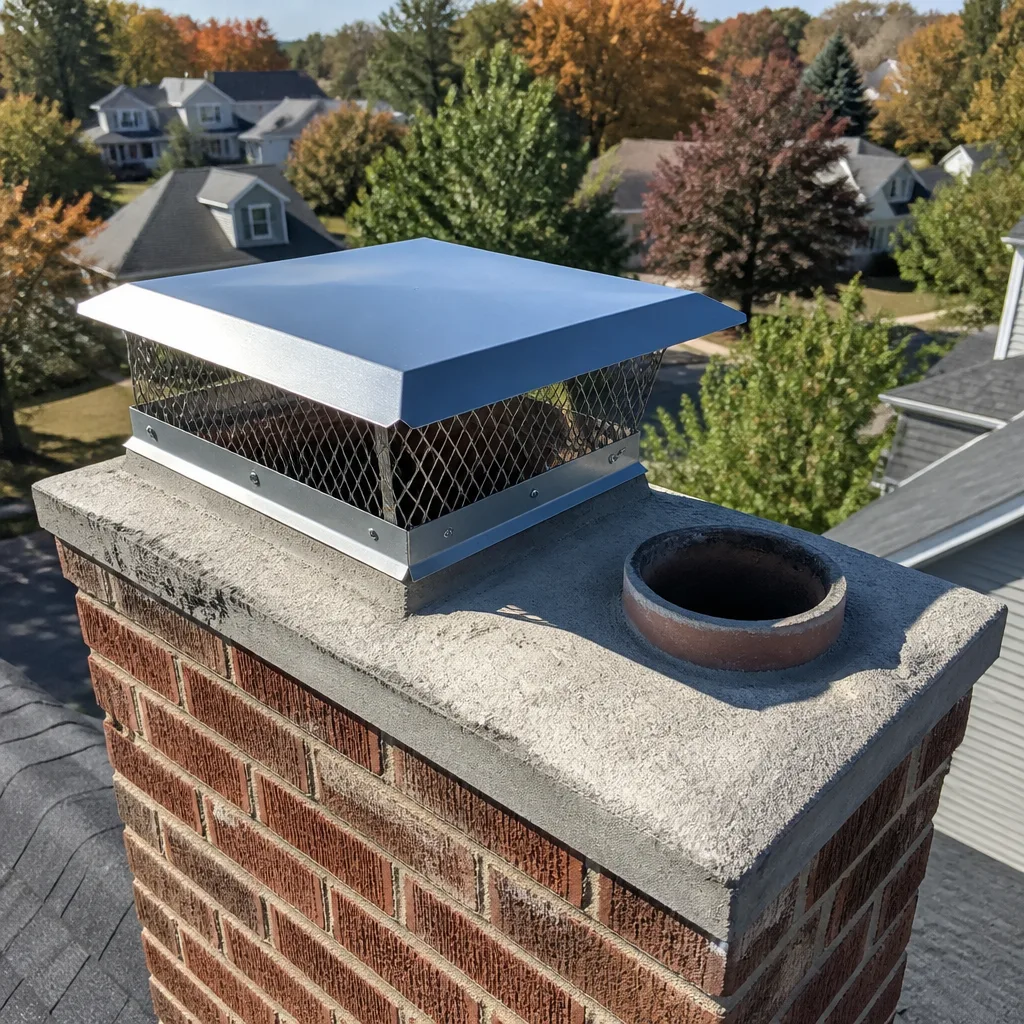
- “What is the condition of the cap and crown?” The cap and crown protect the chimney from water intrusion, and in Lynwood’s climate, water damage is the single most common cause of premature chimney deterioration. A thorough technician will inspect both and document their condition. A technician who doesn’t mention them at all is skipping part of the job.
- “What brands do you install if repairs are needed?” This question signals that you know materials matter. A company that installs professional-grade lines like DuraFlex, HeatShield, or Olympia Chimney products is working with materials designed for chimney applications and tested to relevant standards. A company that says “whatever they have at the supply house” is cutting corners on quality to hit a price point. For context, Chimney Repair in Lynwood work includes everything from crown resealing to full relining, and the material choice matters as much as the workmanship.
These questions take two minutes. They establish that you’re an informed homeowner who expects documented work. Contractors respond to informed customers differently than they respond to uninformed ones.
Common Mistakes to Avoid
- Hiring on price alone. The cheapest chimney sweep in Lynwood is often the most expensive one. Sweep-only operators with no camera equipment, no certification, and no repair capability price low because they offer less. A $129 chimney cleaning becomes a $129 bill and a list of “problems” you have to take to a real specialist, who then charges to inspect what the first company couldn’t properly document.
- Skipping the insurance check. “I thought they were insured” is a phrase no homeowner wants to say to their homeowners insurance company after roof damage. Confirm insurance before the ladder goes up, not after the claim is filed.
- Accepting a verbal report instead of photos. If you can’t see it, don’t believe it. Verbal reports are the primary tool of the upsell artist. Camera-documented evidence is the primary tool of the honest contractor.
- Treating chimney cleaning as optional maintenance. Creosote buildup is a fire hazard, and in Lynwood’s older housing stock, deteriorated flue tiles are more common than most homeowners realize. Skipping a sweep for years at a time multiplies the risk and the eventual repair cost.
- Hiring a general handyman for chimney work. A handyman who fixes gutters, patches drywall, and “also does chimneys” is not a chimney specialist. Chimney work involves fire safety, combustion science, and venting code. The stakes are too high for a generalist.
- Ignoring the dryer vent. Dryer vent fires claim homes every year, and the risk is highest in homes with older venting. If you’re having a chimney cleaned, adding dryer vent cleaning to the same appointment costs less than a second trip and eliminates a second fire hazard.
- Not asking about the inspection level. A Level 1 inspection covers what’s visible. A Level 2 inspection goes inside the flue with a camera. If your home is newly purchased or your chimney has never been camera-inspected, you need Level 2. Not asking means you may get Level 1 and never know the difference.
When to Call a Professional
Some situations can’t wait for a scheduled sweep. Call a professional immediately if you notice any of these: a strong, persistent odor from the fireplace even when it’s not in use, which often signals moisture intrusion or animal nesting; visible cracks in the chimney crown or masonry from the ground; water stains on the ceiling or walls near the chimney; smoke entering the room during normal fireplace operation; or any sign of a previous chimney fire, like a loud popping sound during burning or creosote flakes falling into the firebox. If you’ve purchased a home in Lynwood and the previous owner can’t produce records of the last chimney inspection, schedule a Level 2 inspection before your first fire. The peace of a documented, camera-verified chimney inspection is worth more than the risk of an unknown flue.
Chimney Sweep Lynwood offers free estimates in Lynwood. Call (855) 916-8513 to schedule a sweep, inspection, or repair assessment.
Frequently Asked Questions
A standard chimney sweep with a Level 1 inspection in Lynwood typically costs between $180 and $350, depending on creosote buildup, flue accessibility, and whether the home has multiple fireplaces or flues. A Level 2 camera inspection adds to the cost but is standard for new homeowners and homes with unknown chimney history. Call (855) 916-8513 for an exact quote, our estimates are free.
The National Fire Protection Association recommends a chimney sweep and inspection at least once per year for any fireplace or wood stove in regular use. For Lynwood homeowners who burn fires only occasionally during the cooler months, an annual inspection still matters because creosote buildup accumulates over time regardless of how often the fireplace is lit, and unseen structural deterioration continues year-round.
Not always. A cracked or deteriorating clay tile flue can sometimes be restored with HeatShield resurfacing, which seals cracks and spalled surfaces at a fraction of the cost of full relining. Full relining is necessary when the flue is structurally compromised beyond resurfacing, but a repair-first assessment should always precede a replacement recommendation. Ask to see camera evidence before approving any liner work.
Creosote, a flammable byproduct of wood combustion, accumulates on flue walls with every fire. When enough creosote builds up, a hot fire can ignite it, causing a chimney fire that reaches temperatures high enough to crack flue tiles, breach the chimney structure, and spread into the home’s framing. In older Lynwood homes with clay tile liners, the same thermal stress that cracks tiles also weakens the fire protection the chimney was designed to provide. Skipping cleaning compounds both hazards.
No. A sweep-only company cleans and inspects but cannot perform repairs. A full-service chimney company sweeps, inspects, and repairs, which means any problem found during the inspection can be addressed by the same team rather than referred to a third party. When you hire a company that both sweeps and repairs, you get a single point of accountability from inspection through fix.
Look for certification from the Chimney Safety Institute of America (CSIA) or the National Fireplace Institute (NFI). Both require passing a technical exam covering chimney inspection, venting, and fire code compliance, and CSIA requires continuing education to maintain certification. California requires no chimney sweep license, so certification is the strongest available signal that a technician has demonstrated real technical knowledge rather than simply bought a brush and a van.
The Bottom Line
Hiring a chimney cleaning contractor in Lynwood comes down to filtering for technical competence in an industry where the state provides no licensing filter for you. Ask for CSIA or NFI certification. Ask whether the company repairs chimneys or just sweeps them. Require a written, itemized estimate. Demand camera-verified evidence for any repair recommendation. Check reviews for bait-and-switch pricing patterns and for language that suggests work was done without visual documentation. A qualified, certified, full-service chimney specialist in Lynwood will answer your questions directly, show you the condition of your flue, and recommend repairs only when the evidence supports them. That’s the standard to aim for, and it’s the standard we work to meet on every job we do.
Written by the team at Chimney Sweep Lynwood, serving Lynwood since 2017.
See the difference
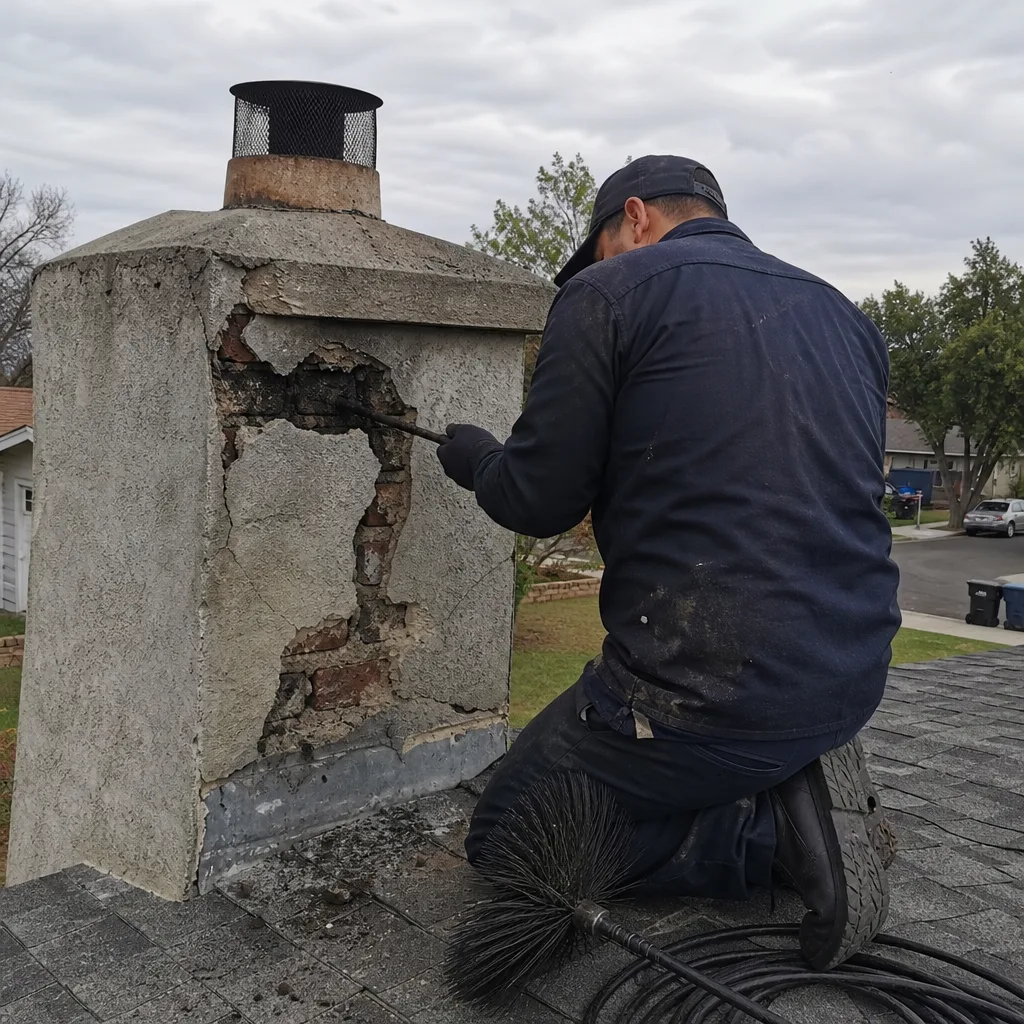 Before
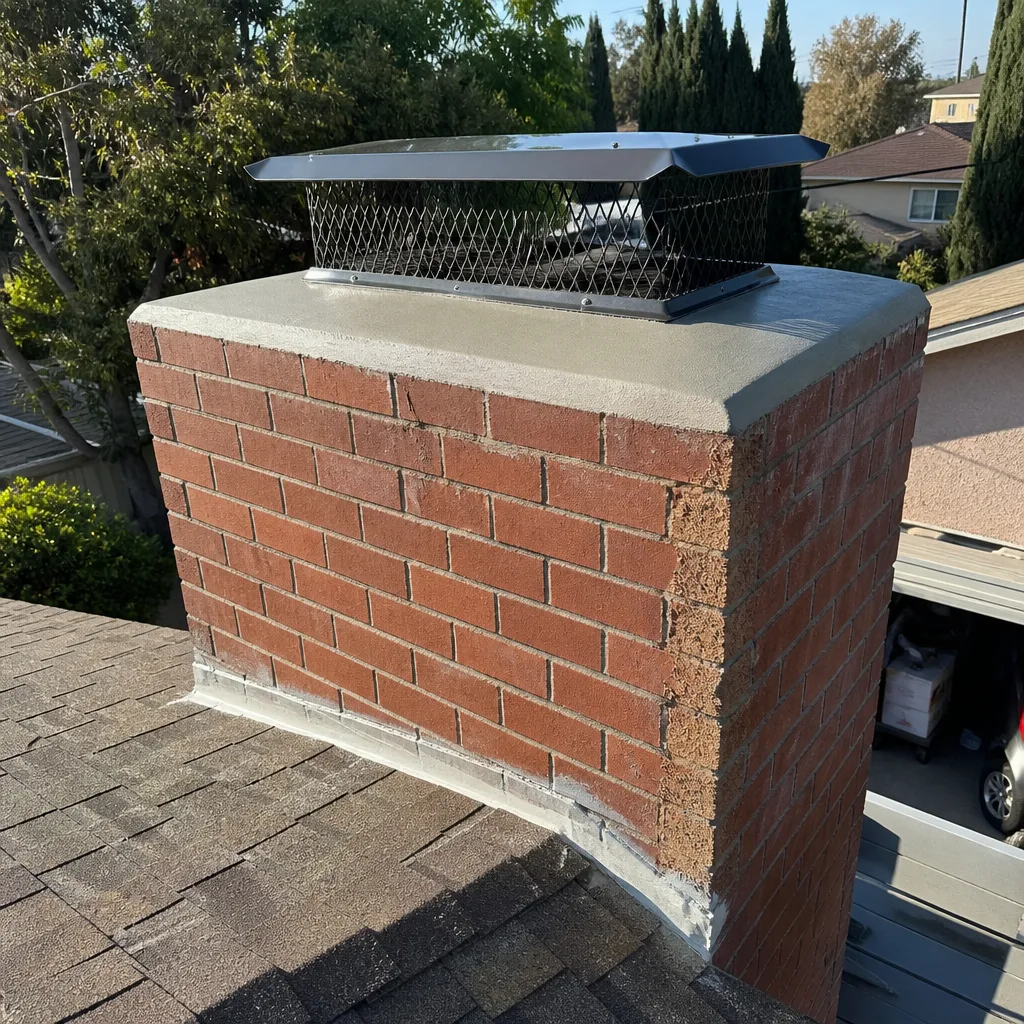 After
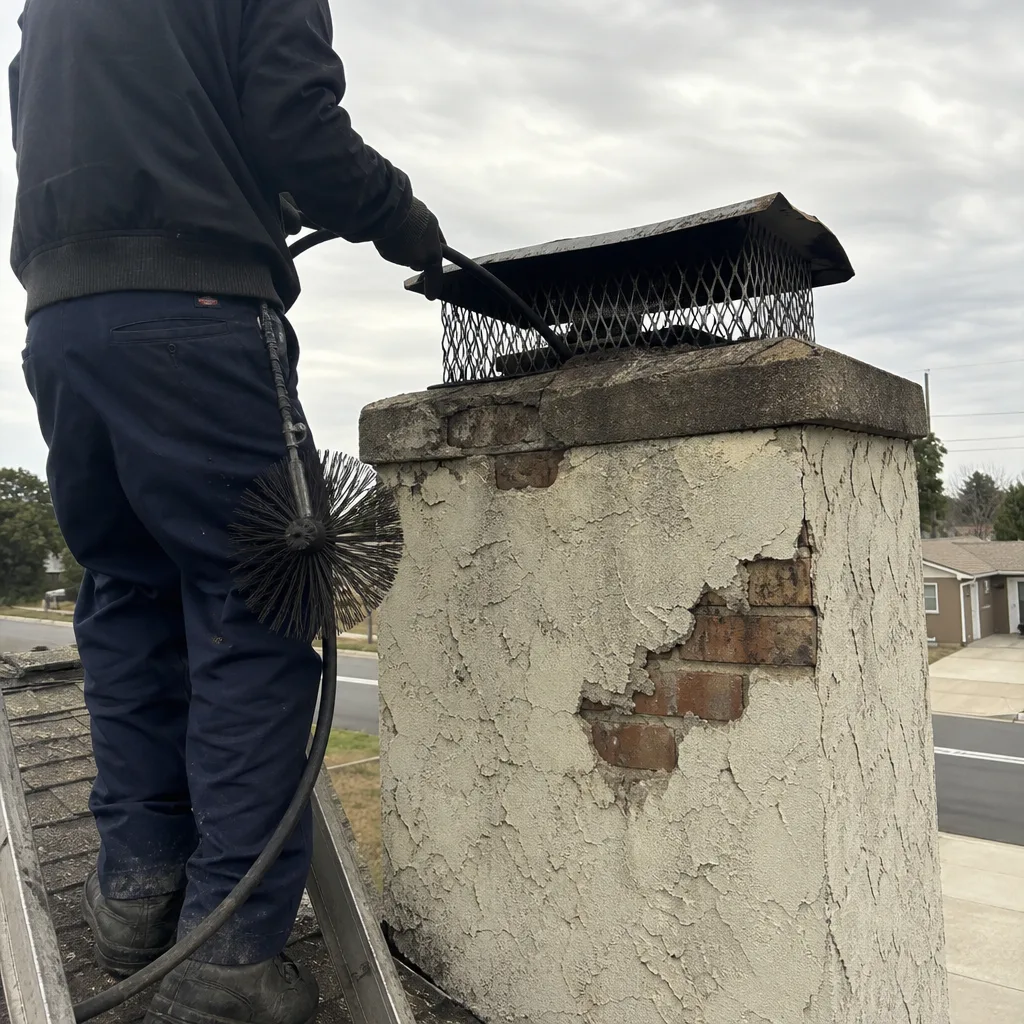 Before
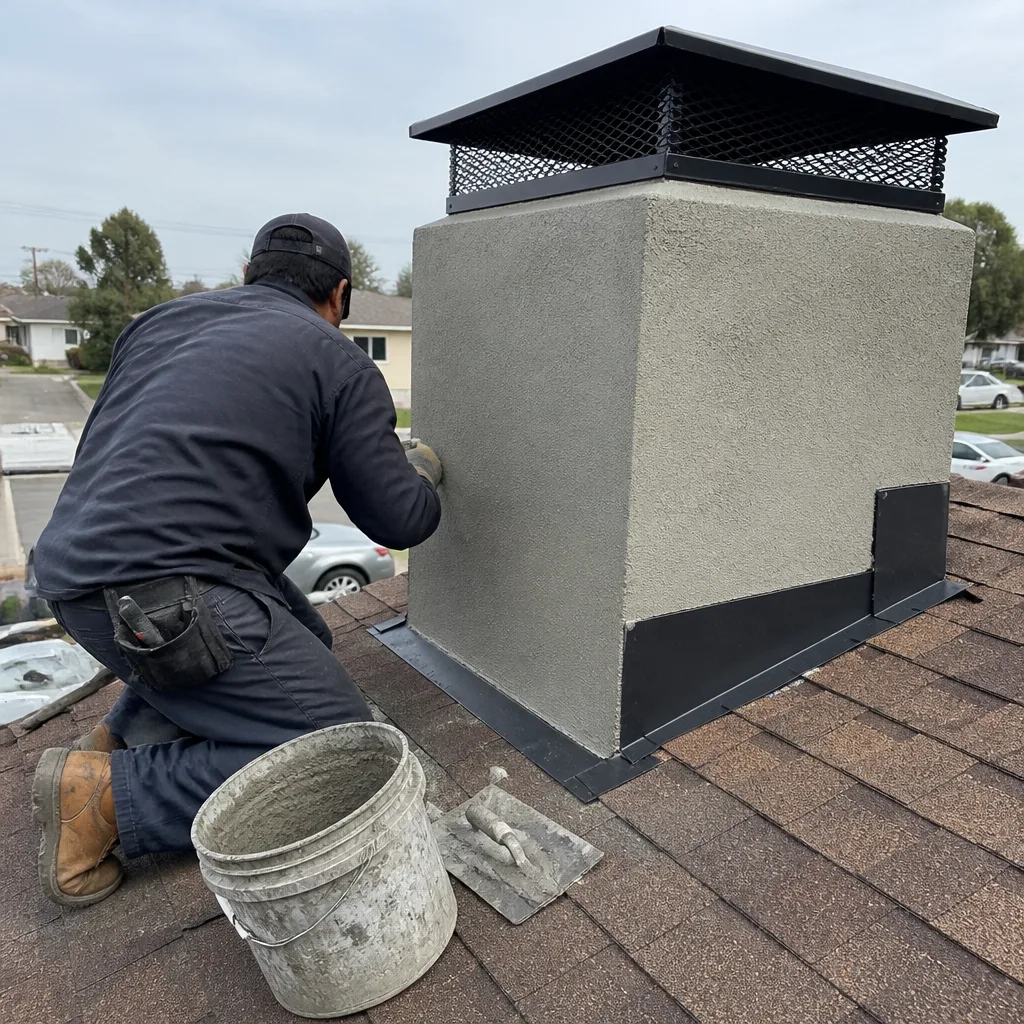 After
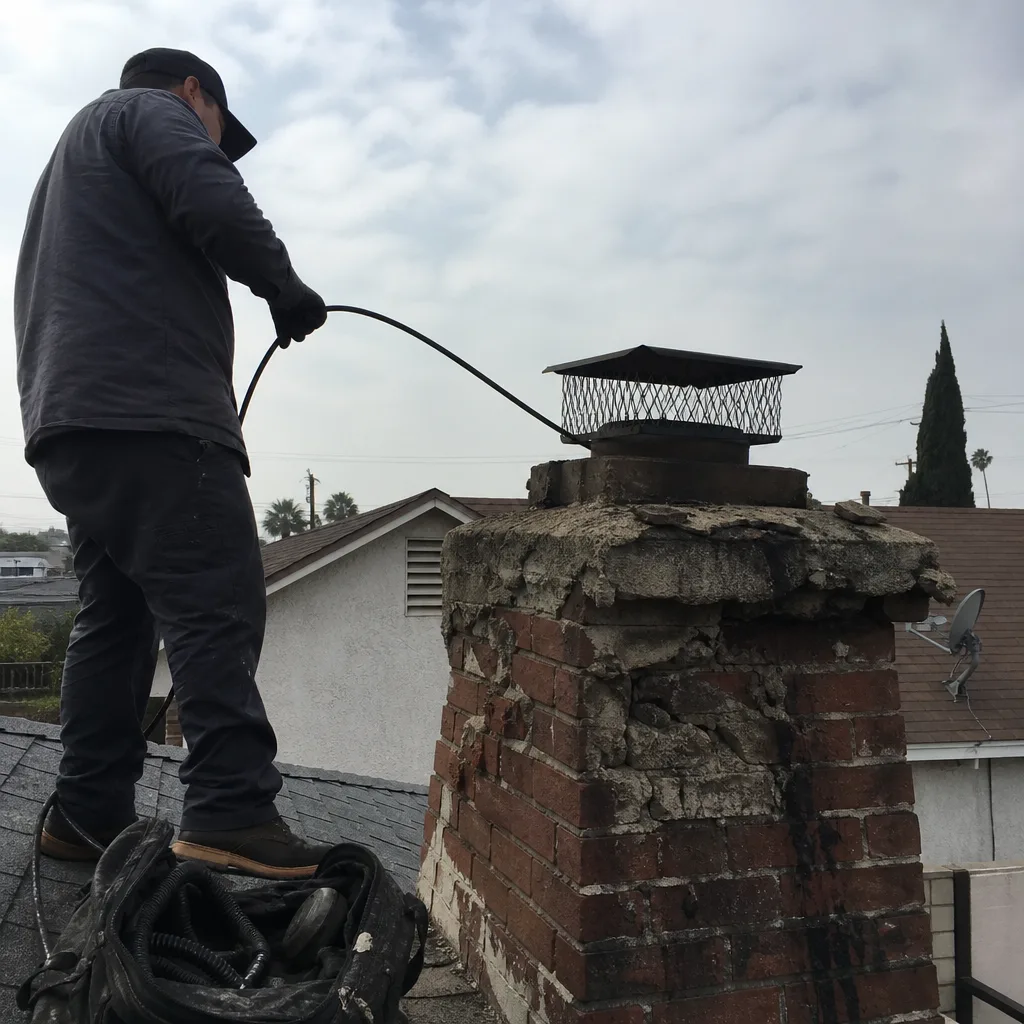 Before
 After