
Last updated November 2, 2026
 Sweep & inspection
 Caps & crowns
 Flue relining
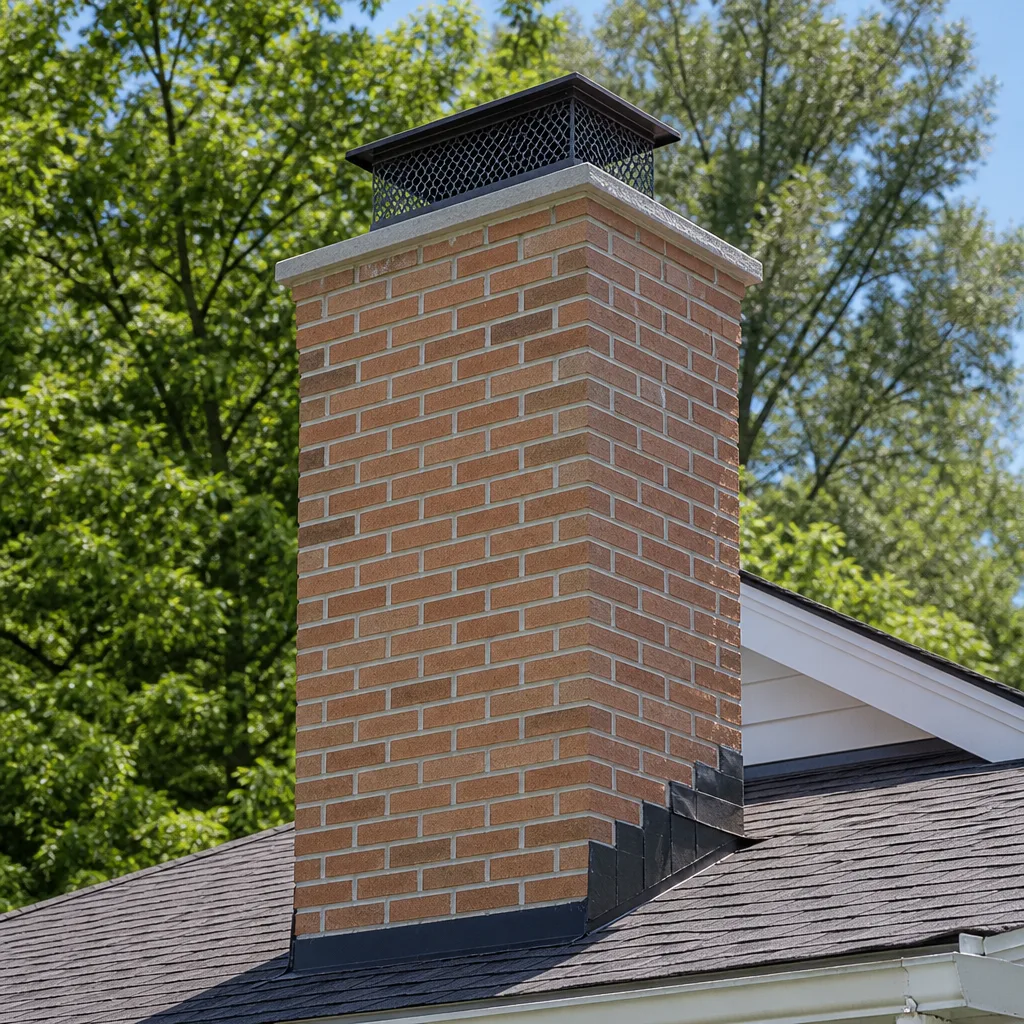 Masonry repair
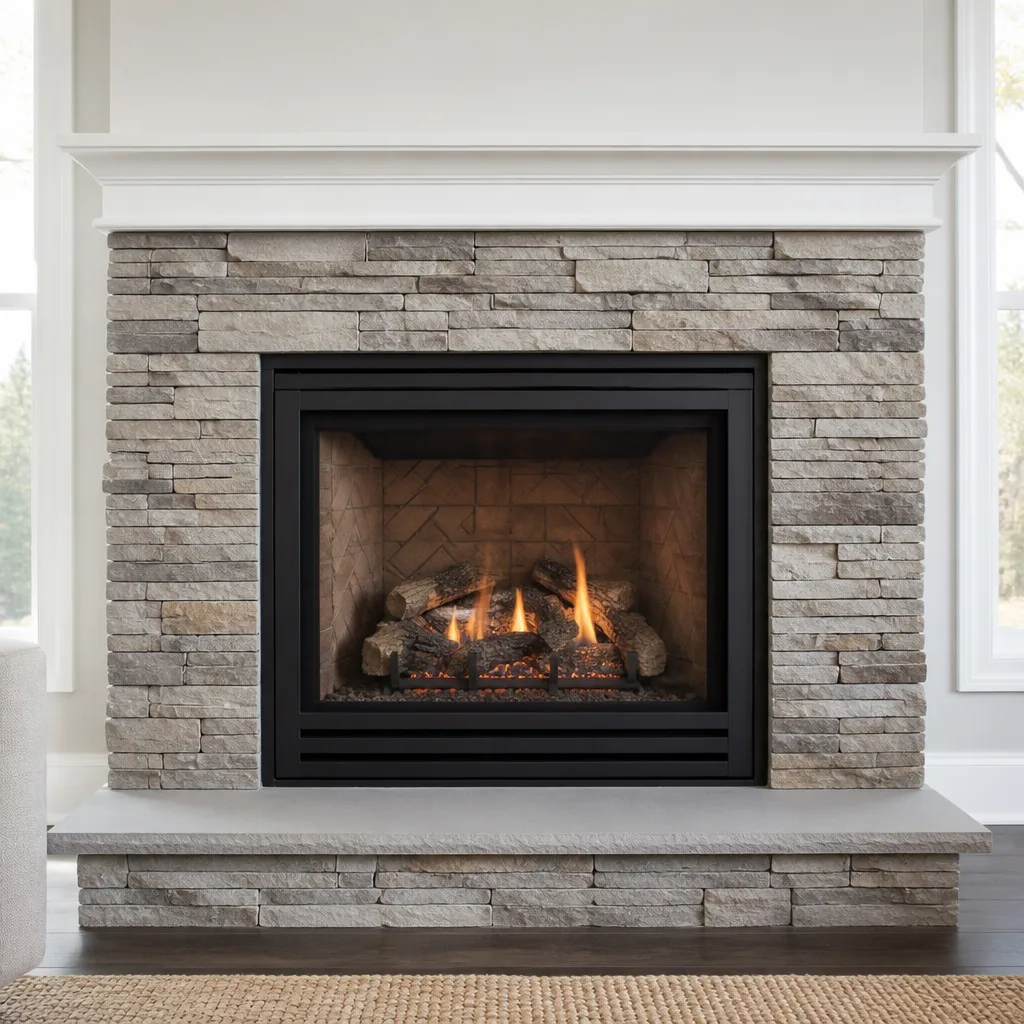 Gas fireplace service
Level 1 sweep and inspection to the NFPA 211 annual standard - flue, crown, cap, and flashing checked and photographed
Chimney sweep logs do not sweep chimneys. They loosen some creosote - which then falls where a brush and vacuum still have to collect it.
Seasonal Chimney Cleaning Care for Lynwood: Year-Round Homeowner’s Guide
Most chimney maintenance advice you’ll find online was written for places like Vermont or Minnesota, where a fireplace burns daily from October through April. Lynwood has a different rhythm entirely. Here, a chimney might see twenty fires between Thanksgiving and February, then sit unused for eight months while heat, coastal air, and pests do their quiet work. This guide walks through what actually needs to happen to a chimney in Southern California’s unusual two-season climate, month by month, and points you to more guides & resources for year-round maintenance. You’ll learn why the idle months matter more than the burning months, what Santa Ana winds do to your cap and flue, and when to spend money versus when to wait.
Quick Answer
In Lynwood, chimney maintenance follows two real seasons, not four. The critical cleaning window is March, after your last fire of the year, because creosote left sitting through a hot summer bakes onto flue walls and becomes harder to remove. Pre-season inspections in October matter too, but they catch problems, not build-up. The eight months you’re not using the fireplace are when heat, UV, rodents, and wind-driven debris do the most structural damage, so annual maintenance should center on early spring and early fall, with light monitoring during the short winter burn window.
Styles & brands we work with
- Sweep & inspection
- Caps & crowns
- Flue relining
- Masonry repair
- Gas fireplace service
Table of Contents
- Lynwood’s Real Burn Seasons: Rethinking the Northeast Template
- October – November Pre-Season: What to Do Before the First Fire
- December – February Mid-Season: Monitoring While You Burn
- March Post-Season: Why Cleaning After the Last Fire Prevents the Most Damage
- The Idle Season Threat: What Heat, UV, and Pests Do from April to September
- Santa Ana Wind Season: Drafting, Debris, and Cap Integrity
- How Often Should a Lynwood Chimney Actually Be Swept?
- Liners and Repairs: Timing the Bigger Work Around the Calendar
Lynwood’s Real Burn Seasons: Rethinking the Northeast Template
The standard advice, schedule your sweep every fall before burn season, assumes a climate where you’ll burn three or four cords of wood between October and April. In Lynwood, most homeowners burn less than half a cord all winter. That changes the math significantly. Creosote accumulation is a function of burn volume, wood quality, and flue temperature. Burn less, and you produce less creosote, but the creosote you do produce sits longer in a flue that cycles between cool nights and warm days. That cycling matters. Creosote that stays moist from humidity and then bakes in a summer heat wave becomes a glaze that’s substantially harder to remove than the flaky stuff you’d sweep out after a Northeastern winter.
Lynwood’s climate also introduces a pest window that cold-weather states don’t have. Rats, squirrels, and birds are active year-round here. A chimney without a proper cap becomes prime nesting real estate in April and May, and again in September. We regularly pull nests out of flues in Lynwood that were built within a single month of the homeowner’s last fire. The animals moved in fast because the chimney was warm, sheltered, and quiet.
So the maintenance calendar for Lynwood looks like this:
- October: Pre-season inspection and light cleaning if needed. Verify cap, damper, and smoke chamber. Prepare for a short, sporadic burn window.
- December – February: Burn as you like, pay attention to drafting and smoke behavior. This is a monitoring period, not a maintenance period.
- March: Post-season sweep. This is your primary cleaning, timed to remove creosote before summer heat bakes it into glaze.
- April – September: Idle season. Address structural issues, cap replacement, liner inspection, and pest prevention. This is when repair work actually gets done.
This schedule inverts the conventional model. The sweep happens after the burning season, not before it. The inspection happens before the burning season, not instead of it. And the repairs happen during the months most people forget they own a chimney. If you only do one thing a year, do the March sweep. If you do two, add the October inspection. That combination covers the vast majority of what actually goes wrong in Lynwood chimneys.
October – November Pre-Season: What to Do Before the First Fire
By October, your chimney has been idle for six or seven months. A lot can happen in that window. Before you light that first fire of the season, you need to verify three things: the flue is clear, the damper operates, and the cap is intact. Here’s what we recommend, in order.
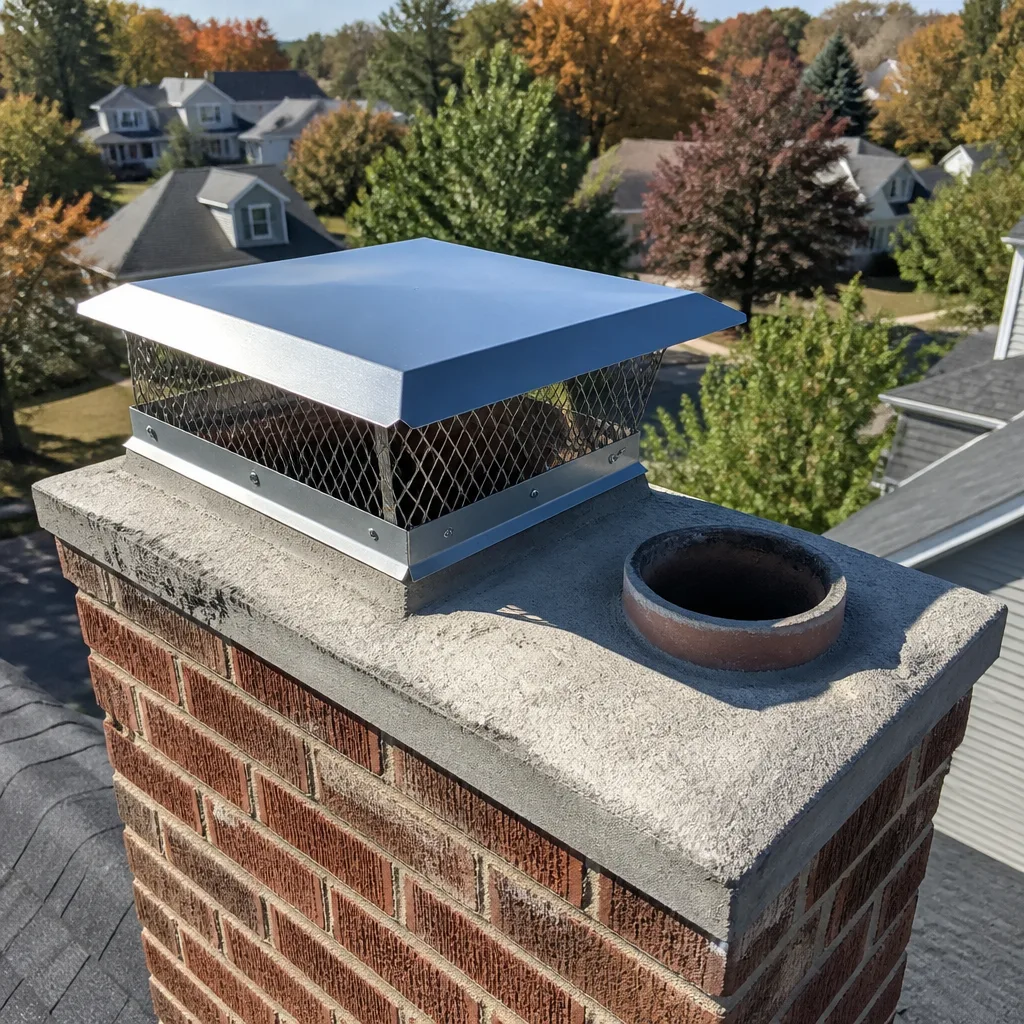
First, do a visual check from outside. Look at the chimney cap. Is it still there? Is it rusted through, tilted, or missing pieces? In Lynwood, rust is accelerated by coastal air and the occasional overnight marine layer. A cap that’s failed will let rain, debris, and birds in. If you can’t see the cap clearly from the ground, a professional inspection with a camera is worth the call. We sweep, inspect, and repair, so you’re not left with a report and no next step.
Second, check the damper. Open and close it a few times. If it sticks, squeals, or doesn’t seal fully, address that before fire season. A damper that won’t close properly lets conditioned air escape all summer and lets smoke in when the fire dies down. Damper repair is usually simple and inexpensive.
Third, look up the flue with a flashlight. If you see obstructions, nests, or heavy creosote build-up, don’t light a fire until it’s been cleaned. A nest inside a flue is a chimney fire waiting to happen. We’ve pulled nests out of Lynwood flues that were built within weeks of the homeowner’s last burn, especially in neighborhoods with mature trees and roof access for squirrels.
What We Recommend for the Pre-Season
- Camera inspection if the chimney is new to you: If you bought the home within the last year and don’t have a prior inspection report, get a camera inspection before the first fire. This is the single most valuable thing you can do for a chimney you don’t know.
- Light sweep if creosote is visible: If you see any shiny, dark build-up inside the flue, have it swept before burning. Even a small amount of glazed creosote is a fire hazard once the flue gets hot.
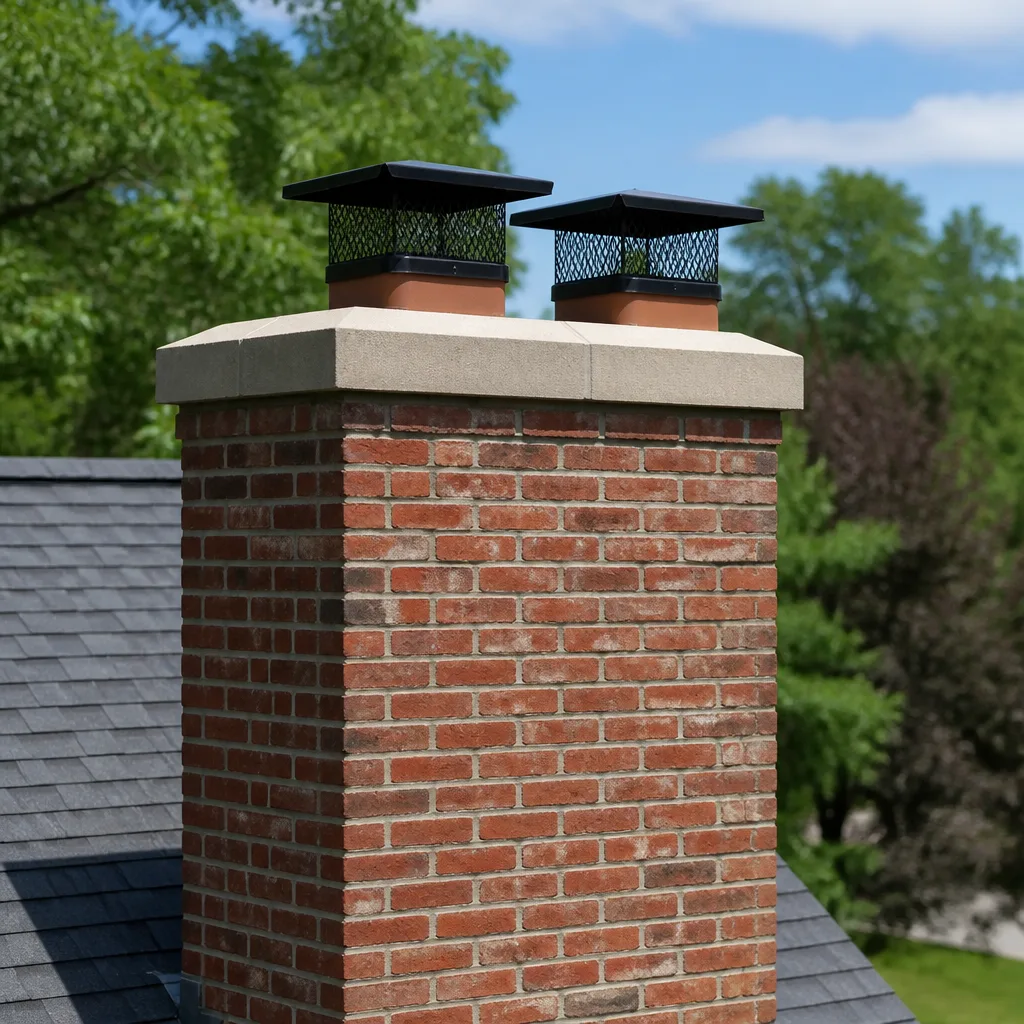
- Cap replacement if damaged: A good cap from a brand like Famco or Copperfield pays for itself in a single season by keeping animals, debris, and rain out. These caps are available in Lynwood through professional chimney companies that carry professional-grade materials, not whatever’s cheapest at the supply house.
- Test the fireplace without a fire: Open the damper and hold a lit match near the opening. If the flame doesn’t pull toward the flue, you have a drafting problem that needs attention before you build a real fire.
October is also the right time to check your dryer vent if you have a gas or electric dryer venting to the outside. Lint build-up doesn’t care what season it is, and a clogged dryer vent is one of the leading causes of residential house fires in Southern California. One call covers your chimney and your dryer vent, two fire hazards, one visit.
December – February Mid-Season: Monitoring While You Burn
During the burn window, your job is mostly observation. The chimney is doing its work; you’re watching for signs that something is off. Let’s be clear about what a healthy fire looks like versus what a problem looks like in a Lynwood chimney.
A healthy wood fire in a properly functioning chimney produces smoke that goes up the flue and out. You shouldn’t smell smoke inside the house after the fire is established. The flame should burn clean and hot, with visible flame but not billowing clouds of dark smoke. A little smoke on startup is normal, especially if the flue is cold, but continuous smoke backing into the room is not.
Here’s what to watch for during active use:
- Smoke rolling into the room instead of up the flue: This usually means a drafting problem. In Lynwood, drafting issues are often caused by nearby trees, a short chimney, negative air pressure from kitchen and bathroom exhaust fans, or a cap that’s partially blocked by wind-driven debris. If this happens repeatedly, stop burning and have the system evaluated.
- A strong, acrid odor: Fresh wood smoke has a pleasant smell. A sharp, chemical, or tar-like odor suggests glazed creosote inside the flue or an animal nest. Either way, pause burning and get a camera inspection.
- Popping or crackling sounds from the flue during a fire: That’s creosote igniting. A small flare-up may self-extinguish, but any creosote ignition is a warning sign. If you hear this, stop using the fireplace until the flue has been swept.
- Soot falling into the firebox: Some flake is normal, but chunks of soot or creosote falling indicates heavy build-up higher up the flue.
- Damper that won’t stay open or won’t close fully: A damper that shifts during burning changes your draft and your burn efficiency. Get it looked at between fires, not during one.
One thing most Lynwood homeowners never think about: the rain. Southern California rain is sporadic, but when it comes, it can come hard. A chimney that’s been dry all year suddenly takes on water if the cap is compromised or if there’s a crack in the crown. If you see water stains on the ceiling near the chimney or inside the firebox after a heavy rain, that’s a structural issue that should be addressed before the next storm. Water intrusion doesn’t just damage the masonry; it also accelerates liner deterioration and can make creosote residue more corrosive.
How Much Should You Actually Burn in Lynwood?
There’s no rule that says you have to burn a certain amount. Burn what you enjoy. But know that creosote build-up isn’t linear, it accelerates with cooler flue temperatures and wet or unseasoned wood. In Lynwood, many homeowners burn wood they bought from a rack at the gas station or hardware store, often a mix of species and moisture content. If you’re burning wet wood, you’ll see more creosote, faster. If you’re burning dry hardwoods, you might go two seasons between sweeps. The honest answer: sweep when the camera shows build-up, not when the calendar says it’s time. And in Lynwood, that’s usually every 1 – 2 years for light burners, not every year for heavy burners.
March Post-Season: Why Cleaning After the Last Fire Prevents the Most Damage
Here’s the counterintuitive truth about chimney cleaning in Lynwood: the best time to sweep is after you’ve stopped burning for the year, not before you start. Most homeowners think of chimney sweeping as pre-season preparation. But in a climate where summer temperatures regularly top 90°F inside an attic, the creosote you leave in your flue through August bakes into a hard glaze that’s significantly more difficult and costly to remove than the soft, flaky creosote you’d sweep out in March.
Creosote exists in three stages. Stage one is a light, flaky dust that brushes off easily. Stage two is a crunchy, granular deposit that requires more aggressive sweeping. Stage three is a hard, shiny glaze that often requires chemical treatment or rotary cleaning tools to remove. The transition from stage one to stage three is accelerated by heat, and a Lynwood summer provides plenty of it. A flue that would take thirty minutes to sweep in March might take an hour or more in September, simply because the creosote has been baking all summer.
Beyond creosote, a March sweep gives you something else: a clear picture of the system before it goes dormant for eight months. If there’s a crack in the liner, a loose brick, a failing cap, or a compromised crown, you’ll know in March, and you’ll have the entire spring and summer to address it before burn season comes back around. Finding out in October means you’re either rushing a repair or burning with a known problem. Neither is good.
A post-season sweep also removes the smell. Creosote and ash have a distinct odor that becomes more noticeable in humid conditions and hot weather. A March sweep leaves your flue clean and your living room smelling like nothing, which matters more than you’d think when the windows are open and the air conditioning is running.
And for the practical side: spring is also a good time to book your Dryer Vent Cleaning in Lynwood at the same appointment. Lint build-up is year-round, but summer heat and static electricity can make a clogged dryer vent more dangerous, not less. Combining the two services in one visit saves you the hassle of scheduling a second contractor and addresses both combustion-system fire hazards at the same time.
The Idle Season Threat: What Heat, UV, and Pests Do from April to September
From April through September, your chimney is not working. That doesn’t mean it’s not changing. The idle months are when structural problems develop, pest issues emerge, and water finds its way in. Here’s what’s actually happening to your chimney while it sits unused.
Heat is the biggest invisible force. Southern California summers push attic and roofline temperatures into the 130°F range. Masonry expands in heat and contracts at night. Over years, this thermal cycling creates hairline cracks in the crown, loosens mortar joints, and stresses the liner, especially if the liner is older clay tile. Those cracks become entry points for water during the winter rains, and for embers if you ever have a chimney fire. The UV exposure also degrades exposed metal components. A cheap galvanized cap will rust through within a few years of Lynwood summers. A higher-quality cap from a brand like Copperfield or Famco will hold up much longer, which is why we name the brands we use because we stand behind what goes into your home.
Pests are more active during the warm months. Squirrels, roof rats, birds, and even bees find chimneys attractive for nesting. A chimney without a cap, or with a cap that’s been damaged by wind or rust, is an open invitation. Birds build nests in the flue, and those nests are highly flammable. Roof rats chew on everything, including wiring near the chase. Bees build hives in the chimney that can become a serious problem if the honeycomb expands into the flue. In our experience, pest issues in Lynwood are most common in May and June, right after the last of the winter rains and before the hottest part of summer.
Water is the third idle-season threat. Even without rain, coastal humidity and morning marine layer moisture can condense inside a flue. If there’s a crack in the crown or the cap is damaged, that moisture gets into the masonry. Freeze-thaw cycles are rare in Lynwood, but they occasionally happen on cold January nights, and they’re most damaging when water has already been sitting in the masonry for months. The water damage cycle starts in the idle season, not during the winter.
What you can do during the idle season:
- Keep the damper closed to reduce moisture exchange between the house and the flue.
- Check the cap once or twice during summer, especially after Santa Ana wind events, looking for dents, rust, or displacement.
- Look for signs of animal activity such as droppings, nesting material on the roof, or scratching sounds. If you suspect a nest, don’t light a fire. Call for removal and a flue inspection.
- Schedule structural repairs in May, June, or September, when contractors have more flexibility and you’re not competing with pre-season rush.
Santa Ana Wind Season: Drafting, Debris, and Cap Integrity
Santa Ana winds are a uniquely Southern California phenomenon, and they have real effects on chimneys, as detailed in our Chimney Cleaning Emergency Preparedness Guide for Lynwood Homes. These hot, dry, gusty winds usually blow from the northeast between September and November, with the strongest events often occurring in October. They can reach sustained speeds of 30 – 40 mph with gusts over 60 mph in some areas. For a chimney, that’s a stress test.
The most immediate issue is debris. Santa Ana winds strip leaves, twigs, small branches, and loose roofing material and hurl it at your house. If your chimney cap has any gaps or is undersized, that debris ends up inside the flue. We’ve pulled out entire bird nests, piles of pine needles, and plastic bags from flues after a single Santa Ana event. A sturdy cap from a brand like Famco, properly installed, keeps all of that out.
Wind also affects drafting. A strong, gusty wind across a chimney top creates a fluctuating low-pressure zone above the flue, which can actually pull smoke out faster in some conditions, or push it back down in others, depending on wind direction and speed, and the height of the chimney relative to nearby structures and trees. If your fireplace drafts poorly only on windy days in October and November, the wind is the likely culprit. A properly sized and installed cap with correct clearance can mitigate much of this.
Finally, sustained wind loads test the mechanical integrity of the cap and the top courses of masonry. A cap that’s been rusting quietly all summer can fail structurally under a 60-mph gust. The same goes for loose crown bricks or deteriorated mortar. After a Santa Ana event, it’s worth a visual check from the ground. If the cap is tilted, missing, or you see debris around the base of the chimney, call for a professional inspection before burn season.
How Often Should a Lynwood Chimney Actually Be Swept?
The National Fire Protection Association (NFPA 211) says chimneys should be inspected annually and swept when creosote build-up reaches 1/8 inch or more. That’s the technical standard. But in practice, a Lynwood homeowner who burns a dozen fires a year doesn’t accumulate creosote the way a Minnesota homeowner who burns three cords a winter does.
Our honest recommendation for most Lynwood homeowners: have the flue inspected annually, usually in March or April, and sweep it when the inspection shows measurable build-up. For a light burner, that often means every two years. For a heavy burner, or someone burning wet or soft wood, that might mean every year, or even twice a year if they burn regularly through the winter.
The key variable is the camera. A visual inspection from the top or bottom can’t see everything. A camera inspection shows the entire flue, including the sections that are hardest to reach and where creosote tends to build first. If you’re not sure when your chimney was last swept, or you’ve been in the house less than two years, get a camera inspection. It takes about thirty minutes and gives you a definitive answer, not a guess.
For reference, here’s a rough guideline based on burn volume:
- Under 10 fires per year: Inspect annually, sweep every 2 – 3 years.
- 10 – 25 fires per year: Inspect annually, sweep every 1 – 2 years.
- 25+ fires per year: Inspect annually, sweep every year.
- Burning unseasoned wood, soft woods, or manufactured logs regularly: Sweep every year, regardless of burn count.
These are guidelines, not rules. The camera always wins. If the build-up is there, sweep it. If it’s not, save your money and wait another year.
Liners and Repairs: Timing the Bigger Work Around the Calendar
Cleaning is one thing. Structural repair is another. The two are often confused, and the timing for each is different. A chimney sweep removes build-up. A chimney repair fixes what’s broken. In Lynwood, you can do both with the same company, which saves you the runaround of getting a sweep report and then trying to find someone to fix what the report found, though you should still understand Chimney Cleaning Permits, Codes & Inspections in CA: What You Need to Know before major work begins.
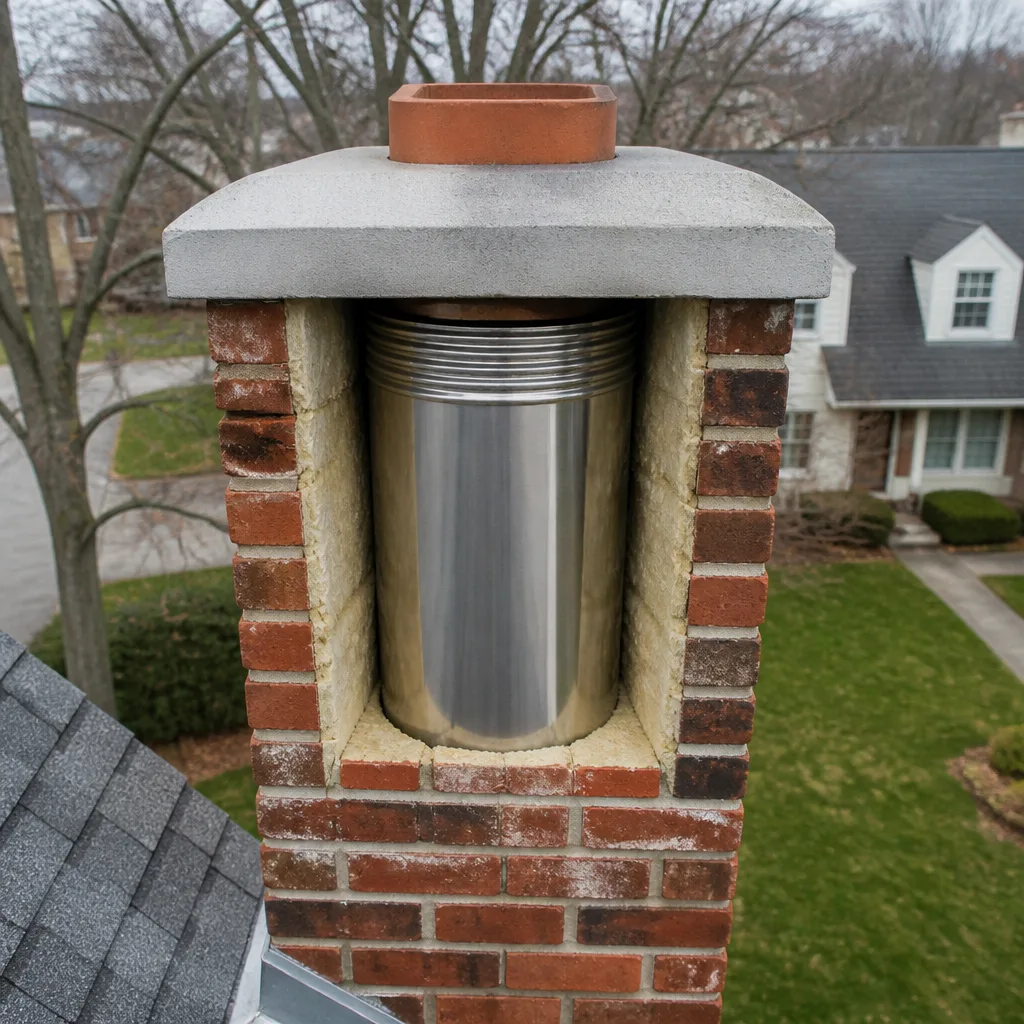
The most common repair we see in Lynwood is liner damage. Older homes in Lynwood often have original clay tile liners that have cracked or spalled over decades of thermal cycling. A cracked liner is a fire hazard and a carbon monoxide risk. The traditional fix is a full relining, which means tearing out the old tiles and installing a new flue. That’s expensive and disruptive. But there’s another option now. HeatShield restoration, applied by certified specialists, can repair cracked and spalled liners without the need for full replacement. HeatShield restoration before we talk full relining, because repair beats replacement when repair is the right answer.
For chimneys that do need a liner replacement, which happens more often with older or non-standard flue dimensions, a DuraFlex flexible liner system can often be installed where a rigid liner won’t fit. That’s particularly useful in older Lynwood homes with offset flues, unusual angles, or older masonry that doesn’t accommodate standard components. Not every chimney company carries or installs these systems. We do.
The best time to do liner work in Lynwood is late spring or summer. The weather is predictable, the chimney isn’t in use, and there’s no rush to finish before the first cold snap. You also avoid the fall backlog that every chimney company deals with from October through December. If your March inspection finds a liner issue, you have a six-month window to get it done properly. Use it. If you wait until October, you’ll be either squeezing into a crowded schedule or burning with a known problem.
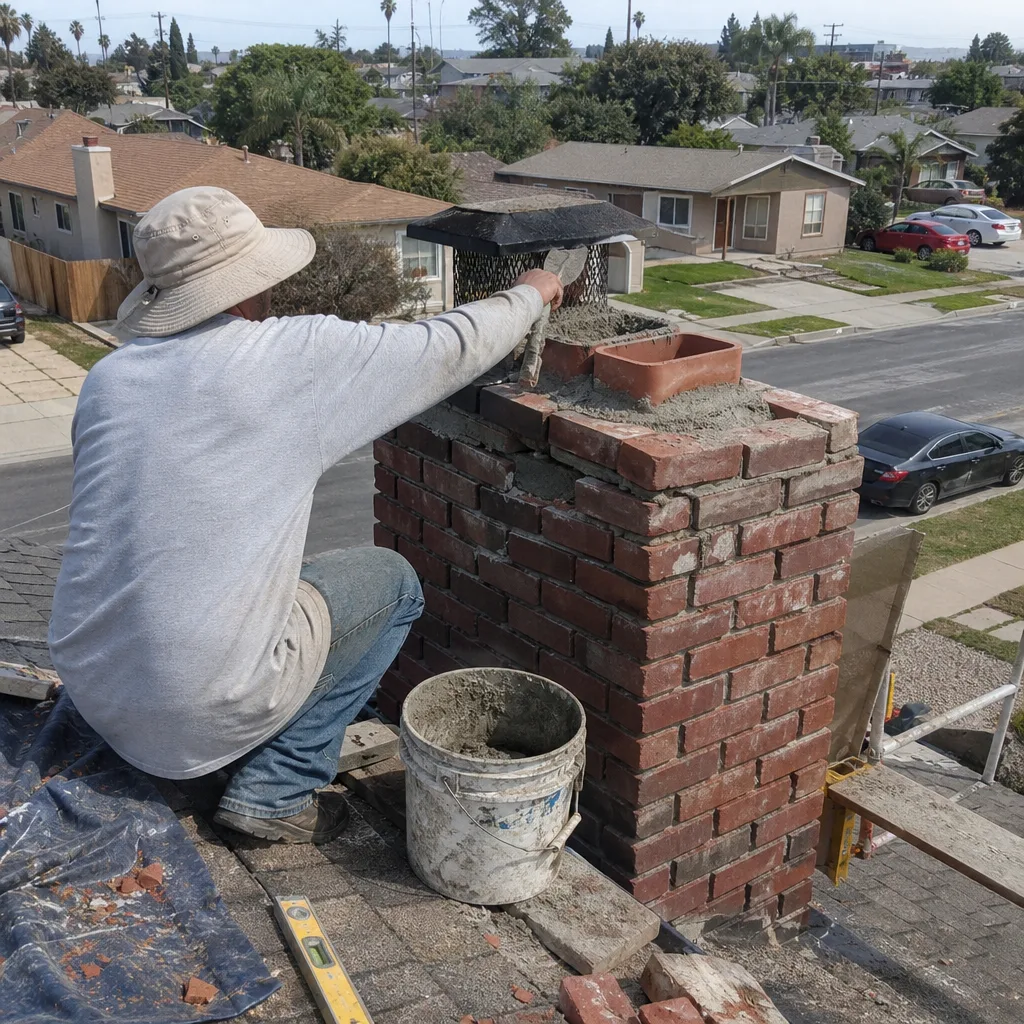
Similarly, cap replacement, crown repair, and masonry repointing are all best done in the warm months. Mortar and sealants cure better in warm, dry conditions. Rain is less likely to interrupt the work. And the chimney has months to settle before it sees fire again. If you need Chimney Repair in Lynwood, plan it for the idle season whenever possible.
Common Mistakes to Avoid
- Following a Northeastern seasonal template. Scheduling a pre-season sweep in September and ignoring the chimney for the rest of the year misses the actual problem window in Lynwood. The March post-season sweep is more important than a September pre-season sweep because summer baking turns soft creosote into hard glaze.
- Burning with a known drafting problem. If smoke rolls into the room or the flue doesn’t draft properly, stop burning. Burning anyway can push carbon monoxide into the house. Drafting issues in Lynwood are often caused by wind patterns, nearby trees, or negative air pressure, and they’re usually fixable.
- Ignoring the cap. A missing or damaged cap is the root cause of most animal infestations, water damage, and debris blockages. A quality cap is cheap insurance compared to the cost of removing a nest or repairing water-damaged masonry.
- Assuming no fires means no problems. The idle season is when heat, UV, pests, and moisture do their work. A chimney that sits unused from March through October still needs attention.
- Burning wet or unseasoned wood. Wet wood burns cooler, creates more smoke, and produces more creosote per fire. In Lynwood, where many homeowners buy wood from gas stations or hardware stores, wood quality is the single biggest variable in creosote build-up.
- Deferring a known liner issue. A cracked liner doesn’t fix itself. It gets worse with every heating and cooling cycle, and the cost of the fix goes up over time. If a camera inspection finds liner damage, address it during the idle season rather than waiting for it to become an emergency.
- Treating the dryer vent as a separate issue. A clogged dryer vent and a dirty chimney are both combustion-system fire hazards. Having both serviced in one visit by a Chimney Sweep in Lynwood who also handles dryer vents is more efficient than scheduling two contractors, and it means both hazards get addressed the same day.
See the difference
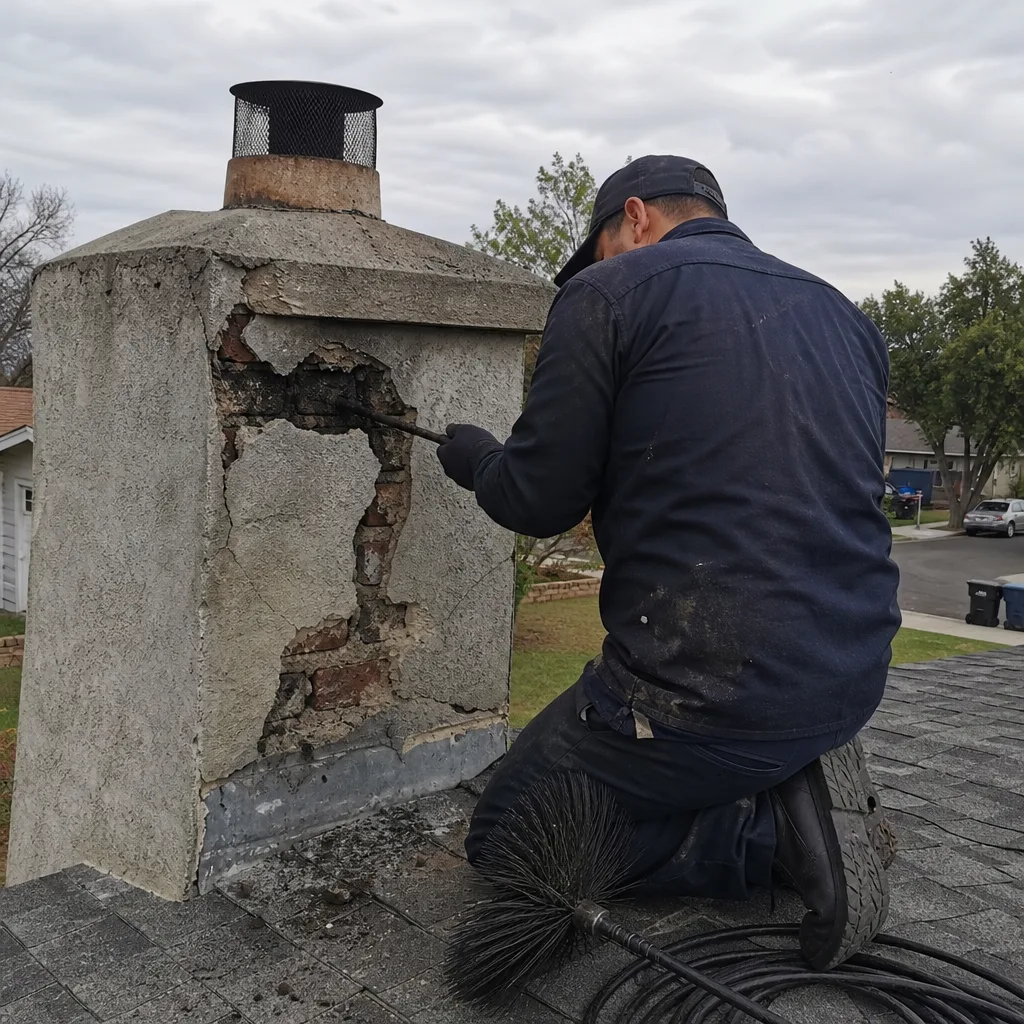 Before
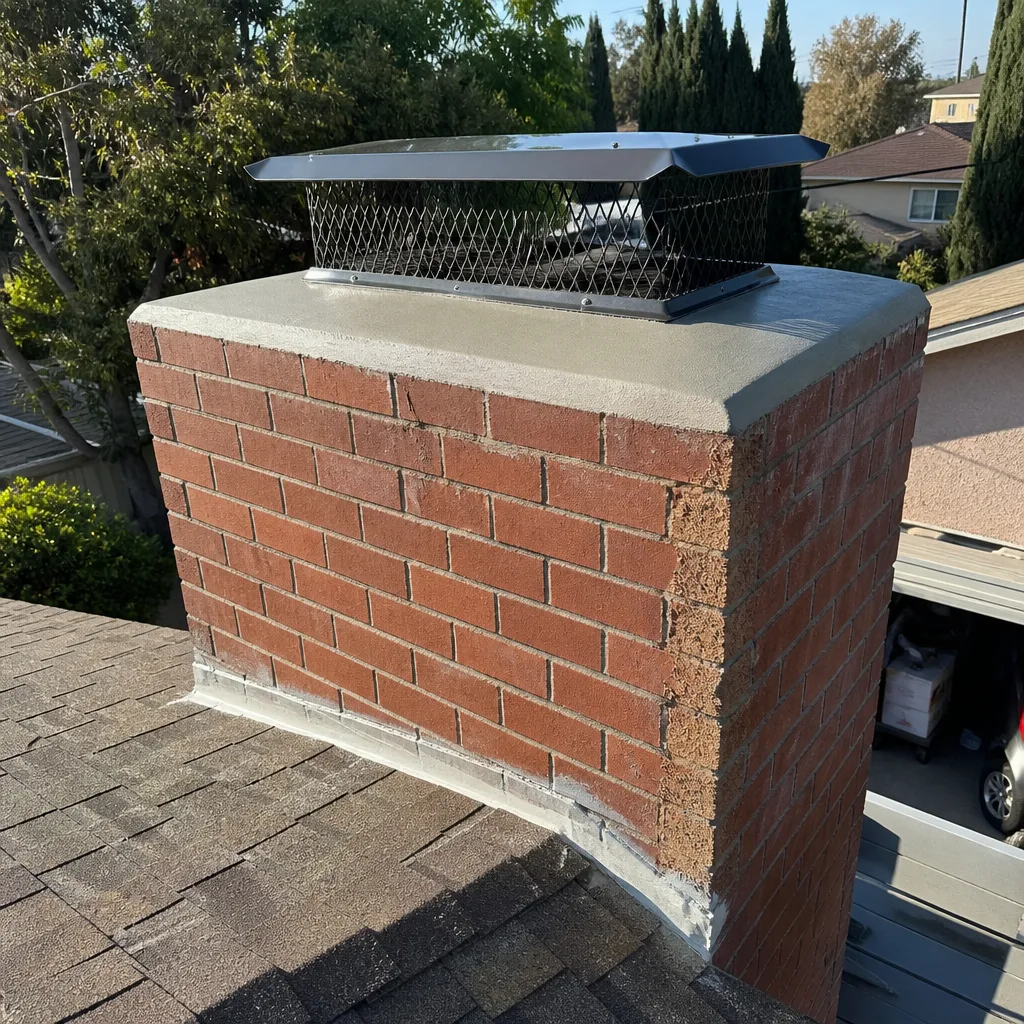 After
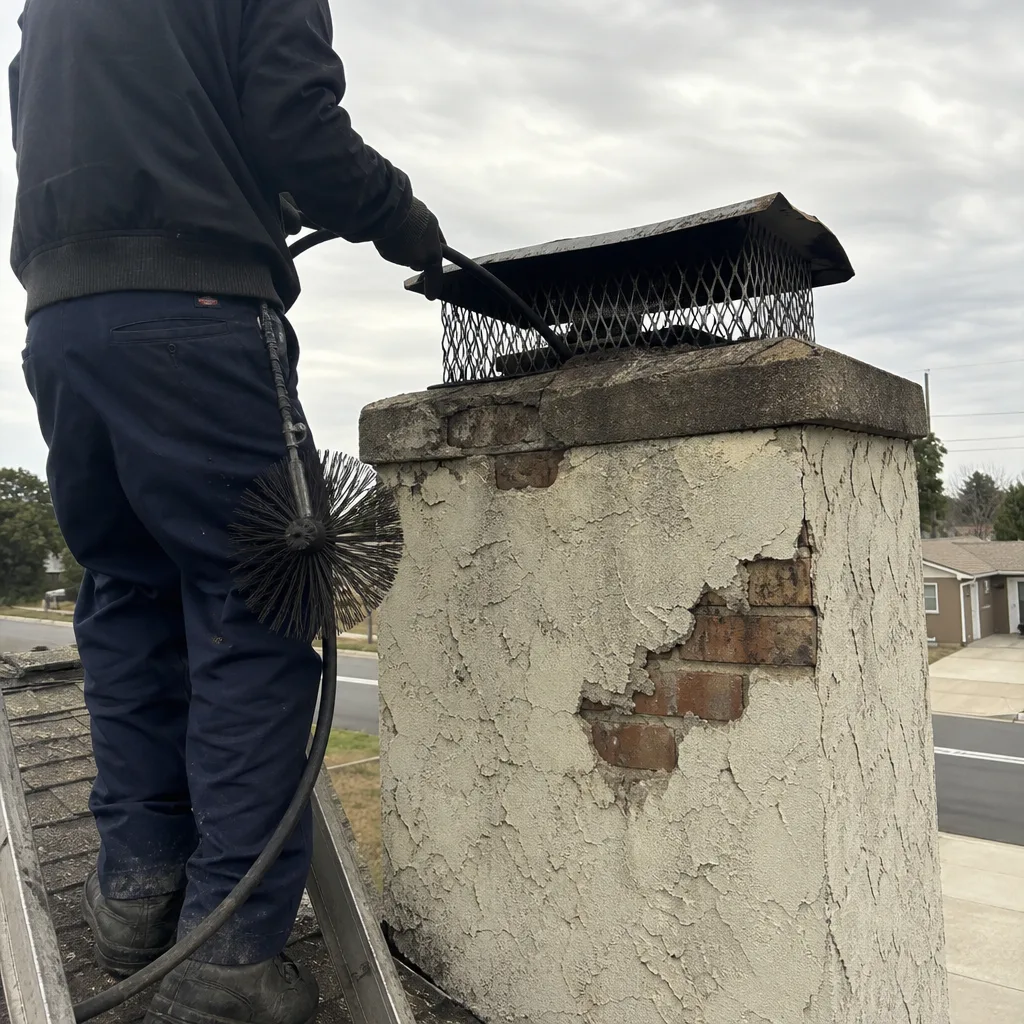 Before
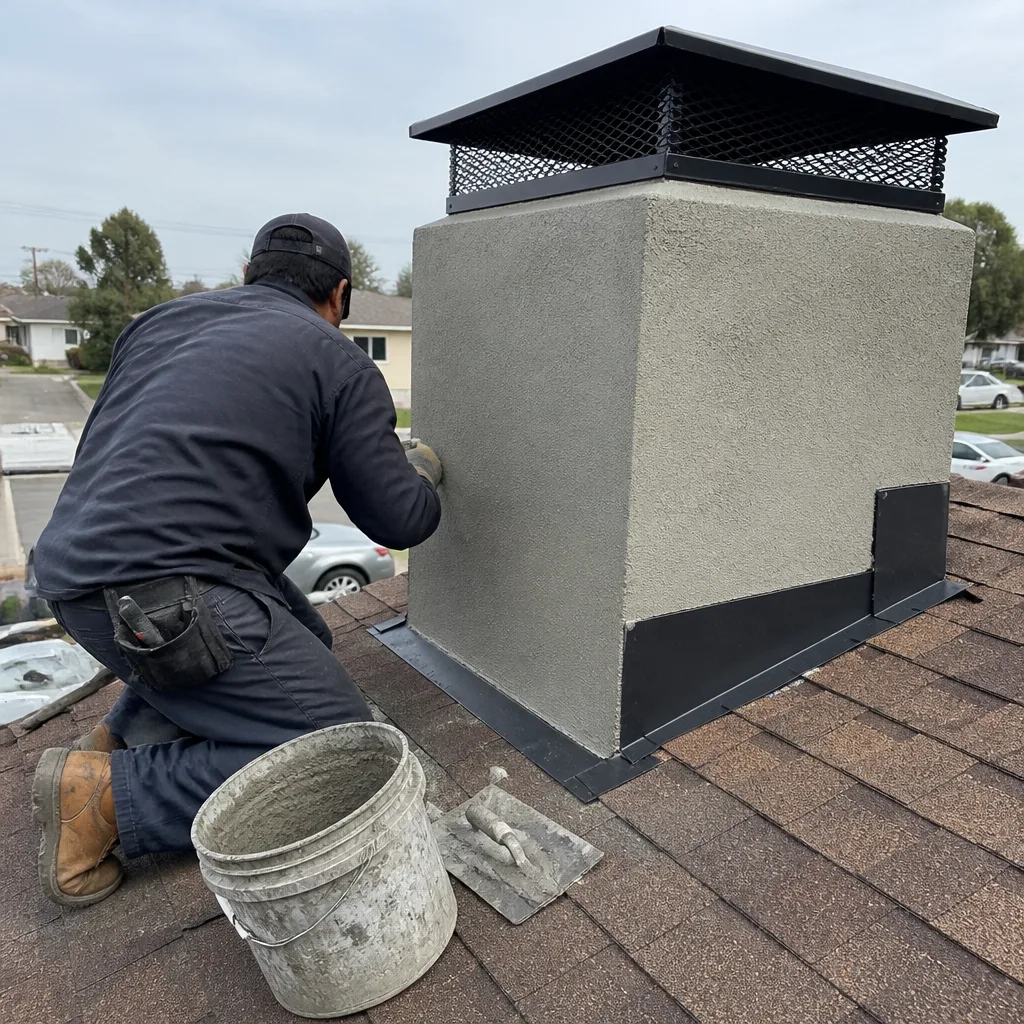 After
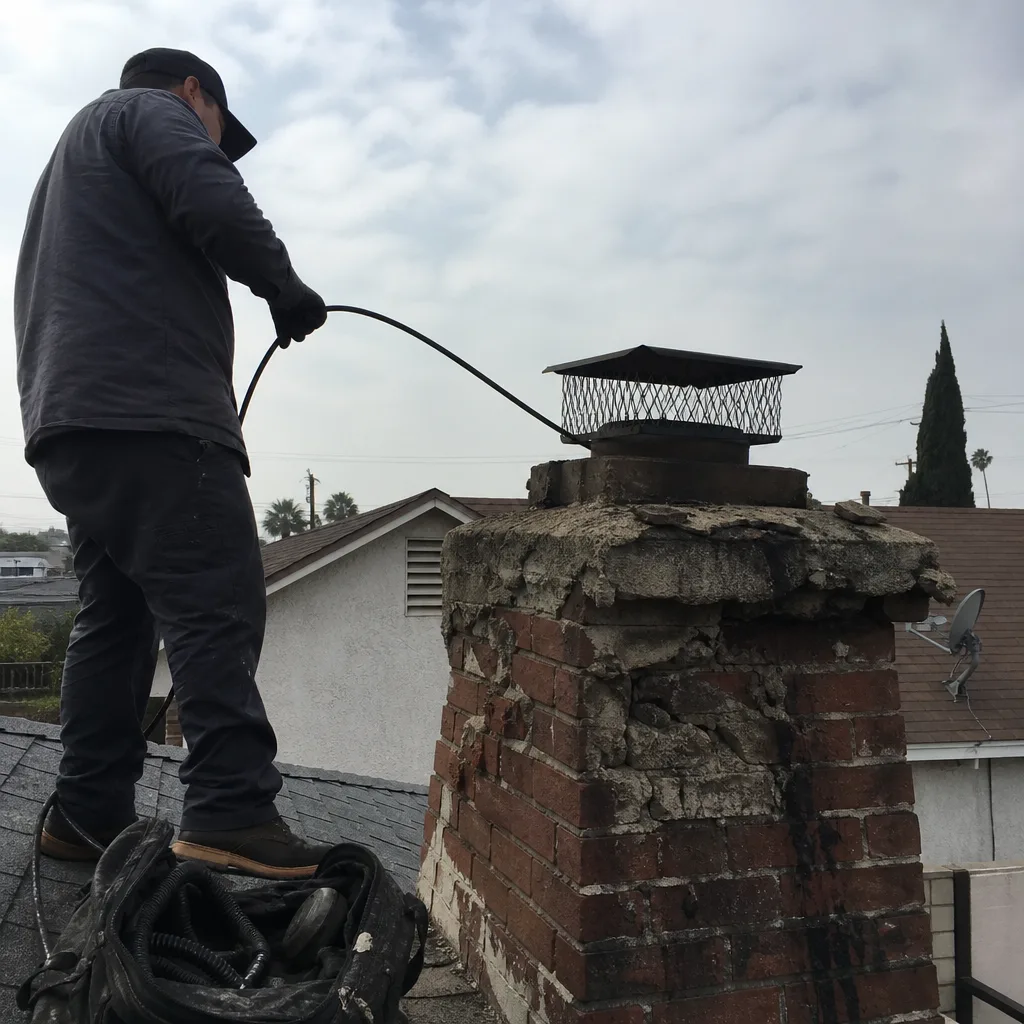 Before
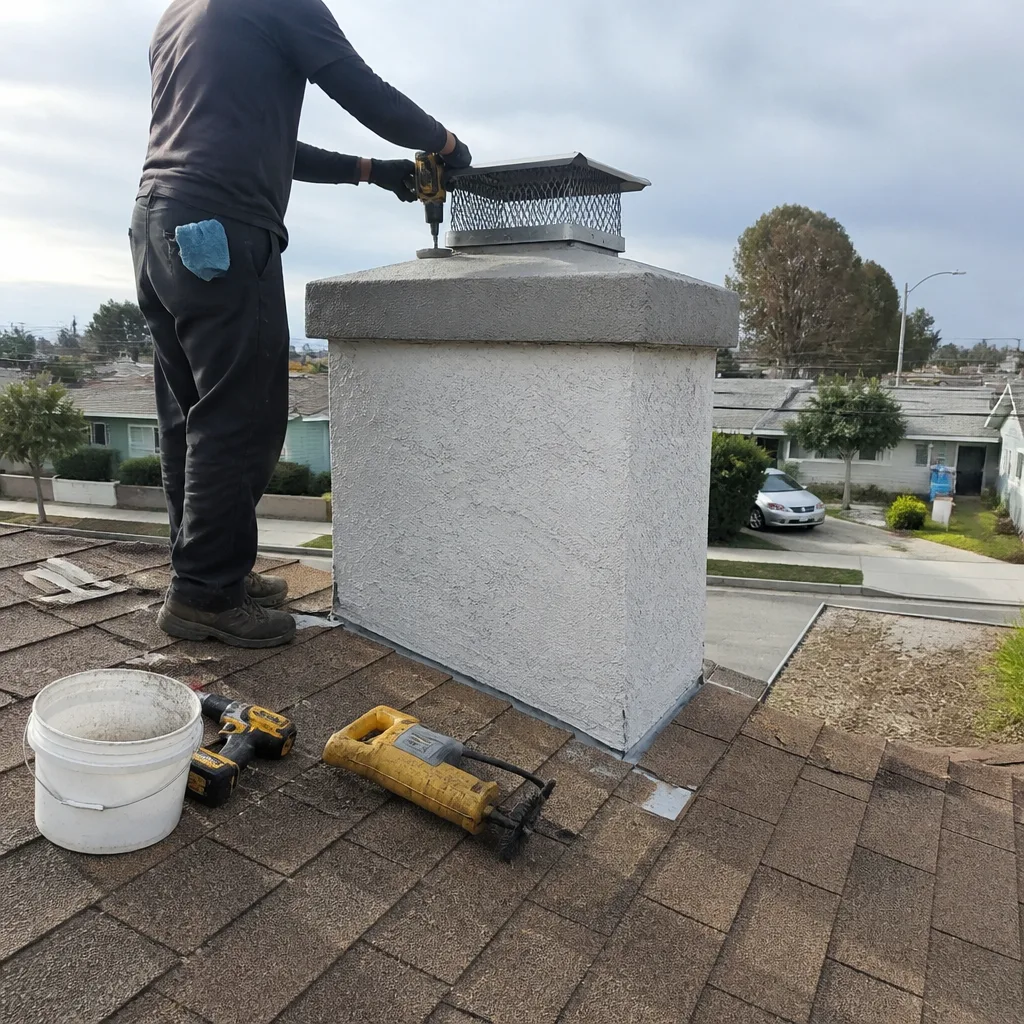 After
When to Call a Professional
Some chimney issues you can observe and document yourself. Some you need a trained eye and a camera to properly diagnose. Call a professional if you see any of the following: smoke rolling into the room during burns, water stains near the chimney after rain, animal noises or visible nesting material, a cap that’s missing or visibly damaged, creosote build-up you can see inside the flue, or any popping or crackling sounds from the flue during a fire. Also call if you’ve been in the house more than two years and have never had a camera inspection. It’s not urgent in the emergency sense, but you’re flying blind until you get one. Chimney Sweep Lynwood offers free estimates in Lynwood. Call (855) 916-8513 and we’ll take a look. We sweep, inspect, and repair, so you’re not left with a report and no next step.
Frequently Asked Questions
A standard chimney sweep in Lynwood typically runs between $150 and $300 depending on the size of the flue, the level of creosote build-up, and whether the chimney has been recently maintained. If a camera inspection is included, which we recommend, expect to pay slightly more. Call (855) 916-8513 for an exact quote, estimates are free.
No. If you burn fewer than ten fires per year and use dry hardwoods, you might only need a sweep every two to three years. What you do need every year is an inspection, ideally in March, to check for creosote build-up, pest activity, and structural changes. The camera tells you when it’s time to sweep. Call (855) 916-8513 to schedule an inspection and get an honest assessment.
Manufactured logs, especially the wax-based ones, burn hotter and can produce more creosote per fire than natural wood, despite what the packaging might suggest. If you burn manufactured logs regularly, sweep every year, regardless of how many fires you have. The build-up pattern is different and harder to predict. Call (855) 916-8513 and we’ll tell you what you’re dealing with based on a camera inspection, not a guess.
Creosote accumulates. Eventually it reaches a point where it can ignite, and a chimney fire burns at temperatures that can crack the liner, warp the damper, and in the worst cases, spread to the house. Even if you never have a chimney fire, heavy creosote build-up corrodes the liner from the inside out and makes drafting worse. The longer you skip it, the more expensive the eventual fix. And in Lynwood, skipping a sweep through summer means the creosote bakes into glaze, making the next cleaning harder and more costly.
A cleaning removes creosote and debris. An inspection evaluates the condition of the entire system, including the liner, damper, cap, crown, and masonry. You can inspect without cleaning, and in some cases, you can clean without a full inspection. We do both in the same visit, because the sweep reveals what’s underneath the build-up. A Chimney Sweep in Lynwood from our team always includes a visual and camera assessment.
You can remove ash from the firebox easily enough. But cleaning the flue properly requires brushes sized to your specific liner, access to the roof, and knowledge of what you’re looking at. More importantly, chimneys have dangerous components. Creosote is a known carcinogen, and working on a roof without proper equipment is a serious fall risk. We recommend leaving flue cleaning to a trained professional who has the right tools and knows what the flue should look like when it’s clean. Call (855) 916-8513 and we’ll handle it.
The Bottom Line
Lynwood’s chimney calendar has two seasons: a short, sporadic burn window from late November through February, and a long idle period where heat, pests, and coastal moisture do the real damage. The most important cleaning happens in March, after your last fire, before summer bakes creosote into a hard glaze. The most important inspection happens in October, before your first fire, to catch whatever the idle months broke. Between those two checkpoints, keep an eye on the cap, the damper, and any change in how your chimney drafts, especially during Santa Ana winds. If you do those things, you’ll catch problems early, avoid emergency repairs, and get honest answers about whether your chimney needs sweeping, repair, or a new liner. For a free estimate in Lynwood, call (855) 916-8513.
Written by the team at Chimney Sweep Lynwood, serving Lynwood since 2017.