
Last updated November 2, 2026
 Sweep & inspection
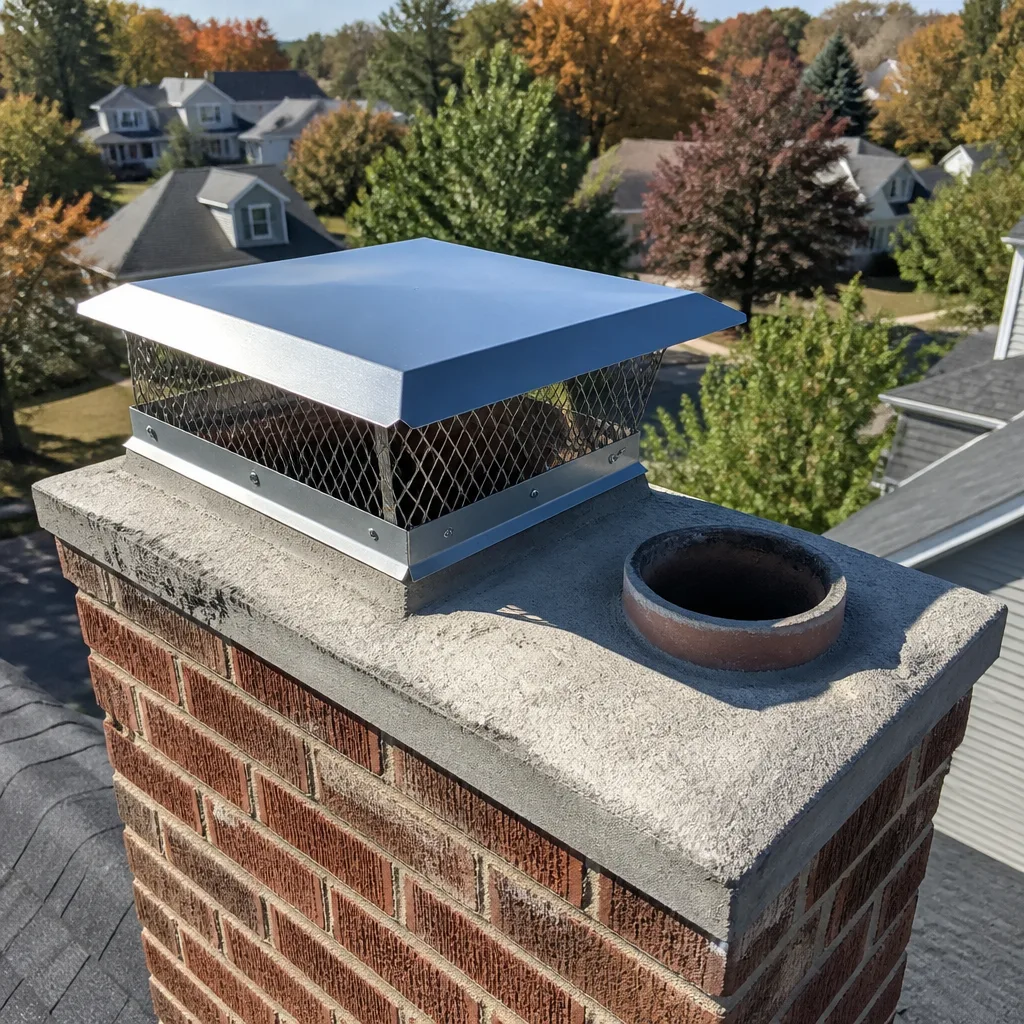
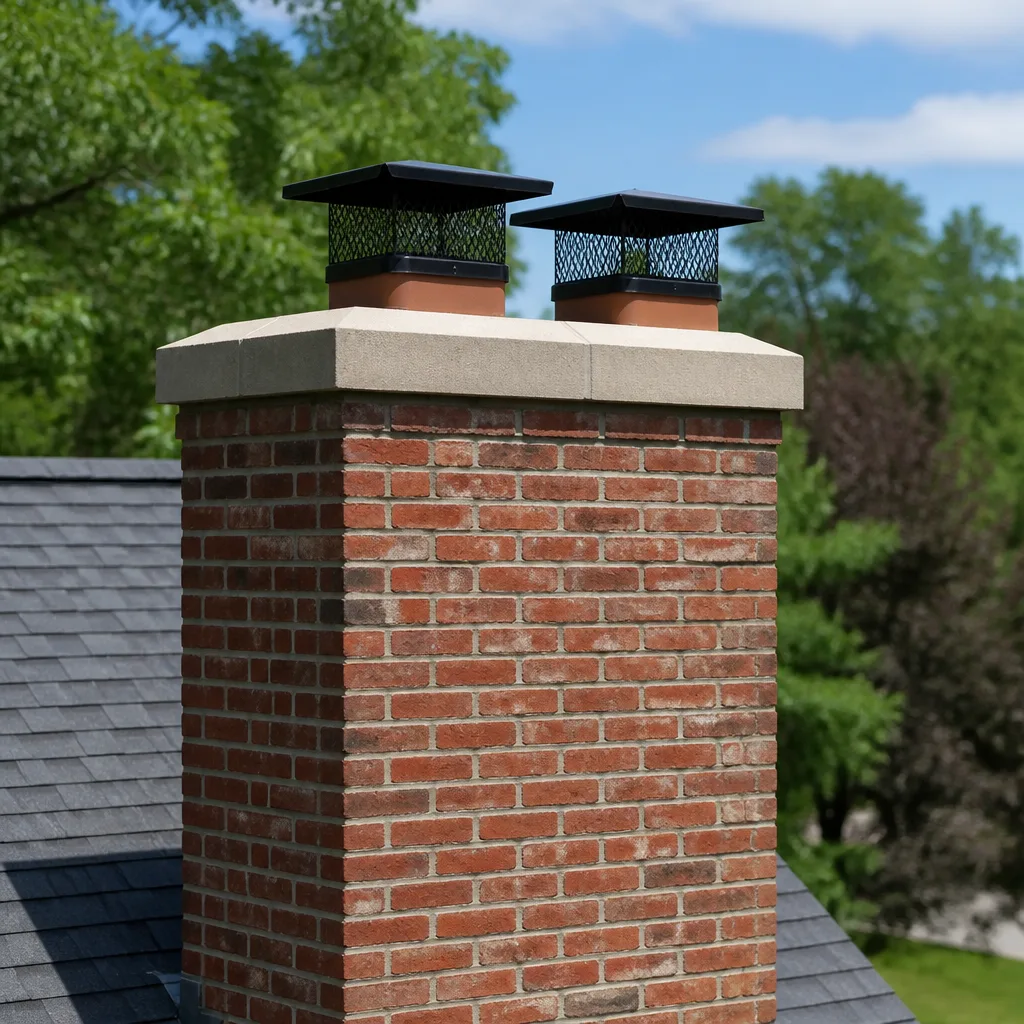 Caps & crowns
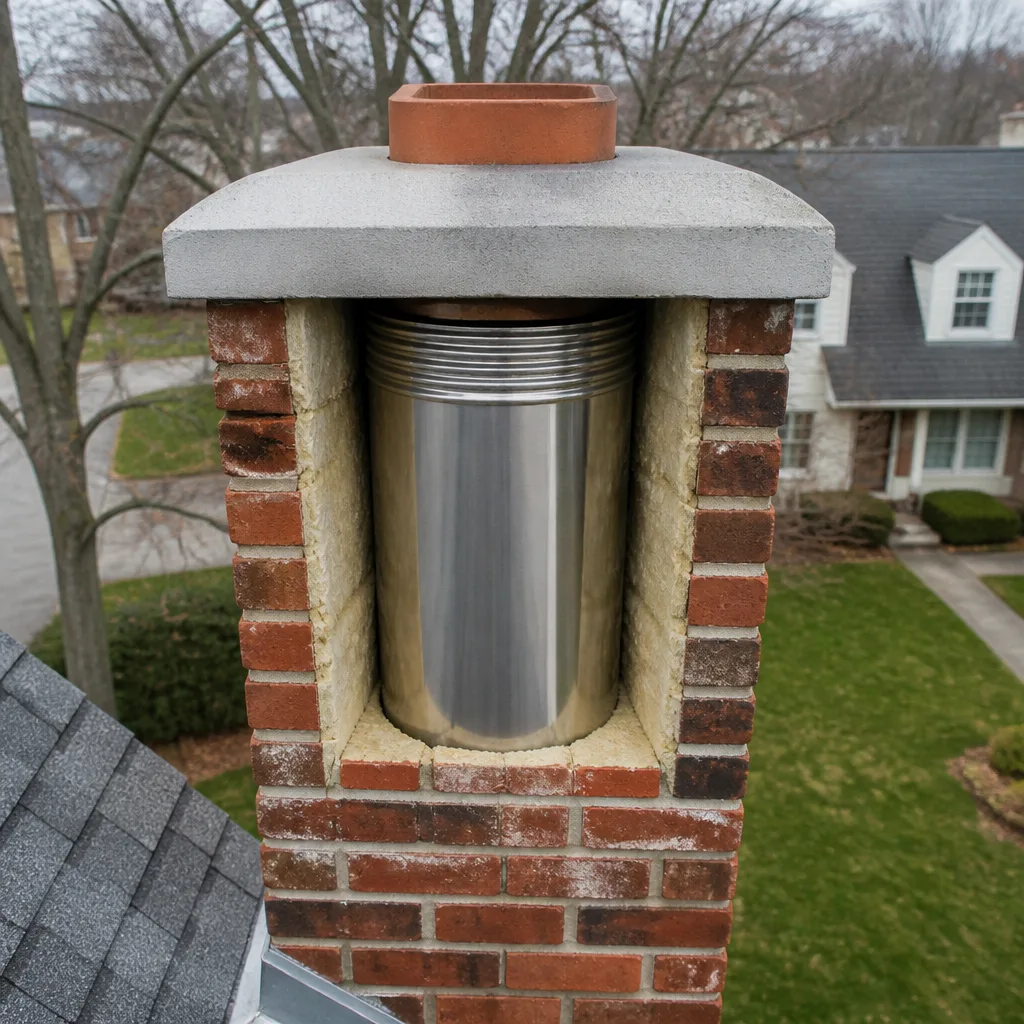 Flue relining
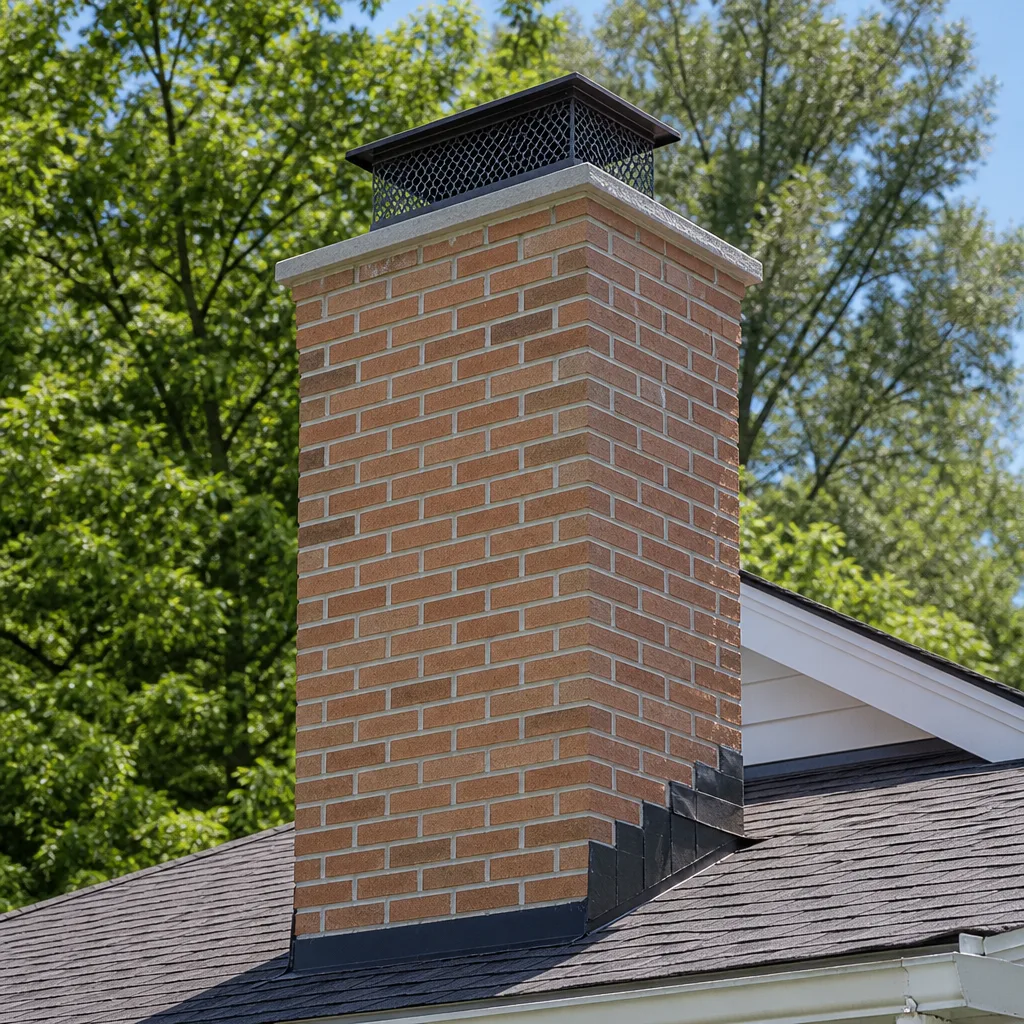 Masonry repair
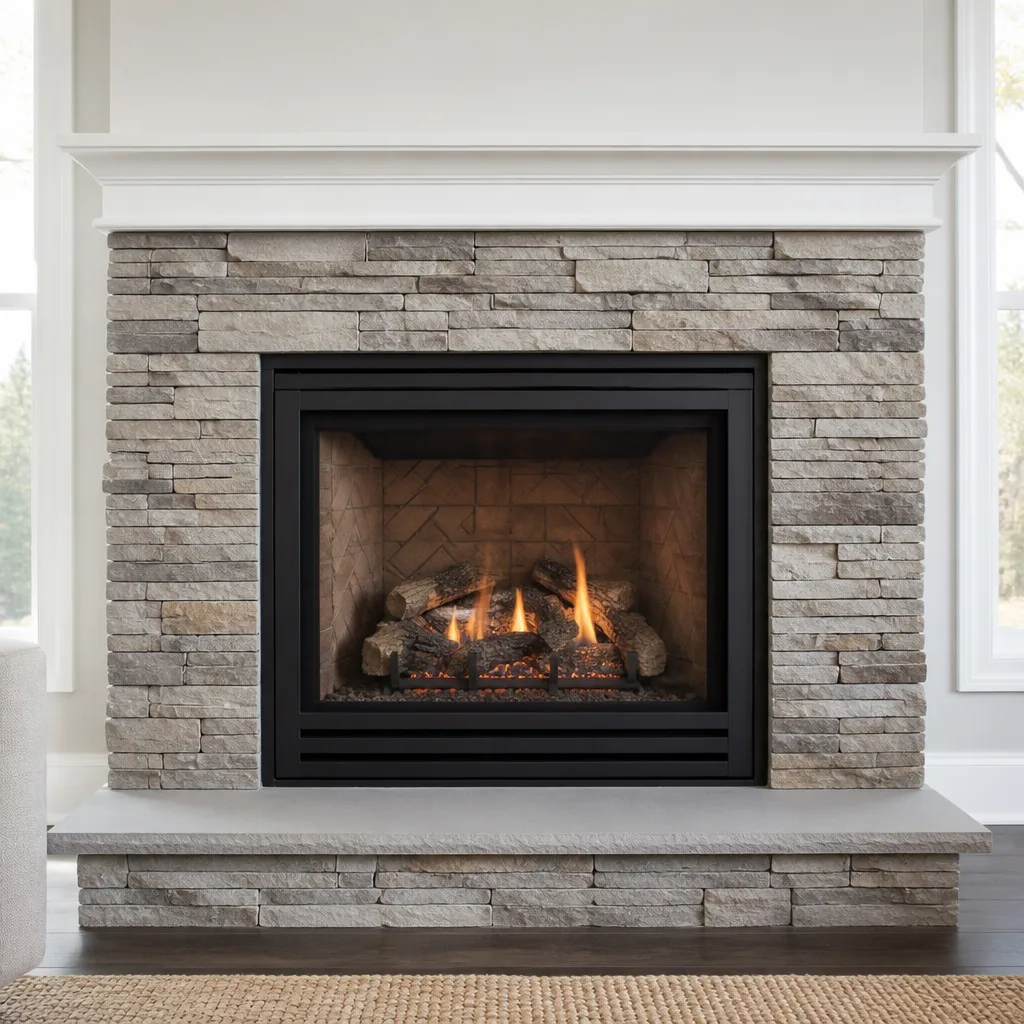 Gas fireplace service
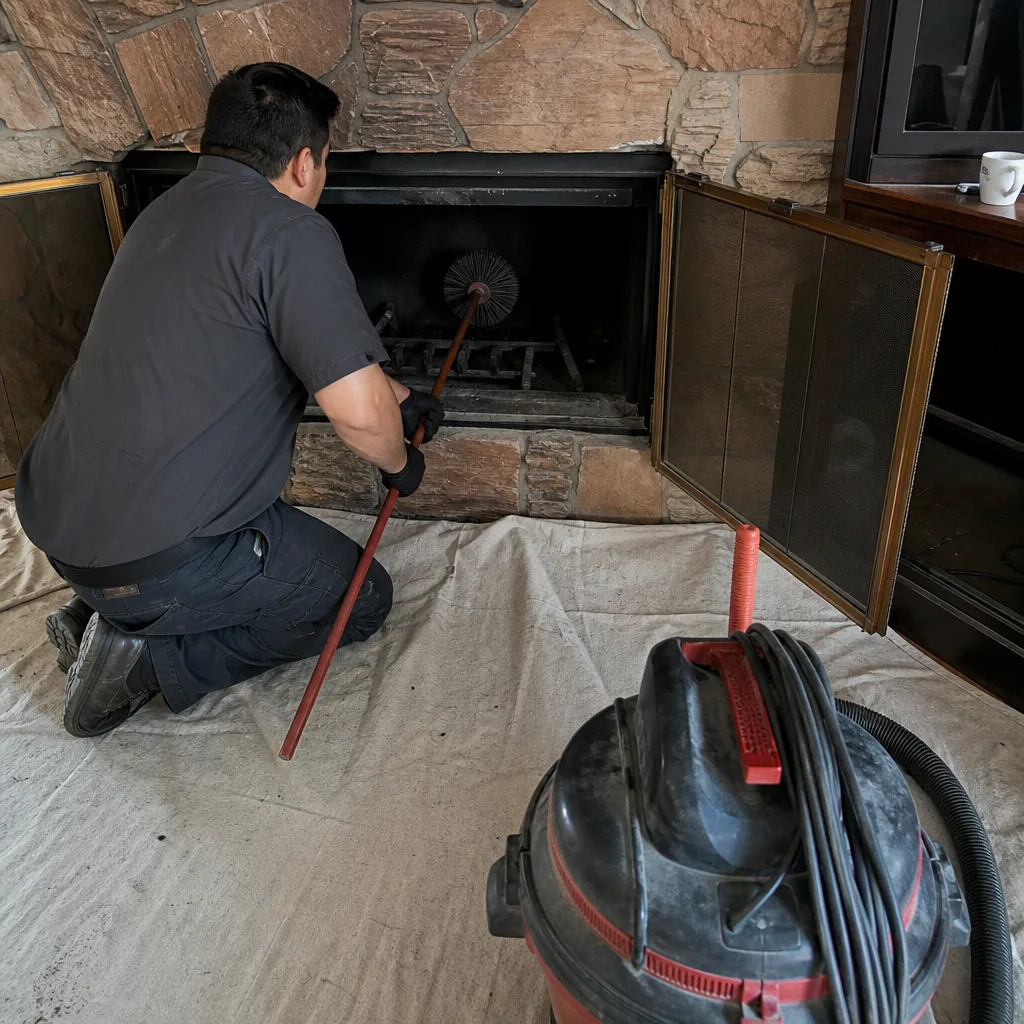
Level 1 sweep and inspection to the NFPA 211 annual standard - flue, crown, cap, and flashing checked and photographed
Chimney sweep logs do not sweep chimneys. They loosen some creosote - which then falls where a brush and vacuum still have to collect it.
Chimney Cleaning Cost Breakdown: The Lynwood Homeowner’s Reference for 2026
The $79 chimney sweep special exists to get a technician into your home. The national average for a complete chimney service including inspection runs three to five times that, and there’s a reason for every dollar. In Lynwood, where homes built between the 1940s and 1980s dominate the housing stock, fireplace and chimney configurations vary wildly, and so does the honest cost of maintaining them. This guide maps real 2026 pricing by service type so you can read a quote with confidence, not just accept one. By the time you finish, you’ll know exactly what a fair price looks like for a sweep, an inspection, a liner repair, and the restoration work most homeowners never see coming.
Quick Answer
A basic chimney sweep in Lynwood runs $150 to $250 in 2026. A sweep combined with a Level 1 inspection typically costs $200 to $350, while a Level 2 camera inspection adds another $150 to $400 depending on chimney height and access. Liner repairs start around $800, HeatShield restoration ranges from $2,500 to $5,000, and a full stainless relining job lands between $4,000 and $8,000. Most Lynwood homeowners should budget $250 to $450 for their annual cleaning and inspection, with structural work priced separately and only recommended with camera evidence you can see yourself.
Styles & brands we work with
- Sweep & inspection
- Caps & crowns
- Flue relining
- Masonry repair
- Gas fireplace service
Table of Contents
- What a Chimney Sweep Actually Costs in Lynwood
- Inspection Levels and What They Add to the Bill
- Why Lynwood Pricing Differs From National Averages
- Cost Comparison by Chimney Type
- Liner Repair, HeatShield, and Full Relining Costs
- How to Evaluate an On-Site Upsell in Three Steps
- What a Fair Base-Price Sweep Includes
- Common Mistakes to Avoid
- When to Call a Professional
- Frequently Asked Questions
What a Chimney Sweep Actually Costs in Lynwood
We’ll start with the number everyone asks about. In Lynwood, a straightforward chimney sweep for a wood-burning fireplace costs between $150 and $250 in 2026. That assumes a single-story home, standard masonry chimney, and no major creosote buildup. Two-story homes push the range to $200 to $300 because of ladder work and roof access. If you’re in a neighborhood like Lynwood Gardens or along State Street with older construction and tighter roof pitches, expect the higher end.
For a prefabricated metal chimney, the sweep itself runs $125 to $200. Gas fireplace servicing, which includes cleaning the glass, checking the burner, and inspecting the venting, typically costs $100 to $180. Dryer vent cleaning, which we handle as a separate service line, runs $89 to $149 in Lynwood and is the single most overlooked fire hazard in single-family homes.
Here’s what the line-item breakdown looks like for a typical masonry chimney sweep:
- Basic sweep (flue interior): $150 to $250
- Firebox cleaning and ash removal: included in base price
- Smoke chamber brushing: $30 to $60 when priced separately
- Chimney cap inspection: included, replacement priced separately
- Creosote treatment (glazed or heavy Stage 3 buildup): $75 to $150 additional
The base sweep should include the flue, firebox, and smoke chamber. If a company quotes you $79 and then adds “smoke chamber brushing” as a $60 line item on-site, you’re not getting a deal. You’re getting the same $150 service with different math. We price the sweep as a complete job from the first phone call because we know what a chimney needs before we arrive. That’s the difference between a specialist who sweeps daily and a coupon operation that’s really doing sales calls dressed as service visits.
For more detail on what a proper sweep involves, our Chimney Sweep in Lynwood page walks through the full process. The short version: a real sweep takes 45 to 90 minutes, uses rotary brushes and a HEPA vacuum, and ends with a visual inspection you can observe. If someone’s in and out in 20 minutes, you didn’t get swept. You got dusted.
Inspection Levels and What They Add to the Bill
An inspection is not a sweep, and conflating the two is how homeowners end up confused about what they paid for. The Chimney Safety Institute of America defines three inspection levels, and each has a distinct scope and price. In Lynwood, here’s what they cost in 2026:
- Level 1 inspection: $50 to $100 when bundled with a sweep. This covers accessible areas only: the flue interior you can see from the firebox, the exterior cap, and the visible masonry. It’s the standard addition to an annual cleaning.
- Level 2 inspection: $150 to $400 as a standalone service. Includes everything in Level 1 plus a video scan of the flue interior and access to attic, crawlspace, and roof areas. Required after a chimney fire, an earthquake event, a real estate transfer, or any change in fuel type.
- Level 3 inspection: $500 to $1,500 or more. Reserved for cases where hidden damage is suspected and requires removing portions of the chimney structure to access concealed areas. Rarely needed, but we quote it honestly when it is.
The camera in a Level 2 inspection is the single most important tool you’ll pay for. It sees what a flashlight can’t: cracked flue tiles, gaps in mortar joints, hidden blockages. We’ve pulled bird nests, tennis balls, and a surprising number of children’s toys out of Lynwood chimneys, none of which were visible from the firebox. If we recommend additional work after an inspection, we show you the footage. Not a description of the footage. The footage itself. Any company that recommends structural work without video evidence should be thanked for their time and sent on their way.
When you buy a home in Lynwood, even a recently flipped one, pay for the Level 2. The previous owner’s word that the fireplace “worked fine” is not a structural assessment. Flippers often paint over spalling brick or cover a rusted damper with a fresh coat, and none of that holds up to a camera scan.
Why Lynwood Pricing Differs From National Averages
If you’ve looked at national chimney sweep cost averages, you’ve seen numbers like $120 to $250 for a standard cleaning. Lynwood runs slightly higher, and it’s not because local companies are gouging. Three structural factors push our market above the national baseline.
First, labor. Lynwood sits inside the Los Angeles metro labor market, where skilled tradespeople command hourly rates closer to $35 to $65 than the $25 to $40 typical of national averages. A sweep company that pays minimum wage for roof work is a company with high turnover and inconsistent results. We’d rather charge a fair price and send the same experienced technician every year.
Second, roof access. Lynwood’s housing stock trends toward older single-story ranch and Spanish-style homes with tile or composition shingle roofs. Tile roofs in particular require more care and slower movement than asphalt shingles, which adds time to every rooftop component of the job. A sweep that takes 45 minutes on a shingle roof can run 75 minutes on clay tile, and that time is reflected in the quote.
Third, coastal material costs. We’re 15 miles inland, but Lynwood still draws from the same supply chain as the beach cities. Stainless steel liners, chimney caps, flashing, and sealants all arrive through LA ports and distribution networks, and logistics costs have not gone down since the supply disruptions of the mid-2020s. A DuraFlex stainless liner that cost $18 per foot in 2020 now runs $24 to $30 per foot, and that’s before installation labor. When your chimney needs structural work, you’re paying for materials that traveled through the same supply chain as every other LA-area trade.
Finally, there’s the age factor. Homes in central Lynwood built between 1940 and 1970 often have unlined masonry chimneys or clay tile liners that cracked decades ago. Building code requirements now mandate stainless steel liners for wood-burning appliances, which means a “simple” fireplace inspection frequently surfaces a liner that’s been out of compliance since the Clinton administration. Older homes cost more to make safe, and Lynwood has a lot of older homes.
Cost Comparison by Chimney Type
Not all chimneys price the same way, and the differences matter when you’re reading a quote. Here’s how the four main chimney types found in Lynwood homes compare in 2026:
- Masonry wood-burning fireplace: Most expensive to maintain. Brick and mortar degrade with weather and thermal cycling, clay tile liners crack, and full relining often becomes necessary by year 40 to 50 of a home’s life. Annual sweep plus Level 1: $250 to $400. Structural repairs: $500 to $8,000 depending on scope.
- Prefabricated metal fireplace: Cheaper to sweep but harder to repair. The metal flue and firebox are factory-built systems that can’t be patched like masonry. When they fail, the fix is usually partial or full replacement. Annual service: $150 to $250. Replacement: $2,500 to $6,000.
- Gas insert or gas log set: Lowest annual cost but not maintenance-free. Soot, dust, and spider nests in the burner or venting can cause poor combustion and carbon monoxide issues. Annual service: $100 to $180. Venting repair: $200 to $800.
- Outdoor fireplace or chimney: Common in newer Lynwood builds and patio renovations. Exposed to weather year-round, so flashing and crown deterioration happen faster. Annual sweep: $175 to $300. Repairs run 20 to 30 percent higher than indoor masonry because of exposure-related damage patterns.
The prefab category deserves extra attention from Lynwood homeowners. Homes built during the 1980s and 1990s construction boom in nearby Bellflower and Downey often used prefabricated fireplaces, and many of those units are now 30 to 40 years old, which is the outer edge of their service life. If your Lynwood home has a metal firebox with a label plate from a manufacturer you’ve never heard of, treat any inspection finding seriously. A cracked prefab firebox is not repairable. It’s replaceable, and that’s a $3,000 to $6,000 conversation.
Liner Repair, HeatShield, and Full Relining Costs
Here’s the section that separates a sweep from a specialist. When an inspection surfaces flue liner damage, you have three options, and they’re not created equal in cost or outcome.
Option 1: HeatShield Restoration ($2,500 to $5,000)
HeatShield is a cerfractory sealant system that repairs cracked clay tile liners from the inside without demolition. It’s applied through a series of foam applicators that coat the flue walls, filling gaps and restoring a continuous, insulated surface. The cost depends on flue height, the number of flues, and the extent of damage, but most Lynwood homes with single-flue chimneys fall in the $2,500 to $4,000 range. Triple-flue chimneys or long commercial-style flues can run to $5,000.
The advantage is obvious: you’re repairing the liner you have rather than paying for a full stainless replacement. We push HeatShield before we recommend full relining because repair beats replacement when repair is the right answer. We’re certified in the HeatShield system because we’ve seen too many homeowners quoted $7,000 for a full reline when a $3,500 restoration would have restored the chimney to safe operating condition for decades.
Option 2: Stainless Steel Relining ($4,000 to $8,000)
When the existing clay liner is too far gone for restoration, or when the chimney never had a proper liner to begin with, a stainless liner is the answer. In Lynwood, a standard single-flue DuraFlex liner installation runs $4,000 to $6,000. Taller chimneys, multi-story homes, and difficult roof access push the upper range to $8,000.
DuraFlex is our liner of choice for older and non-standard chimneys because it’s flexible enough to navigate offsets and irregular flue paths that rigid liners can’t accommodate. Many Lynwood homes built before 1960 have chimneys with slight bends or mortar buildup that would make a rigid stainless liner impossible to install without partial demolition. The flex system solves that problem without tearing into your wall.
Option 3: Clay Tile Replacement ($3,000 to $7,000)
Replacing cracked clay tiles with new clay tiles is possible but increasingly rare as a recommendation, because the labor costs approach those of stainless while delivering a less durable result. Clay tiles crack again under the same thermal stress that cracked the originals. Stainless and HeatShield both outperform clay in cycling tolerance. Most reputable Lynwood chimney companies now steer toward HeatShield or stainless for exactly this reason.
Additional Structural Work
Liner work often surfaces adjacent problems:
- Crown repair or rebuild: $800 to $2,500. The crown is the concrete cap at the top of the chimney. In Lynwood’s wet winters and hot summers, crowns crack within 10 to 15 years of original construction, letting water into the masonry below.
- Tuckpointing and masonry repair: $500 to $3,000 depending on brick surface area and mortar condition.
- Chimney cap replacement: $150 to $600 for a standard stainless cap, more for custom sizes or multi-flue caps. We stock and install Famco and Copperfield caps because they outlast the cheap galvanized versions by a decade or more.
The sequence matters. We inspect first, sweep second, and recommend structural work third. A chimney that’s never been cleaned can hide liner damage under a quarter inch of creosote, and any structural recommendation made before the flue is clean is a guess wearing a quote as a costume. That’s why our Chimney Repair in Lynwood page emphasizes camera-first diagnosis. No footage, no work order.
How to Evaluate an On-Site Upsell in Three Steps
The on-site upsell is the moment every Lynwood homeowner dreads, and for good reason. A technician quotes $149, arrives at your door, and 45 minutes later you’re looking at a $3,000 work order. Some of those work orders are legitimate. Some are not. Here’s how to tell the difference in three questions.
- “Can you show me the video?” Any structural recommendation, whether it’s a liner replacement, crown rebuild, or masonry repair, should be backed by camera footage. A Level 2 camera scan takes 10 minutes and produces a permanent visual record. If the technician can’t show you video of the exact problem they’re describing, you don’t have a diagnosis. You have a sales pitch.
- “Can this wait until next season?” A cracked crown or deteriorating mortar joint is a real problem, but it’s usually not an emergency. Most masonry repairs can safely wait months without creating additional risk, as long as you stop using the fireplace. Stage 3 creosote buildup, on the other hand, is a fire hazard that should be addressed immediately. A fair technician will tell you which category your issue falls into and why. “We can schedule this next month” is the third sentence an honest contractor says. “You need to sign today for the discount” is the first sentence a commission-based operation uses.
- “What happens if I don’t do this work?” The answer should be specific. “Your liner has a gap at the 12-foot mark, which means heat and gases can reach the brick and mortar, and over time that weakens the chimney and could allow chimney fire to spread into the attic.” That’s a real answer. “Well, you’ll have problems” is not. A technician who can’t explain the consequence of inaction doesn’t understand the problem well enough to fix it.
We’ve been called in to second-opinion dozens of chimneys in Lynwood where the previous company recommended $5,000 of work based on a flashlight inspection and a photo of some soot. A few of those chimneys needed the work. Most didn’t. The pattern we see again and again: legitimate structural issues exist in older Lynwood homes, but the honest response is a documented diagnosis and a repair timeline, not a pressure close. If a technician won’t let you see the problem with your own eyes, that’s your answer about whether the problem exists.
What a Fair Base-Price Sweep Includes
Let’s get specific about what your $200 Lynnwood sweep should buy. This list exists because too many Lynwood homeowners don’t know what questions to ask when they book, and they end up paying for the same service twice under different line-item names.
A fair base-price sweep includes:
- Complete flue cleaning using rotary brushes sized to your flue, not a wire brush that bounces around and misses the corners
- Firebox cleaning including ash removal and surface brushing
- Smoke chamber cleaning where accessible from the firebox
- Damper check with confirmation it opens and closes properly
- Visual Level 1 inspection of the flue interior, firebox, damper, and exterior chimney where visible from the ground
- HEPA vacuum containment so the soot stays in the chimney and not on your furniture
- Drop cloths and shoe covers as standard practice
A fair sweep does not include:
- Camera inspection (Level 2), which is a separate paid service
- Structural repair of any kind, which should be quoted separately with video evidence
- Rooftop access beyond what the sweep requires without discussion
- Creosote removal beyond the standard sweep for Stage 3 glazed creosote, which requires chemical treatment and additional labor
The key line: if a company itemizes “smoke chamber brushing” as an add-on, they’re charging you for part of the sweep. We built our pricing on the complete job because we know what a chimney needs before we arrive. When you call for a Chimney Sweep Lynwood home service, the quote you get is the price you pay, and the scope covers what a real sweep covers.
Common Mistakes to Avoid
- Buying the $79 special. The discount sweep exists to generate a truck roll. The technician is incentivized to find additional work on-site, and when the base price doesn’t cover the labor cost of the visit, the upselling is structural, not optional. In Lynwood, a fair sweep starts at $150. If you’re paying less, someone’s losing money, and it isn’t the company.
- Skipping the inspection to save money. A sweep without an inspection is a cleaning service, not a safety assessment. The inspection is the part that tells you whether your chimney is safe to use. Skipping it to save $75 is like changing your car’s oil but never checking the brakes.
- Accepting a structural recommendation without video. This bears repeating because it happens constantly. No footage, no work order. A legitimate chimney company in Lynwood has invested in camera equipment precisely because it makes their recommendations undeniable. Companies that won’t show video are companies that can’t.
- Ignoring the dryer vent. Dryer vent fires are one of the leading causes of residential house fires, and they have nothing to do with your fireplace. Lynwood homes with long interior dryer runs through walls and attics are especially at risk. We offer Dryer Vent Cleaning in Lynwood alongside chimney work because the fire hazard in your laundry room deserves the same attention as the one in your fireplace.
- Waiting until burning season to book. Every Lynwood chimney company is slammed from October through January. If you book in August or September, you’ll get better scheduling, more attention, and often a slightly lower rate because demand hasn’t peaked
- Using the fireplace after a known problem. If an inspection flags Stage 3 creosote, a cracked liner, or a damaged crown, the fireplace is out of service until repairs are made. Burning through a known hazard doesn’t just risk a chimney fire. It risks the house. The fireplace will still be there after the repair.
- Assuming a gas fireplace needs no maintenance. Gas logs and inserts build up soot, dust, and cobwebs in the burner ports and venting, which degrades combustion and can produce carbon monoxide. Annual service for a gas unit costs less than a tank of gas and takes 30 minutes. Skip it at your own risk.
When to Call a Professional
If you’ve never had your Lynwood chimney inspected, call now, regardless of when you last used the fireplace. For preparation tips, see our Chimney Cleaning Emergency Preparedness Guide for Lynwood Homes. If you’ve used it for more than one season without a sweep, call now. If you smell smoke in the house after the fire is out, see black staining on the walls above the fireplace opening, or notice water in the firebox after rain, do not use the fireplace until it’s been inspected. These are signs of drafting problems, liner damage, or crown failure, and they don’t resolve themselves. If you’re buying a home in Lynwood, schedule a Level 2 inspection before close. It’s a $400 expense that can reveal a $5,000 repair, and that information belongs in your negotiation, not in your surprise budget after closing.
Chimney Sweep Lynwood offers free estimates throughout Lynwood and the surrounding area. Call (855) 916-8513 and we’ll give you an honest assessment of what your chimney needs, backed by camera footage you can see for yourself.
Frequently Asked Questions
A chimney sweep in Lynwood costs $150 to $250 for a standard single-story masonry fireplace in 2026, with two-story homes running $200 to $300. A sweep bundled with a Level 1 inspection totals $200 to $350. These prices reflect the Los Angeles metro labor market and the older housing stock common in Lynwood. Call (855) 916-8513 for an exact quote on your specific chimney – estimates are free.
The National Fire Protection Association recommends annual inspection and cleaning as needed, and for wood-burning fireplaces used regularly, that means a sweep every cord of wood burned or at least once per year. Gas fireplaces can go two to three years between services, but an annual visual check costs little and catches problems early. In Lynwood, where seasonal burning is common from November through February, we recommend an annual sweep in late summer or early fall, before the season starts.
Not necessarily. Cracked clay tile liners can often be restored using HeatShield, a cerfractory sealant that repairs the flue from the inside at roughly half the cost of full stainless relining. A full reline is only necessary when the existing liner is severely deteriorated or missing entirely. We always recommend HeatShield restoration before full relining, because repair beats replacement when repair is the right answer. The only way to know which option applies to your chimney is a camera inspection.
Creosote, a tar-like byproduct of wood combustion, builds up on the flue walls with every fire. At Stage 3, it becomes a hard, glazed coating that can ignite at temperatures reached during a normal fire, causing a chimney fire that can reach 2,000 degrees Fahrenheit. That heat cracks flue tiles, ignites nearby framing, and spreads fire into the attic and walls. The annual sweep costs $200. The house fire costs everything. The math is not complicated.
The advertised price is real. The service is usually incomplete. Discount sweep companies in the LA area price below cost to get a technician in the door, then rely on on-site upselling to reach profitability. Some of that upselling identifies real problems, but homeowners have no way to distinguish legitimate findings from invented ones without video evidence. A fair company prices the sweep honestly and shows you video before recommending any additional work.
Structural chimney work, including liner replacement and significant masonry repair, generally requires a city building permit in Lynwood. Our Chimney Cleaning Permits, Codes & Inspections in CA: What You Need to Know breaks down the requirements. A routine sweep and inspection does not. The permit process adds time and cost to structural repairs, which is one more reason to get a documented diagnosis before work begins. A reputable Lynwood chimney company will handle the permitting for permitted work rather than asking you to navigate the city’s building department alone.
The Bottom Line
Chimney cleaning in Lynwood costs between $150 and $450 for the annual service most homes need, with structural repairs priced separately and only after camera-backed diagnosis. The opacity in LA-area chimney pricing comes from a structural split between discount operators who price below cost and upsell aggressively on-site, and specialist companies who charge a fair rate for a complete job. You should expect to pay for a real sweep, a documented inspection, and any legitimate repairs that inspection surfaces. You should never pay for work you haven’t seen with your own eyes. Call (855) 916-8513 for a free estimate and we’ll show you exactly what your Lynwood chimney needs, nothing more and nothing less.
Written by the team at Chimney Sweep Lynwood, serving Lynwood since 2017.
See the difference
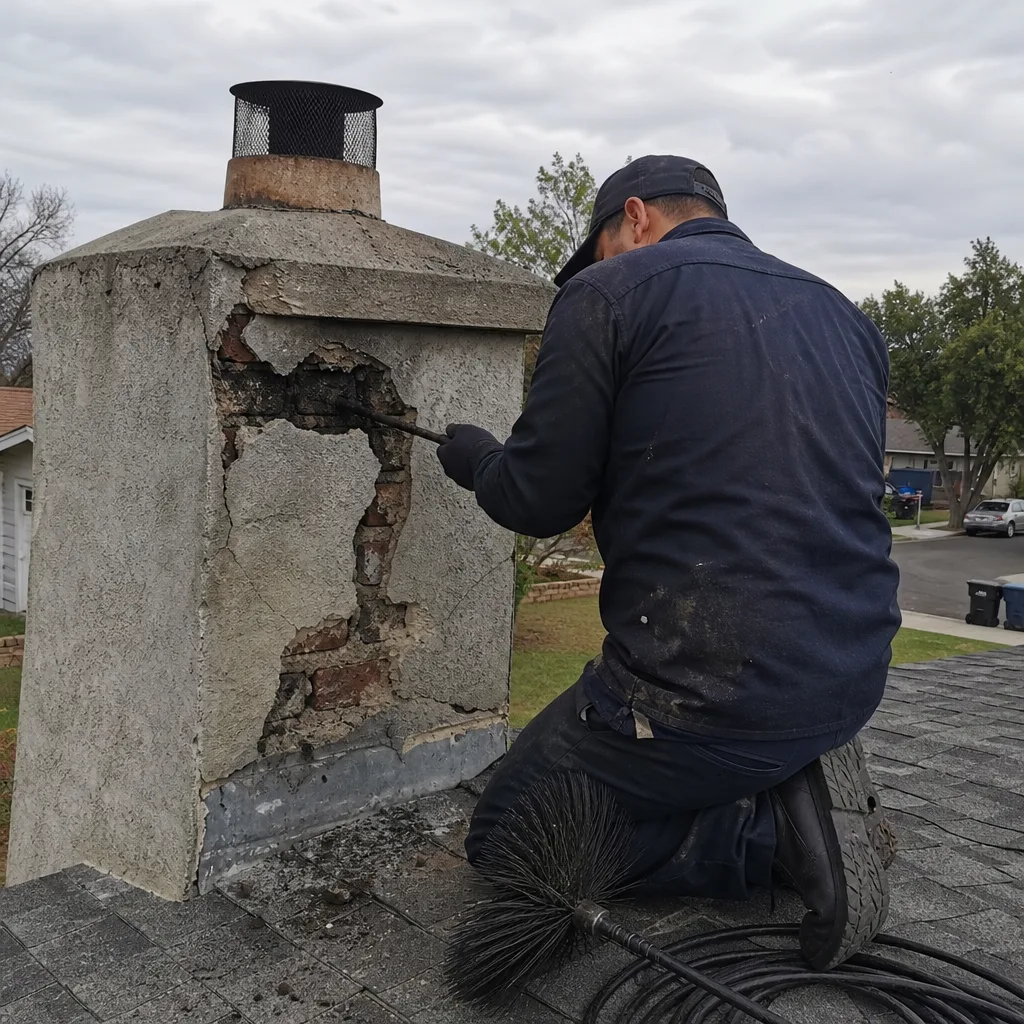 Before
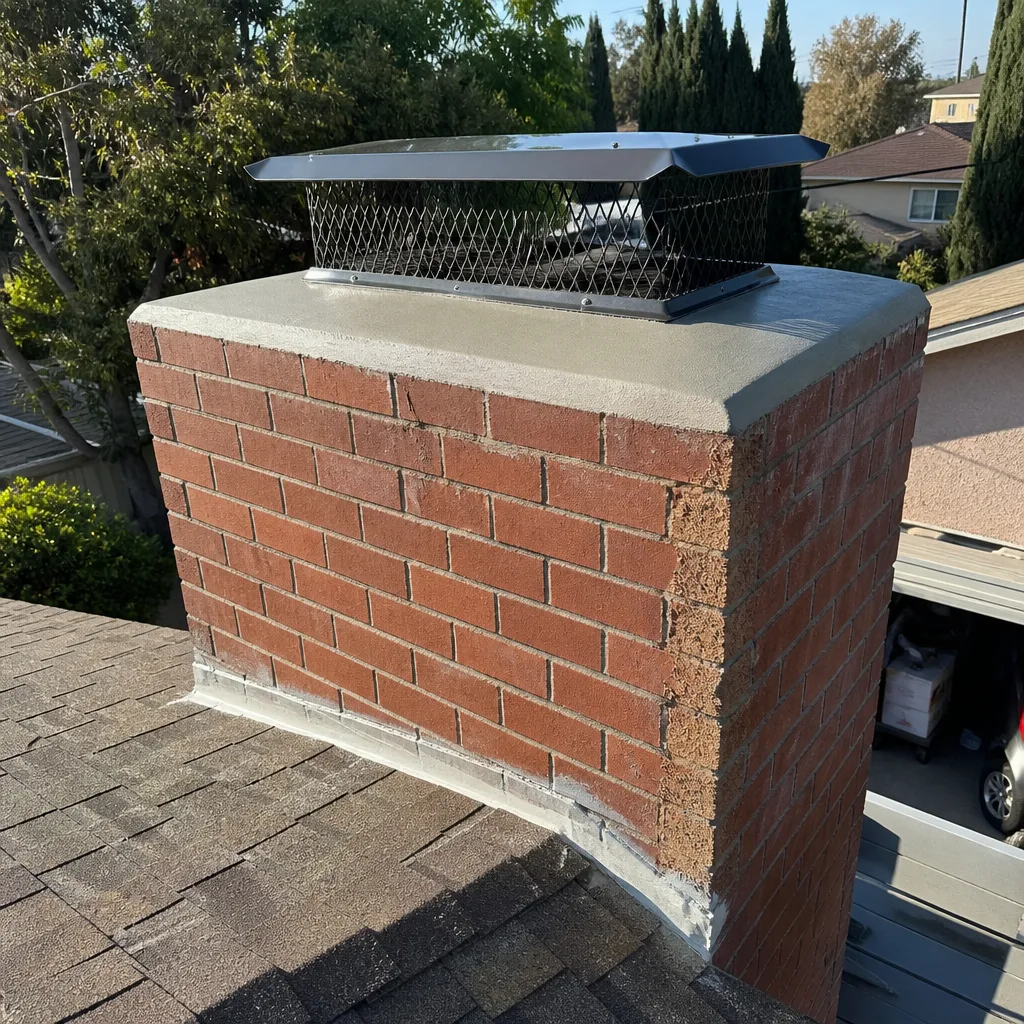 After
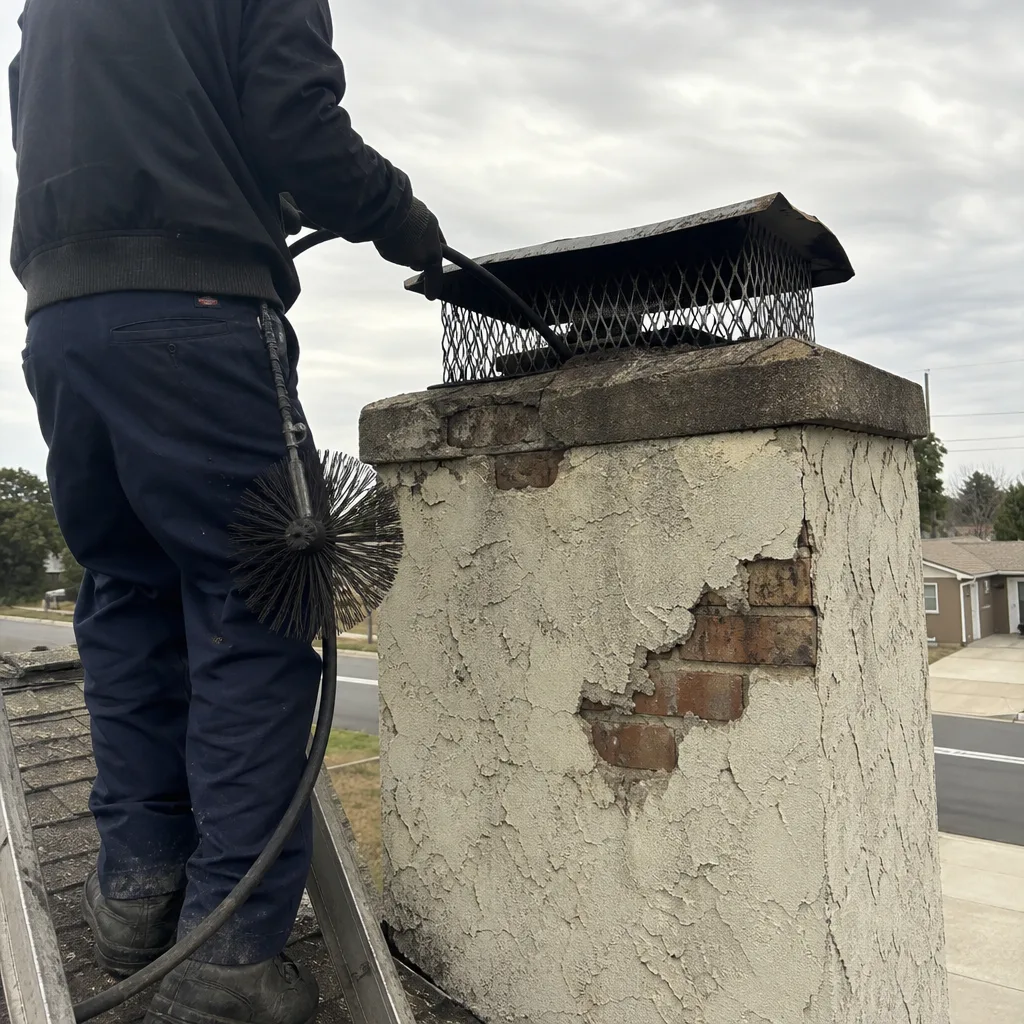 Before
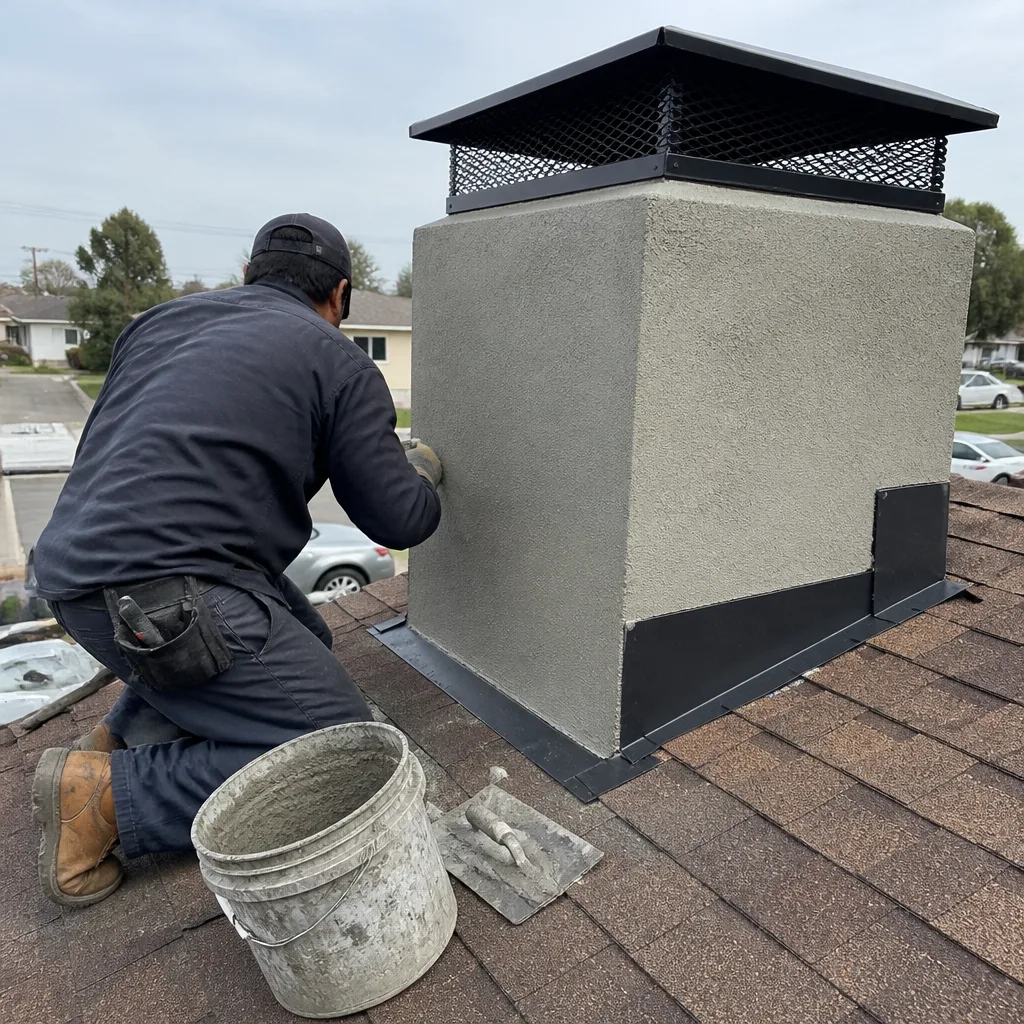 After
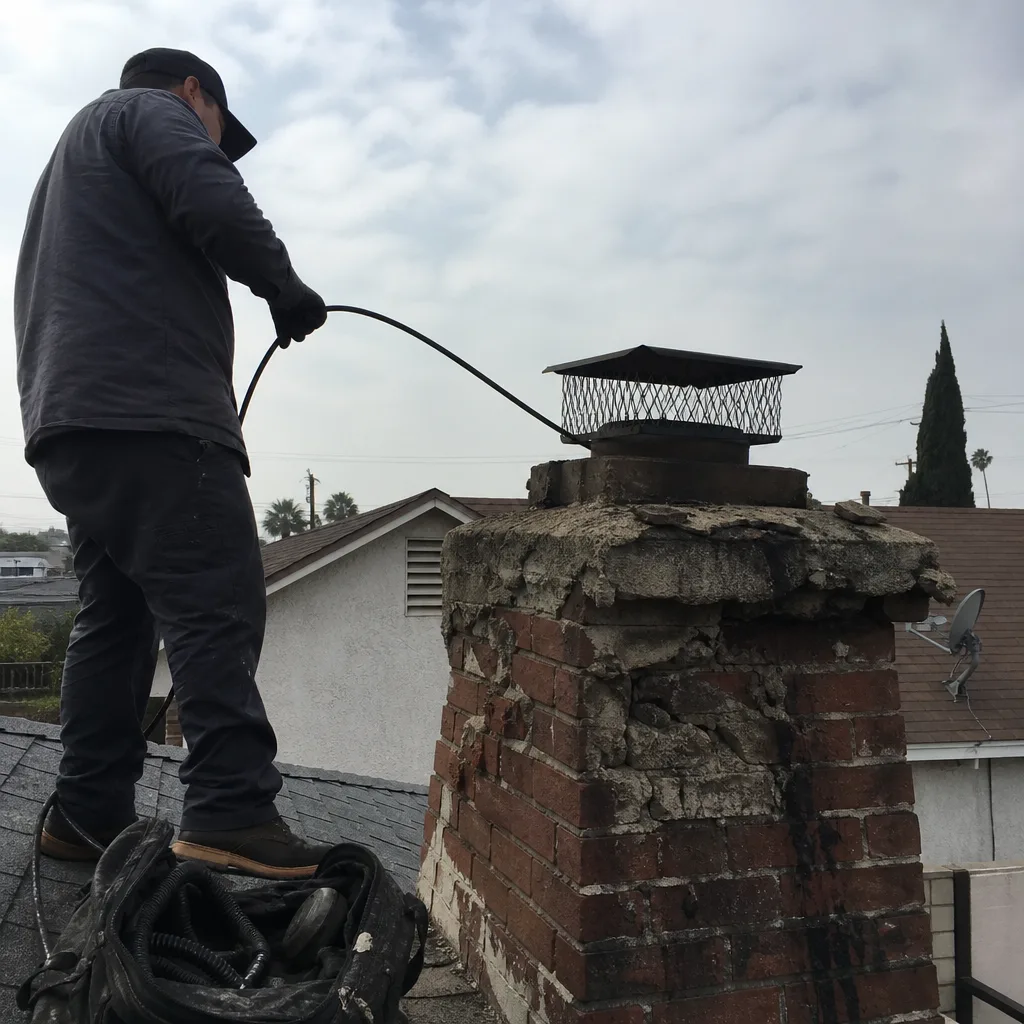 Before
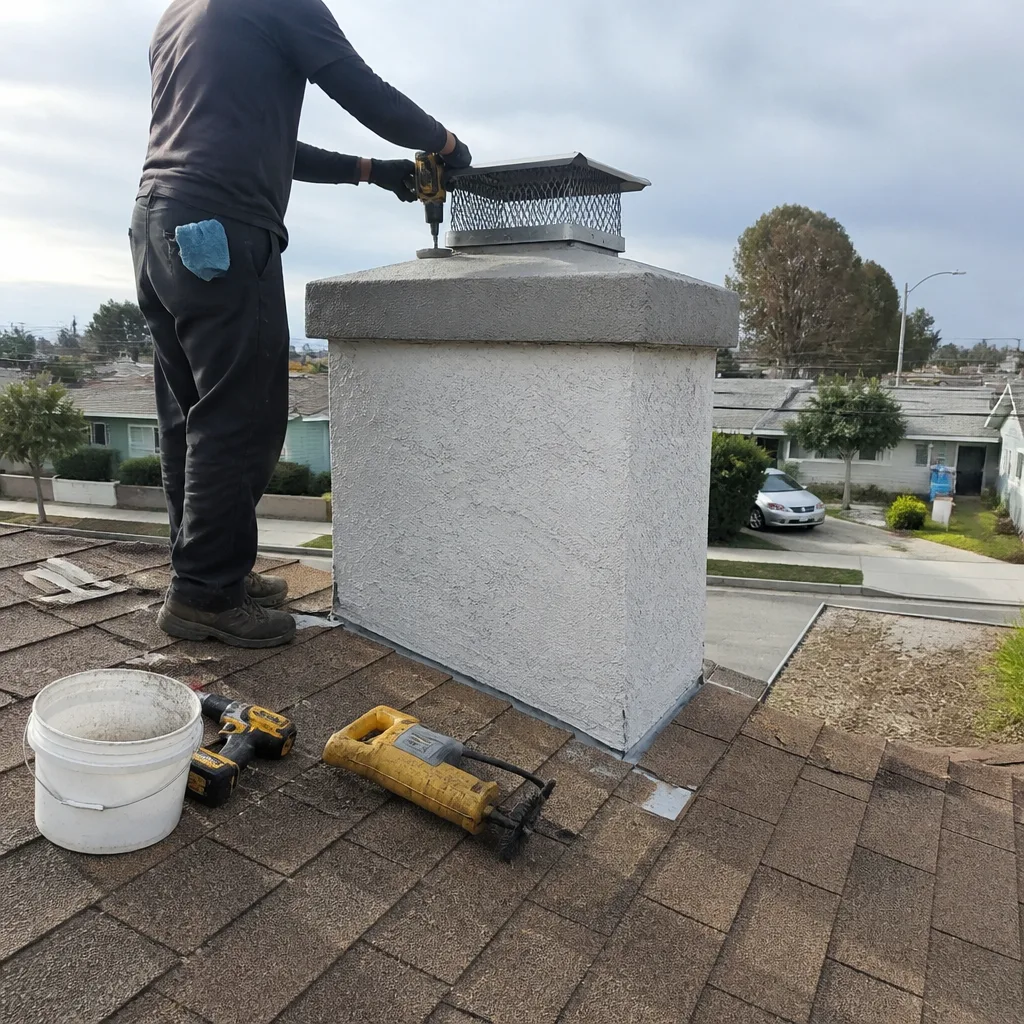 After