
Last updated November 2, 2026
 Sweep & inspection
 Caps & crowns
 Flue relining
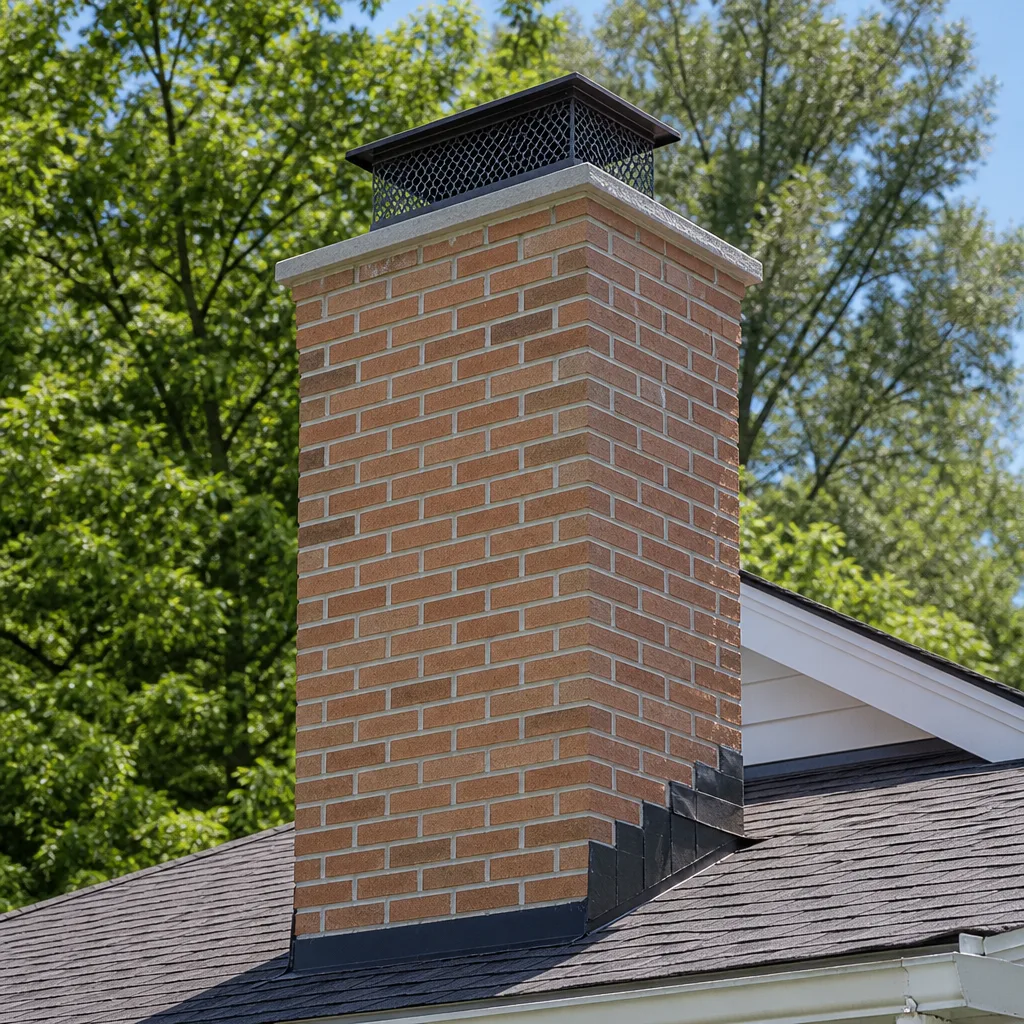 Masonry repair
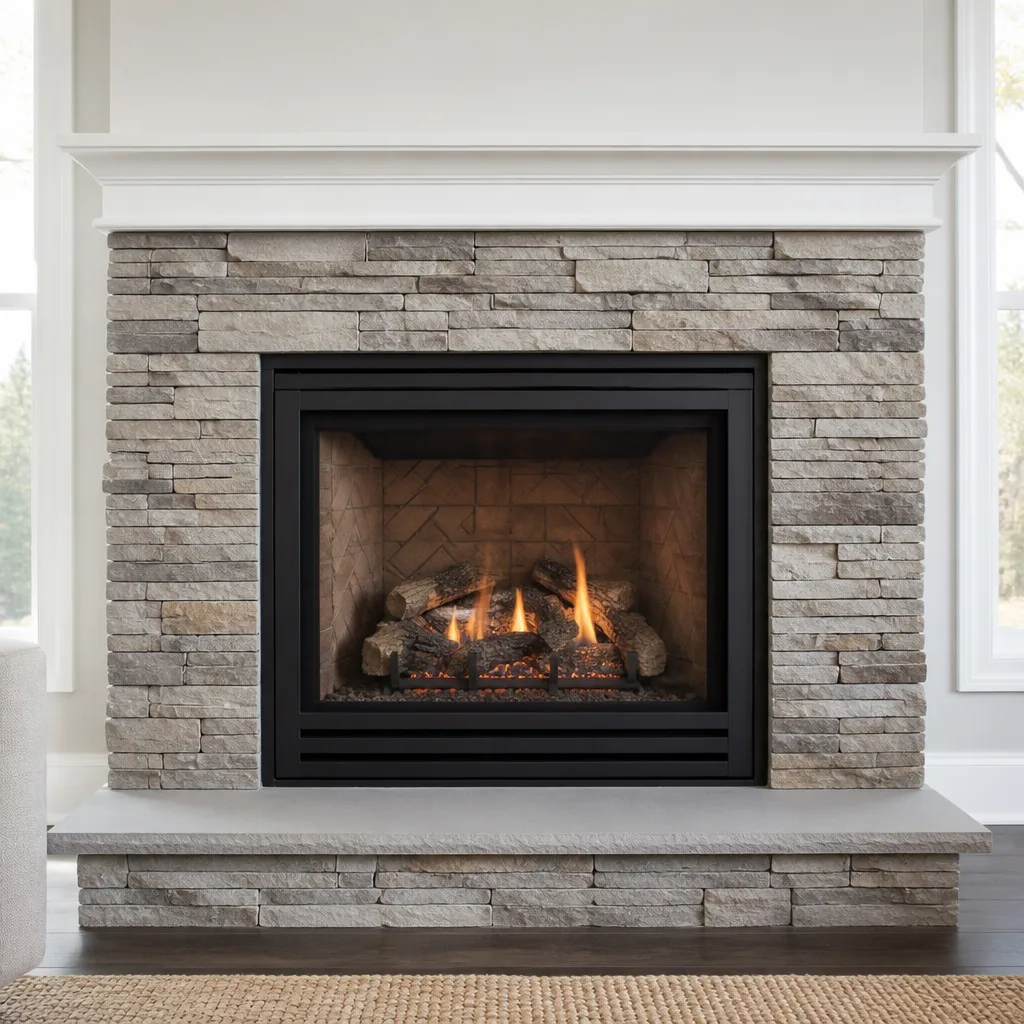 Gas fireplace service
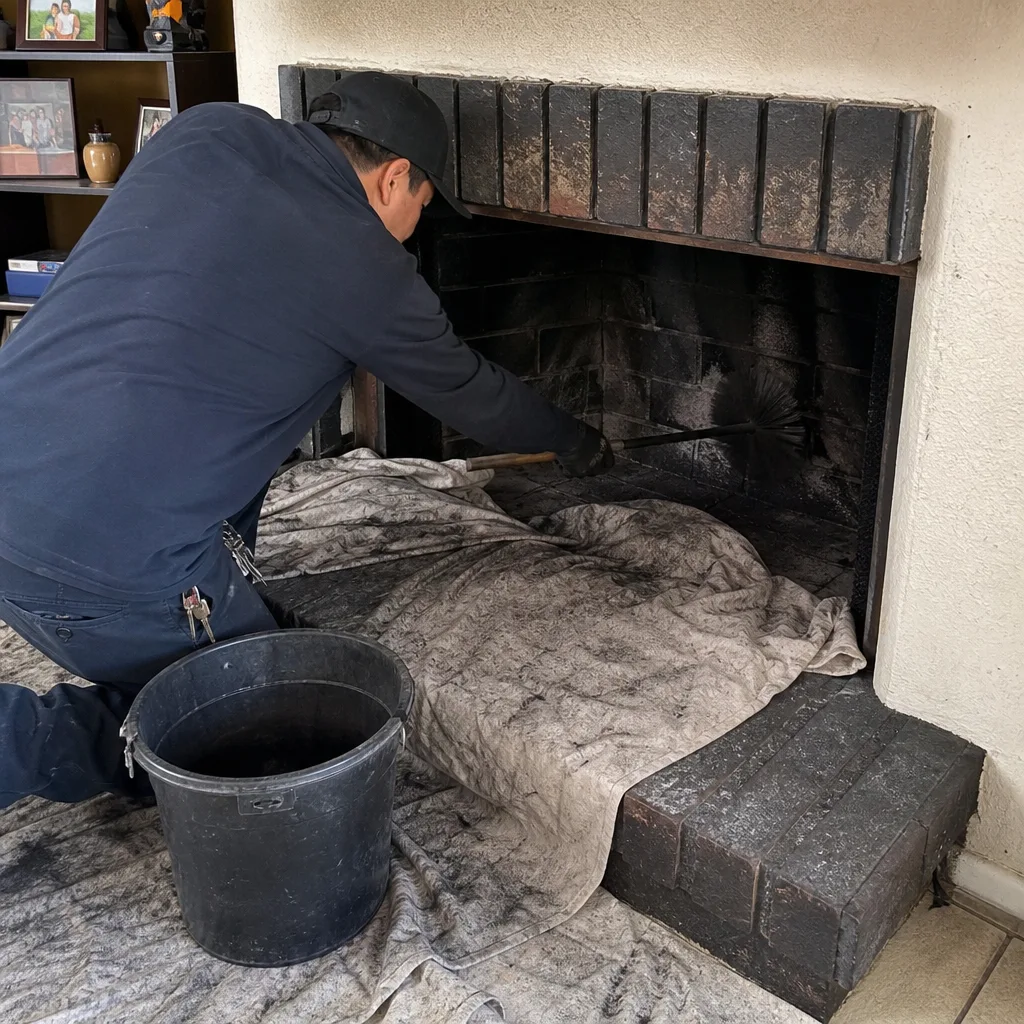
Level 1 sweep and inspection to the NFPA 211 annual standard - flue, crown, cap, and flashing checked and photographed
Chimney sweep logs do not sweep chimneys. They loosen some creosote - which then falls where a brush and vacuum still have to collect it.
Chimney Cleaning Emergency Preparedness Guide for Lynwood Homes
A chimney fire can reach 2,000°F and burn for minutes before anyone in the house notices. In Lynwood’s dry climate, the surrounding structural wood is already under stress before a spark ever reaches it. We wrote this guide because most homeowners in this city have never thought through what actually happens when a chimney emergency strikes, and the first ten minutes matter more than anything you’ll do afterward. By the time you finish reading, you’ll know how to recognize a chimney fire while it’s happening, what to do in the first 24 hours after one, how carbon monoxide presents differently in Lynwood’s indoor climate than in colder regions, and the pre-season steps that reduce your emergency risk to near zero.
Quick Answer
Chimney emergency preparedness in Lynwood means knowing three things: how to identify a chimney fire in progress (a loud cracking or popping sound, dense smoke, an intense hot smell, or visible flames from the chimney top), how to respond in the correct sequence (call 911, evacuate, shut the damper if you can reach it safely, and never attempt to extinguish it yourself), and how to prevent emergencies before they start through annual sweeps and inspections that catch creosote buildup, blockages, and liner damage before they become hazards. A preparedness plan built on these three pillars turns a potentially catastrophic event into a manageable, survivable one.
Styles & brands we work with
- Sweep & inspection
- Caps & crowns
- Flue relining
- Masonry repair
- Gas fireplace service
Table of Contents
- Recognizing a Chimney Fire in Progress: The Sounds, Smells, and Signs
- The Immediate Response Sequence: What to Do in the First Five Minutes
- The First 24 Hours After a Chimney Fire: What to Preserve and What Not to Disturb
- Carbon Monoxide Risk in Lynwood’s Warmer Indoor Climate: Gas Insert Hazards
- When a Blocked Flue Is the Emergency: Different Problem, Different Response
- Pre-Season Preparedness: Steps to Take Before Lynwood’s Fire Season
- Building a Chimney Emergency Kit for Your Lynwood Home
- Common Mistakes to Avoid
- When to Call a Professional
- Frequently Asked Questions
Recognizing a Chimney Fire in Progress: The Sounds, Smells, and Signs
A chimney fire doesn’t announce itself politely. It sounds like a freight train, a low rumbling roar, or loud popping and cracking coming from the flue. Some homeowners describe it as the sound of heavy rain hitting a tin roof, but coming from inside the walls. If you hear that noise and you have a fire burning in the fireplace or stove, you’re likely experiencing a chimney fire, not just a strong draft.
The smell is different from normal wood smoke. A chimney fire produces an intense, acrid, hot smell that some people compare to burning tar or a welding torch. It’s sharp and chemical, not the cozy woodsmoke scent you’re used to. You may also see dense, dark smoke billowing from the chimney top, and in a well-developed chimney fire, visible flames or sparks shooting out the top like a flare.
What’s actually burning in most Lynwood chimney fires is creosote. Creosote is the black or brown residue that condenses on your flue walls when wood smoke cools. It’s highly flammable, and in its glazed, tar-like third-stage form, it burns at temperatures that can crack flue tiles, warp metal liners, and ignite surrounding framing. In our experience inspecting chimneys across Lynwood, we regularly find third-stage creosote in chimneys that haven’t been swept in two or more heavy-use seasons. The dry air here doesn’t reduce creosote accumulation; it just makes the structural wood around the chimney easier to ignite once a fire escapes the flue.
Three Stages of Creosote and What They Mean for Emergency Risk
- Stage One: Flaky, sooty residue that brushes off easily. Low ignition risk but a sign you’re overdue for a sweep.
- Stage Two: Crunchy, tar-like flakes that require mechanical scraping. Moderate ignition risk. A hot fire can ignite this layer quickly.
- Stage Three: Glazed, shiny, rock-hard creosote that forms a thick coating. This is what chimney fires feed on. It burns long and hot, and it’s the reason many Lynwood chimney repairs require liner restoration rather than a simple sweep.
Knowing the difference matters because it tells you what you’re dealing with in an emergency. A Stage One chimney fire may burn out on its own in a minute or two. A Stage Three fire can burn for ten minutes or more and reach temperatures that compromise the flue permanently. Either way, the response is the same: treat every chimney fire as a structure fire until proven otherwise.
The Immediate Response Sequence: What to Do in the First Five Minutes
Your actions in the first five minutes of a chimney fire determine whether it stays contained or spreads into the structure. Here’s the sequence, in order. Memorize it. When adrenaline hits, you won’t have time to look anything up.
- Get everyone out of the house. This is not negotiable. A chimney fire can breach the flue and enter the attic or walls without any visual cue from inside the living space. Evacuate first, call 911 from outside or from a neighbor’s phone.
- Call 911. Tell the dispatcher you have a chimney fire. This is not a “wait and see” situation. Lynwood Fire Department responds to chimney fire calls, and they’d rather arrive to find the fire already out than arrive twenty minutes after it entered the attic.
- If you can reach the damper safely and the firebox is accessible, close the damper. This cuts off the air supply to the fire and can slow it down. But do this only if you’re not putting yourself at risk. If flames are visible in the firebox or the heat is intense, leave it. Your life is worth more than your house.
- Do not attempt to extinguish the chimney fire with water. Water hitting a hot flue can cause thermal shock that shatters flue tiles and makes the structural damage worse. A chimney fire needs to burn itself out or be handled by firefighters with the right equipment.
- Close any doors between the room with the fireplace and the rest of the house. This slows smoke spread if the fire breaches the firebox or flue.
- Do not go back inside for any reason until the fire department clears the structure. Carbon monoxide and structural compromise are invisible killers in the aftermath of a chimney fire.
One thing we hear often from Lynwood homeowners after a chimney fire: “It sounded so much worse than it looked.” That’s the danger. What’s happening inside the flue is invisible. The brick or chase exterior can contain a 2,000°F fire long enough for it to transfer heat into the surrounding framing, and by the time you see flames in the living room, the structure has already been burning for minutes. Treat the sound as the warning it is. Don’t wait for visual confirmation.
The First 24 Hours After a Chimney Fire: What to Preserve and What Not to Disturb
The fire department has left. You’re shaken. The house is still standing. What you do in the next 24 hours matters more than most people realize, not just for your safety but for the viability of any insurance claim and the accuracy of the damage assessment.
First, do not use the fireplace or any connected appliance. No fires, no gas logs, nothing. The flue has been compromised at an unknown level, and even a small fire in a damaged flue can release carbon monoxide directly into the home. This is the single most common mistake we see after chimney fires: homeowners light a fire a few days later “just to test it.” Don’t.
Second, document everything before you clean anything. Take photos of the firebox, the damper, the chimney cap if you can see it from the ground, and any smoke staining on walls or ceilings. Your insurance company will want visual evidence, and so will any chimney specialist you hire. Don’t sweep out ash or creosote debris. Don’t scrub smoke stains off the mantel. That material is evidence, and disturbing it can complicate your claim and make an accurate damage assessment harder.
Third, keep windows closed if you can tolerate it. The odor of a chimney fire is strong, and the instinct is to air the house out. But if you’re filing an insurance claim, the odor is part of the documented damage. Opening windows doesn’t destroy evidence the way cleaning does, but it reduces the intensity of what an adjuster or inspector can detect. Better to let the smell sit for a day while you document the condition of the home.
Fourth, preserve the area around the fireplace as-is. Don’t move furniture, don’t vacuum the hearth, don’t pull the damper open and closed to “check” it. If the damper was closed during the fire, leave it in that position. A Chimney Repair in Lynwood specialist needs to see the system in its post-fire condition, and the position of the damper is forensic information. It tells us whether the fire was starved of air or had a full air supply, which affects how hot it burned and what damage we should look for.
In our experience as a specialist chimney and venting company that carries professional-grade products from Olympia Chimney, Famco, Copperfield, and DuraFlex, the difference between a repairable chimney fire and a full rebuild often comes down to the first 24 hours. Homeowners who preserve the scene give us the information we need to recommend repair-first solutions like HeatShield liner restoration instead of defaulting to a full relining job.
Carbon Monoxide Risk in Lynwood’s Warmer Indoor Climate: Gas Insert Hazards
Here’s a truth most chimney emergency guides miss: carbon monoxide poisoning presents differently in Lynwood than it does in Minneapolis. In cold climates, CO exposure usually happens when a furnace or fireplace runs constantly during winter, and symptoms build over days of exposure. People notice headaches, nausea, and fatigue, but they attribute it to the flu or poor sleep. In Lynwood’s warmer indoor climate, you’re less likely to run a gas fireplace continuously, which means CO exposure often happens in shorter, sharper episodes, and the symptoms can be misread as something else entirely.
Gas fireplace inserts are the primary CO risk in Lynwood homes. A gas insert with a blocked or damaged vent produces carbon monoxide that can accumulate quickly in a sealed room. Because Lynwood homes are often built to stay cool, with tighter sealing and less natural ventilation than older cold-climate homes, CO doesn’t dissipate as readily. Symptoms to watch for: sudden headache that clears when you leave the room, dizziness, nausea, or a metallic taste in the mouth. These can appear within 30 minutes of exposure and fade when you step outside. That pattern, symptoms that appear and fade based on where you are in the house, is a classic CO signature that many people miss because they’re not expecting CO poisoning in a warm climate.
What to do if you suspect CO exposure from a gas insert is straightforward: get everyone outside immediately, call 911, and do not go back in until the fire department has metered the house. Do not open windows and “air it out” first. The fire department needs to see the CO levels as they are, and those readings help them locate the source. After the emergency is resolved, have a qualified chimney and venting specialist inspect the gas insert venting. The issue is often a blocked or disconnected vent pipe, a damaged liner, or a vent configuration that doesn’t meet Chimney Cleaning Permits, Codes & Inspections in CA: What You Need to Know. These are repairable, but only if a specialist actually looks at the venting path, not just the firebox.
When a Blocked Flue Is the Emergency: Different Problem, Different Response
Not every chimney emergency involves fire. A blocked flue creates a different kind of danger, and the way you respond to it should be different too.
A flue can be blocked by animal nesting (birds, squirrels, raccoons), fallen debris from a deteriorated masonry crown, a collapsed clay liner, or accumulated creosote so thick it restricts airflow. In Lynwood, we see a lot of bird and squirrel nesting in chimneys, especially in older homes with uncapped flues. The danger from a blockage isn’t fire; it’s smoke and carbon monoxide backing up into the living space.
How you know you have a blocked flue: smoke doesn’t draw up the chimney, it rolls back into the room. You may also notice a persistent damp smell from the firebox, or see animal droppings or nesting material falling into the fireplace. If you light a fire and the room fills with smoke in minutes, you have a blockage, and you should extinguish the fire and stop using the chimney.
The response to a blockage is different from a chimney fire response in one key way: don’t call 911 first. Call a chimney professional. A blockage isn’t an active emergency unless carbon monoxide is involved, but it becomes one the moment someone lights another fire in a blocked flue. Here’s the sequence:
- Extinguish the fire if one is burning. Close the damper if possible.
- Open windows to ventilate the room. Unlike a chimney fire, a smoke backup doesn’t require preserving the scene, and ventilating is the right move to clear smoke and CO from short-term exposure.
- Do not attempt to clear the blockage yourself. You cannot see the full flue path, and poking at a blockage can push it deeper, damage the liner, or cause an animal to fall into the firebox.
- Do not use the chimney again until it’s been inspected and cleared. A blockage is the warning sign. The underlying problem, a missing cap, damaged crown, or collapsed liner, is what needs to be fixed.
We carry and install professional-grade chimney caps from Gelco and Famco, and our Chimney Sweep in Lynwood service includes inspection of the full flue path, not just a quick brush-through. A proper sweep finds the blockage and the reason it happened, so you’re not dealing with the same emergency again next season.
Pre-Season Preparedness: Steps to Take Before Lynwood’s Fire Season
The best chimney emergency is the one that doesn’t happen. Lynwood’s fire season runs through the dry months, and while most people associate wildfire risk with brush and hillsides, the chimney in your living room carries similar risks. Dry structural wood ignites faster than wood with higher moisture content, and Lynwood’s climate keeps that wood dry year-round. Here’s the Chimney Sweep Maintenance Checklist for Lynwood Homeowners that reduces your emergency risk to near zero:
- Book your annual sweep before the season starts. An annual chimney sweep removes creosote and identifies developing problems before they become emergencies. The ideal time is late summer or early fall, before you light your first fire of the season. A sweep costs a fraction of what a chimney fire costs.
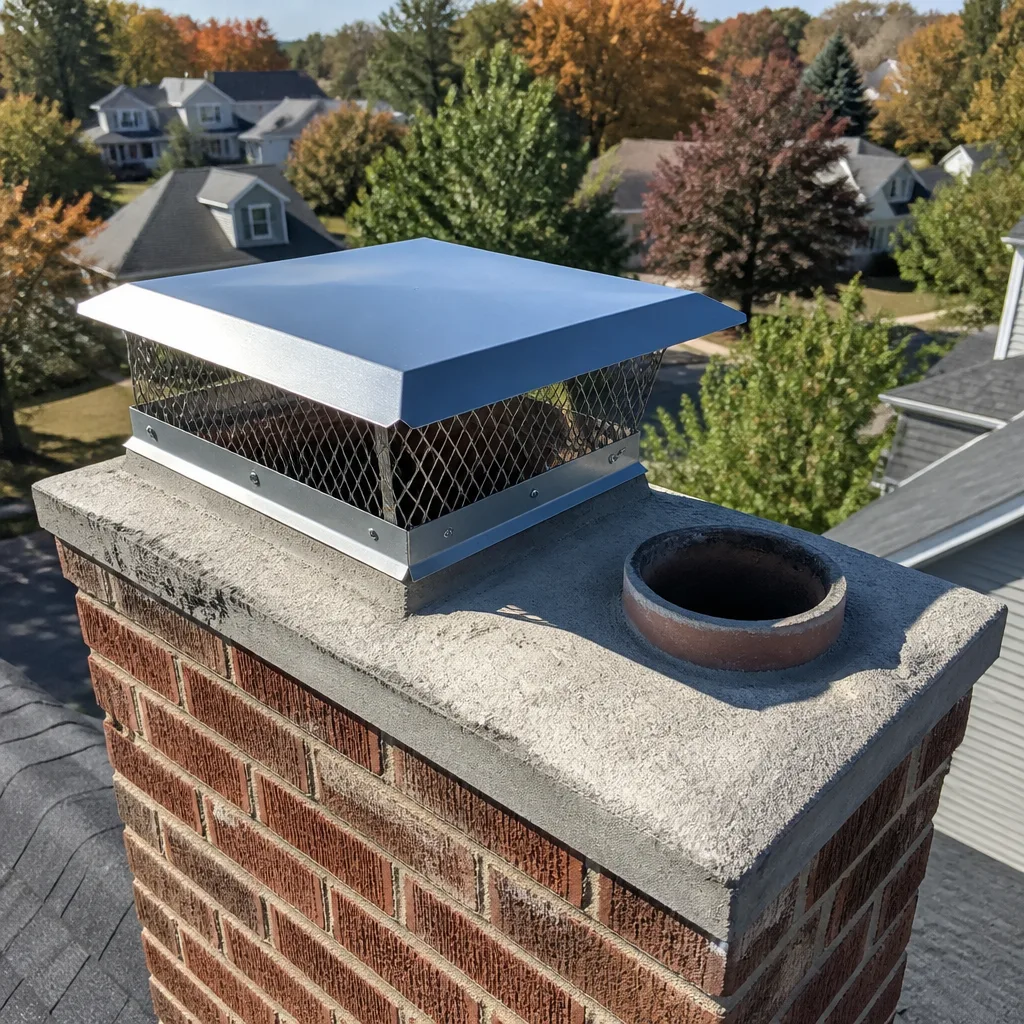
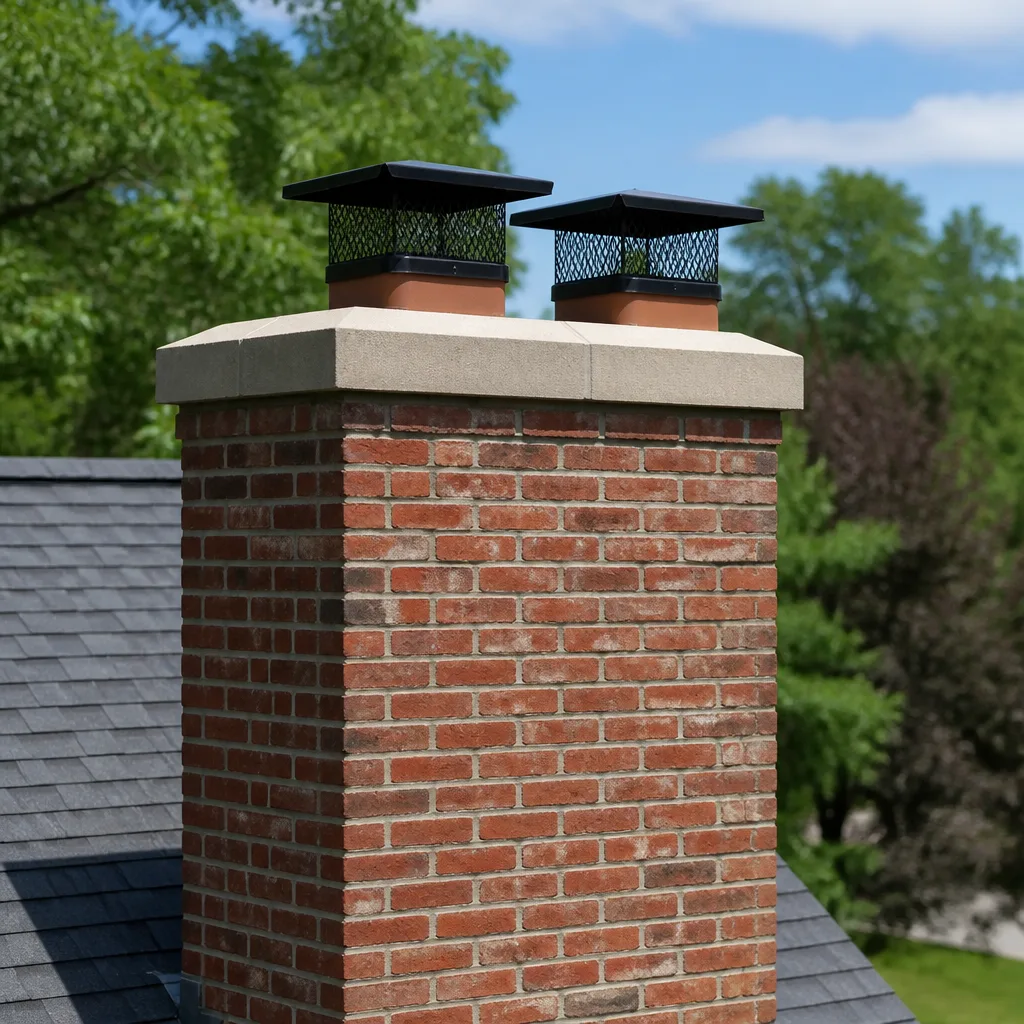
- Have the chimney cap inspected or replaced. A properly fitted cap keeps out birds, squirrels, rain, and debris. We work with Gelco and Famco caps because they’re built for long-term exposure, and a cap that’s missing or damaged is an open invitation for a blockage.
- Check your carbon monoxide detectors. Replace batteries annually. Test the alarm monthly during burn season. If you don’t have a CO detector on every level of the house, buy one. They’re cheap insurance against a silent emergency.
- Clear the area around the chimney exterior. This matters more in Lynwood than in wetter climates. Dry leaves, branches, and debris near the chimney base become kindling if an ember escapes. Keep a three-foot clearance.
- Inspect visible masonry from the ground. Look for cracked bricks, spalling (flaking or crumbling masonry), or gaps in the mortar joints. These indicate water intrusion, which weakens the structure over time and makes the chimney more vulnerable to fire spread.
- Burn only seasoned hardwood. Green or softwood creates more creosote. Seasoned hardwood burns hotter and cleaner, which reduces creosote accumulation and lowers your fire risk. If you buy wood in Lynwood, ask whether it’s been split and stacked for at least six months.
We sweep, inspect, and repair, so you’re not left with a report and no next step. That matters in Lynwood specifically because the dry season creates a compressed timeline. If an inspection finds a problem in September, you have a few weeks to fix it before heavy burn season starts. A company that can sweep and repair, rather than handing you a list of third-party referrals, gets that work done before the first cold snap. One call covers your chimney and your Dryer Vent Cleaning in Lynwood, two fire hazards handled in a single visit.
Building a Chimney Emergency Kit for Your Lynwood Home
You probably have a first aid kit. You might have an earthquake kit or a go-bag for wildfire evacuation. A chimney emergency kit is smaller and simpler, and it lives near the fireplace. Here’s what goes in it and why each item matters.
- A fire blanket or a metal bucket of sand. For smothering errant embers that pop onto the hearth. Not for extinguishing a chimney fire, but for containing a small spark before it becomes a room fire. Never use water on a wood fire near the hearth; it can crack hot firebrick.
- Heat-resistant gloves. For handling fireplace tools safely. In an emergency, you don’t want to be fumbling with bare hands near hot metal.
- A documented emergency sequence card. Write down the five-step response sequence from earlier in this guide and tape it inside a cabinet door near the fireplace. When you’re panicked, you’ll forget steps. The card remembers for you.
- A flashlight with working batteries. Smoke from a chimney fire can cut visibility fast, and you may need to evacuate in the dark if the power goes out.
- Your chimney professional’s phone number. The number for Chimney Sweep Lynwood home service line is (855) 916-8513. Put it on the card. After the fire department leaves, you need the next call to be to someone who can assess the damage and spell out your options.
This kit isn’t about turning you into a DIY firefighter. It’s about giving you the tools to respond correctly in the first minute or two before professional help arrives, and then to make the right call afterward. The sequence matters more than the equipment, but having the equipment on hand removes hesitation, and hesitation is what turns a contained chimney fire into a structural one.
Common Mistakes to Avoid
- Attempting to extinguish a chimney fire with water. Thermal shock from water hitting a 2,000°F flue can crack clay tiles instantly, making the structural damage far worse. The fire will burn itself out or the fire department will handle it. Never throw water at it.
- Lighting another fire “just to test” the chimney after an emergency. You cannot assess flue damage by sight from the firebox. A hairline crack in a liner is invisible but can leak carbon monoxide into the house on the very next fire. Get a professional inspection first.
- Assuming a blocked flue is less serious than a chimney fire. A blockage that backs smoke into the house means carbon monoxide is also backing in. CO is odorless and invisible. The blockage itself doesn’t need to be dramatic to be dangerous.
- Waiting until burn season to book a sweep. In Lynwood, if you wait until November, you’re competing with everyone else who waited until November. A September sweep finds problems in time to fix them before the season starts.
- Ignoring a chimney that “worked fine last year.” Creosote builds up every burn season, and animals move in during the off-season. A chimney’s condition changes even when you’re not using it, and a year-old inspection is not current information.
- Treating a gas fireplace as zero-maintenance. Gas inserts still produce CO, and their venting systems can block or disconnect. A gas fireplace needs annual inspection just like a wood-burning one.
- Hiring the cheapest sweep you can find without verifying what the service includes. A $49 sweep often means a brush through the flue and nothing else. No cap inspection, no damper check, no liner assessment. The cheapest sweep misses the emergency waiting to happen.
When to Call a Professional
Some situations are clear: you’ve had a chimney fire, you suspect carbon monoxide, or you’ve spotted a blockage. In those cases, call a professional immediately after handling the acute emergency. But there are also quieter warning signs that warrant a call before an emergency develops. If you notice smoke backing up into the room during normal use, a strong creosote smell even when the fireplace isn’t lit, visible cracks in the firebrick or masonry, or water stains on the ceiling near the chimney, those are pre-emergency signals. They indicate a system working its way toward failure, and catching them early is the difference between a repair and a rebuild.
Chimney Sweep Lynwood offers free estimates in Lynwood. Call (855) 916-8513 and we’ll assess your chimney’s condition, walk you through what we find, and give you honest recommendations based on what the camera inspection shows, not what’s easiest to sell. We name the brands we use because we stand behind what goes into your home: DuraFlex for flexible liner systems in non-standard chimney configurations, HeatShield for liner restoration before we talk full relining, and Olympia Chimney, Famco, and Copperfield for caps, shrouds, and venting terminations. Repair beats replacement when repair is the right answer, and knowing the difference comes from actually looking.
Frequently Asked Questions
At minimum once per year, before the start of burn season. Homes that burn more than two cords of wood per season, or that burn softwood or unseasoned wood, may need a mid-season sweep. Lynwood’s dry climate doesn’t reduce creosote formation, and the structural wood around chimneys here is drier and more fire-prone than in coastal areas, which makes regular sweeping even more important.
A chimney fire sounds like a low, rumbling roar, similar to a freight train passing close by, often accompanied by loud popping and cracking noises. The sound comes from the flue, not the firebox, and it’s noticeably louder and deeper than normal fire sounds. If you hear it, evacuate and call 911.
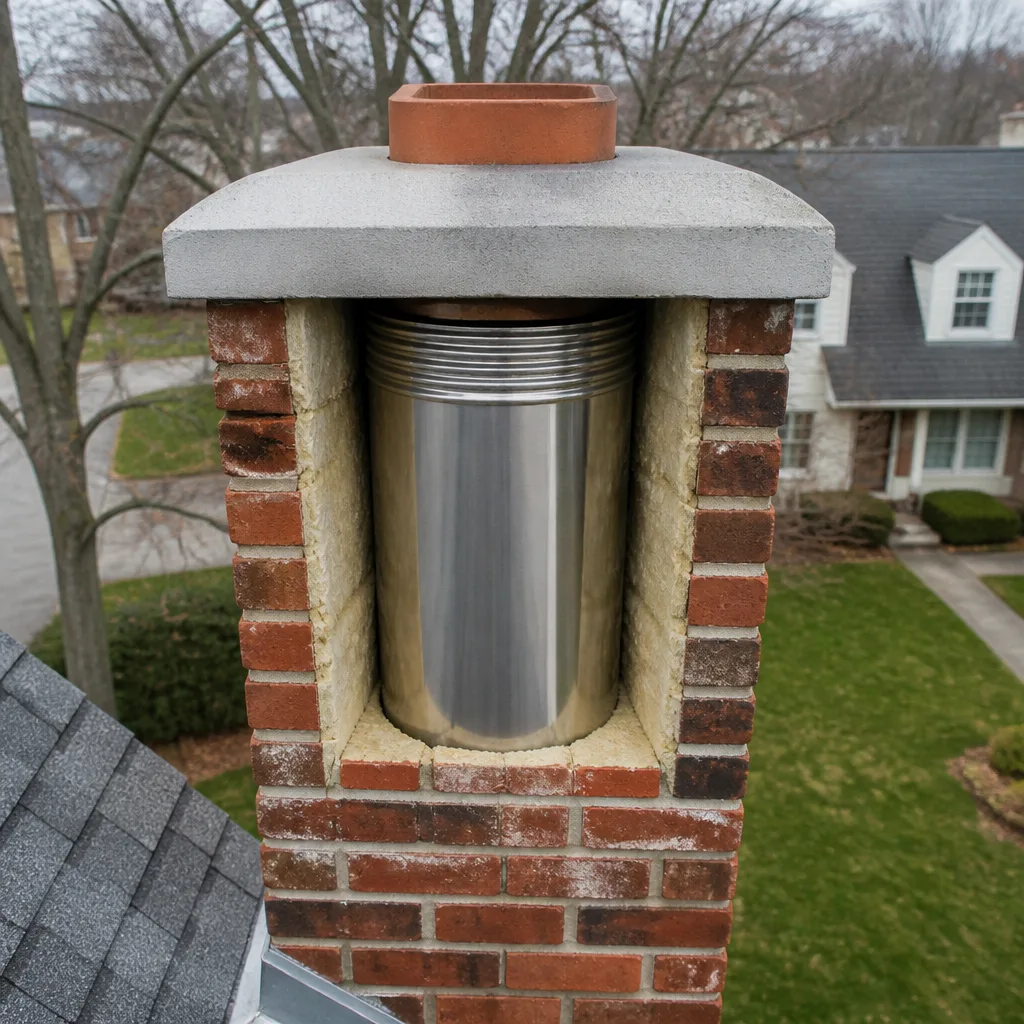
Not necessarily. A chimney fire can damage a clay liner and require replacement, but in many cases a HeatShield restoration can repair the damage at a lower cost than a full relining. The right answer depends on what the camera inspection shows. We carry and install DuraFlex flexible liner systems for cases where full relining is needed, and we recommend HeatShield first when the existing liner is salvageable. Call (855) 916-8513 for an exact quote, and we’ll show you the camera footage so you can make an informed decision.
Headache, dizziness, nausea, and a metallic taste in the mouth are the most common symptoms, and they typically appear within 30 minutes of exposure. The key indicator is that symptoms fade when you leave the room and return when you go back in. In Lynwood’s warmer indoor climate, CO episodes are often shorter and sharper than in cold-climate homes, which makes them easier to misattribute to food poisoning or a passing headache.
A blockage itself isn’t an active emergency if no fire is burning, but the condition that caused the blockage is a latent hazard. Animal nesting material is flammable, a collapsed liner means the flue pathway is compromised, and any of these conditions can turn a routine fire into an emergency. Book an inspection as soon as you discover a blockage, and don’t use the chimney until it’s been cleared and the underlying cause addressed.
The biggest mistake is treating the chimney as a static fixture that doesn’t need attention until it malfunctions. Chimneys change every season: creosote accumulates, animals move in, masonry deteriorates, and liners crack. An annual inspection is the only way to know what’s happening in the flue, and skipping it is how a $200 sweep becomes a $9,000 rebuild. Call (855) 916-8513 to book a Chimney Sweep in Lynwood inspection and get ahead of the problem.
The Bottom Line
Chimney emergencies in Lynwood are preventable, recognizable, and survivable if you have a plan. The dry climate and older housing stock create real exposure, but the emergencies we see most often follow the same pattern: years of skipped sweeps, a chimney cap that went missing, a blockage that got ignored, and a homeowner who didn’t know what a chimney fire sounded like until the fire department was already on the way. Know the sequence. Preserve the scene after a fire. Don’t test a damaged chimney. Book your annual sweep before burn season, not during it. And if you ever find yourself staring at a smoking fireplace not knowing what to do next, call (855) 916-8513. We’ll walk you through it.
Written by the team at Chimney Sweep Lynwood, serving Lynwood since 2017.
See the difference
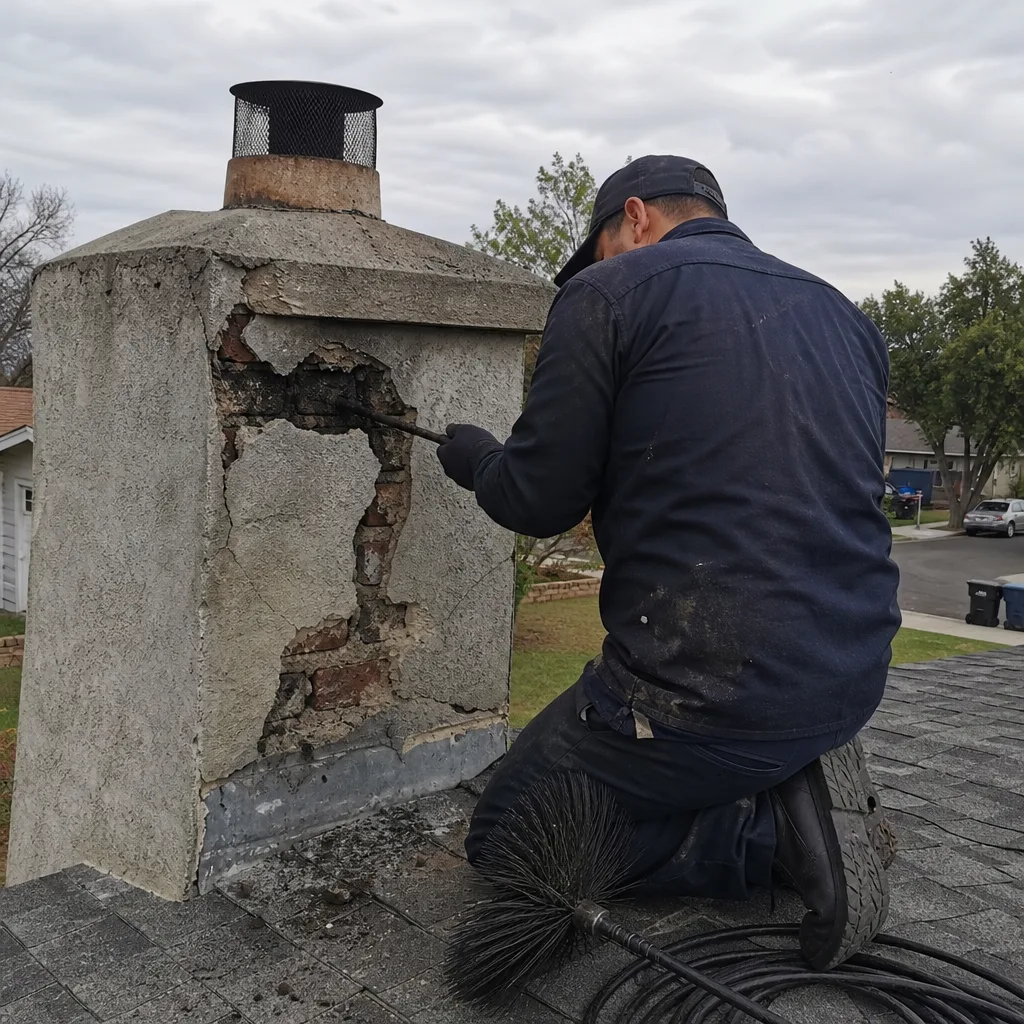 Before
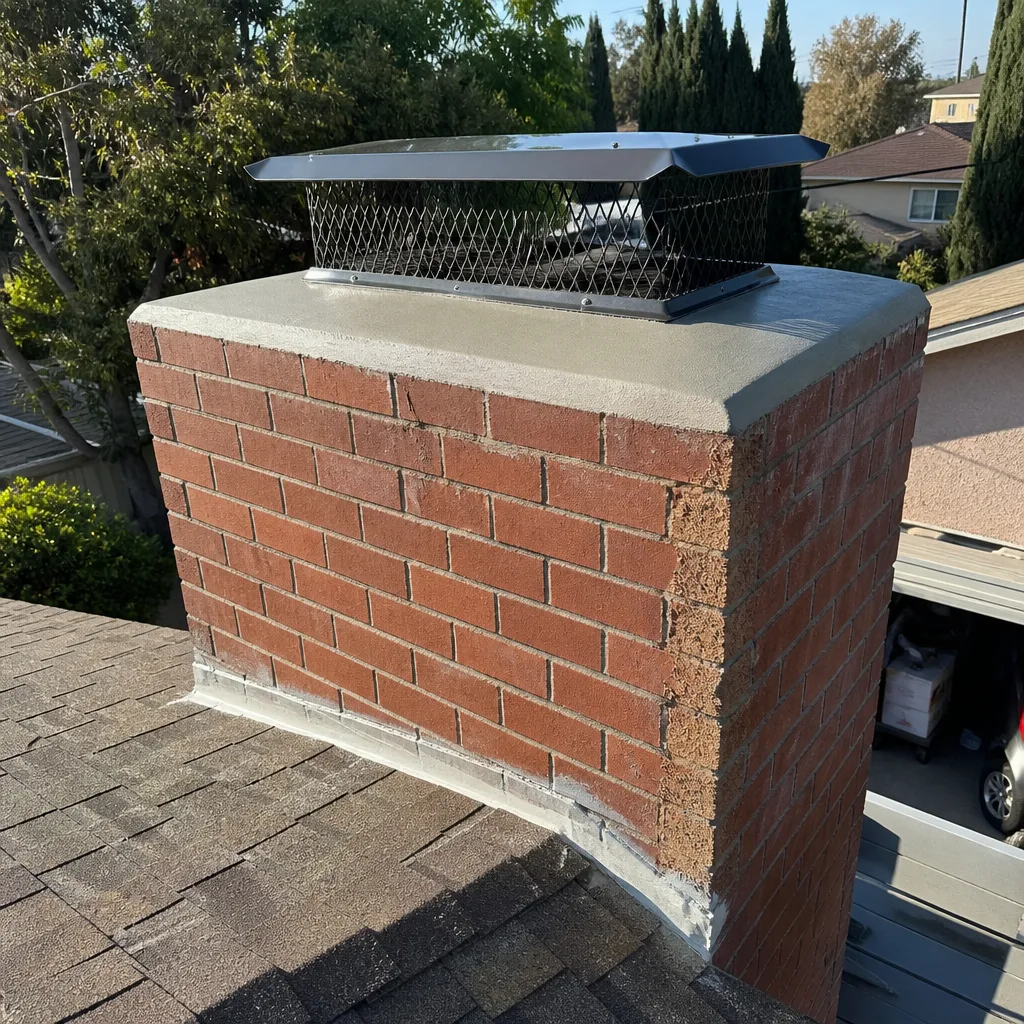 After
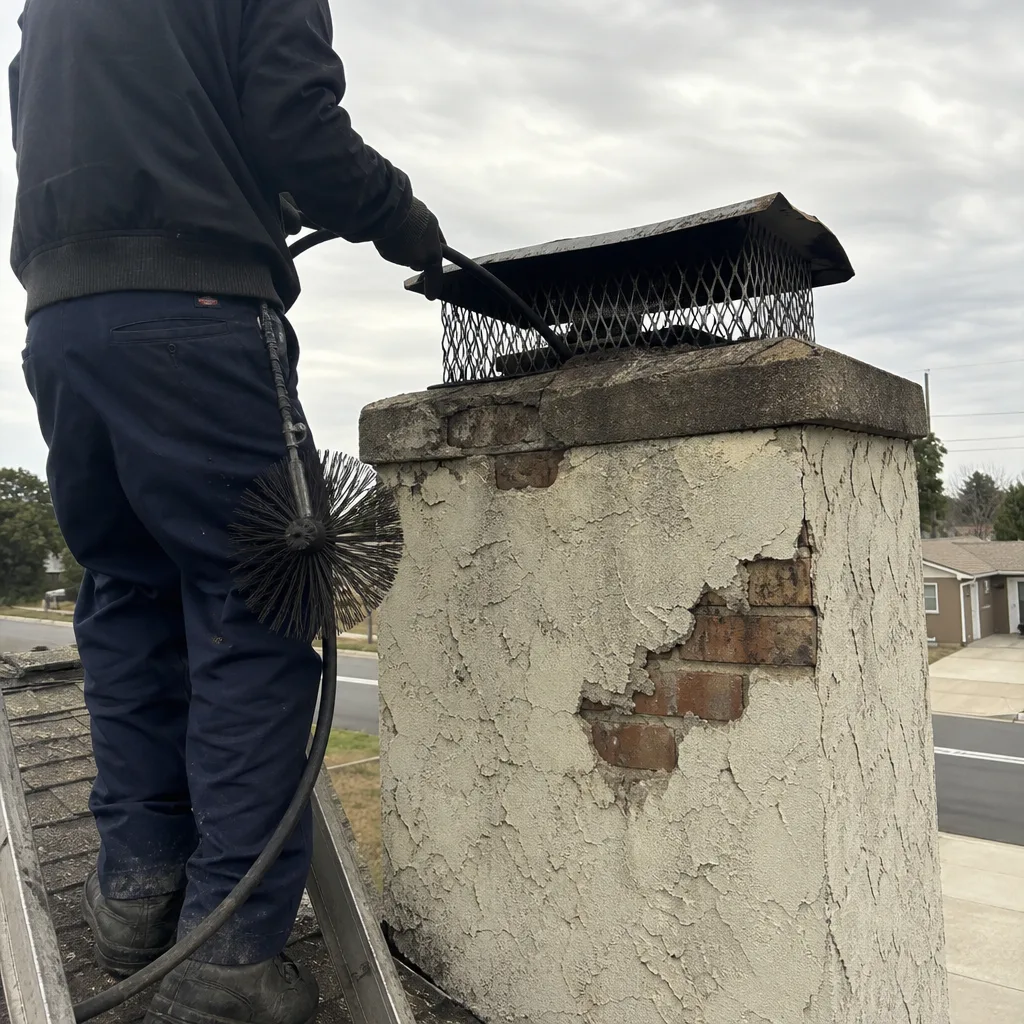 Before
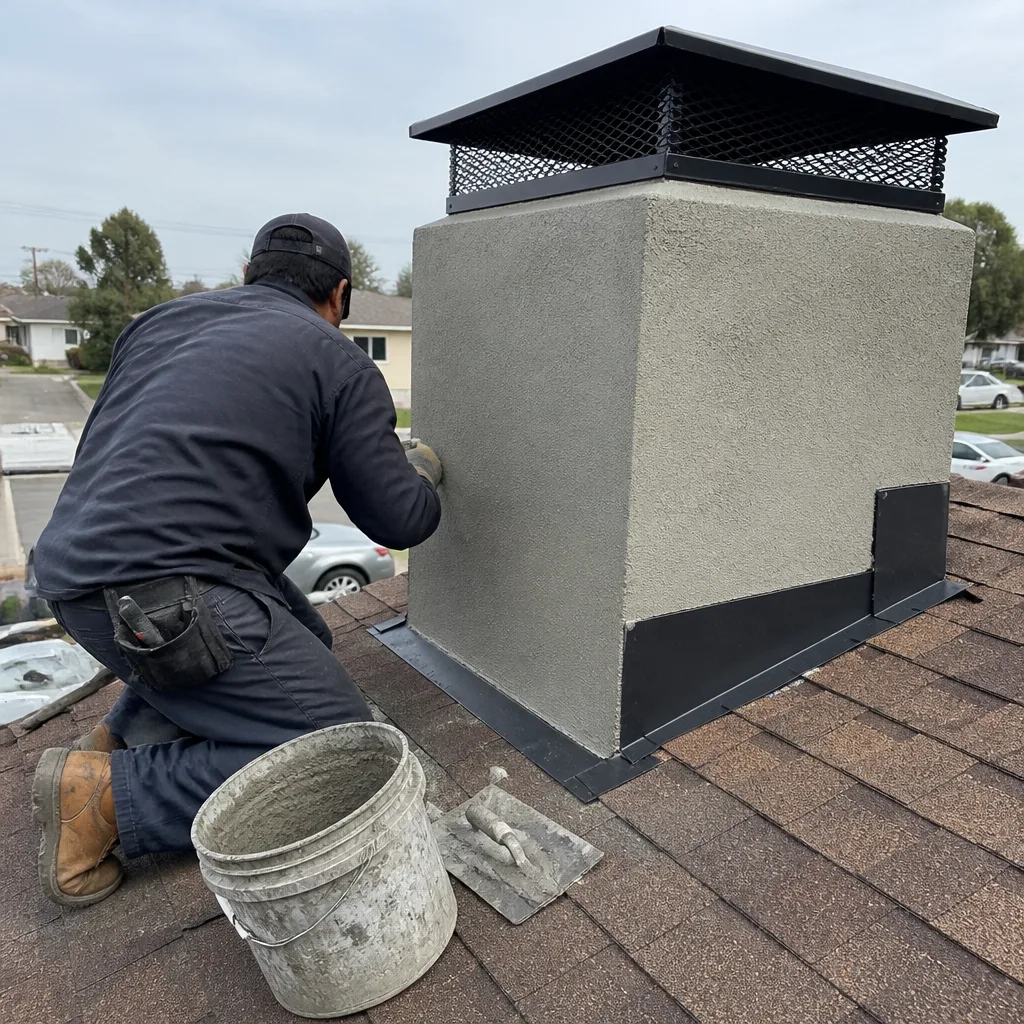 After
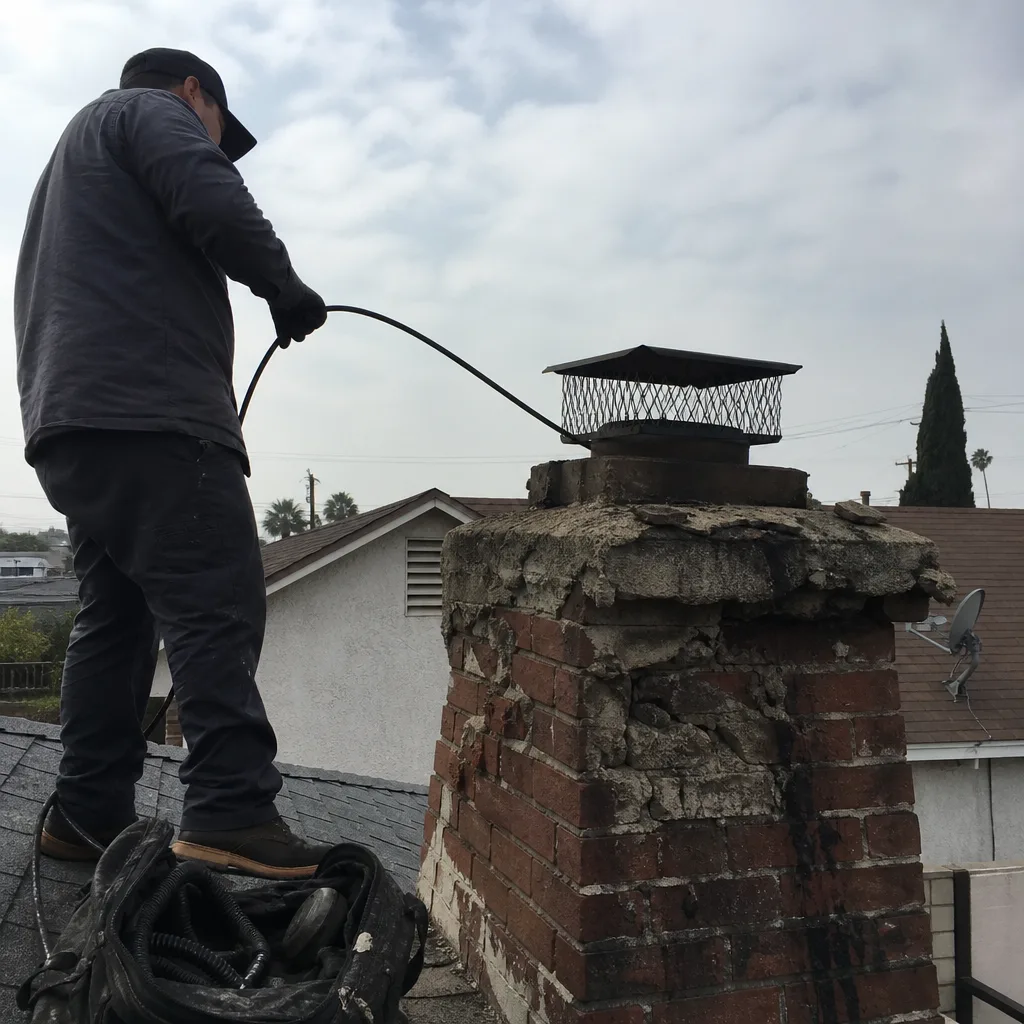 Before
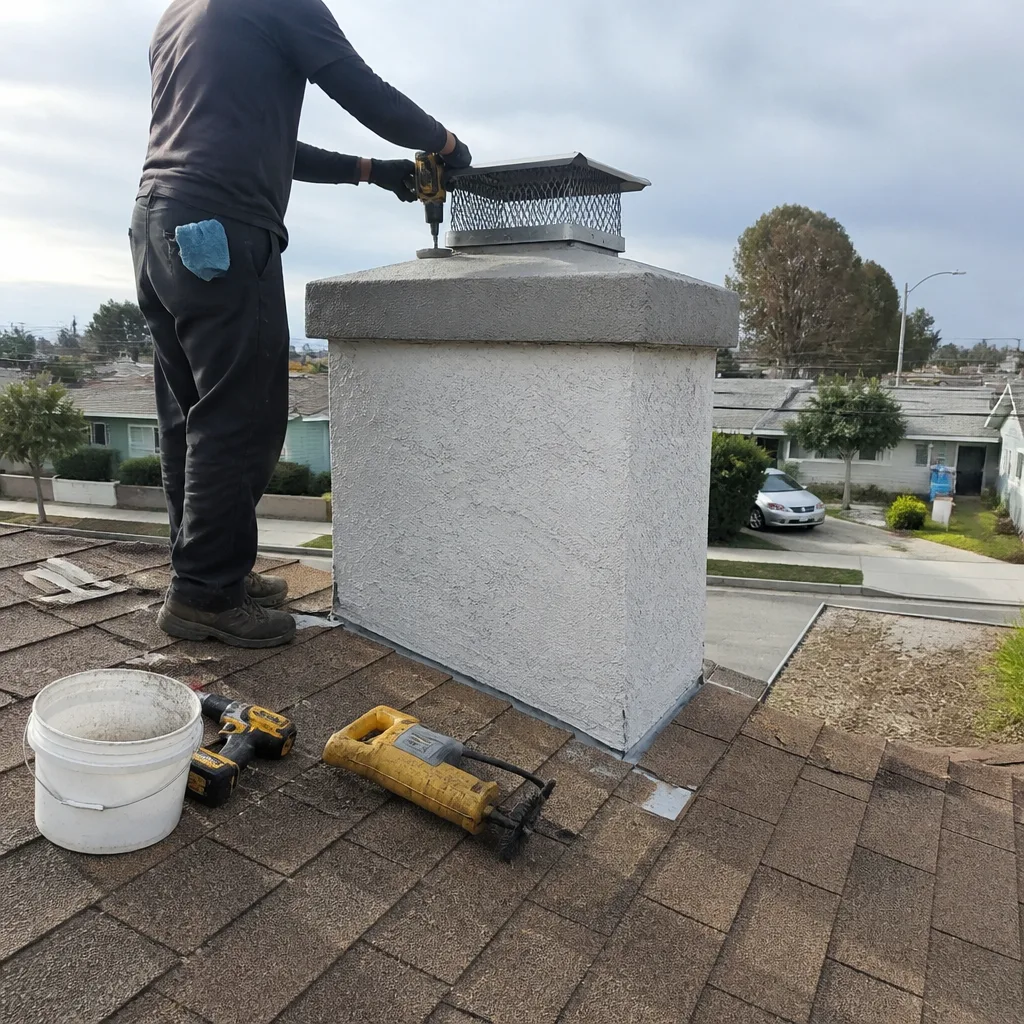 After