
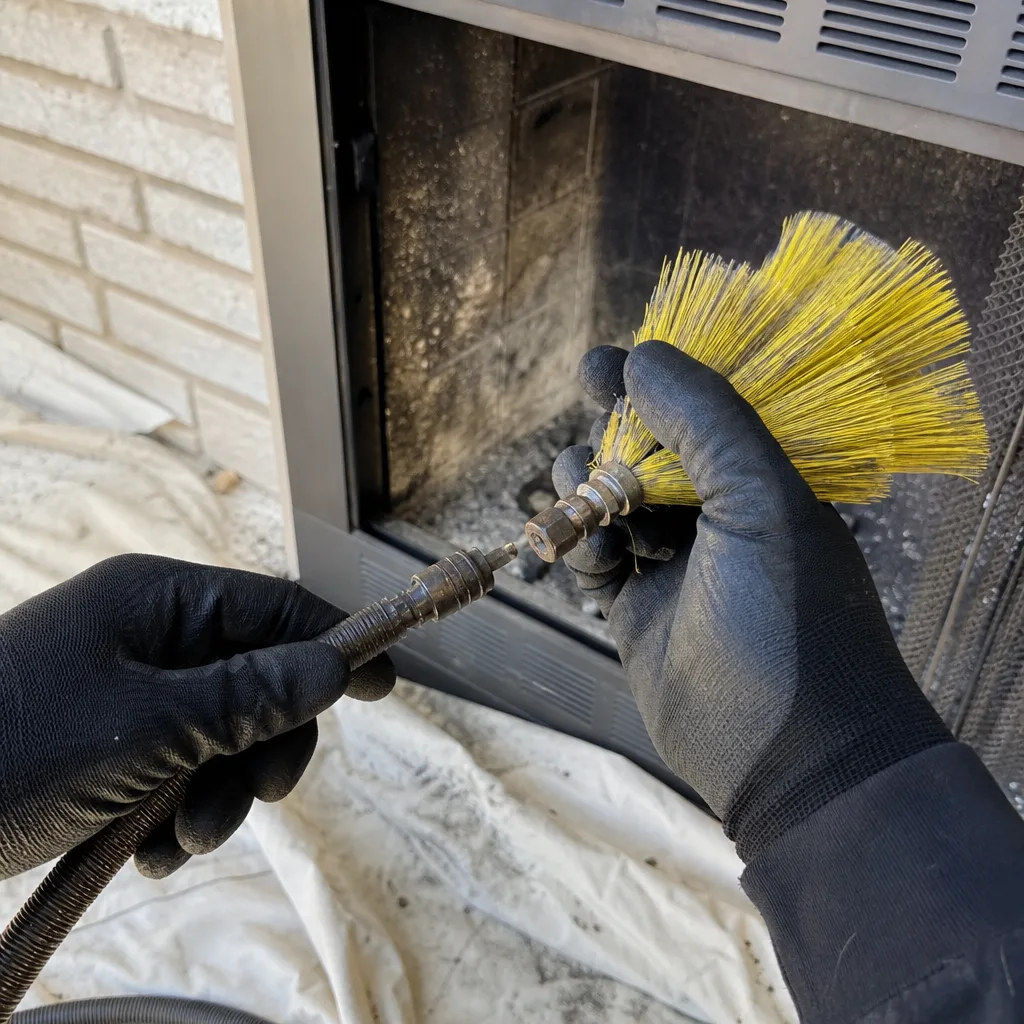
Last updated November 2, 2026
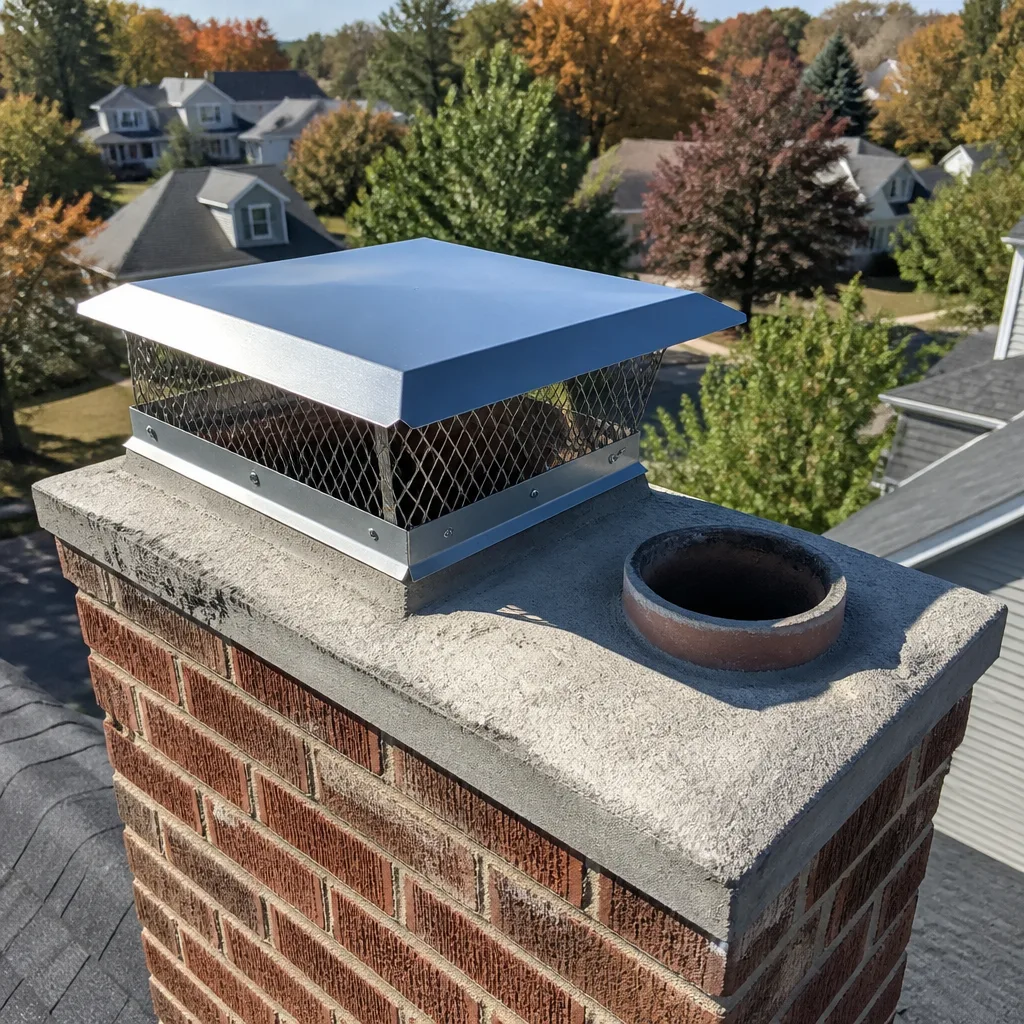 Sweep & inspection
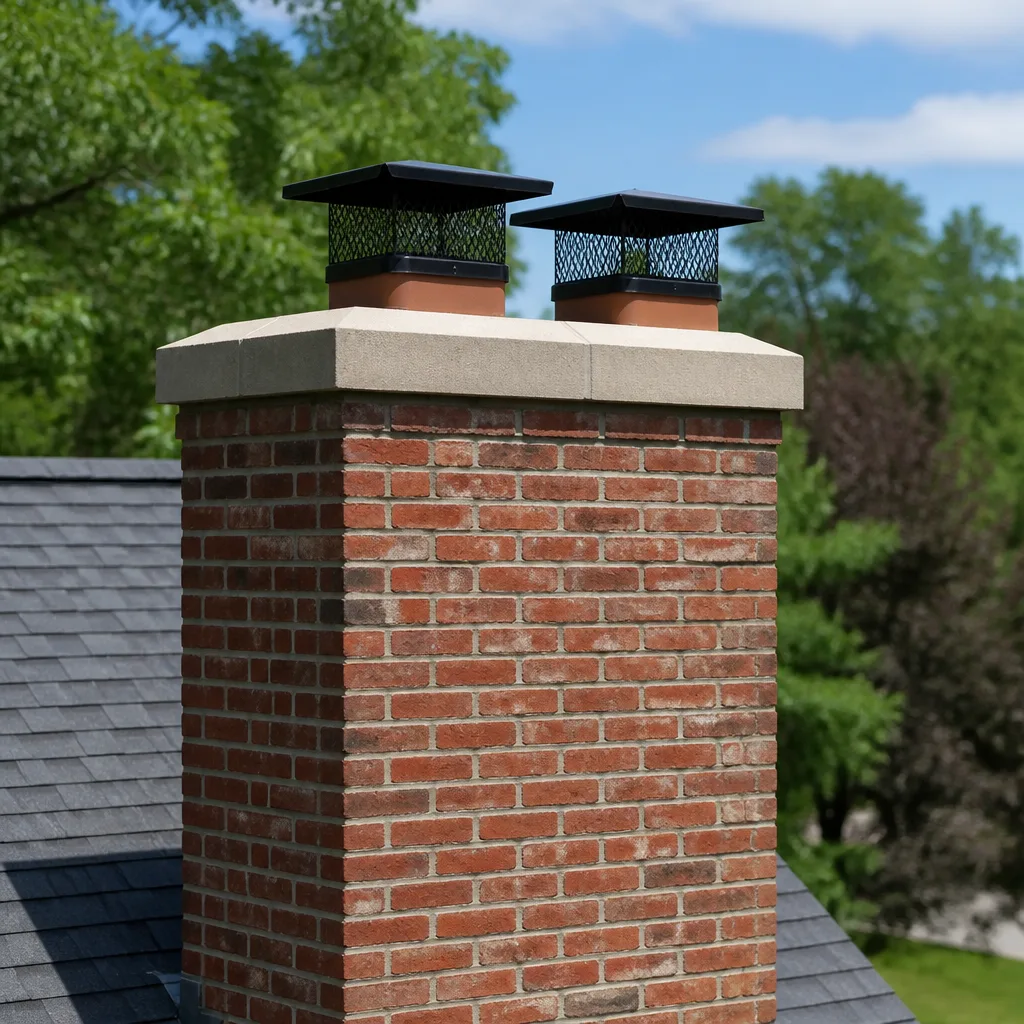 Caps & crowns
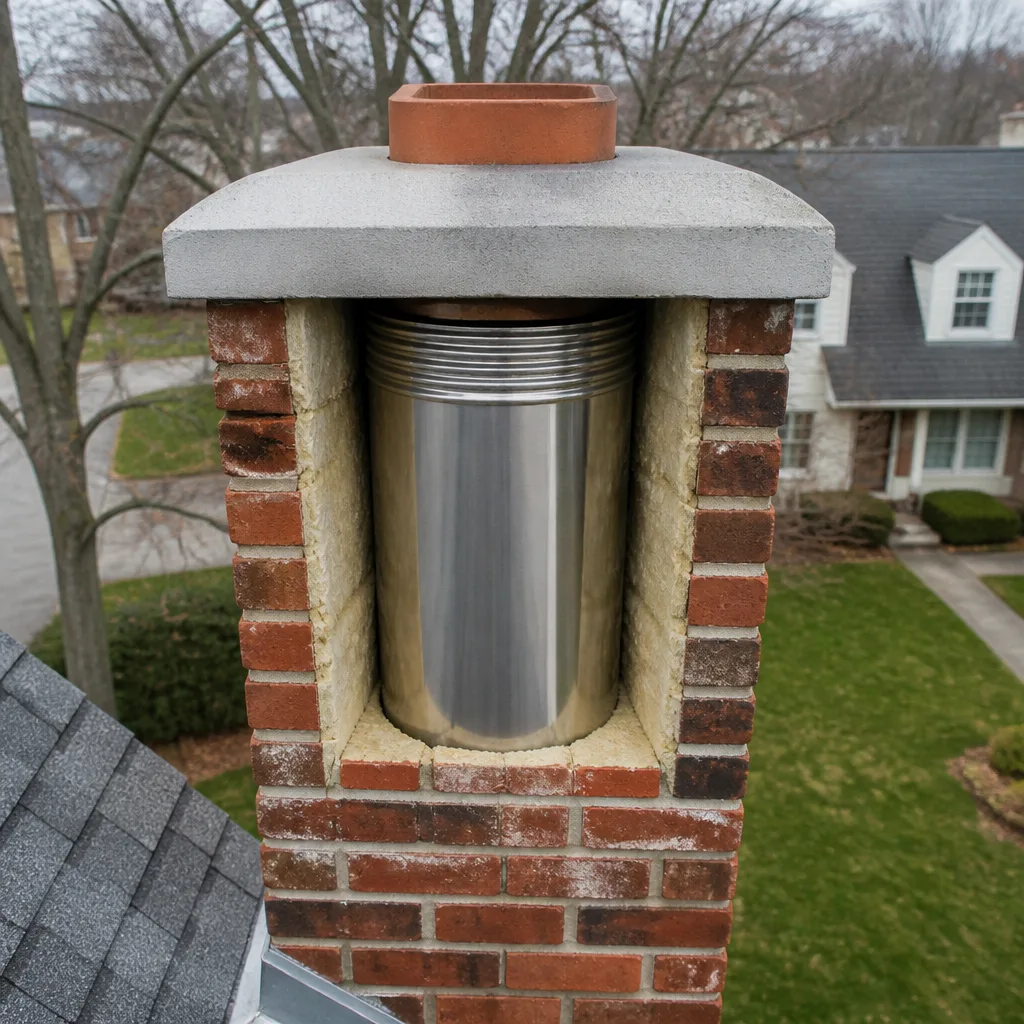 Flue relining
 Masonry repair
 Gas fireplace service
Level 1 sweep and inspection to the NFPA 211 annual standard - flue, crown, cap, and flashing checked and photographed
Chimney sweep logs do not sweep chimneys. They loosen some creosote - which then falls where a brush and vacuum still have to collect it.
DIY vs Professional Chimney Cleaning: The Lynwood Homeowner’s Decision Guide
You can buy the same rotary brushes a chimney sweep uses on Amazon. What you can’t buy is the ability to recognize Stage 2 creosote, a cracked tile liner, or a compromised smoke chamber when you’re looking at them. That’s the honest divide, and it’s one we see play out in Lynwood homes every burning season. This guide maps exactly where DIY chimney cleaning makes sense, where it creates a false sense of safety, and what a professional sweep in Lynwood actually reveals that a brush-and-flashlight approach cannot.
Styles & brands we work with
- Sweep & inspection
- Caps & crowns
- Flue relining
- Masonry repair
- Gas fireplace service
Quick Answer
DIY chimney cleaning is reasonable for removing light, fluffy soot from a frequently used, well-maintained fireplace, but it cannot replace a professional sweep and inspection. The core issue isn’t physical access or elbow grease. It’s diagnostic capability. A homeowner can remove surface soot; only a trained technician can identify what that soot is covering: creosote stages, liner cracks, smoke chamber gaps, and early signs of water intrusion, all of which drive chimney fire risk and costly structural failure. In Lynwood, where mild winters still see regular fireplace use, the practical answer is that DIY cleaning works as maintenance between professional sweeps, not as a substitute for them – see our Seasonal Chimney Cleaning Care for Lynwood: Year-Round Homeowner’s Guide for when to schedule each.
Table of Contents
- What DIY Chimney Cleaning Actually Accomplishes
- The Diagnostic Gap: What You Can’t See Without Training
- When DIY Chimney Cleaning Is Genuinely Reasonable
- When DIY Creates a False Sense of Safety
- What Professional-Grade Equipment Reveals
- Using DIY Inspection as a Pre-Call Triage Tool
- The Real Cost Comparison: DIY vs Professional Sweeping in Lynwood
- Common Mistakes to Avoid
- When to Call a Professional
- Frequently Asked Questions
- The Bottom Line
What DIY Chimney Cleaning Actually Accomplishes
The honest answer is that DIY chimney cleaning removes surface soot, and in the right circumstances, that’s a useful thing. When you burn properly seasoned wood and use your fireplace regularly, a fine, dusty layer of black soot accumulates on the flue walls. It brushes off easily. It’s not glazed, not sticky, not crusted. A homeowner with a basic wire chimney brush, fiberglass rods, and a shop vacuum can clear this layer in an afternoon.
But here’s what matters: that surface soot is not the primary fire hazard in a chimney. The hazard is creosote, a byproduct of incomplete wood combustion that condenses on flue walls in three progressive stages. Stage 1 is flaky and brushable, the only stage DIY equipment can reliably remove. Stage 2 is a hardened, tar-like glaze that resists standard brushes. Stage 3 is a thick, caramelized crust that shrinks the flue diameter and fuels the kind of chimney fire that can crack tiles and spread to the home’s framing. We’ve responded to Lynwood chimneys where a homeowner had dutifully brushed their flue every season, and the Stage 3 buildup above the smoke shelf was an eighth of an inch thick. The brush never touched it because the homeowner couldn’t see it, and didn’t know to look for it.
DIY cleaning also does not address the smoke chamber, the inverted-funnel area above the firebox where turbulence deposits creosote in uneven layers. Standard homeowner brush kits are not built to scrub this geometry. Neither do they address the chimney cap and spark arrestor, where debris and nesting material trap moisture against the flue tile. A thorough DIY job is genuinely better than skipping a season, but it’s a partial job by design.
The Diagnostic Gap: What You Can’t See Without Training
The case for professional chimney cleaning in Lynwood is not, at its core, about cleaning at all. It’s about what a trained eye detects during the cleaning. A sweep is a diagnostic event disguised as a maintenance chore.
Here’s what that means in practice. When we sweep a chimney, we’re not just running a brush. We’re reading the residue. The color and texture of the creosote tells us what the homeowner has been burning. A heavy, wet, tar-like glaze often signals unseasoned wood or a damper left partially closed during burns. That’s a usage correction, not a cleaning problem, and it can save a homeowner from recurring issues.
The distribution pattern of the buildup points to airflow problems. Creosote concentrated on one side of the flue often indicates an offset or a structural narrowing. Concentrated at the top suggests a cold flue from an oversized chimney or missing insulation. These patterns are invisible to someone who hasn’t swept thousands of chimneys.
The condition of the flue tiles is the highest-stakes finding. A cracked clay tile liner is a chimney fire waiting for an ignition source. The crack may be a hairline fissure, invisible in a flashlight beam from below, but unmistakable when you’re running your hand and equipment along the tile surfaces. Once a liner is compromised, heat and gases can reach combustible framing. In older Lynwood homes, where chimneys date to the 1950s and 1960s, tile deterioration is common enough that we treat a cracked tile sighting as a routine finding, not an anomaly. The point of our chimney sweep in Lynwood is not just a clean flue; it’s a flue we’ve actually looked at.
When DIY Chimney Cleaning Is Genuinely Reasonable
We’re not here to tell you that every chimney task requires a professional. That’s not true, and pretending otherwise erodes trust. DIY chimney cleaning is genuinely reasonable in a specific set of circumstances, and homeowners who understand those boundaries save money without adding risk.
Here’s the profile of a chimney where DIY surface cleaning makes sense:
- You burn seasoned hardwood exclusively. Hardwood burned hot and complete produces the lightest creosote load. If you’ve been burning oak or almond that was split and stacked for 12-plus months, your flue is likely carrying Stage 1 creosote that brushes off without drama.
- You use the fireplace regularly but not heavily. A dozen to two dozen fires per season is light use. If you burn every cold night from November through February, you’re producing more creosote than your brush will handle.
- You had a professional sweep within the last two years. The most useful DIY window is between professional cleanings. If we swept and inspected your Lynwood chimney last year and found no structural issues, a mid-season brush by the homeowner is a reasonable stopgap.
- You can see the entire flue from below. In a straight, single-story chimney, a homeowner can get a reasonably complete visual. Add a story or an offset, and your line of sight shrinks to nothing useful.
- Your chimney cap is clear and intact. If water is getting in, or if birds have nested, the problem is structural and the brush is irrelevant.
If your situation matches most of this list, DIY surface sweeping is defensible. If it doesn’t, the brush gives you a false sense of safety. That’s the distinction that matters.
When DIY Creates a False Sense of Safety
The most dangerous DIY chimney cleaning is the one that feels effective. The flue looks black before and it looks black after, so the homeowner assumes the job is done. What they can’t see is the hardened creosote above the smoke shelf, or the flue tile crack behind a layer of soot that the brush polished but never penetrated.
Here are the specific scenarios where DIY creates a false sense of safety, and we see these regularly in Lynwood:
- You’ve never had the chimney professionally inspected. You have no baseline. You don’t know the condition of the liner, the crown, the flashing, or the smoke chamber. Brushing without an inspection is like changing the oil on a car you’ve never had a mechanic look at. Sure, the oil is fresh. The head gasket is still failing.
- You burned unseasoned wood for even one season. Green wood produces wet, tarry creosote that glazes onto flue walls like varnish. A homeowner brush skids across it. The homeowner sees effort, assumes progress, and the Stage 2 buildup remains.
- You notice a smoky smell in the house when the fire is lit. That odor signals a draft problem, which is not a cleaning problem. Brushing the flue won’t fix a negative pressure issue in a tightly sealed Lynwood house, and it won’t fix a damper that’s warped or a smoke chamber that’s too shallow. The homeowner brushes, the smell persists, and the real issue goes unaddressed for another season.
- Your home is older construction. In Lynwood, pre-1970 chimneys frequently have unlined or partially lined flues, and the mortar between tiles has often degraded. A brush can actually dislodge loose tile fragments and mortar, creating a blockage the homeowner can’t see and won’t know to check for.
- You see shiny, tar-like deposits on the firebox walls. That’s a visual indicator of Stage 2 or Stage 3 creosote in the flue above. If the firebox looks glazed, the flue is worse. This is not a DIY-chimney-cleaning situation, period.
- Water stains are visible on the ceiling or walls near the chimney. Cleaning isn’t the issue. The chimney is leaking, and every burn cycle is pushing moisture deeper into the masonry. This is a repair situation that a brush will not touch.
What Professional-Grade Equipment Reveals
The difference between a $40 Amazon brush kit and a professional sweep is not just training. It’s equipment, and the equipment exists for a reason. Here’s what professional-grade tools reveal that a brush and flashlight cannot:
HEPA-filtered negative-air vacuums. A shop vacuum with a drywall filter is not a HEPA system. It’s blowing fine particulate back into your living room. Professional chimney vacuums run HEPA filters and negative air pressure, so the dust goes into the vacuum, not into your home. For a Lynwood homeowner with allergies or a kid with asthma, that distinction isn’t cosmetic.
Rotary cleaning systems with poly or steel heads. A rotary whip spinning at high RPM does what a push-pull brush cannot: it mechanically removes Stage 2 creosote that has bonded to the flue wall. For chimneys with moderate glaze, this is the difference between a clean flue and a flue that just looks less dirty.
Video inspection cameras. This is the biggest one. A camera run the full length of the flue shows every tile joint, every crack, every gap in the mortar, every bird nest remnant. It either confirms the flue is sound or it documents the problem with images the homeowner can see for themselves. You can’t argue with a photo of your own cracked tile. This is also the point where our chimney repair in Lynwood capability matters. When the camera finds a problem, we’re equipped to fix it. We’re not handing you a report and sending you off to find someone else.
The brands we run tell the story. We install and work around professional-grade materials from DuraFlex, HeatShield, Copperfield, and Gelco. These are the products certified specialists use nationwide, not whatever is cheapest at the supply house. When your chimney needs a new liner, a DuraFlex flexible system solves flue geometry problems that rigid liners can’t accommodate, common in older Lynwood homes with offsets and irregular flues. When your flue tiles are cracked but the damage is not complete, a HeatShield restoration can often be applied instead of a full relining, which is a repair-first answer that saves real money. We name the brands because we stand behind what goes into your home.
Using DIY Inspection as a Pre-Call Triage Tool
Here’s where DIY effort is genuinely valuable: before the call, not instead of it. A homeowner who spends ten minutes gathering visual information before calling a chimney professional gives the technician a head start and helps the dispatcher prioritize the visit. This isn’t a replacement for a professional inspection. It’s a triage step, like taking your temperature before calling the doctor.
Here’s a five-step pre-call inspection any Lynwood homeowner can do safely without getting on the roof:
- Look up from inside the firebox. Use a bright flashlight and a small mirror. What do you actually see? Fluffy black soot is normal. Shiny, glassy deposits are not. Crusty, bubbled texture is Stage 3. Take a photo, even if it’s bad quality.
- Check the firebox walls and floor. Look for cracked firebrick, gaps in mortar joints, or rust stains. Rust means water is entering somewhere above. Photograph what you find.
- Inspect the damper. Does it open and close fully? Is there visible rust or warping at the edges? A damper that won’t stay open or won’t seal closed is a repair item.
- Walk outside and look at the chimney from ground level. You can’t assess the crown from below, but you can spot obvious issues: a leaning chimney, missing cap, visible cracks in the exterior masonry, efflorescence (white powdery staining), or missing mortar between bricks.
- Note burning history. How many fires have you burned since the last cleaning? What kind of wood? When you call, the first questions we’ll ask are about usage patterns, because they shape what we expect to find.
Write down what you see, snap a few photos with your phone, and bring that information to the call. This isn’t DIY chimney cleaning. It’s DIY observation, and it makes the professional visit sharper and faster. When you call Chimney Sweep Lynwood home at (855) 916-8513, the details you gather help us come prepared.
The Real Cost Comparison: DIY vs Professional Sweeping in Lynwood
The DIY argument usually starts with money. A brush kit costs between $40 and $120. A professional sweep in Lynwood runs higher – our Chimney Cleaning Cost Breakdown: The Lynwood Homeowner’s Reference for 2026 breaks down exactly why. The math feels obvious, but it misses the line items that actually drive long-term cost. Here’s the honest comparison:
| Cost Factor | DIY Approach | Professional Sweep |
|---|---|---|
| Equipment | $40 – $120 one-time brush kit, rods, drop cloth | Included in service fee; no equipment to store or maintain |
| Time | 3 – 6 hours for a first-timer, including setup and cleanup | 60 – 90 minutes, including full setup and home protection |
| Inspection value | $0 – no diagnostic data captured | Full flue evaluation: liner condition, creosote staging, draft assessment |
| Documentation | None | Written record, useful for home sale disclosure and insurance questions |
| Missed-problem cost | Variable, often $2,000 – $8,000+ for liner replacement, masonry repair, or fire damage remediation | Caught early, repaired as maintenance not emergency |
The cost gap reverses when a missed Stage 3 creosote buildup leads to a chimney fire, or when water intrusion behind cracked tiles rots framing for three winters before anyone notices. In our experience, Lynwood homeowners who skip professional sweeps for multiple seasons are not saving $300 a year. They’re deferring a $4,000 repair.
As a complement to sweeping, we also clean dryer vents in Lynwood, which addresses the second major combustion and ventilation fire hazard in the home. One call covers your chimney and your dryer vent, two fire hazards, one visit.
Common Mistakes to Avoid
- Using a round brush in a square or rectangular flue. A round brush leaves the corners untouched. Creosote accumulates in corners first. A homeowner who buys the wrong shape brush gets roughly sixty percent coverage and thinks the job is done.
- Sweeping from the bottom without sealing the firebox opening. Every particle knocked loose falls into the living room. Proper bottom-up sweeping requires a sealed shroud and a HEPA vacuum running at the firebox. Most DIYers skip the shroud entirely and spend the next day cleaning soot off the furniture.
- Ignoring the smoke chamber and smoke shelf. This is the single biggest DIY blind spot. Standard brush kits physically cannot reach the smoke chamber’s upper surfaces, and the smoke shelf traps enough creosote to fuel a fire on its own. A homeowner who brushes the flue but skips the smoke shelf has cleaned half the fire hazard.
- Using chemical “creosote sweeping logs” as a cleaning substitute. These products can alter the chemistry of Stage 1 creosote to make it easier to brush, but they do not remove Stage 2 or Stage 3, and they do not inspect anything. They’re a supplement at best, and using one instead of a sweep creates a false sense of security. We’ve heard homeowners claim their chimney is clean because they burned a log. It wasn’t.
- Trimming tree limbs near the chimney without knowing code clearance. Lynwood homeowners sometimes get ambitious with the chainsaw. Overhanging branches drop debris into the chimney cap and feed ember risk. But cutting limbs improperly near power lines or the chimney structure creates a different hazard. If the limb is within ten feet of the chimney crown, call a professional arborist or at minimum, assess carefully from the ground.
- Assuming an older home’s chimney was built to current code. Lynwood homes from the mid-century era often lack the clay tile liner thickness that modern fire codes assume. A homeowner who brushes the flue is maintaining a system that may have been underbuilt from day one. No amount of brushing fixes a code-level liner deficiency.
When to Call a Professional
Call a chimney professional in Lynwood when: you haven’t had an inspection in two or more years; you see shiny, tar-like deposits anywhere in the firebox or flue; you smell smoke indoors during or after a fire; you see water stains or efflorescence on the chimney exterior; your house was built before 1970 and you don’t know the liner condition; or you’ve burned unseasoned wood at any point in the last two seasons. These conditions either mean the flue has a hazard you can’t see or a structural issue no brush will resolve. For help choosing the right pro, read How to Hire a Chimney Cleaning Contractor in Lynwood: A Step-by-Step Guide.
Chimney Sweep Lynwood offers free estimates in Lynwood. Call (855) 916-8513 and we’ll tell you what you’re actually dealing with, not what a brush kit wants you to believe.
Frequently Asked Questions
Professional chimney sweeping in Lynwood typically runs between $180 and $340 for a standard single-flue fireplace cleaning and inspection, with the price varying based on creosote stage, flue height, and whether the chimney has an offset. Call (855) 916-8513 for an exact quote. Estimates are free.
You can remove light surface soot from a straight, frequently used, well-maintained flue with a homeowner brush kit, but you cannot assess the liner condition, smoke chamber, or creosote stage while doing it. The brush handles Stage 1 soot. It does not handle Stage 2 or Stage 3 creosote, cracked tiles, or draft problems, and it gives you no diagnostic information about what’s actually in there.
The National Fire Protection Association standard calls for an annual inspection, and sweeping whenever creosote buildup reaches 1/8 inch or more. For most Lynwood homeowners who burn regularly during the cooler months, that translates to a professional sweep once per burning season, supplemented by light DIY surface cleaning if desired between visits.
Creosote accumulates in progressive stages, hardening from flaky soot into a thick, fuel-rich glaze. In the best case, the flue narrows and drafting suffers, pushing smoke into the living space. In the worst case, the accumulated creosote ignites and burns at temperatures hot enough to crack tile liners and ignite adjacent framing. Water intrusion and liner deterioration can also progress undetected, creating expensive structural repairs that would have been caught earlier. If it’s been more than two seasons, call (855) 916-8513 for an assessment.
No permit is required for routine chimney sweeping or inspection in Lynwood. Repair work that involves structural changes to the chimney, such as rebuilding the crown or relining, may fall under city building code requirements, and your chimney professional should advise you on what applies to your specific situation.
A sweep is the physical removal of soot and creosote from the flue; an inspection is the diagnostic evaluation of the chimney’s structural and functional condition. A professional sweep includes an inspection as a matter of course, because you can’t properly evaluate a flue you can’t see, and the camera run after the brush is what actually tells you whether the chimney is safe to burn. This is why our chimney sweep in Lynwood always includes the inspection, not just the brush work.
The Bottom Line
DIY chimney cleaning has a legitimate place as light maintenance between professional sweeps, provided the chimney is straight, recently inspected, and sees only light, seasoned-wood use. What it cannot do is replace the diagnostic function of a professional sweep. The brush removes what the homeowner can see; the training and equipment reveal what the homeowner cannot. In Lynwood, where older housing stock carries the hidden costs of aging liners and decades of deferred maintenance, the real question isn’t whether to DIY or hire a pro. It’s whether you can afford to miss what you can’t see. Most homeowners can’t. Call (855) 916-8513 for a free estimate, and know what’s actually in your chimney before the next fire. For more guides & resources, visit our blog.
Written by the team at Chimney Sweep Lynwood, serving Lynwood since 2017.
See the difference
 Before
 After
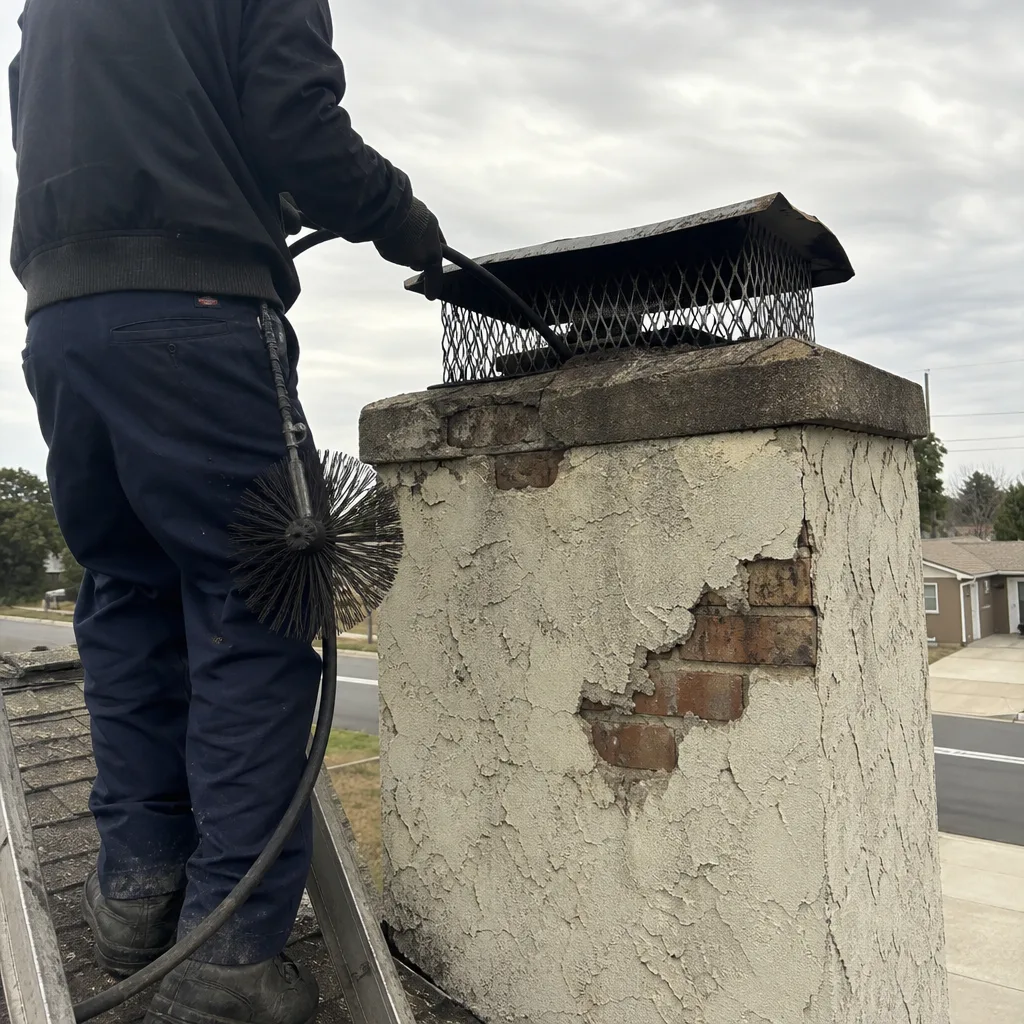 Before
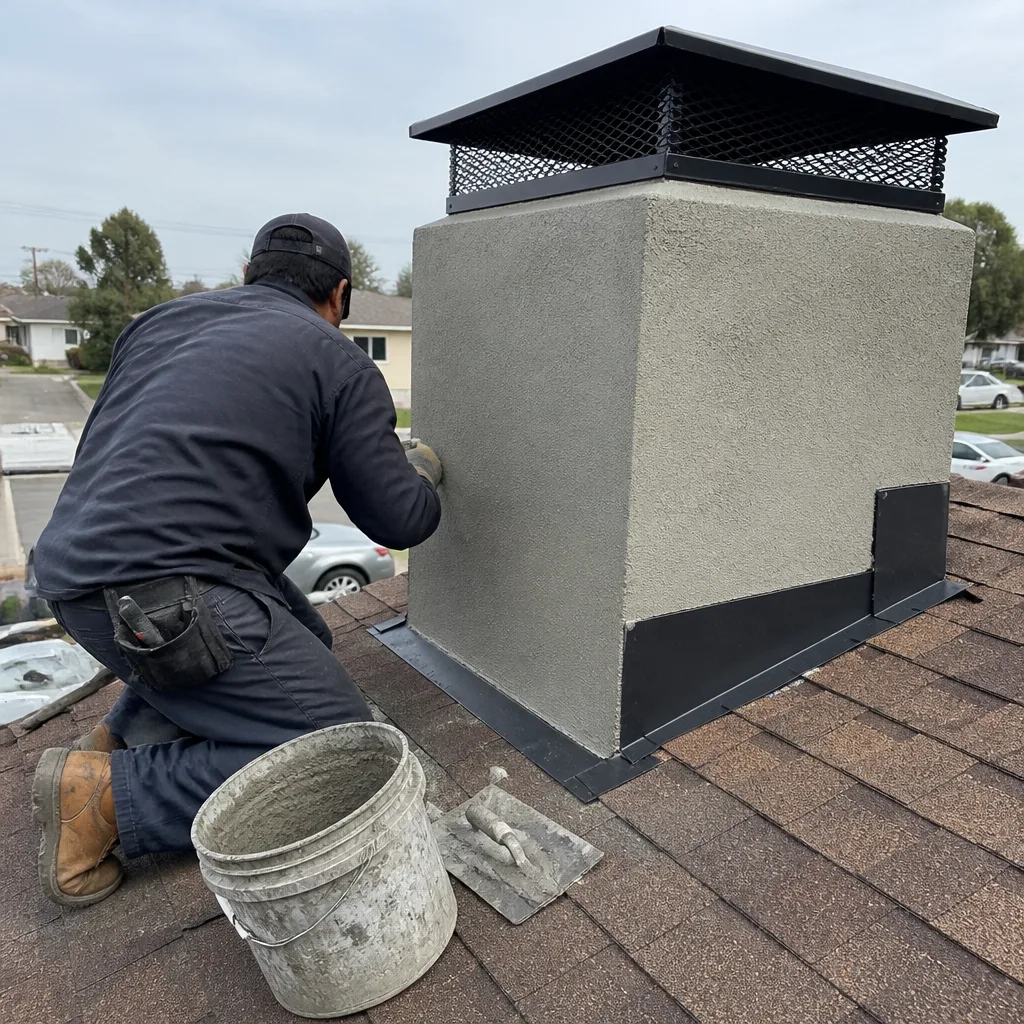 After
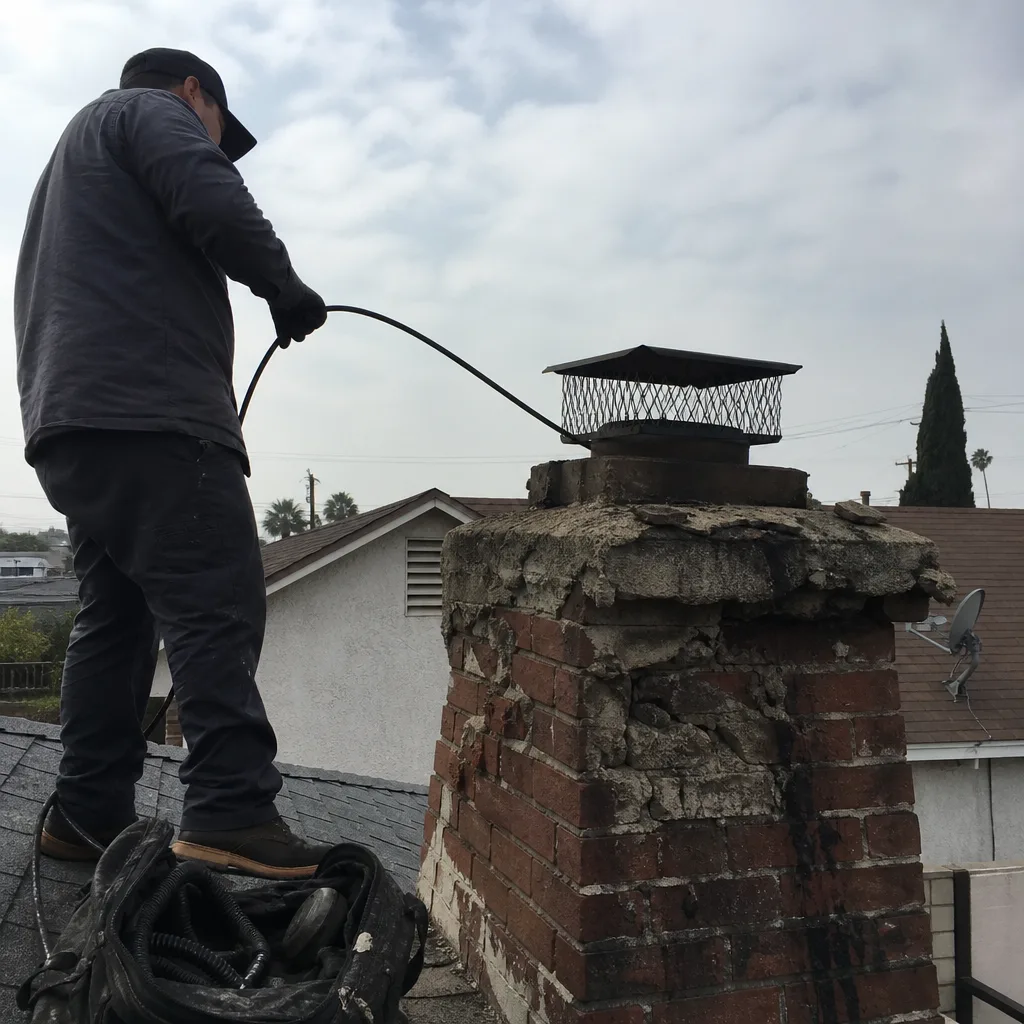 Before
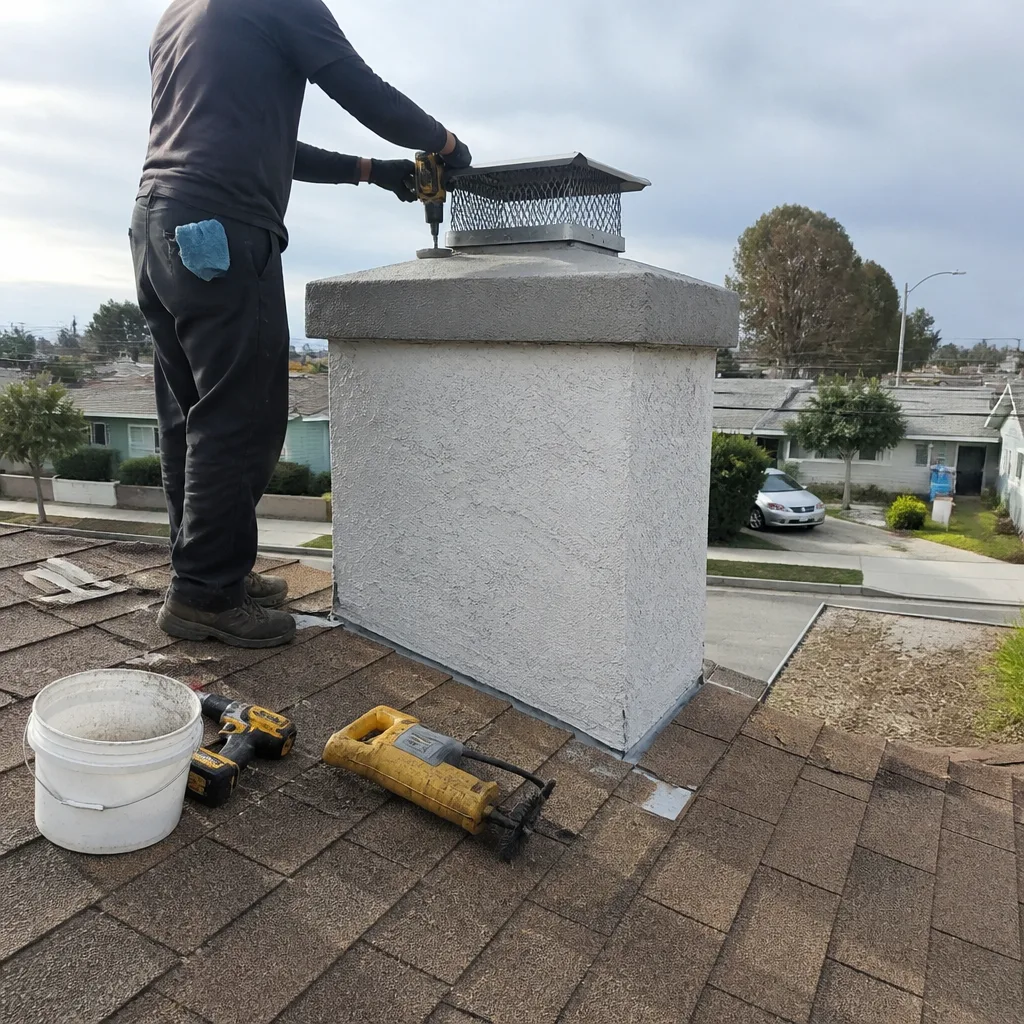 After