Last updated November 3, 2026
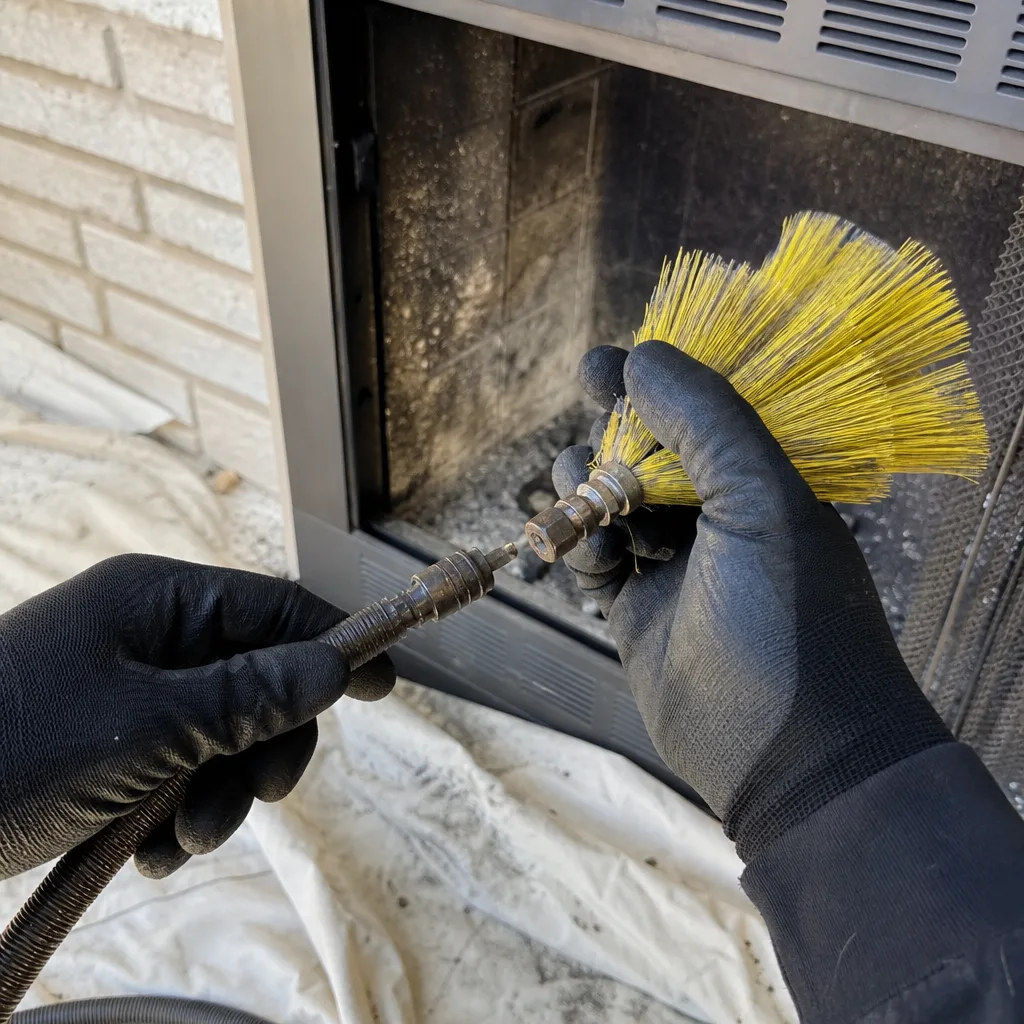
 Sweep & inspection
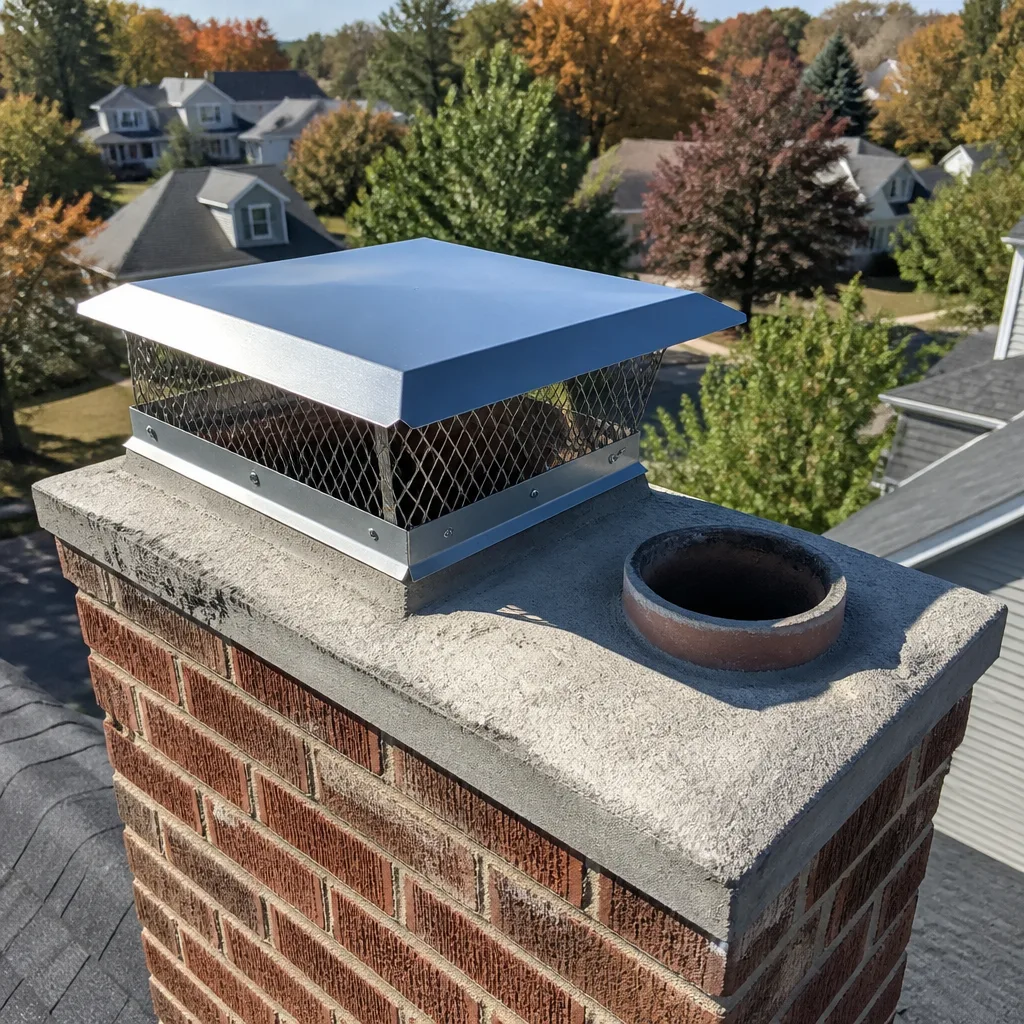
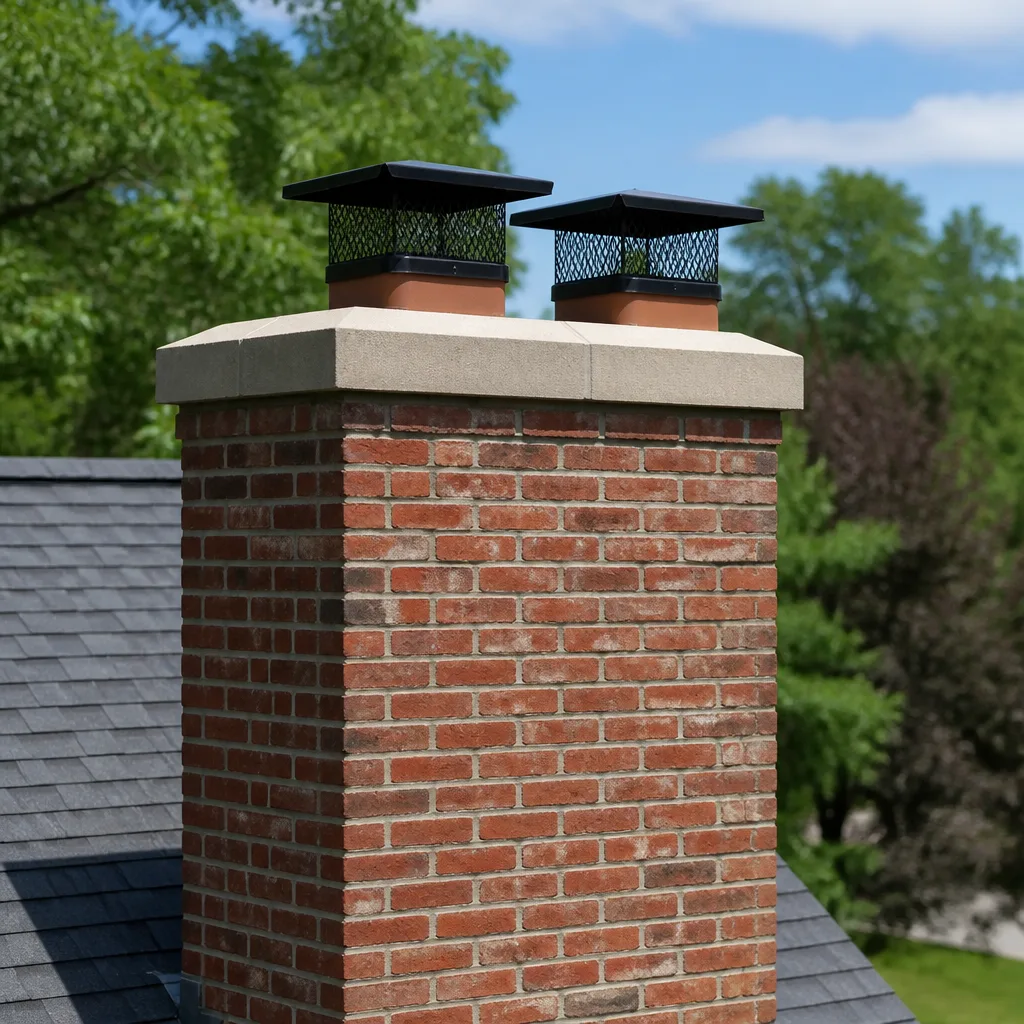 Caps & crowns
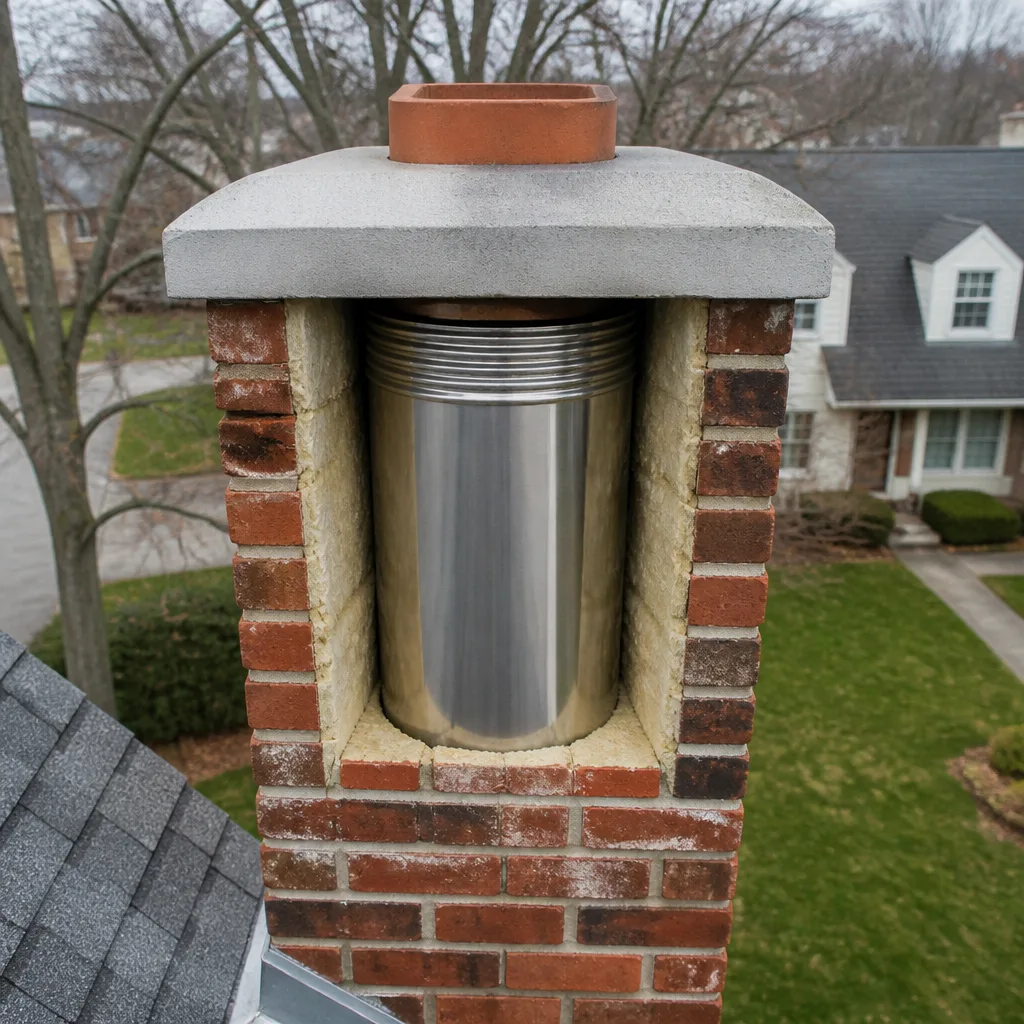 Flue relining
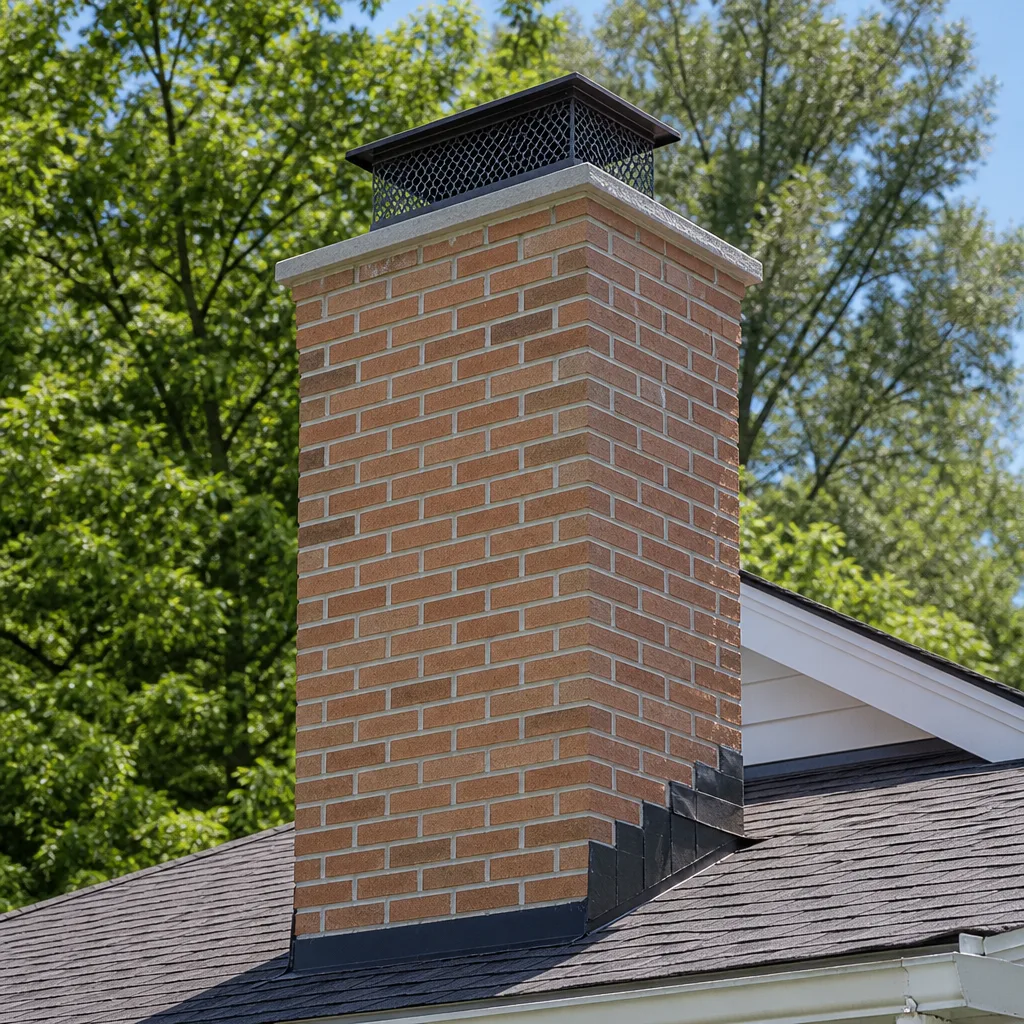 Masonry repair
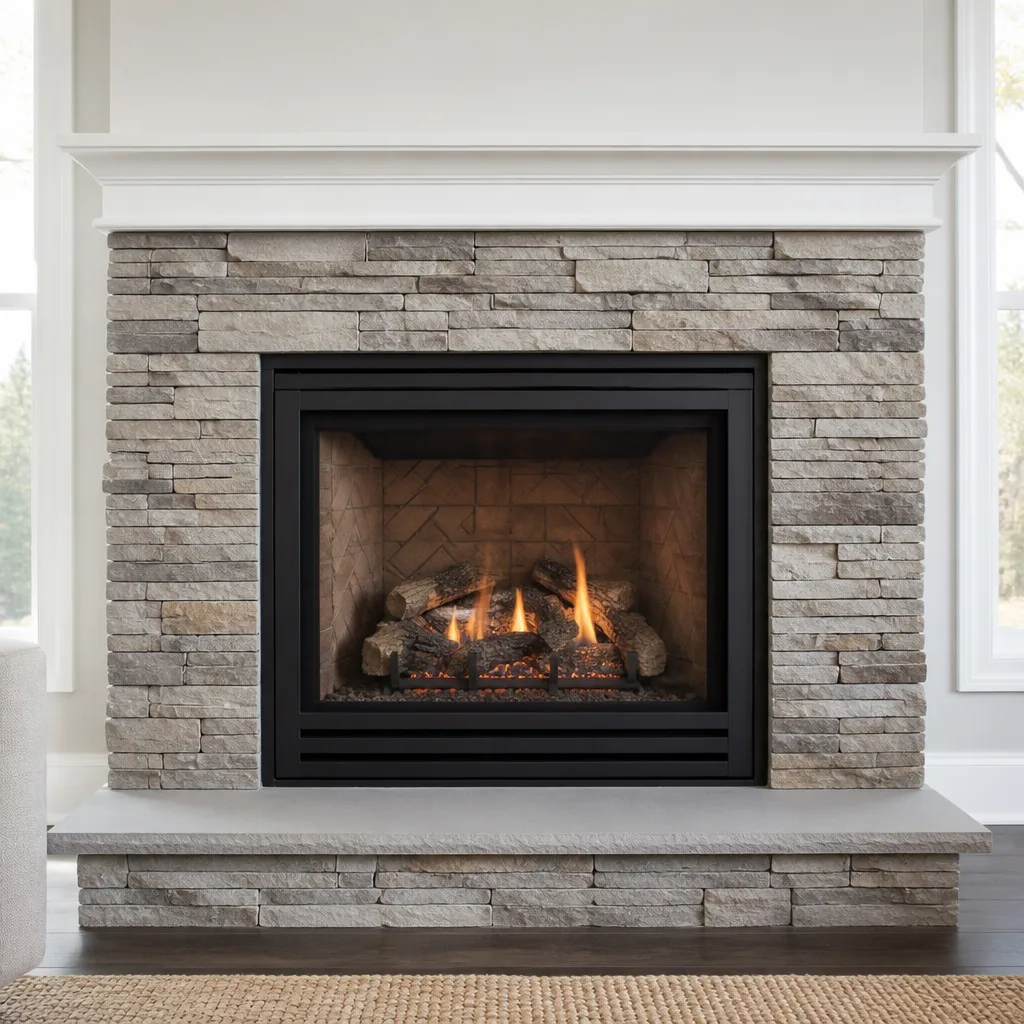 Gas fireplace service
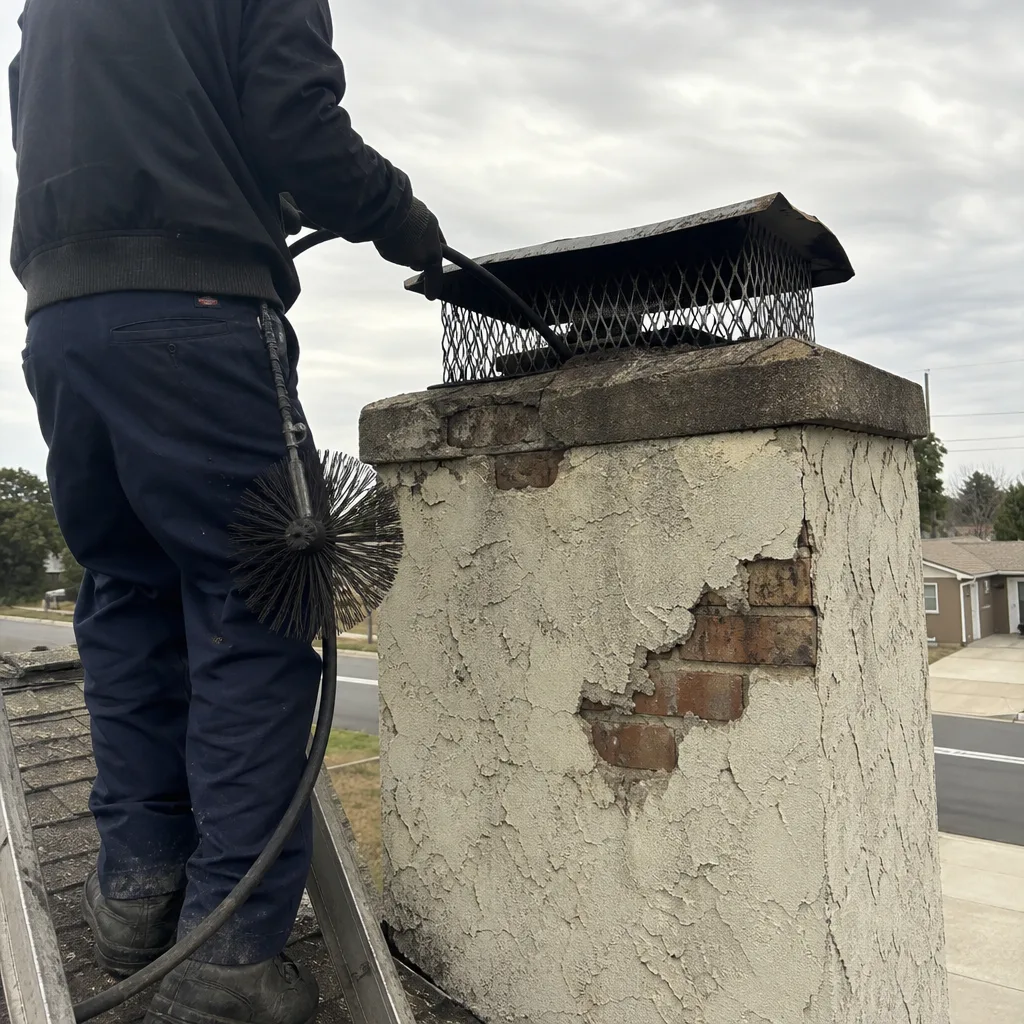
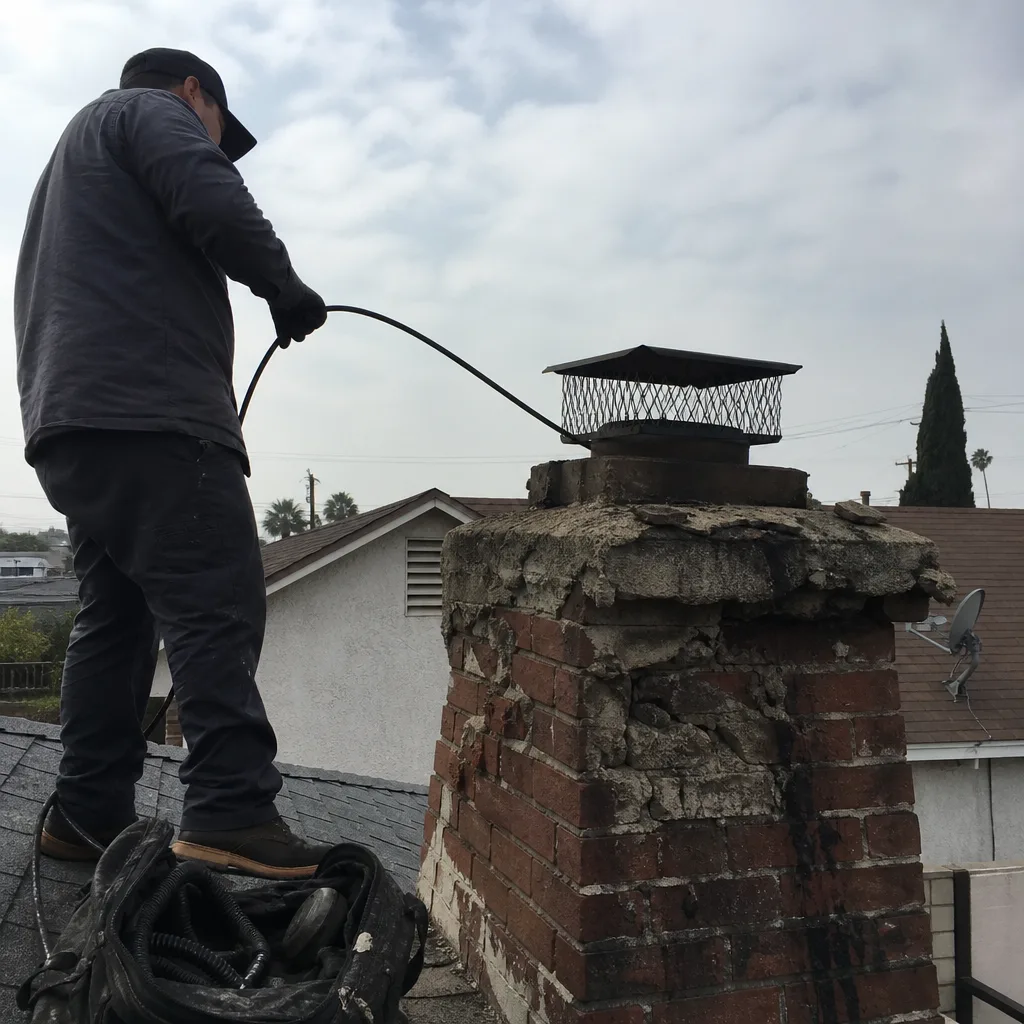
Level 1 sweep and inspection to the NFPA 211 annual standard - flue, crown, cap, and flashing checked and photographed
Chimney sweep logs do not sweep chimneys. They loosen some creosote - which then falls where a brush and vacuum still have to collect it.
Choosing the Right Chimney Cleaning Brand: A Buyer’s Guide for Lynwood
Two contractors can quote you a chimney relining job at similar prices and deliver completely different systems. One liner is certified to UL 1777 and built from professional-grade stainless alloy. The other is a generic flexible tube that meets no testing standard. The difference won’t show up until there’s a problem, and by then you’re paying twice. This guide is about the part of chimney work most Lynwood homeowners never see: the materials and brands that go inside the flue, behind the cap, and between the bricks. By the end, you’ll know exactly which questions to ask before signing a work order.
Quick Answer
Choosing the right chimney cleaning brand means asking which specific products a contractor installs, not just which company name is on the invoice. For a deeper look at what this process involves, see The Complete Chimney Sweep Guide for Lynwood Homeowners. Professional-grade brands like HeatShield, Olympia Chimney, and Gelco carry UL listings and manufacturer-backed warranties that consumer-grade products don’t. In Lynwood, where older masonry chimneys and wood-burning fireplaces are common, material quality determines whether a repair lasts five years or thirty.
Styles & brands we work with
- Sweep & inspection
- Caps & crowns
- Flue relining
- Masonry repair
- Gas fireplace service
Table of Contents
- Why Materials Matter More Than the Labor Quote
- The Four Product Categories That Actually Matter
- Brand Names Worth Knowing: What Professionals Actually Use
- Why UL Listings Separate Real Systems from Imitations
- Seven Questions to Ask Any Chimney Contractor in Lynwood
- The Warranty Connection: Why Wrong Materials Void Coverage
- What Lynwood Homeowners Specifically Need to Know
- Common Mistakes to Avoid
- When to Call a Professional
- Frequently Asked Questions
Why Materials Matter More Than the Labor Quote
A chimney sweep is a service, and like most services, homeowners comparison-shop by price. That’s a mistake with chimneys, because the products installed during a repair or relining job are the job. Sweeping can be done by almost any trained technician with a brush and vacuum. But when your chimney needs a new liner, a rebuilt crown, or a sealing treatment, the material brand matters as much as the person installing it. The same crew doing the same labor with a different liner system produces a different chimney.
Think of it this way: you wouldn’t judge two kitchen remodels purely by the contractor’s day rate if one installed plywood cabinets and the other installed solid maple. The material is the deliverable. In Lynwood, where many homes were built between the 1940s and 1970s, chimneys often need more than a sweep. Older flues may have deteriorated clay tile liners. The repair choice, whether it’s a HeatShield resurfacing or a full DuraFlex liner replacement, changes the long-term outcome. The brand name on that product is your best proxy for what the contractor’s standards actually are.
We’ve seen Lynwood homeowners approve repair quotes without asking a single question about the liner brand. Then the install fails, the warranty is worthless because the product was uncertified, and the chimney problem returns. Material transparency is not a luxury question. It’s the difference between a repair and a repeat repair.
The Four Product Categories That Actually Matter
Chimney work involves surprisingly few product categories, but each one has professional and consumer versions. Knowing the difference helps you evaluate any quote you receive from a Chimney Sweep in Lynwood or any contractor working in the area.
1. Chimney Liners
This is the big one. A chimney liner is the tube that carries smoke and combustion gases from your fireplace or stove up through the flue and out of your home. Liners serve three functions: they protect the masonry from heat and corrosion, they properly size the flue to the appliance for efficient draft, and they contain dangerous gases like carbon monoxide. Professional-grade liners are made from specific stainless steel alloys (typically 316L or 304 grades) and carry UL 1777 certification. Consumer-grade or off-brand liners may use thinner metal, unknown alloy compositions, or no testing certification at all.
2. Sealants and Restoration Products
Before a full liner replacement happens, many chimneys can be restored using specialized sealant systems. HeatShield is the recognized name in this category. It’s a cerfractory sealant applied to the interior of a damaged flue to restore structural integrity and gas-tightness. This is a repair-first approach, and it costs significantly less than tearing out the old liner and installing a new one. The material itself is the product, so the brand is everything. A generic sealant from a hardware store is not the same application. HeatShield is a proprietary ceramic-based system tested for flue environments.
3. Chimney Caps and Terminations
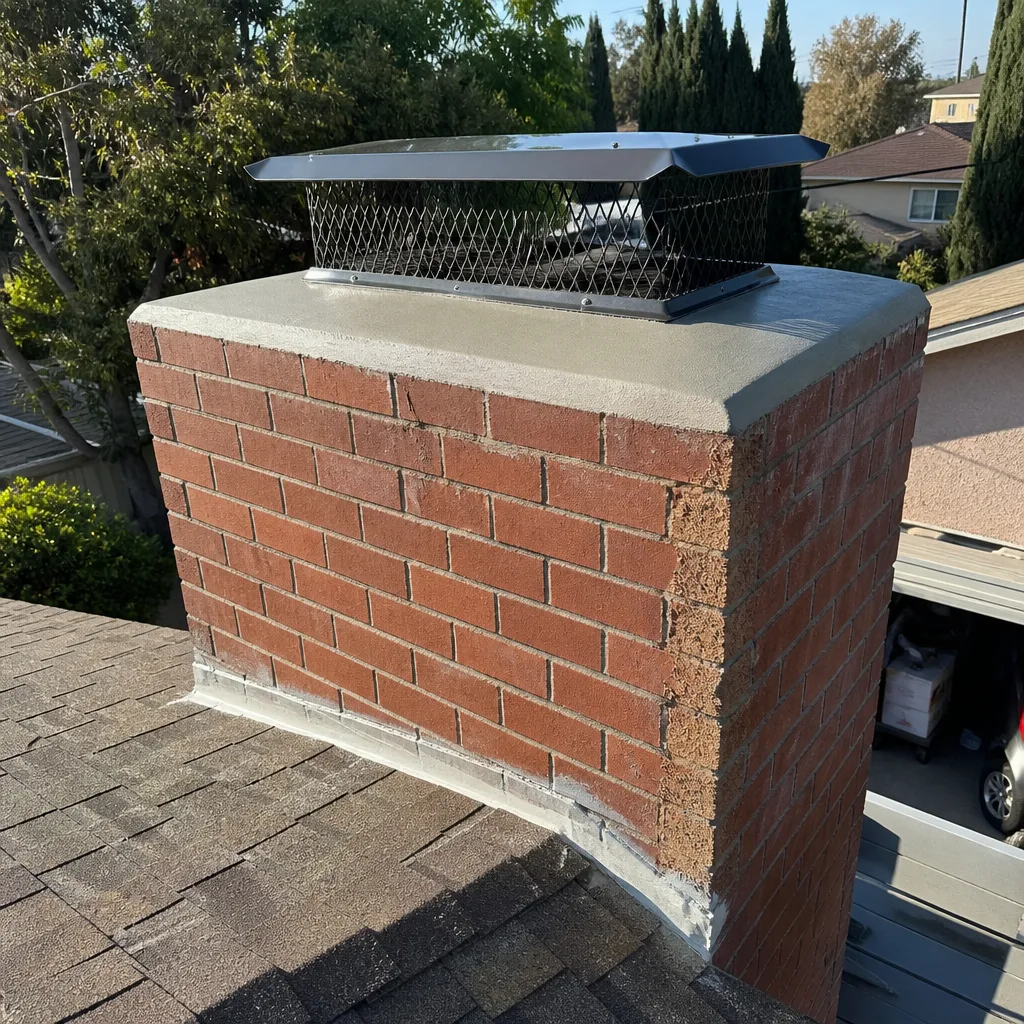
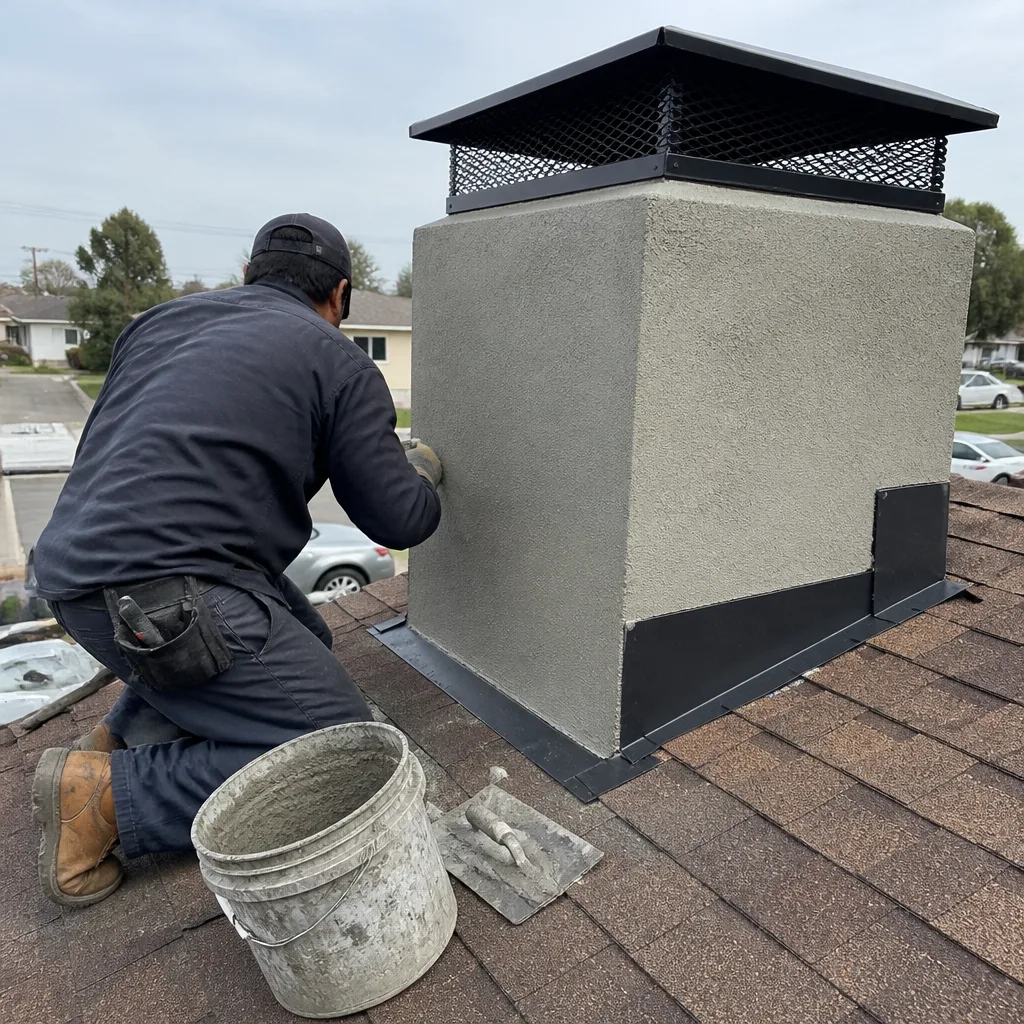
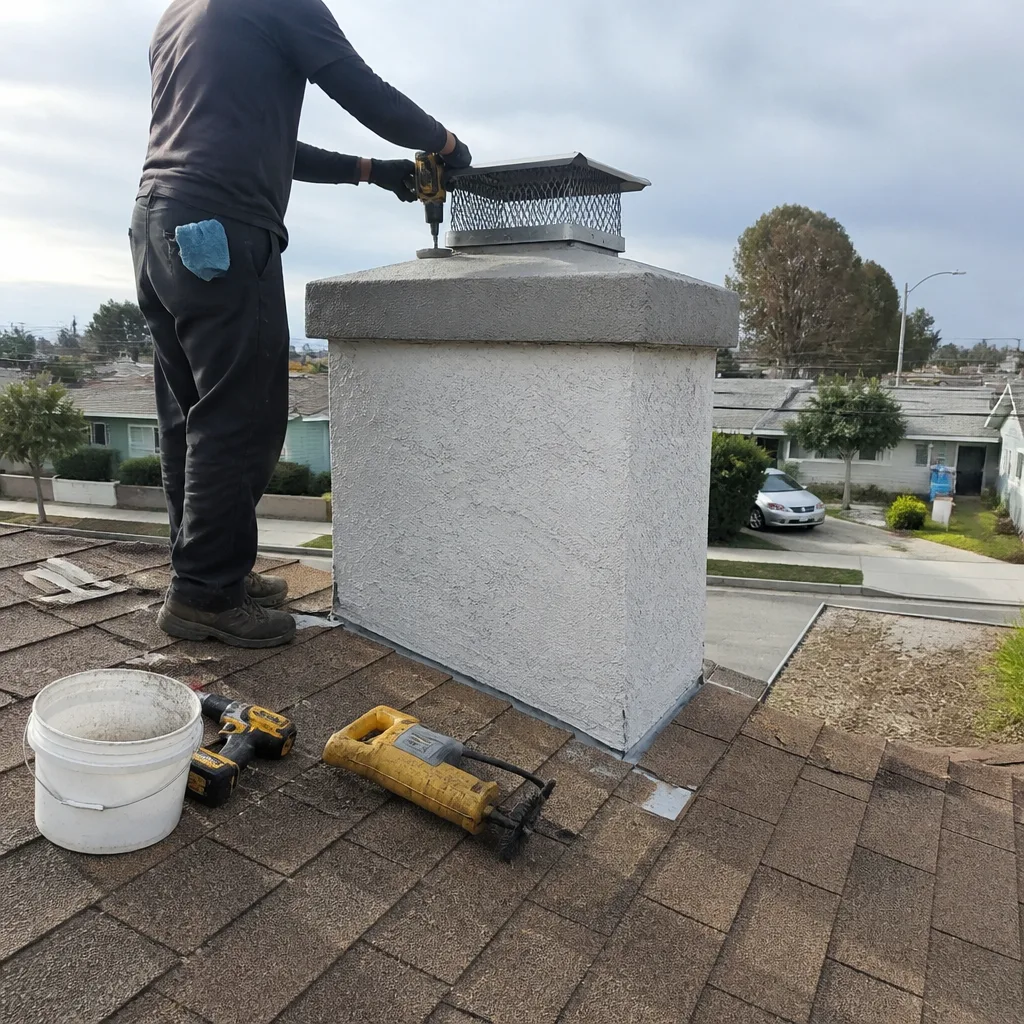
The cap at the top of your chimney does more than keep rain out, though that alone is critical in Lynwood’s seasonal weather patterns. A proper cap prevents downdrafts, keeps animals and debris out, and contains sparks that could ignite your roof or surrounding vegetation. Professional manufacturers like Gelco and Famco produce caps and shrouds in specific sizes and materials (stainless, copper, galvanized). What separates their products from a big-box store cap is fit tolerance and durability. A poorly fitting cap lets water in around the edges, which is exactly how chimney crowns and masonry start deteriorating.
4. Creosote Treatments and Maintenance Products
After a sweep, some homeowners ask about creosote treatments that claim to make future cleanings easier or reduce buildup. The professional-grade options in this category are modest, and our position is straightforward: nothing replaces mechanical sweeping. If a chemical treatment is recommended, ask what specific product it is and what it’s supposed to accomplish. Most professional sweeps don’t rely on these products as a substitute for physical cleaning, and any contractor who pushes them heavily is probably padding the invoice.
Brand Names Worth Knowing: What Professionals Actually Use
We name the brands we use because we stand behind what goes into your home. You should expect any contractor in Lynwood to do the same. Here’s what the serious names in the industry are known for.
HeatShield
HeatShield is the leading cerfractory flue restoration system in North America. Originally developed as an eco-friendly solution for failing clay tile liners, it’s now manufactured by the makers of one of the longest-running refractory products in the chimney industry. HeatShield is applied by certified technicians only. The material is drawn up through the flue in a specific process that resurfaces the interior, sealing cracks and gaps that would otherwise leak gases into the home or allow heat transfer to combustible framing. For Lynwood homes with original clay tile liners showing age cracks, HeatShield is often the difference between a $2,000 restoration and an $8,000 relining.
Olympia Chimney
Olympia Chimney manufactures liners, caps, dampers, and a full range of venting components for both masonry and factory-built chimneys. What professionals know about Olympia is that their flexible liner systems carry the right certifications and come in proper alloy grades. They also produce a wide range of termination products and accessories that fit together as a system. That matters during installation, when mismatched components from different manufacturers become the weak point of a liner job.
Gelco
Gelco is known primarily for chase covers, chimney caps, and custom sheet-metal terminations. These are the components that sit at the very top of the chimney and take the most weather abuse. In Southern California, that means UV exposure and occasional heavy rain. A Gelco stainless cap is a different product from a generic steel cap with a spray coating. The difference shows up in five to seven years when the generic cap is rusting through and the Gelco cap still looks and functions like the day it went on.
Famco
Famco is another established name in termination products: caps, dampers, shrouds, and specialty venting pieces. Like Gelco, Famco serves the professional trade rather than the retail consumer market, which means their products are sized and specified for real chimney configurations, not one-size-fits-most compromises.
What unites all four of these brands is that casual homeowners rarely see them in retail stores. They move through the professional distribution chain because installers who work with them daily understand why a $300 cap is a different product from a $40 cap. For a full-service Chimney Repair in Lynwood operation, using these product lines signals that the contractor’s standards match the materials.
Why UL Listings Separate Real Systems from Imitations
Here’s the fact most homeowners never hear: a flexible chimney liner is not just a metal tube. It’s a safety component that contains fire, heat, and toxic gases. When it fails, the consequences can be a house fire or carbon monoxide poisoning. That’s why UL (Underwriters Laboratories) exists, and why the UL 1777 standard specifically covers chimney liner systems.
UL 1777 is not a manufacturer’s marketing claim. It’s a testing standard that exposes liner systems to specific fire conditions. The liner must contain a chimney fire of a specified intensity for a set duration without failing. The material must withstand measured temperatures without warping, cracking, or separating at the seams. The system, including any insulation, is tested as an assembly. When a liner is UL-listed, that means an independent lab tested the product and confirmed it meets the minimum safety bar.
An unlisted liner is an unknown. The manufacturer may claim the product is “just as good,” but no independent lab has verified that claim. For a homeowner in Lynwood, this creates real liability. If an unlisted liner fails and causes damage, your homeowner’s insurance may investigate whether the installed product met recognized safety standards. If it didn’t, your claim becomes complicated. More importantly, if an unlisted liner perforates during a chimney fire, the fire spreads into the home’s framing. The risk isn’t theoretical. It’s tested, quantified, and preventable by choosing listed products.
Ask any contractor to name the UL listing number of the liner they’re proposing. Professionals who install certified systems can answer immediately. Contractors who hem and haw are likely buying whatever’s cheapest at the supply house. That’s not a conversation you want to be having about a safety component inside your home.
Seven Questions to Ask Any Chimney Contractor in Lynwood
You don’t need to become a chimney materials expert to make a good hiring decision. You need to ask the right questions and listen for whether the contractor answers directly or deflects. Here’s the list we give every Lynwood homeowner who asks us how to evaluate a quote.
- “What specific liner or restoration product are you quoting?” The answer should be a brand name and a product line, not “a stainless liner” or “industry standard.” If the contractor can’t name the product, they’re not installing a product they trust.
- “Is that product UL-listed?” For liner systems, the answer must be yes, with a listing number. For caps and terminations, UL listing is less universal, but for anything that contains fire, it’s non-negotiable.
- “Who manufactures the cap and termination pieces?” Look for answers like Gelco, Famco, Olympia, or another professional brand. If the answer is “whatever fits,” you’re looking at residential-grade hardware store parts.
- “Do you offer restoration options before replacement?” A HeatShield-certified contractor can tell you whether your liner can be restored rather than replaced. A contractor who only sells full relining either lacks the capability or prefers the higher-ticket job. Either way, the answer tells you something.
- “Can you show me the damaged area on camera?” Modern chimney diagnostics include camera inspection. In our experience, any contractor worth hiring wants you to see the condition of your flue before approving work. This is the repair-first, trust-through-evidence approach we follow at Chimney Sweep Lynwood home.
- “What does the manufacturer’s warranty actually cover?” Warranty coverage is tied to proper installation. If the contractor can’t explain what the warranty covers, for how long, and what installation conditions maintain it, that’s a red flag.
- “Do you also handle dryer vent cleaning?” This question may seem unrelated, but it reveals whether the contractor treats fire hazards comprehensively or narrowly. A specialist who understands combustion safety across both chimney and dryer venting is thinking about your home’s overall fire risk, not just selling one service. One call covers your chimney and your dryer vent, two fire hazards, one visit. That’s the difference between a specialist and a single-task vendor.
The Warranty Connection: Why Wrong Materials Void Coverage
Here’s a scenario we’ve encountered more than once with Lynwood homeowners. A chimney liner was installed by a contractor who used an off-brand product. The liner failed after a few years. The homeowner called the manufacturer to file a warranty claim. The manufacturer’s first question was about installation conditions and approved installation methods. When those conditions weren’t met, because the contractor wasn’t certified to install that product, or used non-approved components alongside it, the warranty was void. The homeowner paid for the repair twice.
Manufacturer warranties exist to cover defects in materials and workmanship under specified conditions. Those conditions almost always include installation by a trained professional following the manufacturer’s installation manual. They often specify which components can and cannot be used alongside the primary product. If a contractor mixes a UL-listed liner with an off-brand connector or insulation, the listing is compromised and the warranty is gone.
This is why the material conversation matters on day one, not when something fails. When you hire a contractor who installs specific professional brands consistently, you’re hiring someone who has invested in the training and product knowledge those brands require. That investment shows up in the quality of the installation and in the validity of the warranty if anything goes wrong.
What Lynwood Homeowners Specifically Need to Know
Lynwood’s housing stock has a specific character. Many of the single-family homes in Lynwood were built during Southern California’s post-war building boom, roughly the late 1940s through the 1960s. Those homes often have masonry fireplaces with original clay tile liners. Clay tile liners were the standard for decades, and they served well, but they have a known failure mode: the mortar joints between tile sections crack under repeated heating and cooling cycles. Once those joints open up, combustion gases can reach the masonry and, in the wrong conditions, the framing. A professional chimney inspection in Lynwood commonly finds exactly this condition in homes of this vintage.
Southern California’s climate also plays a role. Lynwood doesn’t see the freeze-thaw cycles that destroy chimneys in colder regions, but the combination of UV exposure, occasional heavy rains, and decades of thermal cycling takes its own toll. Chimney crowns crack, caps rust, and water intrusion accelerates everything else that’s wrong. A home in Lynwood that’s never had a chimney inspection is very likely due for one.
For homeowners who’ve recently purchased an older home in Lynwood, the chimney assessment should be part of your early homeownership checklist, not an afterthought. The previous owner may not have used the fireplace or may not have maintained it. Before you light your first fire, have the flue camera-scanned. This is not a scare tactic. It’s the same approach you’d take with an old furnace or aging electrical panel. You verify the condition before you operate it.
Common Mistakes to Avoid
- Comparing quotes without comparing materials. A $4,000 liner job with an unlisted product is not the same value as a $5,500 liner job with a UL-listed Olympia or DuraFlex system. Ask what’s inside the quote before you compare numbers.
- Assuming a sweep includes a full inspection. Sweeping is cleaning, and it’s essential, but it’s not the same as a diagnostic inspection with camera documentation. Know which service you’re actually buying.
- Treating a chimney cap as optional. In Lynwood, an uncapped or poorly capped chimney lets water in every time it rains. Water is the root cause of most masonry chimney deterioration. A professional cap from a brand like Gelco or Famco is one of the least expensive ways to protect a much larger investment in your chimney structure.
- Ignoring the dryer vent while addressing the chimney. Dryer vent fires are one of the leading causes of residential fires, and many Lynwood homeowners don’t realize their dryer vent is a fire hazard until it’s clogged. If you’re already bringing in a chimney professional, ask about Dryer Vent Cleaning in Lynwood in the same appointment.
- Accepting “you need a new liner” without seeing the evidence. Some chimneys do need full relining. Many don’t. A HeatShield restoration can resolve the problem at a fraction of the cost. If a contractor recommends replacement without showing you camera footage of the damage, get a second opinion.
- Skipping maintenance because the fireplace “works fine.” A chimney can be functioning with significant hidden damage. The first sign of a problem shouldn’t be smoke in your living room or a chimney fire.
- Hiring a generalist contractor for chimney-specific work. Chimney systems have their own codes, their own material standards, and their own failure modes. A handyman who “does chimneys sometimes” is not the same as a specialist who works with professional-grade materials daily.
When to Call a Professional
Call a chimney professional if you see visible cracks in your chimney crown or masonry, if you smell smoke or musty odors coming from the fireplace when it’s not in use, if your fireplace smokes back into the room, or if you’ve never had a camera inspection and your home is more than twenty years old. If you’ve recently purchased a Lynwood home with a fireplace, schedule an assessment before your first burn season. If your dryer is taking longer than normal to dry clothes or the vent flap outside isn’t opening fully, that’s a venting problem worth addressing in the same visit. For more guides & resources, visit our blog, or call Chimney Sweep Lynwood at (855) 916-8513 for a free estimate in Lynwood.
Frequently Asked Questions
Yes, because the products installed during a chimney repair or relining are the actual safety components of your system. A heat-tested, UL-listed liner from a professional brand like Olympia Chimney or HeatShield is not the same product as an uncertified off-brand liner, even if both look like flexible metal tubes. The difference only appears when the system is stressed by a chimney fire or years of thermal cycling. For a specific recommendation for your Lynwood chimney, call (855) 916-8513 for a free assessment.
HeatShield is a cerfractory sealant system that resurfaces the interior of a damaged clay tile liner, sealing cracks and restoring the flue’s integrity without removing the existing liner. Full relining involves removing or bypassing the old liner and installing a new one, typically a flexible stainless system. HeatShield works on specific types and degrees of damage, and it costs substantially less than full relining. The right choice depends on the actual condition of your flue, which is why we camera-inspect before recommending either option. Call (855) 916-8513 to schedule an inspection in Lynwood.
The National Fire Protection Association recommends a chimney inspection at least once a year, with cleaning performed as needed based on the amount of creosote buildup. For everything you need to know about scheduling and what to expect, check out The Complete Chimney Sweep Guide for Lynwood Homeowners. Homes that burn wood regularly during Lynwood’s cooler months typically need annual cleaning. Homes that use the fireplace occasionally may need cleaning every other year. The only way to know is to have the flue inspected and the creosote level assessed. A professional sweep will tell you honestly whether cleaning is needed now or can wait.
You can spot some exterior warning signs: cracked or crumbling mortar joints, a rusted or missing chimney cap, efflorescence (white staining) on the brick, or a cracked crown. But the critical condition is the flue interior, and that’s invisible from the ground. Camera inspection is the only way to see cracked clay tiles, damaged mortar joints, or creosote buildup inside the flue. We include camera documentation with every inspection so you can see the condition for yourself before any work is recommended.
Creosote accumulates with every fire. Creosote is highly flammable, and enough of it turns a small spark into a chimney fire capable of cracking the liner, damaging the masonry, and in the worst cases spreading to the home’s framing. Separately, cracked liner joints allow carbon monoxide and other combustion gases to leak into the living space. Both failure modes are preventable with regular inspection and maintenance. The cost of a sweep is a fraction of the cost of a repair after a failure. Call (855) 916-8513 for an exact quote, estimates are free.
Yes. We offer chimney sweeping, chimney repair, and dryer vent cleaning as three distinct services, and they can be scheduled together for one appointment. Dryer vent cleaning addresses one of the leading causes of residential house fires, and many Lynwood homeowners prefer to handle both combustion and ventilation fire hazards in a single visit rather than coordinating two contractors. Call (855) 916-8513 to schedule a combined assessment.
The Bottom Line
The brand names inside a chimney repair quote tell you more about the contractor than the company name on the invoice. Professional-grade products from HeatShield, Olympia Chimney, Gelco, and Famco carry certifications, warranties, and performance histories that consumer-grade alternatives don’t have. When you’re comparing chimney companies in Lynwood, ask what products they install and why. Listen for specific brand names, UL listings, and camera-based evidence. A contractor who answers those questions directly is a contractor who does the work properly. A contractor who doesn’t is selling you an unknown. Your chimney is a fire containment system. Choose materials accordingly.
Ready to get your Lynwood chimney assessed? Call (855) 916-8513 for a free estimate and a camera-backed inspection from a team that names its brands and stands behind its work.
Written by the team at Chimney Sweep Lynwood, serving Lynwood since 2017.
See the difference
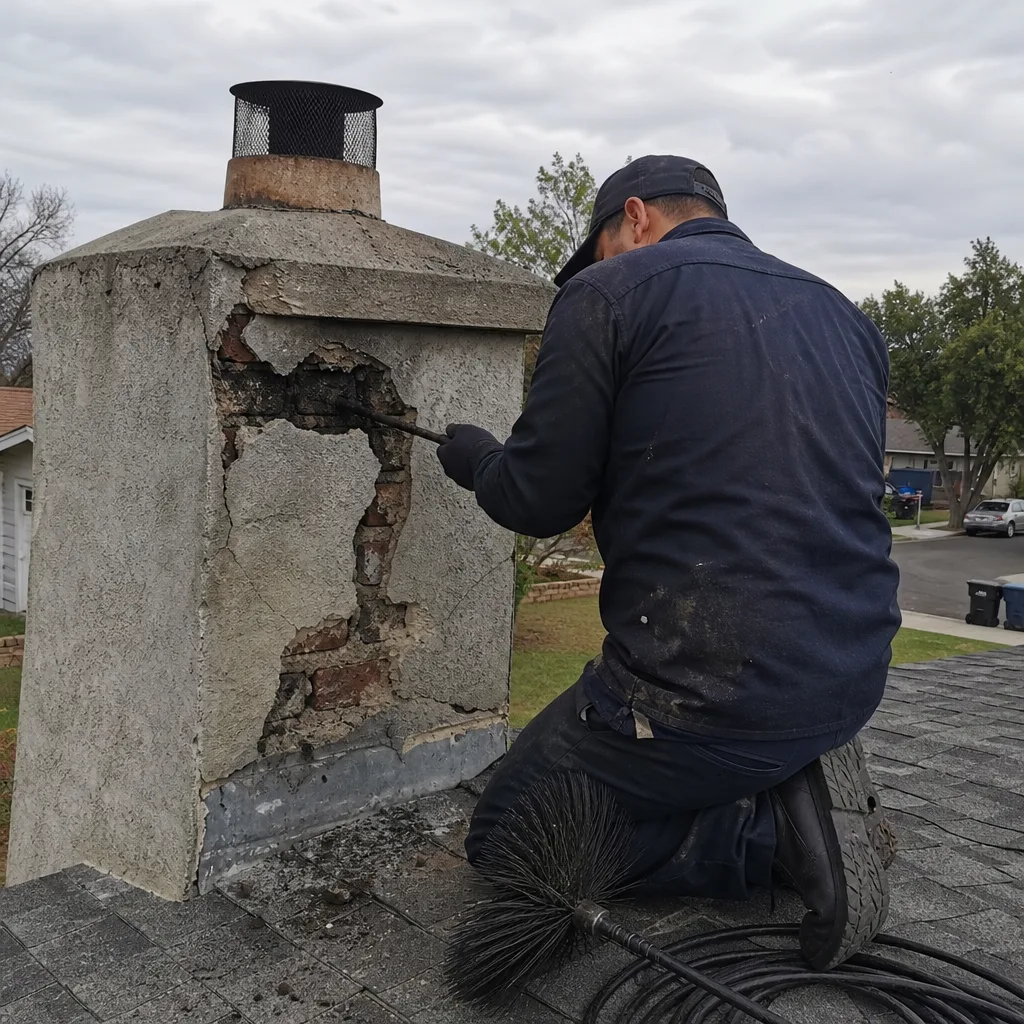 Before
 After
 Before
 After
 Before
 After