
Last updated November 3, 2026
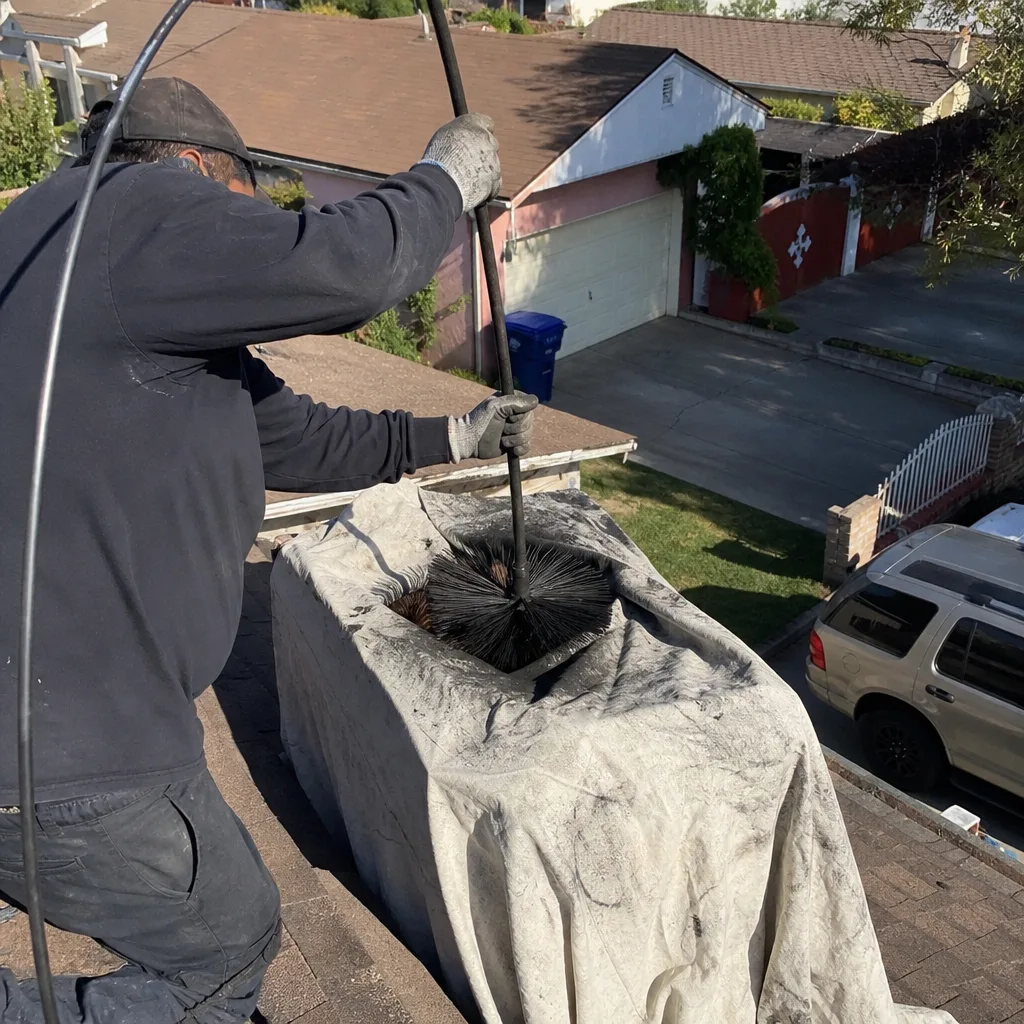
 Sweep & inspection
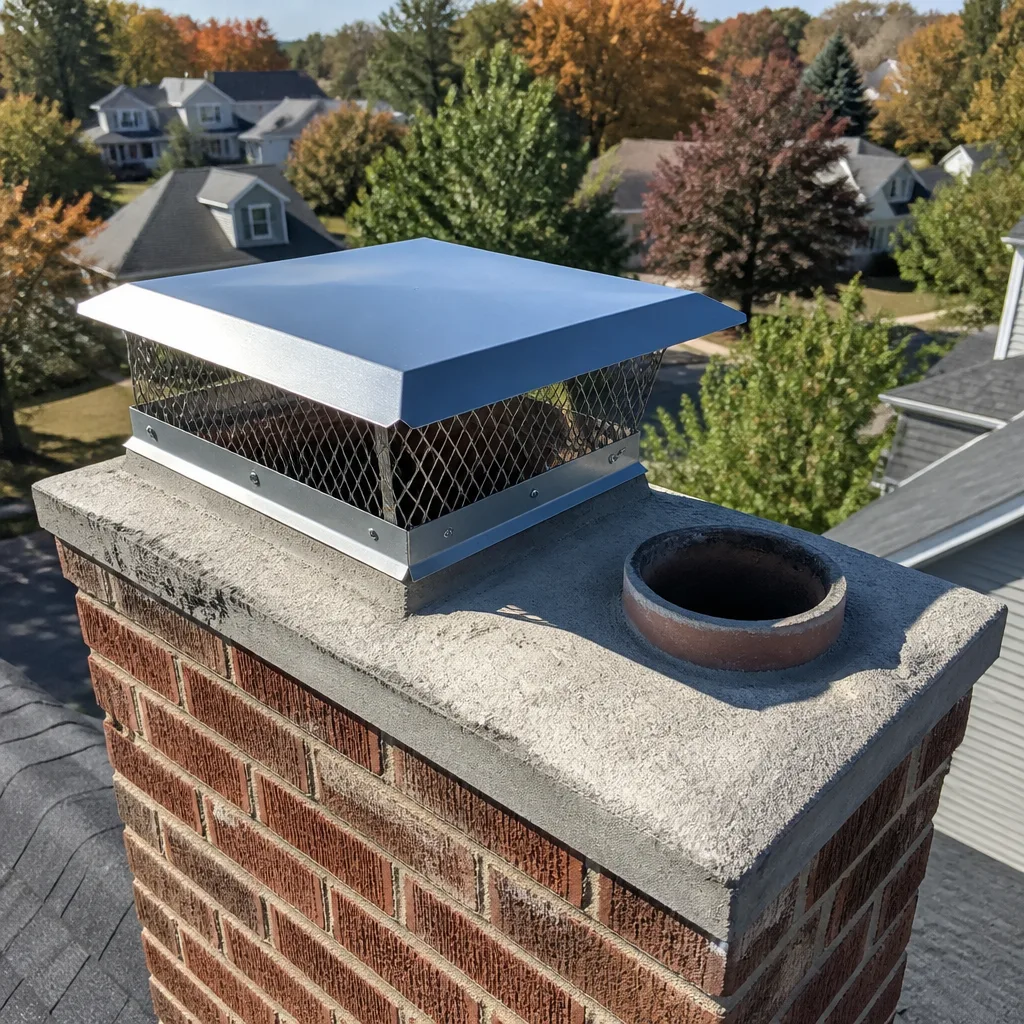
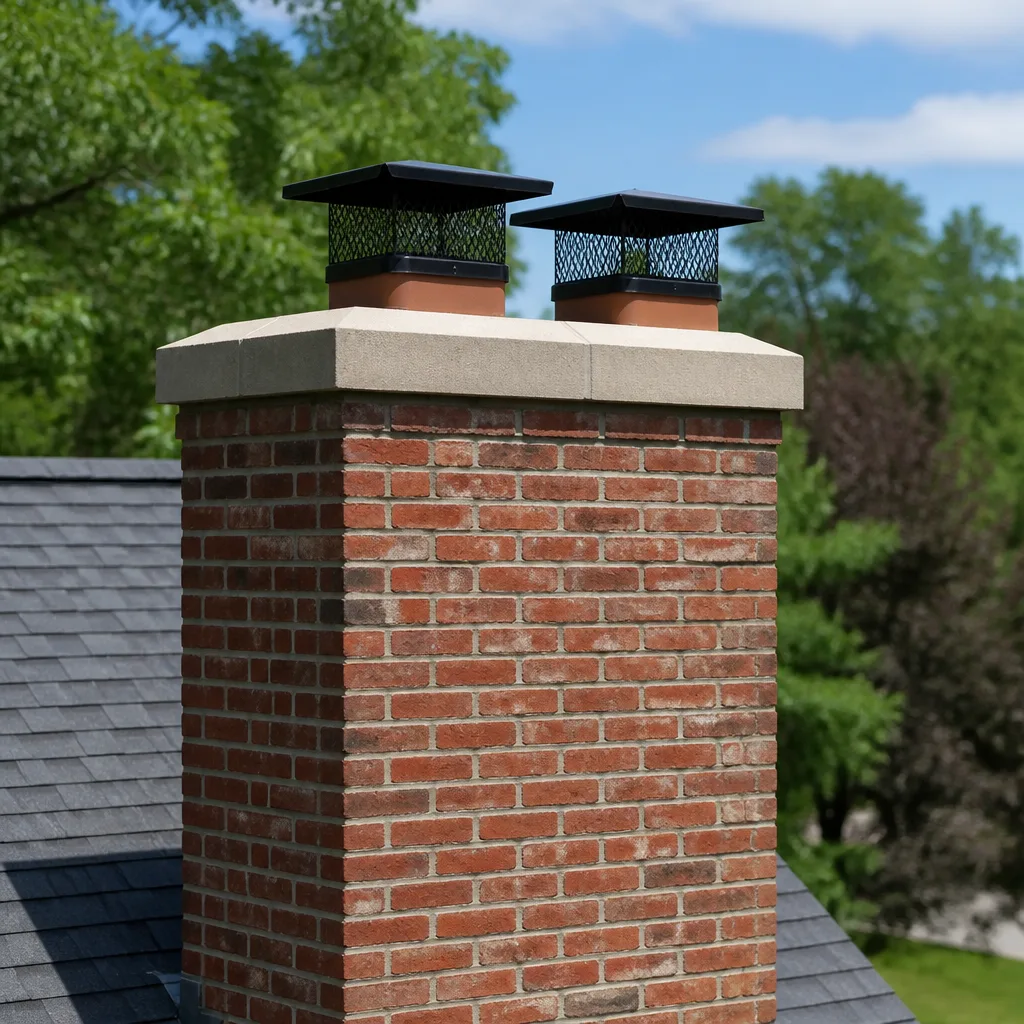 Caps & crowns
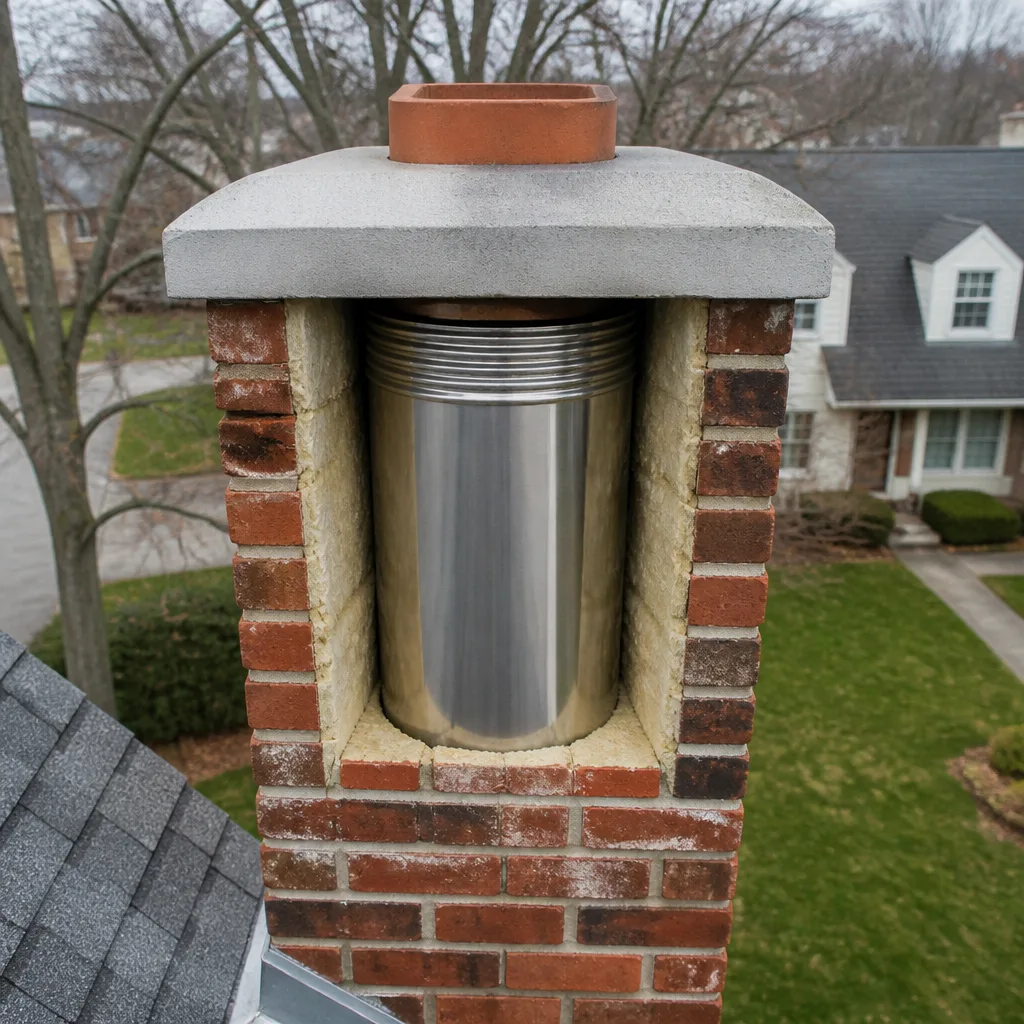 Flue relining
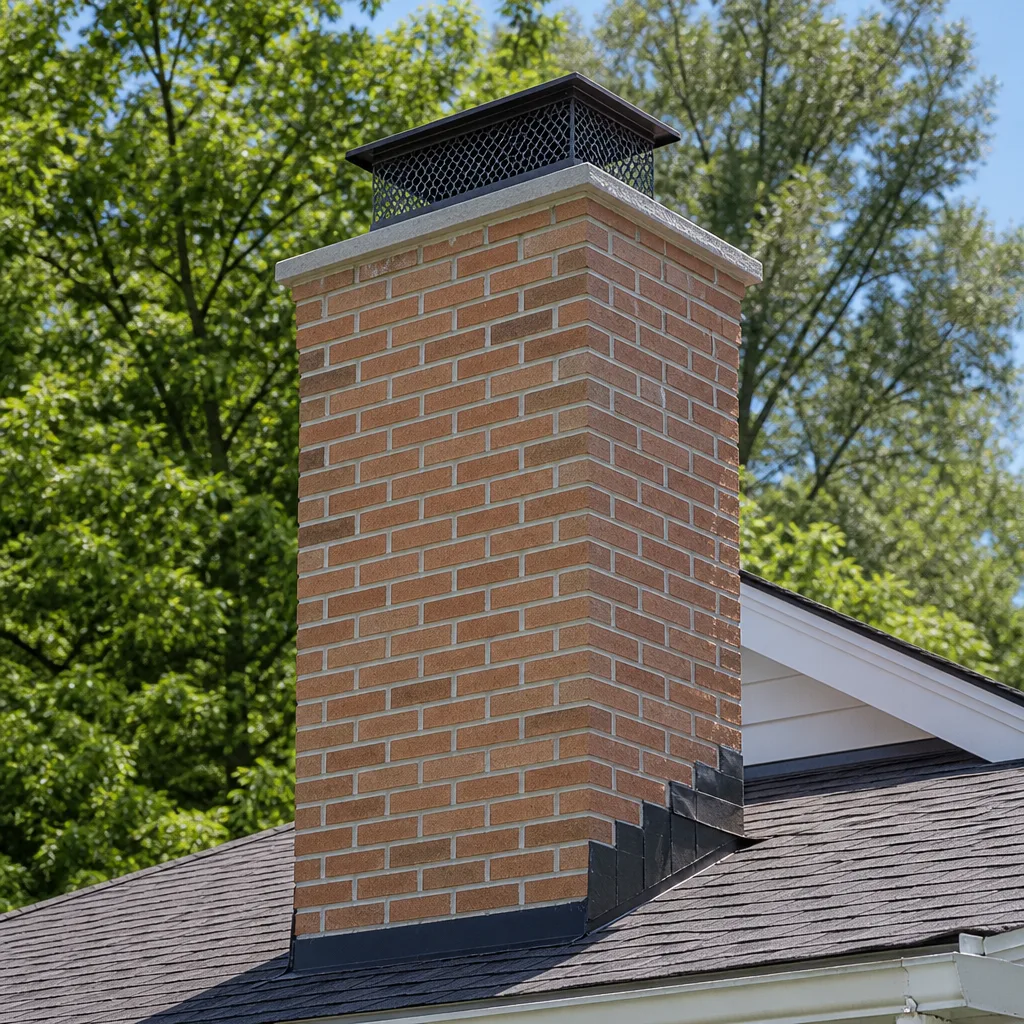 Masonry repair
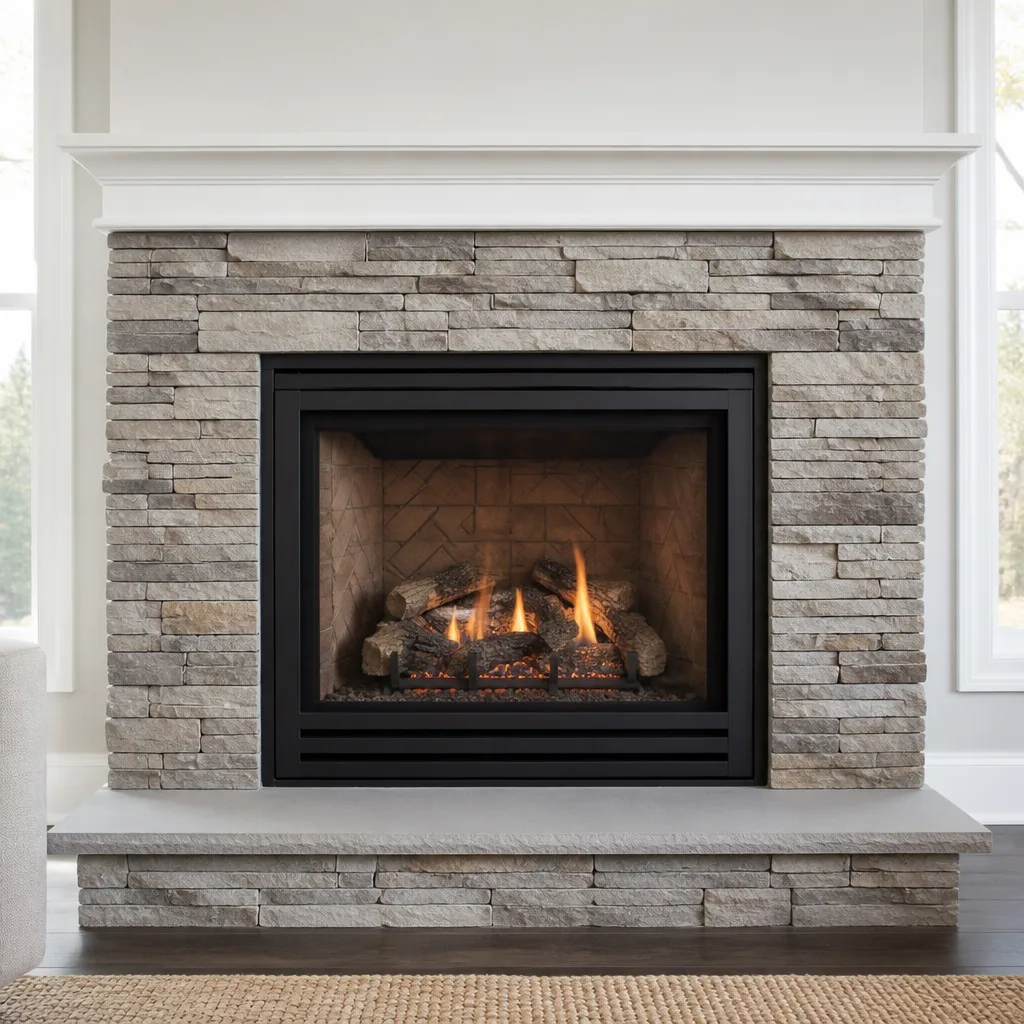 Gas fireplace service
Level 1 sweep and inspection to the NFPA 211 annual standard - flue, crown, cap, and flashing checked and photographed
Chimney sweep logs do not sweep chimneys. They loosen some creosote - which then falls where a brush and vacuum still have to collect it.
The Complete Chimney Sweep Guide for Lynwood Homeowners
Most chimney fires in Southern California happen in fireplaces that were “recently cleaned.” The sweep came, the brush went up, the invoice got paid, and nobody checked what the cleaning was supposed to uncover. In Lynwood, where winters are short and mild, fireplace use is inconsistent and that irregular schedule creates a specific set of problems: hard glaze deposits that a standard brush won’t remove, moisture intrusion that goes unnoticed for years, and masonry deterioration that progresses quietly behind the drywall. This guide explains what a chimney sweep in Lynwood actually involves, what each inspection step reveals, and how to read the report you should be getting from your technician.
Quick Answer
A professional chimney sweep in Lynwood, CA is a multi-step diagnostic process, not just a brushing. It includes a thorough inspection of the firebox, damper, flue liner, smoke chamber, and exterior crown, followed by creosote removal appropriate for the deposit type and a written report of findings. Expect to pay between $180 and $340 for a standard sweep and inspection in the Lynwood area, with additional costs if camera scanning or liner restoration is recommended.
Styles & brands we work with
- Sweep & inspection
- Caps & crowns
- Flue relining
- Masonry repair
- Gas fireplace service
Table of Contents
- What a Lynwood Chimney Sweep Actually Includes
- Why Lynwood’s Climate Changes the Creosote Math
- Level 1 vs. Level 2 Inspections: When the Camera Matters
- The Sweep Sequence: Firebox to Crown, Zone by Zone
- Gas Fireplace Venting in Older Lynwood Homes
- How to Read the Written Report: 3 Findings That Should Trigger Repair
- Dryer Vents: The Second Fire Hazard Worth Scheduling
What a Lynwood Chimney Sweep Actually Includes
A legitimate sweep appointment runs longer than most homeowners expect, usually 60 to 90 minutes for a standard single-flue fireplace. The brush work matters, but it’s the systematic inspection around the brushing that delivers the real value. Here’s what a full-service chimney sweep in Lynwood should cover in a single visit:
- Firebox inspection: Checking the brick or refractory panels for cracks, spalling, and gaps where heat or embers could reach combustible framing.
- Damper function test: Confirming the damper opens, closes, and seals properly. A warped damper plate lets conditioned air escape year-round.
- Smoke chamber and flue inspection: Looking for creosote accumulation, flue tile misalignment, and gaps in mortar joints that indicate structural movement.
- Creosote removal: Mechanical brushing or rotary cleaning appropriate to the deposit type. Stage 1 soot brushes off. Stage 2 and Stage 3 glaze requires rotary tools with steel or carbide chains.
- Chase cover and crown check: Examining the exterior top of the chimney for cracks, rust, and failed sealant that lets water into the masonry.
- Written report: A clear summary of what was found, what was cleaned, and what, if anything, needs follow-up repair.
Skip any of these and you’ve paid for a partial service. In our experience serving Lynwood homes, the reports that matter most are the ones where the technician found something the homeowner didn’t know about. That’s the point of hiring a specialist rather than a coupon-deal operator with a brush and a truck vacuum.
Why Lynwood’s Climate Changes the Creosote Math
Lynwood sits in a coastal-influenced climate zone where winter temperatures rarely drop below the mid-40s. Fireplace use is optional, not survival. That seems like good news for chimney maintenance, and in some ways it is, but the infrequent burn pattern creates a specific problem: low-temperature fires that produce heavy creosote condensation instead of clean, hot burns.
When a homeowner lights a fire on a 55-degree evening, the flue never reaches the temperatures needed to carry combustion byproducts up and out efficiently. The smoke lingers, cools against the flue walls, and deposits tar-like creosote. Burn that same fireplace twice a month from November through February, and the creosote layers build on top of each other, forming the hard, shiny glaze that Stage 3 deposits are made of. A standard flat-wire brush won’t touch it. Rotary cleaning with aggressive tooling will.
Lynwood’s coastal humidity compounds the problem. Moisture that settles into porous creosote accelerates its hardening. Chimneys in drier inland climates often maintain fluffier deposits that clean up easily. Here, we regularly find glaze in fireplaces that have only seen 15 or 20 fires per season. The home’s age in Lynwood also matters. Many homes in this area were built in the 1950s and 1960s with terra cotta flue liners that are now six decades old. The liner material itself may have hairline cracks that creosote seeps into, creating a fire risk that a surface-only sweep would never identify.
Level 1 vs. Level 2 Inspections: When the Camera Matters
For more guides & resources, see our other posts. The National Fire Protection Association standard, NFPA 211, defines three levels of chimney inspection. Most homeowners have never heard these terms, but knowing the difference determines whether you’re getting a real safety assessment or a visual once-over.
Level 1 inspection covers the readily accessible portions of the chimney: the firebox, damper, visible flue from the top and bottom, and the exterior crown and cap. This is the standard inspection that accompanies routine annual sweeping when the homeowner has used the same appliance in the same way with no problems. The technician uses a flashlight and mirror, sometimes a basic scope if accessible. It’s appropriate for maintenance visits where nothing has changed.
Level 2 inspection adds camera scanning of the full flue interior, plus inspection of attic and crawlspace areas where the chimney passes through the home. The camera reveals what a top-down mirror view cannot: cracked flue tiles, hidden gaps in mortar joints, animals or nests, and liner deterioration mid-flue. You need a Level 2 inspection in Lynwood if:
- You’ve just bought the home and have no chimney history.
- The home has never had a documented inspection since you’ve lived there.
- You’re changing fuel type, such as converting from wood to gas or installing a new insert.
- There’s been a chimney fire, earthquake, or roof replacement that may have disturbed the structure.
- The previous report noted masonry or flue concerns that warrant a closer look.
A camera scan adds cost to the appointment, typically $100 to $200 on top of the standard sweep in the Lynwood market, but it’s the only way to see what’s actually happening inside an aging flue system. If a home is older than 40 years and no one can confirm the liner’s condition, the camera pays for itself by preventing a fire or a failed liner.
The Sweep Sequence: Firebox to Crown, Zone by Zone
A professional chimney sweep works from the bottom up and the inside out, following a logical sequence that ensures no zone gets skipped, as detailed in The Complete Guide to Chimney Cleaning in Lynwood. Here’s the step-by-step progression a qualified technician follows in a Lynwood home, and what each zone should look like when the job’s done right.
- Floor and hearth protection: Drop cloths or floor runners go down before any equipment enters the home. The technician should treat your floors like their own. If the crew walks in with a vacuum and a brush and no floor protection, that’s a red flag.
- Firebox assessment: The technician inspects the firebrick or refractory panels for cracks wider than 1/16 inch, loose mortar, and gaps at the ash dump or side walls. Hairline cracks are cosmetic. Gaps you can fit a credit card into are structural. The firebox should be swept clean of ash and debris before the flue work starts.
- Damper check: The damper plate should open and close smoothly without grinding or sticking. A properly functioning damper seats flush when closed. If the damper has been removed or jammed open, the home is losing conditioned air every day of the year and the technician should note the repair on the report.
- Smoke chamber inspection: This is the angled transition area above the damper and below the flue. In older Lynwood chimneys, the smoke chamber is often corbeled brick with rough, jagged surfaces that catch creosote. It should be inspected for buildup and parged smooth where possible. A skipped smoke chamber inspection misses one of the most common creosote accumulation points.
- Flue brushing: The technician runs a correctly sized wire or poly brush from the top down or bottom up, capturing debris with a vacuum system. The brush diameter must match the flue dimensions. An undersized brush cleans poorly. An oversized brush jams and can damage fragile terra cotta liners. After brushing, the flue should be free of Stage 1 and Stage 2 creosote. Stage 3 glaze requires rotary tooling and may warrant a follow-up before the fireplace is considered safe to burn.
- Smoke test: After cleaning, a good technician conducts a simple smoke test or draft check to confirm the flue draws properly. Poor draft in Lynwood homes is often caused by nearby trees, negative air pressure from range hoods, or a chimney that’s too short or too close to a roofline peak. The report should note any draft issues and the likely cause.
- Crown and cap inspection: Up top, the technician examines the concrete crown for cracks, the cap for corrosion or missing screening, and the flashings where the chimney meets the roof. In Lynwood’s coastal air, galvanized steel caps corrode faster than inland. The crown should be crack-free and sloped to shed water. Failed crown sealant is the number one cause of water-damaged chimneys in our area.
- Cleanup and report: The technician removes all equipment, leaves the firebox free of debris, and takes photos of anything significant for the written report. You should receive the report on-site or within 24 hours. Verbal only is not a report.
Each zone produces specific findings, and a chimney sweep in Lynwood CA who works through this sequence methodically is doing the job correctly. Speed is not the measure of a good sweep. Thoroughness is.
Gas Fireplace Venting in Older Lynwood Homes
Many Lynwood homes built between 1950 and 1980 have wood-burning masonry chimneys that were later converted to gas log sets or gas inserts. That conversion creates a different inspection checklist than a traditional wood system, and homeowners often don’t realize their gas fireplace needs service at all because there’s no ash to clean up.
The reality is that gas appliances produce combustion byproducts too, including acidic condensation that eats at mortar joints and metal components. A gas log set in a masonry chimney needs the following checks:
- Vent configuration verification: Is the gas log set properly sized for the flue? A gas appliance vented into a chimney originally designed for wood fire often needs a properly sized liner to maintain draft and prevent condensation. This is where a chimney repair in Lynwood specialist earns their keep.
- Connector and termination inspection: The metal connector from the appliance to the flue, plus the cap and any termination, should be checked for corrosion, blockage, and proper clearance.
- Soot and scale assessment: Yellow-flame gas logs produce soot that clings to flue walls. The technician should look for buildup that constricts the flue or signals poor combustion.
- Carbon monoxide screening: Gas appliances in older homes deserve a CO check near the fireplace while the unit runs. A properly vented gas fireplace produces low ambient CO. Elevated readings indicate venting problems that need immediate attention. This is a safety concern, not a maintenance suggestion, and it’s why gas fireplaces should be inspected annually even when they “seem fine.”
For homes where the original terra cotta liner has cracked and gas is venting into the void between the liner and the chimney structure, the fix is often a properly sized flexible liner system. Professional-grade DuraFlex liners handle the acidic condensation better than bare masonry, and they’re designed for the non-standard configurations common in older Lynwood chimneys that have offsets or tight interior dimensions. When the liner fails, replacement with the right material matters more than most homeowners realize.
How to Read the Written Report: 3 Findings That Should Trigger Repair
A legitimate sweep ends with a written report. If you didn’t receive one, ask for it. The report should describe the condition of each zone, note what was cleaned, and flag anything that warrants repair. Here are the three findings that mean you should not light another fire until the issue is addressed:
- Cracked or missing flue tiles: A camera scan that reveals cracked terra cotta tiles, gaps between tile sections, or missing tiles entirely means hot gases and embers have a potential path to combustible framing. This is the single most common cause of chimney fires in older Southern California homes. The repair path typically involves a stainless liner system or, in some cases, a HeatShield restoration that repairs the flue from inside without a full relining job. The point is that the fireplace is not safe to use until the flue is sealed.
- Stage 3 glaze creosote that brushing didn’t remove: If the report notes heavy glaze remains after mechanical cleaning, your fireplace has a fire waiting to happen. Glaze is a fuel source, and it burns at extremely high temperatures. The technician should recommend a follow-up rotary removal or chemical treatment before the next fire. A report that says “cleaned, heavy buildup remains” is not a completion notice. It’s a warning.
- Water damage at the crown or flashing: Water entering the chimney structure is slow and quiet, but it causes spalling brick, rusted dampers, and deteriorating mortar over time. In Lynwood, where winter rain is moderate but consistent, a failed crown pours water into the chimney with every storm. The report should recommend crown repair or a new Gelco or Olympia Chimney cap if the current one is failing. Left unaddressed, water damage turns a $400 crown repair into a $4,000 masonry rebuild.
Any of these findings should be followed by a repair quote. You don’t have to accept the repair from the same company that did the sweep, but a full-service company that can handle the chimney repair in Lynwood keeps you out of the referral-chain runaround. We sweep, inspect, and repair, so you’re not left with a report and no next step.
Dryer Vents: The Second Fire Hazard Worth Scheduling
While the technician is on-site for the chimney, the dryer vent is worth addressing in the same appointment. Lint-clogged dryer ducts are one of the leading causes of residential house fires in the United States, and in Lynwood’s older homes, dryer vents are often long runs of flexible foil or plastic that trap lint at every bend. The Consumer Product Safety Commission estimates thousands of dryer fires annually, and the majority trace back to uncleaned vents.
A dryer vent cleaning in Lynwood covers the full run from the dryer connection to the exterior termination. The technician should remove accumulated lint, check for crushed or disconnected sections, verify the termination flap opens and closes, and confirm the run is the correct material and length. Issues commonly found in Lynwood homes include vents that terminate in the crawlspace or attic instead of outside (a code violation and a moisture problem), flex hose that’s been crushed behind the dryer, and bird or rodent nests in the exterior cap.
One call covers your chimney and your dryer vent, two fire hazards in one visit. That’s not an upsell. It’s basic home safety, and it’s more efficient than hiring two separate contractors to do what one specialist team can handle in a single afternoon.
Common Mistakes to Avoid
- Skipping the inspection because “we never use the fireplace.” Infrequent use in Lynwood doesn’t mean the chimney is clean. It means whatever built up last season has had a full year to harden and glaze. Moisture from the coastal air keeps working on the mortar even when no fire is lit.
- Hiring based on price alone. A $79 coupon sweep in Lynwood typically covers a surface brush and a visual glance. It will not include camera work, smoke chamber inspection, or a written report worth reading. You get what the coupon priced.
- Using the wrong firewood and expecting the sweep to fix it. Burning unseasoned wood from the big-box store is a leading cause of rapid creosote buildup. Wet wood smokes, and smoke condenses on flue walls as creosote. Seasoned hardwoods burn hotter and cleaner. The sweep can clean it, but the problem returns if the firewood doesn’t change.
- Ignoring the damper between seasons. A damper left open all summer lets cooled air escape and invites humidity into the flue. It’s the simplest maintenance item on the list and the most commonly forgotten in Lynwood homes where the fireplace goes unused from April through October.
- Assuming a gas fireplace needs no service. Gas systems vent acidic condensation and produce carbon monoxide. An annual inspection catches venting problems before they become CO exposure. The absence of ash does not mean the absence of risk.
- Accepting a verbal report as the full deliverable. If the technician says “looks good” and walks out, you have no record of what was checked and no baseline for next year. A written report is non-negotiable.
- Waiting until burning season to book the sweep. September and October are peak booking months in Lynwood, and quality companies fill up. Schedule the sweep in spring or early summer, when the technician has time to do the job thoroughly and you’re not competing for the last appointment before the first cold snap.
When to Call a Professional
You should schedule a professional chimney sweep in Lynwood if any of these apply: you haven’t had the fireplace inspected in over a year, you’ve recently bought the home and have no chimney history, you notice a strong smoky or musty odor near the fireplace, you see dark staining on the wall above the mantel, the damper won’t open or close fully, or you hear animals in the flue. Any of these signals warrant a full inspection, not a DIY look. Climbing on a roof to check a chimney crown is dangerous work, and the interior flue needs a camera to assess properly. Chimney Sweep Lynwood offers free estimates in Lynwood – call (855) 916-8513.
See the difference
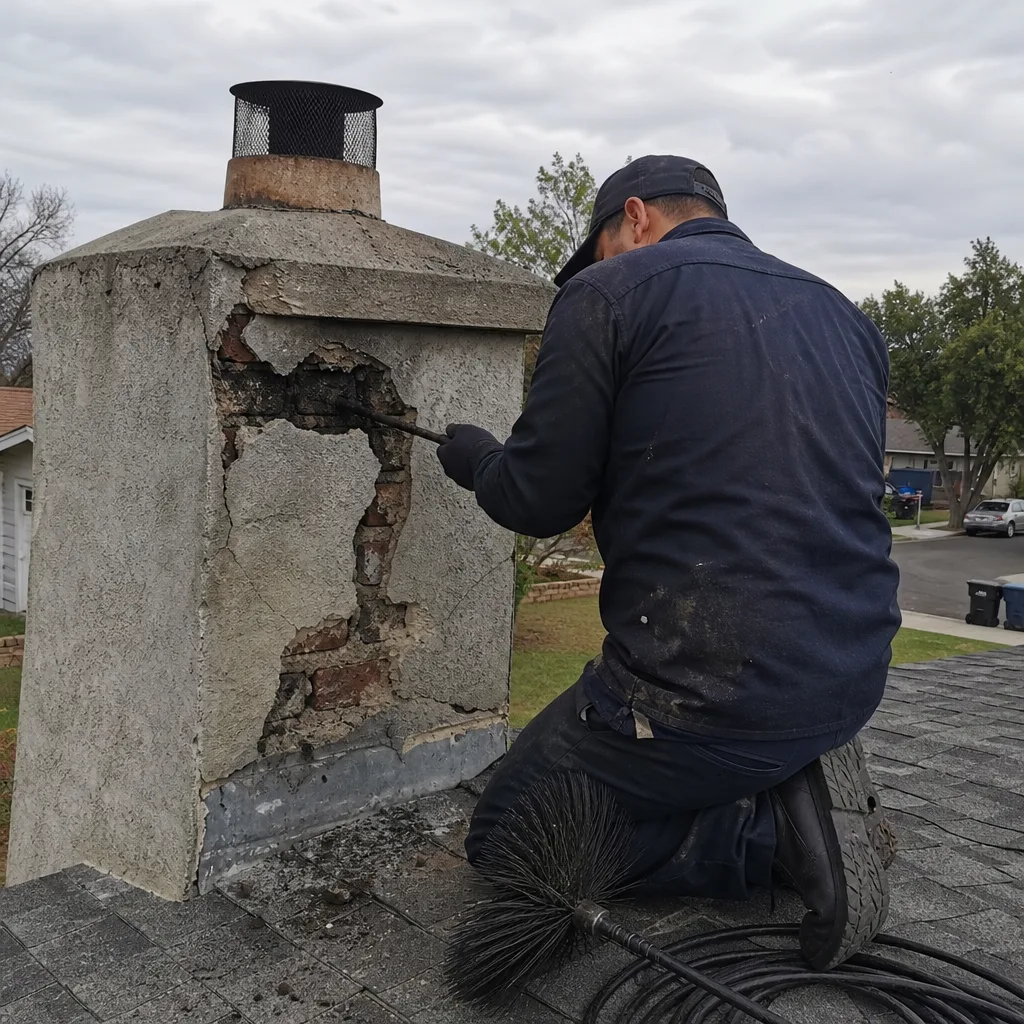 Before
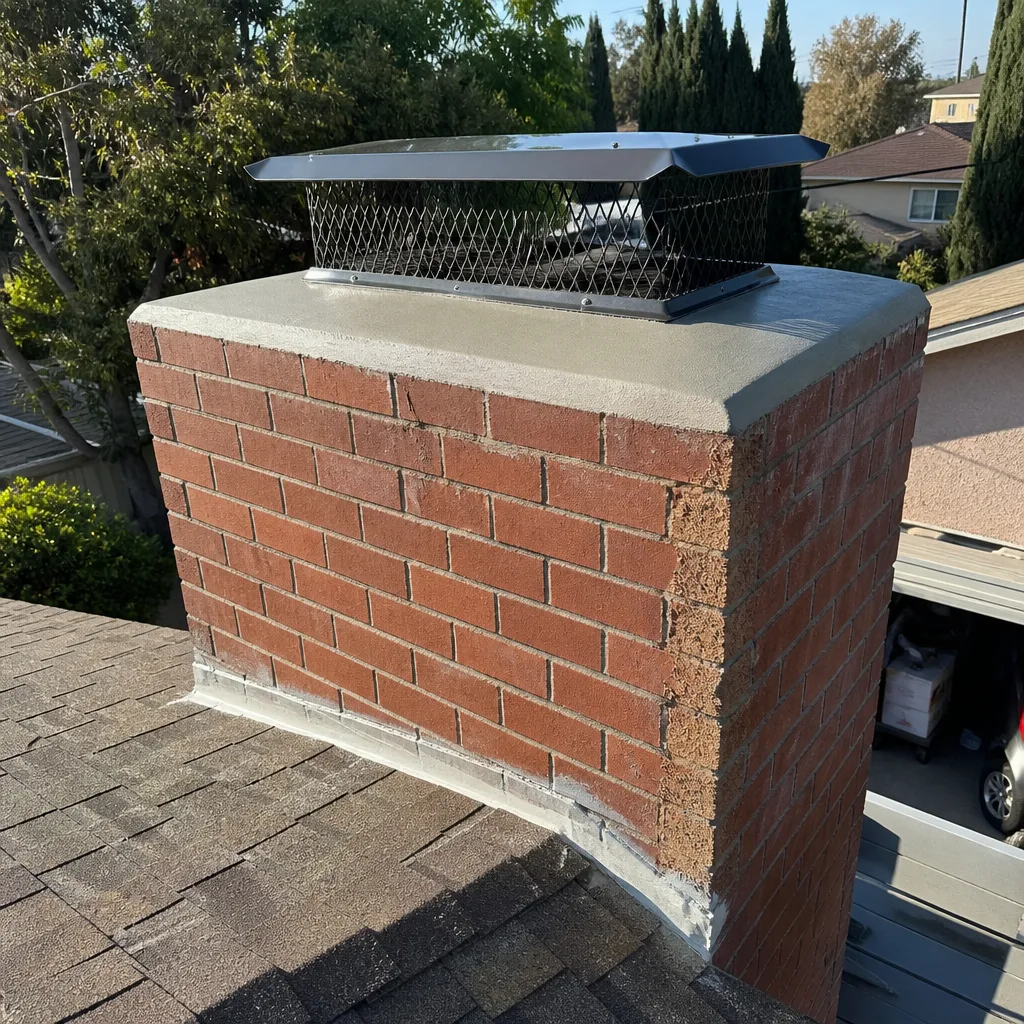 After
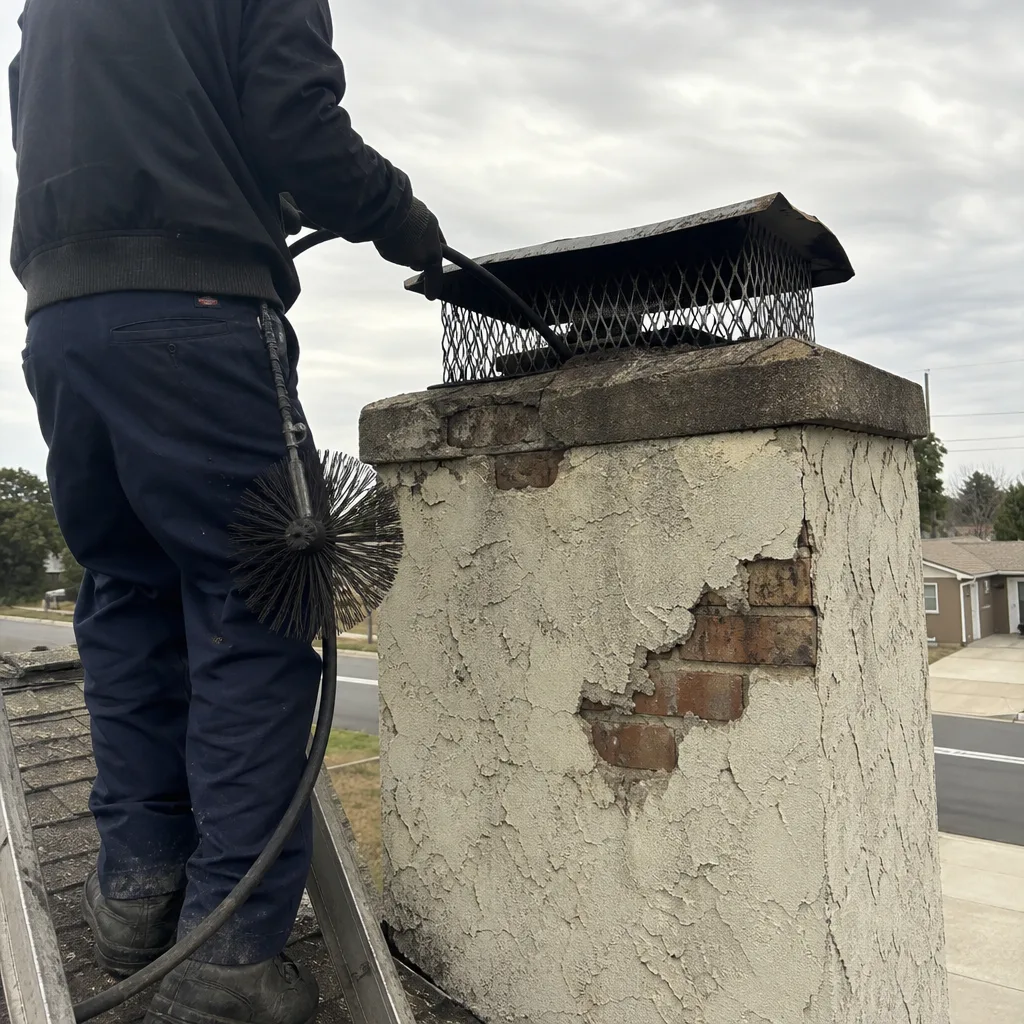 Before
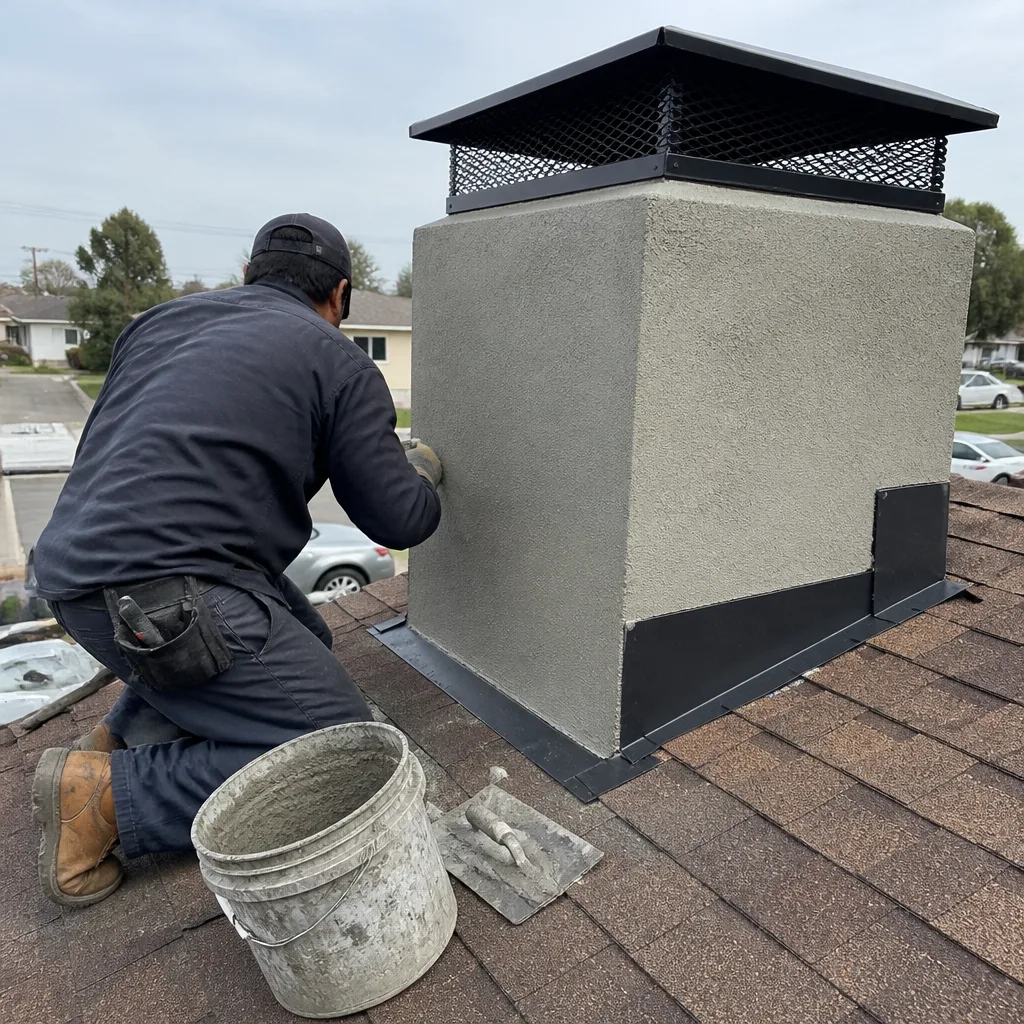 After
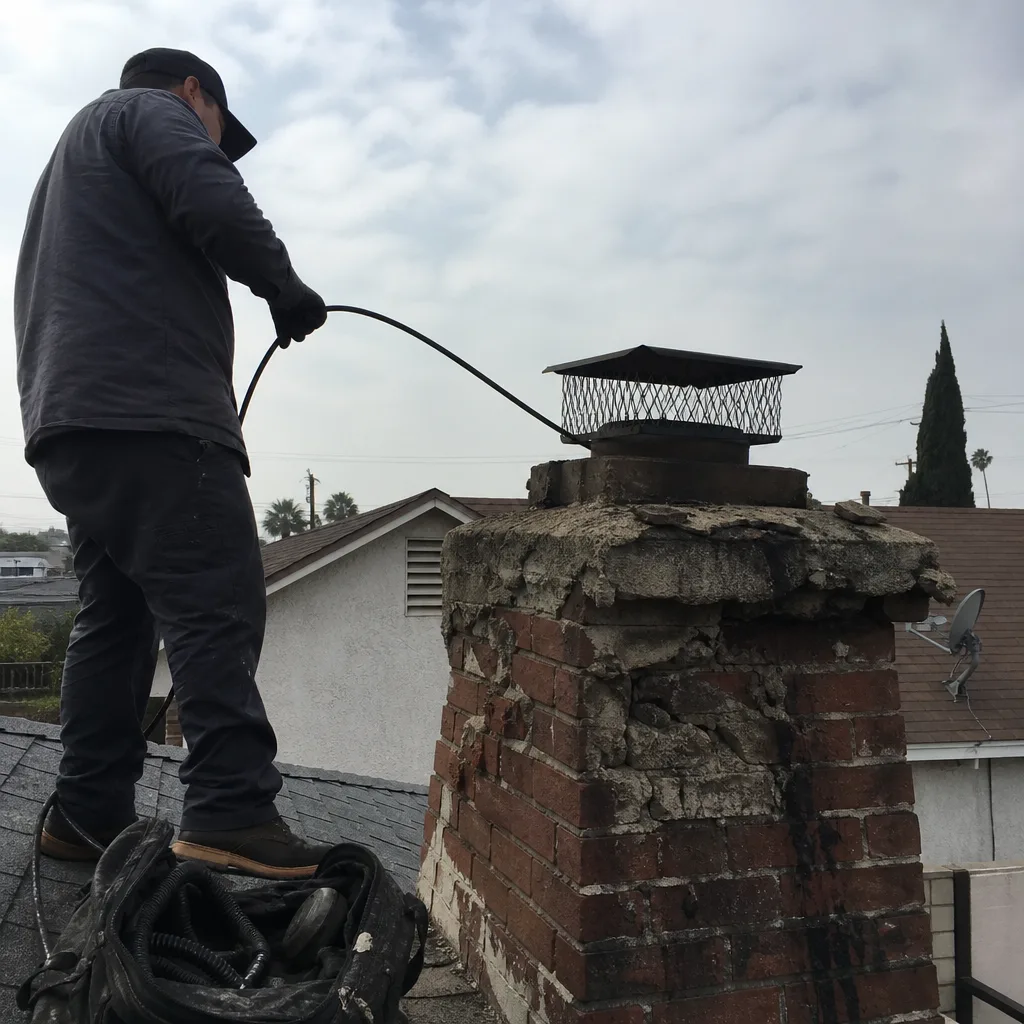 Before
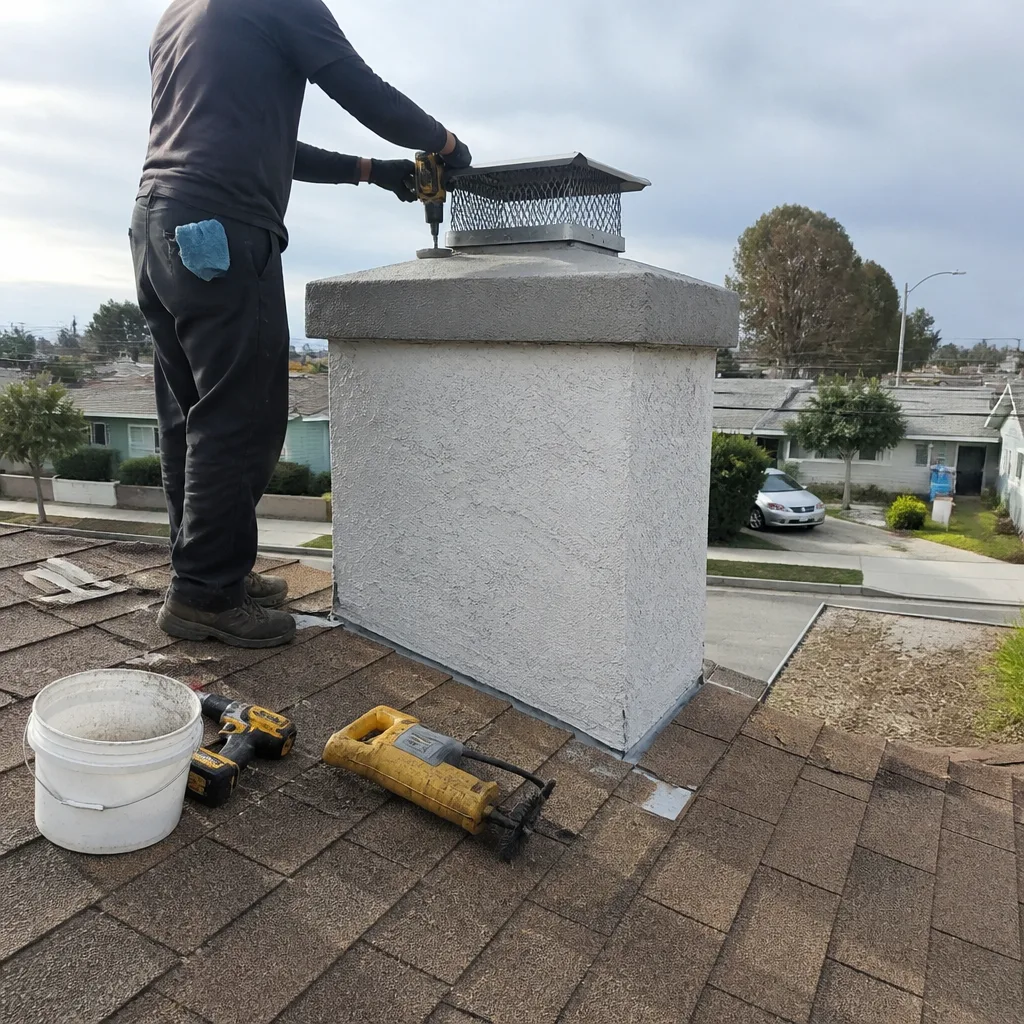 After
Frequently Asked Questions
A standard chimney sweep and Level 1 inspection in Lynwood typically runs between $180 and $340, with camera-scanned Level 2 inspections adding $100 to $200. Final pricing depends on the flue’s accessibility, the deposit type, and whether the home’s chimney has any unusual configurations. Call (855) 916-8513 for an exact quote – estimates are free.
The National Fire Protection Association recommends an annual inspection and sweeping as needed, and that standard applies to Lynwood homes even with light fireplace use. Fireplaces used more than 20 times per season or burning unseasoned wood may need mid-season attention. If you notice a thick, shiny coating on the flue walls or a strong smoke smell during use, schedule a sweep regardless of the calendar.
Yes, especially in a Lynwood home built before 1980. Terra cotta flue liners crack in ways that are invisible from either end. A camera scan is the only method that reveals mid-flue damage, and it’s the standard of care for newly purchased homes or fireplaces with unknown service history. It costs a fraction of what a chimney fire or liner failure will cost.
HeatShield is a legitimate ceramic repair system that restores the interior surface of a damaged flue without full relining. It’s appropriate for specific types of damage, and a qualified technician should explain when it’s the right call versus when a full liner is required. We carry HeatShield products because we’ve seen them perform, but we’ll also tell you plainly when a restoration isn’t enough and a DuraFlex liner is the correct fix. Repair before replacement when repair is the right answer.
Creosote continues to accumulate with every fire, hardening into Stage 3 glaze that a standard brush won’t remove. Moisture keeps working on the crown, damper, and masonry. Eventually the flue becomes a vertical fuel source, and a hot ember or a high-temperature burn can ignite it into a chimney fire that damages the liner and threatens the home’s structure. In Lynwood’s older housing stock, that’s a real risk, not a hypothetical. Call (855) 916-8513 for a free estimate and get the flue checked before you light another fire.
Yes. We schedule single appointments that include both the chimney sweep and the dryer vent cleaning in Lynwood, and the combined visit is more efficient than two separate trips. Lint buildup is a leading cause of residential fires, so addressing both venting systems in one appointment saves you time and covers two fire hazards at once.
The Bottom Line
A chimney sweep in Lynwood is not a commodity service, and the difference between a proper diagnostic sweep and a brush-and-go coupon deal is the difference between knowing your home is safe and assuming it is. The climate here produces a specific creosote pattern that requires serious cleaning tools. The housing stock is old enough that flue damage is common, and camera inspection is not optional for many homes. The report you receive should tell you the truth, in writing, with clear recommendations. If it doesn’t, you hired the wrong company. We sweep, inspect, and repair, so you get the full picture and a path forward, not a half-answer. Call (855) 916-8513 to schedule in Lynwood.
Written by the team at Chimney Sweep Lynwood, serving Lynwood since 2017.