
Last updated November 2, 2026
 Sweep & inspection
 Caps & crowns
 Flue relining
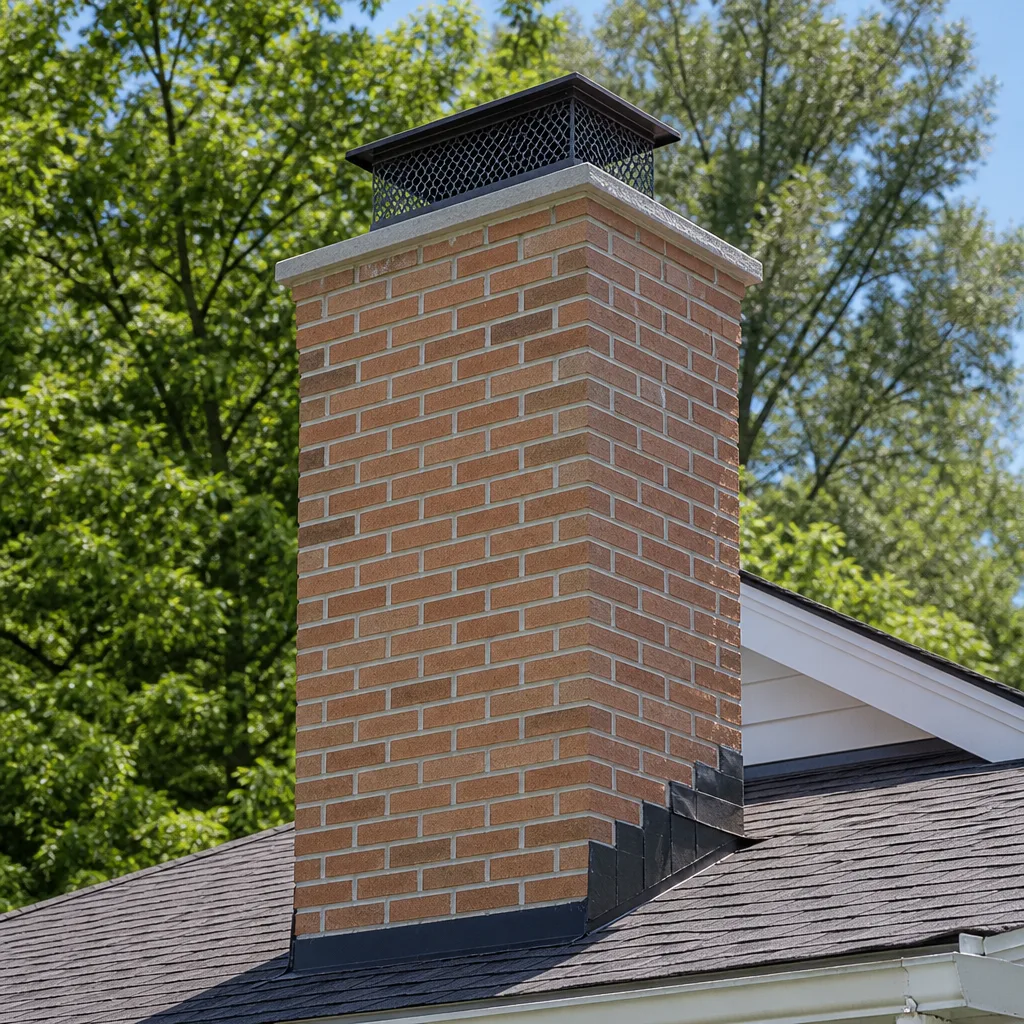 Masonry repair
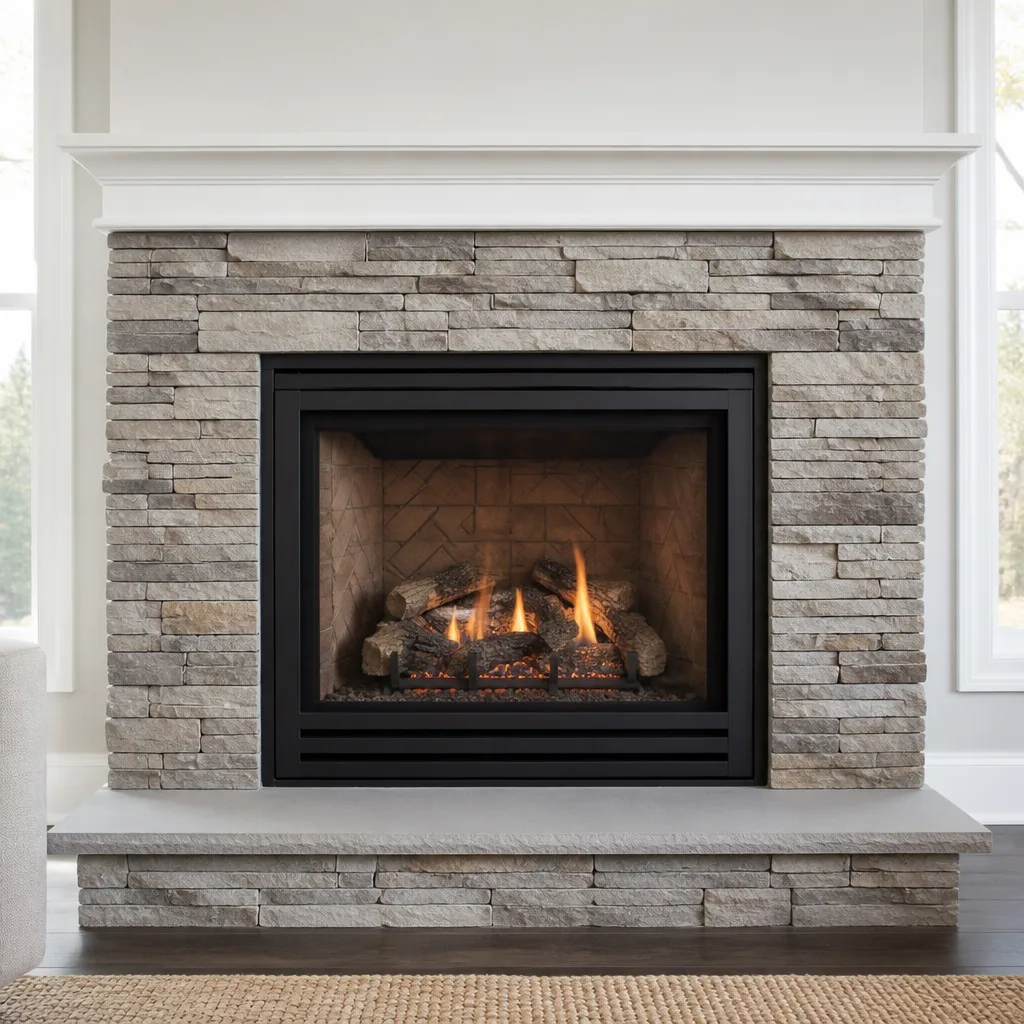 Gas fireplace service
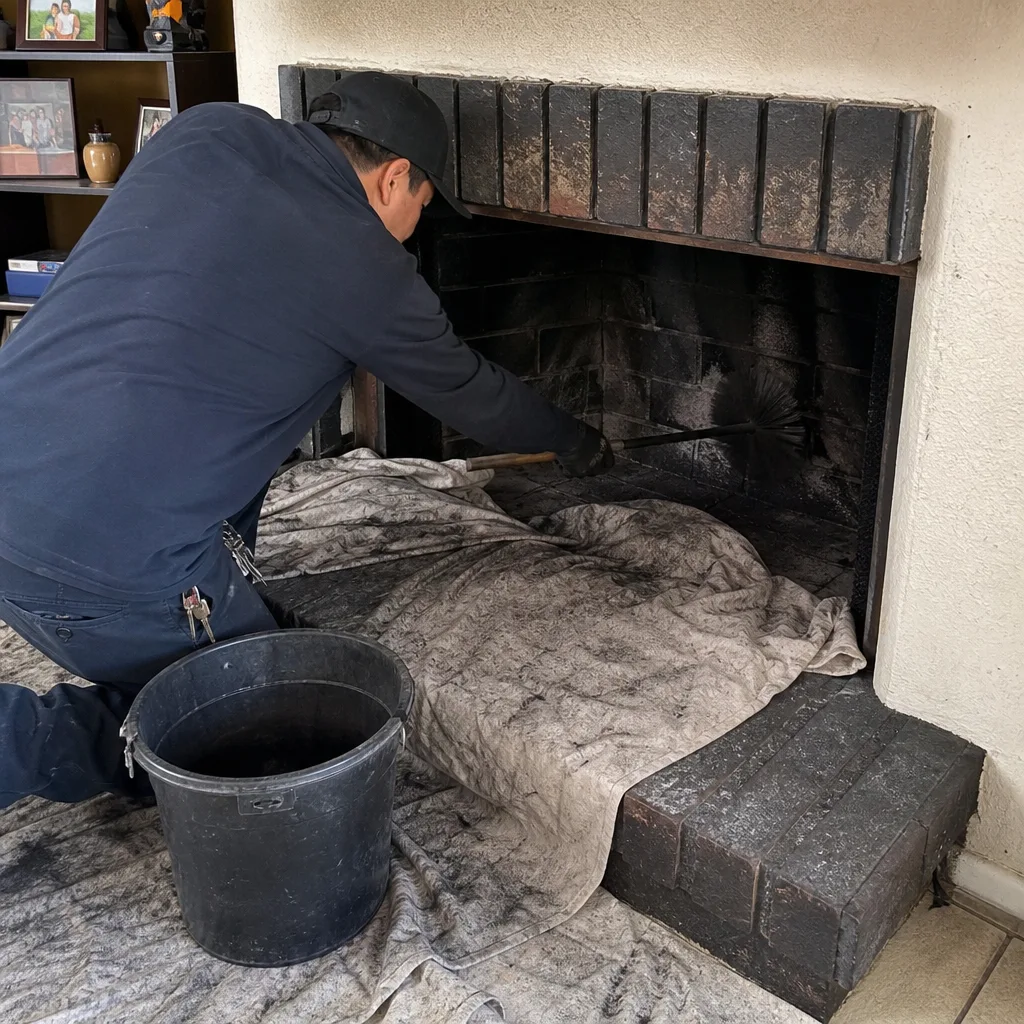
Level 1 sweep and inspection to the NFPA 211 annual standard - flue, crown, cap, and flashing checked and photographed
Chimney sweep logs do not sweep chimneys. They loosen some creosote - which then falls where a brush and vacuum still have to collect it.
Chimney Sweep Maintenance Checklist for Lynwood Homeowners
The damper is the most-touched part of a chimney and the least-often inspected. Most Lynwood homeowners don’t know their damper is warped, corroded, or stuck partially open until smoke rolls back into the living room on a cold December night. By then, the fix is no longer a simple adjustment. This guide walks through a component-by-component maintenance checklist built around what actually fails in Lynwood chimneys, not a generic sweep-and-done list. You’ll learn which checks you can do yourself with a flashlight, which require a professional camera, and how to time inspections around Southern California’s fire season and Santa Ana wind patterns.
Quick Answer
A complete chimney maintenance checklist for Lynwood homeowners covers seven components: firebox, damper, smoke chamber, flue liner, chimney crown, chimney cap, and exterior masonry. Homeowners can visually inspect five of those seven with a flashlight and basic ladder safety, while the smoke chamber and flue liner require a professional camera inspection. The most effective schedule in Lynwood is a visual check every spring, a full professional sweep and inspection in late summer or early fall before burning season, and a quick post-Santa Ana wind check of the cap and crown.
Styles & brands we work with
- Sweep & inspection
- Caps & crowns
- Flue relining
- Masonry repair
- Gas fireplace service
Table of Contents
- 1. The Firebox: Where Heat Meets Masonry
- 2. The Damper: The Most-Touched, Least-Inspected Component
- 3. The Smoke Chamber: The Hidden Creosote Trap
- 4. The Flue Liner: Your Chimney’s Most Critical Safety Barrier
- 5. The Crown and Cap: Lynwood’s Wind and Rain Front Line
- 6. Exterior Masonry: Reading the Brick and Mortar
- 7. Timing Your Checklist for Lynwood’s Climate
- 8. Documenting Findings: Tracking Deterioration Over Time
- Common Mistakes to Avoid
- When to Call a Professional
- Frequently Asked Questions
- The Bottom Line
1. The Firebox: Where Heat Meets Masonry
The firebox is the chamber where your fire actually burns. It’s built from firebrick and refractory mortar, materials designed to withstand direct flame contact and temperatures that routinely exceed 1,000°F. Over years of heating and cooling cycles in Lynwood’s climate, those cycles cause hairline cracks that widen slowly, even without an active chimney fire event.
What you’re checking for here is straightforward but requires attention to detail:
- Visible cracks in firebrick wider than 1/16 inch. A hairline crack from thermal expansion is common and usually cosmetic. A crack you can fit a dime into means heat is reaching the structural masonry behind the firebox, and that’s a repair item, not a wait-and-watch item.
- Gaps in mortar joints where you can see darkness behind them. Mortar should be continuous. Missing mortar between firebricks lets heat and embers contact the chimney’s structural shell.
- Spalling brick faces. If the firebrick surface is flaking, popping, or crumbling in thin layers, the brick has absorbed moisture at some point and is degrading. Spalled firebrick loses its protective density.
- White staining on the firebox floor or walls. This is efflorescence, salts left behind after water intrusion and evaporation. It tells you moisture is getting in from somewhere above.
In our experience with Lynwood homes, firebox damage often traces back to a failed cap or cracked crown that let rain in during winter storms. The water soaks the firebrick, a fire heats it, and the rapid steam expansion cracks the brick from within. So if you see firebox damage, check the cap and crown next. They’re usually the root cause, not the firebox itself.
2. The Damper: The Most-Touched, Least-Inspected Component
Every time you build a fire, you open the damper. Every time the fire goes out and you remember, you close it. That’s hundreds of open-close cycles per burning season, year after year, in a metal component sitting directly above the fire. And yet, most homeowners have never actually looked at their damper with a flashlight.
The damper is a cast-iron or steel plate, usually either a throat damper just above the firebox or a top-sealing damper at the chimney crown. Here’s the checklist for a throat damper:
- Open and close it fully with the handle or chain. It should move smoothly without grinding, catching, or requiring force.
- Look for rust, flaking metal, or pitting on the damper plate. Cast iron corrodes from moisture exposure, especially in coastal-adjacent areas like Lynwood where marine air works its way inland.
- Check for warping. Hold a flashlight above the damper and look for light gaps around the edges when it’s closed. A warped damper never seals fully, which means conditioned air escapes up the chimney all summer and cold air drops in during winter.
- Inspect the damper frame and seating surface. Creosote buildup on the seating surface prevents a tight seal. Scrape any chunky buildup off with a wire brush, but if you’re dealing with more than a thin film, you’re overdue for a professional sweep anyway.
If your damper is warped, corroded through, or detached from its hinge, stop using the fireplace until it’s replaced. A failed damper doesn’t just waste energy. It creates a direct path for embers and combustion gases to move in directions they shouldn’t. That’s a safety red flag, not a nuisance item.
For full chimney sweeping in Lynwood that includes damper inspection, see our Chimney Sweep in Lynwood page.
3. The Smoke Chamber: The Hidden Creosote Trap
The smoke chamber is the transition zone between the firebox and the flue. It’s wider than the flue at the bottom and narrows as it rises, with corbeled brick steps directing smoke upward. Here’s the problem: those corbeled steps create dozens of horizontal ledges where creosote accumulates far faster than it does on smooth flue walls. And because the smoke chamber is almost impossible to see from below with a flashlight, most homeowners never know how much has built up there.
You cannot inspect a smoke chamber properly without a specialized camera and lighting. This is one of the two components on this checklist that requires professional equipment. What a professional camera inspection looks for:
- Glazed creosote buildup. Glazed, tar-like creosote is the most dangerous form. It’s dense, highly flammable, and almost impossible to remove with a standard brush. Left alone, it’s the primary fuel source for the worst type of chimney fire, a slow-burning fire that can reach temperatures high enough to collapse a clay flue liner.
- Gaps or voids in the corbeled brickwork. Mortar in the smoke chamber degrades from heat cycling and creosote acidity. Gaps allow heat and smoke into the chimney chase or wall cavity.
- Debris from deteriorated flue tiles above. If clay liner pieces have fallen, they settle in the smoke chamber and restrict draft.
This is where the difference between a basic sweep and a real repair company shows up. Most sweep-only companies in the market will brush the flue and call it done. A smoke chamber inspection followed by actual repair, which may involve parging the walls with a smooth, insulated coating, is a different service altogether. If your smoke chamber hasn’t been inspected in years, it’s part of any legitimate Chimney Repair in Lynwood visit.
4. The Flue Liner: Your Chimney’s Most Critical Safety Barrier
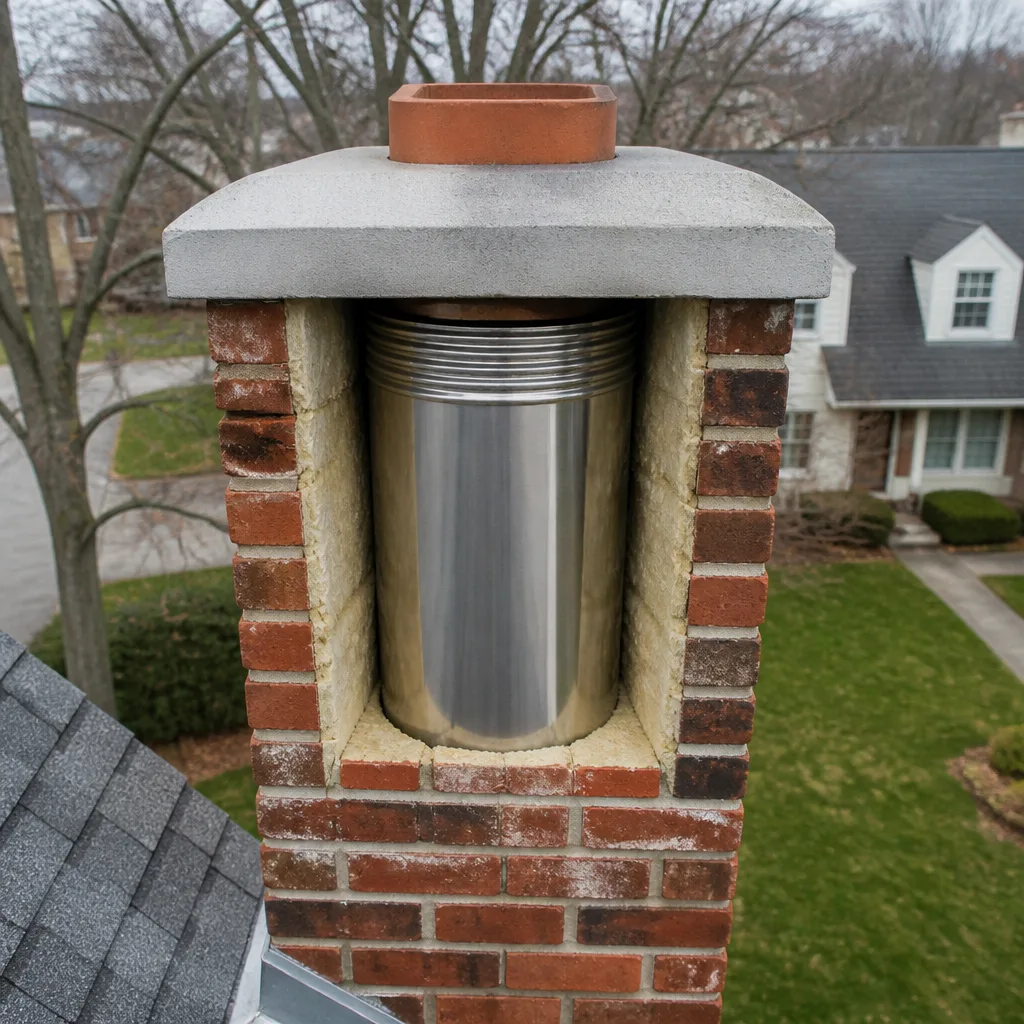
The flue liner is the vertical channel that carries combustion gases from the smoke chamber to the outdoors. In most older Lynwood homes, that liner is made of terra cotta clay tiles stacked end to end. In newer homes or retrofits, it may be stainless steel. Either way, the liner has one job: contain heat and corrosive gases so they can’t reach the combustible materials in your walls and ceiling.
A failed flue liner is a genuine emergency. Not a maintenance item. Not a “next season” item. If the liner’s integrity is compromised, you no longer have a functioning chimney, no matter how good everything else looks.
Here’s what professionals look for when inspecting a flue:
- Cracked or spalled clay tiles. Clay liners crack from thermal stress, chimney fires, or moisture absorption. A cracked tile exposes the masonry behind it to direct heat and acidic flue gases.
- Flaked tile surfaces that indicate a past chimney fire. If the tile surface looks sandblasted or flaky in patches, heat damage has already occurred. The next fire may be the one that breaches fully.
- Gaps between liner sections. Clay tiles are joined by mortar, and that mortar erodes over time. A gap between tiles is a direct pathway into the chimney structure.
- Condensation streaking on stainless liners. Dark vertical streaks can indicate flue gas condensation, which means the liner may be undersized or the fuel is burning cooler than designed.
Now here’s the repair-first point worth understanding. A cracked clay liner doesn’t automatically mean a full chimney rebuild or even a full stainless reline. In many cases, the damaged flue can be restored using HeatShield, a cerfractory coating system applied directly to the existing liner surface. HeatShield fills cracks, seals gaps, and restores a smooth, continuous pathway without tearing out the original flue. It’s a recognized repair methodology in the chimney industry, and it’s often thousands less than a full DuraFlex stainless reline. The right call depends on the damage pattern, and that’s a discussion to have with someone who works with both systems, not someone who only sells one or the other.
5. The Crown and Cap: Lynwood’s Wind and Rain Front Line
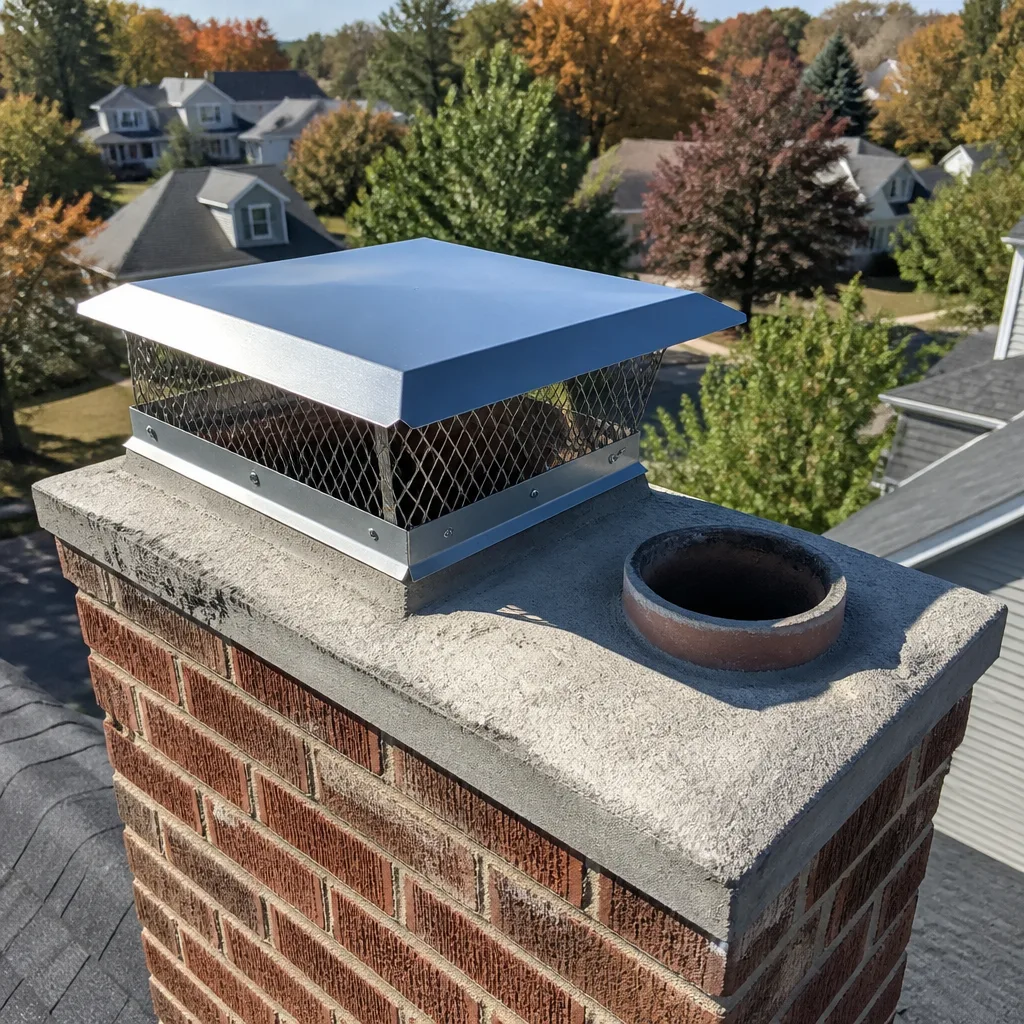
The chimney crown is the concrete slab that caps the masonry at the top of the chimney. The cap is the metal or masonry cover that sits over the flue opening. In Lynwood, these two components take more abuse than almost anything else on the chimney. Santa Ana winds push tree debris and dust at high velocity. Winter rains soak exposed surfaces. Summer heat cycles expand and contract the crown concrete.
The most common crown failure we see in Lynwood is cracking. Standard crowns are poured with a slight taper from a concrete mix, and over a decade or two, they develop hairline cracks that expand, let water in, and then freeze-thaw cycles (rare in Lynwood proper, but the damage pattern still holds from moisture absorption and drying) widen the gaps. A cracked crown eventually lets water into the chimney structure, and that’s when masonry damage accelerates.
What to check on the crown and cap:
- Hairline to wide cracking on the crown surface. Thin cracks are early-stage but should be sealed before winter rains. Wide cracks or chunks of missing crown concrete are active water intrusion.
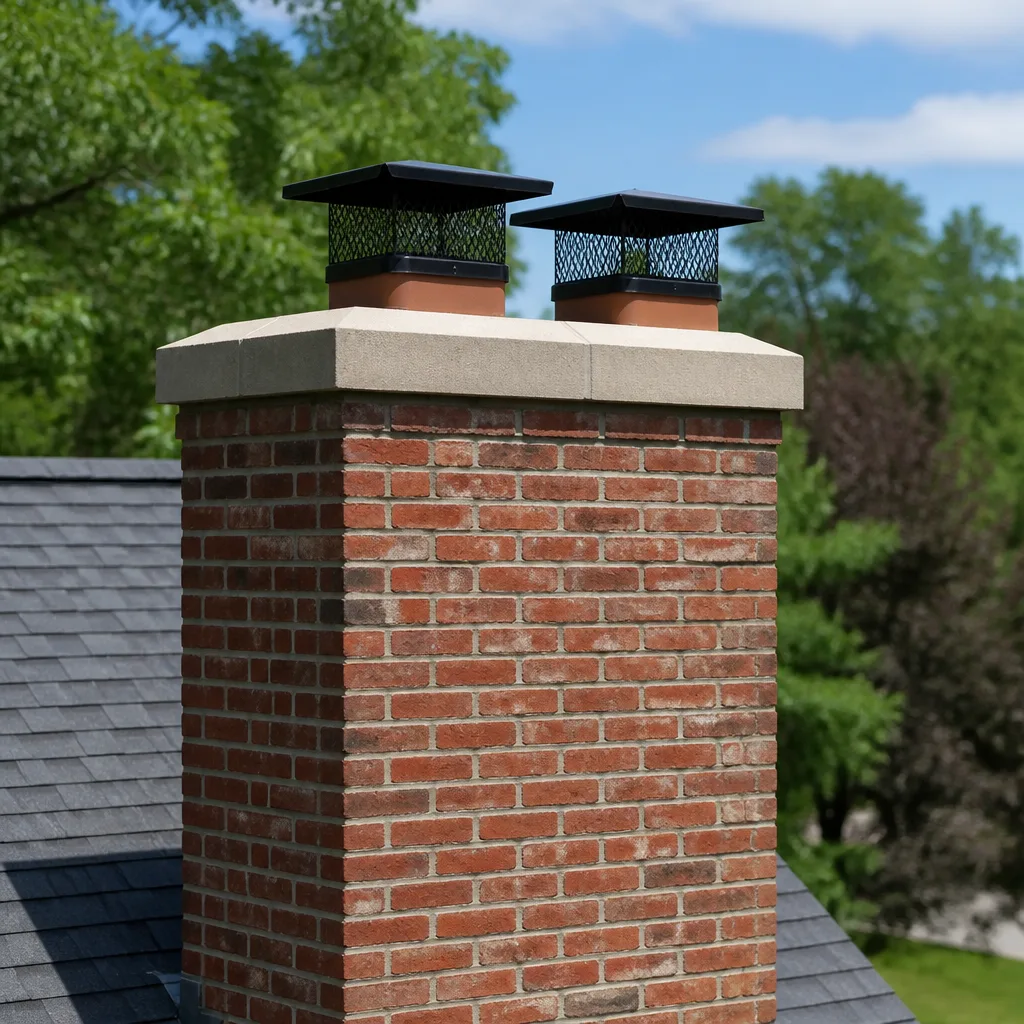
- Cap rust, denting, or displacement. A cheap galvanized cap will rust through in a few years. A quality stainless steel cap from Gelco or Famco will last decades. If your cap is rusted, warped, or missing, it’s not just letting rain in. It’s letting birds, rodents, and debris fill your smoke chamber with nesting material. That’s a chimney fire waiting to happen.
- Whether the cap’s mesh screening is intact. The mesh keeps embers from escaping and animals from entering. A torn or missing mesh is a red flag.
- Loose or missing cap bolts. Santa Ana winds can rip a poorly secured cap off entirely. You’ll hear it banging before you see it, usually.
Cap replacement is one of the more straightforward repairs we handle, and it’s also one of the most frequently skipped because homeowners never look at their cap. The products we install come from manufacturers like Gelco and Famco specifically because caps are exposed to the worst conditions your chimney faces, and cheap caps fail fast. A properly fitted cap pays for itself in prevented water damage.
6. Exterior Masonry: Reading the Brick and Mortar
Walk outside and actually look at your chimney. Not a glance from the driveway. Stand at the base and look up slowly, section by section. The exterior masonry tells you a story about what’s happening inside.
Here’s what that story looks like:
- White chalky staining on the brick face. That’s efflorescence again, and it means moisture is moving through the masonry. When water gets into brick and then evaporates on the surface, it leaves mineral salts behind. A little is normal. A lot means your chimney is holding water.
- Spalling brick, where surfaces are flaking or flaking off in slabs. This happens when absorbed water expands and contracts with temperature changes, physically breaking the brick apart. Once spalling starts, it accelerates.
- Deteriorating mortar joints, where mortar crumbles when you scrape it with a key or screwdriver. Recessed, sandy, or missing mortar is the first stage of structural decline. Repointing, replacing the outer layer of mortar, stops water intrusion and restores stability, but only if the damage hasn’t progressed too deep.
- Stair-step cracks running up the chimney along mortar lines. This pattern usually indicates foundation settling or lateral movement, and it’s not something to wait on. A stair-step crack means the chimney is moving, and combustible wall framing may be shifting with it.
- Leaning or visible offset from the roofline. Any lean is a structural red flag. Stop using the fireplace and get an assessment promptly.
Lynwood’s older housing stock, much of it built in the 1940s through 1960s, has chimneys that predate modern waterproofing practices. Many of those chimneys have been through decades of unsealed moisture exposure. If your home is in one of Lynwood’s older neighborhoods and the chimney has never been repointed, it’s worth having the masonry evaluated even before you notice visible spalling. Early repointing is dramatically less expensive than rebuilding a chimney that’s been allowed to degrade.
7. Timing Your Checklist for Lynwood’s Climate
Most chimney maintenance guides say “inspect your chimney in the fall.” That’s fine for New England, where winters are the threat and fall is the natural prep season. Lynwood is different. You have three timing windows that matter here.
Late summer (August through early September): This is when you want your professional sweep and full inspection. Burning season in Southern California starts in earnest around November, and you want any repairs completed before the first real fires. August also follows the driest months of the year, which means creosote from the prior season has had time to cure and the flue is at its most stable for inspection. Booking your Chimney Sweep in Lynwood in late summer means you’re not competing for a November slot with every other homeowner who just remembered their fireplace exists.
After Santa Ana wind events (October through January): Santa Ana winds are a serious condition in Lynwood and across Los Angeles County. Sustained winds of 40 to 60 mph, with higher gusts, happen routinely during wind events. Those winds lift tree branches, roof debris, and anything loose and send it flying. Your chimney cap takes those hits directly. After any significant wind event, do a quick visual check of the cap and crown from the ground. Look for anything bent, shifted, or missing. If you can see damage, call before the next storm system arrives.
Spring (March through April): This is your homeowner visual inspection window. The burning season is winding down, the weather is mild, and you’re checking for damage that accumulated during winter use and winter storms. Go through the firebox, damper, and exterior masonry items on this list. Document anything you find. If you see red flags, schedule professional assessment now rather than discovering them in September when repair schedules fill up.
One more Lynwood-specific consideration: air quality restrictions and no-burn days. Southern California has some of the strictest wood-burning regulations in the country under the South Coast Air Quality Management District. On no-burn days, solid fuel fires are prohibited across much of the LA Basin, including Lynwood. If you’re running your fireplace regularly during winter, you’ll hit no-burn days, and the interrupted burning pattern can actually lead to incomplete combustion cycles that deposit more creosote. It’s another reason not to skip the spring visual check after a stop-start burning season.
8. Documenting Findings: Tracking Deterioration Over Time
The single most useful habit a Lynwood homeowner can build is documenting chimney condition year over year. Most chimney failures are gradual. A crack that starts at 1/16 inch in 2024 is 1/8 inch in 2026 and a structural problem in 2028. But if you’re only looking at the chimney once every few years, you miss the progression. You can’t tell whether a crack is stable or actively widening without a record.
Here’s a documentation system that takes ten minutes per inspection and pays for itself the first time you avoid an emergency repair:
- Date every entry. Month and year at minimum. Include the season context (post-winter, pre-burning season, after Santa Ana event).
- Take photos of anything notable. Use your phone. Shoot the same views every time: firebox interior, damper plate, crown from the roof if accessible, cap, brick face from two angles. Photos let you compare “is this crack new or has it been there for three years?”
- Measure cracks you can reach. A cheap set of feeler gauges or even a coin (dime thickness as a baseline) gives you a rough width. Note “crack at firebox rear wall, 1/16 inch.” Next year, same spot: still 1/16 or now 1/8? That’s the trend.
- Note burn frequency and fuel type. “Duraflame log, 12 nights since last inspection” tells you more than “used sometimes.” Fuel type affects creosote production. Manufactured logs produce different deposits than cordwood.
- Record any creosote observations from your last professional cleaning. If the sweep tech mentioned “moderate creosote” last year and “heavy” this year, your burning habits or fuel changed. That’s diagnostic information.
This record also changes the quality of conversation you have with any contractor. Instead of “my chimney looks kind of bad,” you can say “the crack in the firebox widened from 1/16 to 1/8 inch in eighteen months, and efflorescence appeared on the north face this spring.” That’s the difference between a guess and a diagnosis, and it’s a homeowner who gets accurate pricing and honest advice instead of a scare quote.
If you’re starting from zero and want a professional baseline, Chimney Sweep Lynwood home services include a full documented inspection. You’ll get photos and findings from our camera inspection that become page one of your ongoing record.
Red Flags: Pause Fireplace Use Immediately
Most checklist items on this page are gradual, track-over-time items. But some conditions mean stop burning now, not “schedule something when convenient.” If you observe any of these, do not use the fireplace until a professional has assessed the chimney:
- Visible smoke leaking into the living space during a fire. That’s not normal draft variation. It means combustion gases are not being carried up the flue properly, and those gases include carbon monoxide.
- A strong, acrid odor from the fireplace even when it’s not in use, especially after rain. This can indicate significant creosote accumulation or water-soaked debris in the smoke chamber.
- Chunks of clay tile or masonry debris in the firebox. If flue tiles are falling, the liner has failed. Pieces don’t fall from a healthy flue.
- Visible cracks in the chimney wall extending into surrounding drywall or framing. The chimney is structurally compromised if cracks have propagated into the home’s walls.
- Any evidence of a past chimney fire. If you know the chimney has had a fire event, even if it was “years before we bought the house,” get it inspected before use. Heat damage to the liner may be invisible from the firebox but catastrophic in the flue.
- Water actively dripping into the firebox during rain. The water path is through the chimney structure, and burning with a wet chimney is unsafe and accelerates masonry damage.
None of these are DIY repair items. If you’re seeing any of these, call a professional before the next fire.
Common Mistakes to Avoid
- Skipping the annual professional sweep because “the chimney looks clean from the firebox.” Most creosote accumulates in the smoke chamber and upper flue, which you cannot see from below. A firebox that looks fine can hide a smoke chamber loaded with glazed creosote.
- Using the chimney after a known chimney fire without an inspection. A chimney fire event means the flue has been subjected to temperatures far beyond its design. Even if you can’t see damage, the liner may be compromised and the next fire is a house fire risk.
- Replacing only the cap when the crown is cracked. The cap protects the flue opening. The crown protects the entire masonry top. A new cap on a cracked crown is a bandage. Water still gets in around the edges.
- Ignoring efflorescence as “just what old brick does.” White staining is a symptom of water movement through the masonry. It’s not cosmetic. It’s diagnostic, and untreated, it leads to spalling and structural decline.
- Waiting until November to book a sweep in Lynwood. Local chimney companies get booked solid in late fall. A September booking means better scheduling flexibility and repairs completed before you want to burn every cold night.
- Painting over spalled brick or cracked mortar. Paint seals moisture in, accelerating the damage. It hides the problem without fixing it and makes future repointing more expensive when the paint has to be stripped.
- Treating the fireplace and dryer vent as separate concerns and hiring different companies for each. Both are combustion ventilation systems. The same specialist can evaluate both in one visit. We handle chimney and Dryer Vent Cleaning in Lynwood because the failure patterns overlap: heat, lint or creosote, and restricted airflow.
When to Call a Professional
Call a professional when any red flag item appears, when your visual inspection reveals a crack you can fit a coin into, when you haven’t had the flue camera-inspected in more than two years, or when you’ve just purchased an older Lynwood home and have no chimney history from the previous owner. A professional camera inspection sees what a homeowner’s flashlight cannot, and the findings determine whether you’re looking at a simple sweep or a repair. Chimney Sweep Lynwood offers free estimates in Lynwood. Call (855) 916-8513 to schedule an inspection, and we’ll tell you exactly what’s in your flue and whether it needs attention now or can wait.
Frequently Asked Questions
A chimney that sees regular use should be professionally swept and inspected once per year, ideally in late summer or early fall before the primary burning season begins. The National Fire Protection Association recommends annual inspection and cleaning as needed, and in Lynwood’s burn pattern with winter wood fires and occasional manufactured logs, creosote accumulates quickly enough that annual service is the right floor, not the ceiling. Heavy burners may need a mid-season check. Call (855) 916-8513 and we’ll help you determine the right cadence for your usage.
A standard chimney sweep in Lynwood typically costs $150 to $300 for a single flue fireplace with a standard clay liner and no unusual access issues. Homes with multiple flues, steep roof pitches, or heavy creosote accumulation run higher. The price varies based on flue condition, roof accessibility, and whether a camera inspection is included (it should be). Call (855) 916-8513 for an exact quote on your chimney, estimates are free.
Not necessarily. A cracked clay liner is a genuine problem, but the fix isn’t always a full stainless reline. HeatShield cerfractory coating can restore many damaged clay liners by filling cracks and sealing the flue surface, often at a fraction of full relining cost. The determining factors are the extent of damage, the liner’s structural stability, and the flue’s size and configuration. Ask any contractor to show you camera footage of the damage before discussing replacement. If they won’t show you the damage, get a second opinion.
Partially. You can inspect the firebox, damper, chimney exterior, and cap from the ground or a sturdy ladder with a good flashlight. What you cannot do is inspect the smoke chamber or flue interior, which is where the most dangerous creosote accumulates and where liner failure begins. Those require a professional-grade camera and lighting. Do your own visual checks seasonally, but keep the annual professional inspection on the calendar regardless.
Two failure paths develop. First, creosote accumulates in the smoke chamber and flue until it becomes fuel for a chimney fire, which can reach temperatures over 2,000°F and crack flue tiles, ignite surrounding framing, or collapse the liner. Second, water infiltrates through a cracked crown or missing cap and degrades masonry slowly, leading to spalling, repointing needs, and eventually structural repair. Both paths start invisibly. Both are preventable with annual service. The cost of a sweep is a fraction of either repair.
Yes. Dryer Vent Cleaning in Lynwood is handled by the same team in the same visit when scheduled together. Lint-clogged dryer vents are a leading cause of residential fires, and the inspection approach mirrors what we do with chimneys: check airflow, identify blockage, clean thoroughly, and verify exhaust termination. One appointment covers both combustion ventilation systems in your home. Call (855) 916-8513 to book both together.
Lynwood follows California building codes for chimney construction and repair, and the South Coast Air Quality Management District governs wood-burning emissions and no-burn days across Los Angeles County. On no-burn days, solid fuel fires are prohibited, and violations can result in fines. A properly maintained chimney burns cleaner and produces less particulate matter, but the no-burn restrictions apply regardless of chimney condition. Check AQMD advisories before lighting a fire on winter days with poor air quality.
The Bottom Line
A chimney maintenance checklist is only useful if every item on it maps to something that actually fails. In Lynwood, the components that fail most are the damper from constant use, the crown and cap from Santa Ana winds and winter rain, and the flue liner from years of unattended creosote and heat cycles. Check the components you can see with a flashlight every spring. Book a professional sweep and camera inspection every late summer. Document what you find so you can track changes year over year instead of guessing. And when your checklist turns up any red flag, stop using the fireplace until a specialist has looked. A $200 annual sweep prevents the $5,000 repair, and it might prevent a fire. That’s the whole maintenance philosophy in one sentence.
Written by the team at Chimney Sweep Lynwood, serving Lynwood since 2017.
See the difference
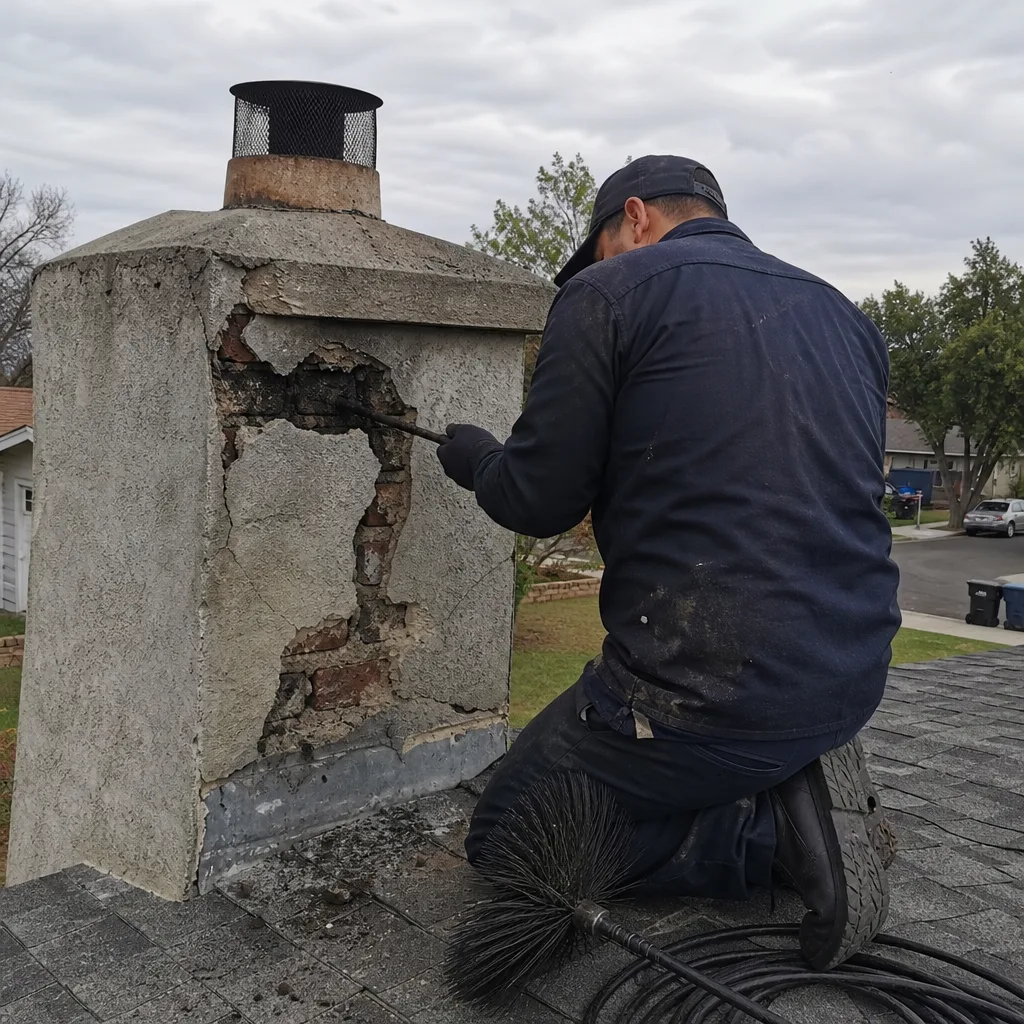 Before
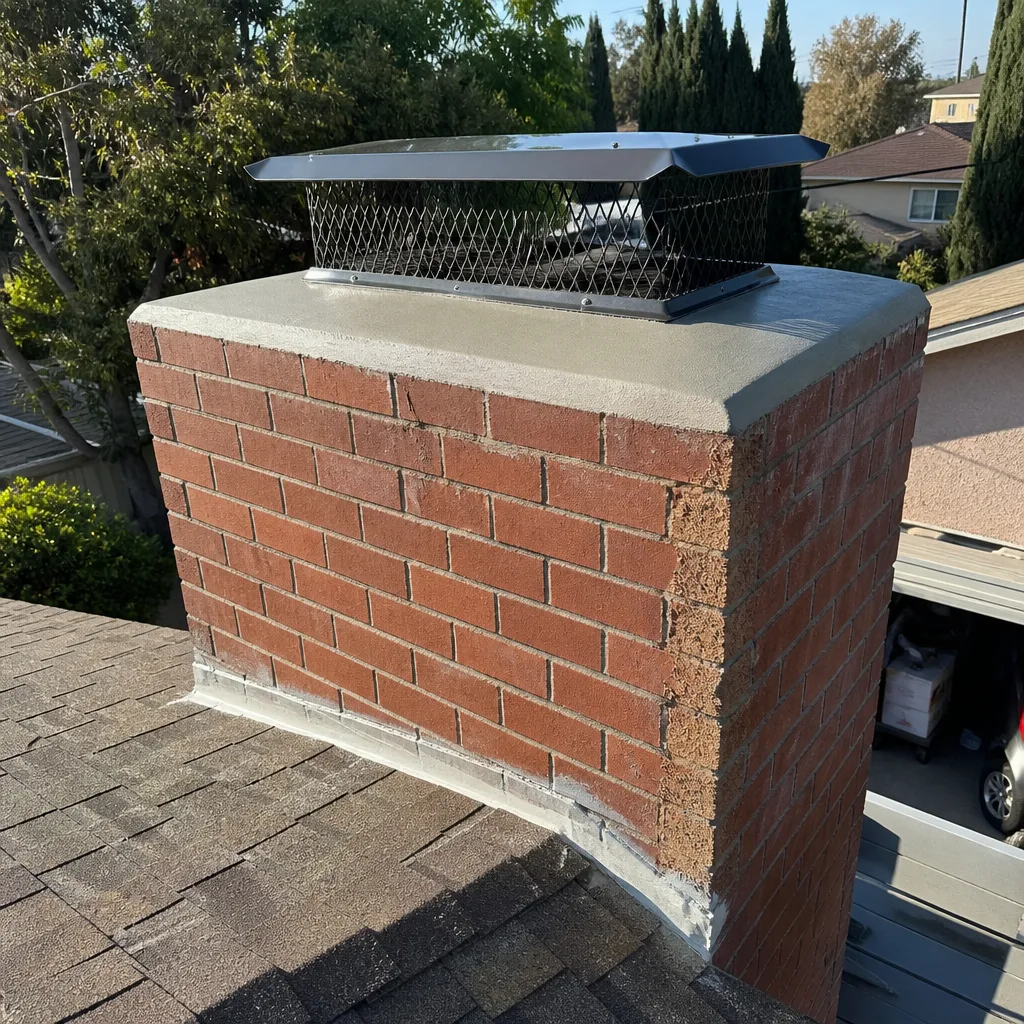 After
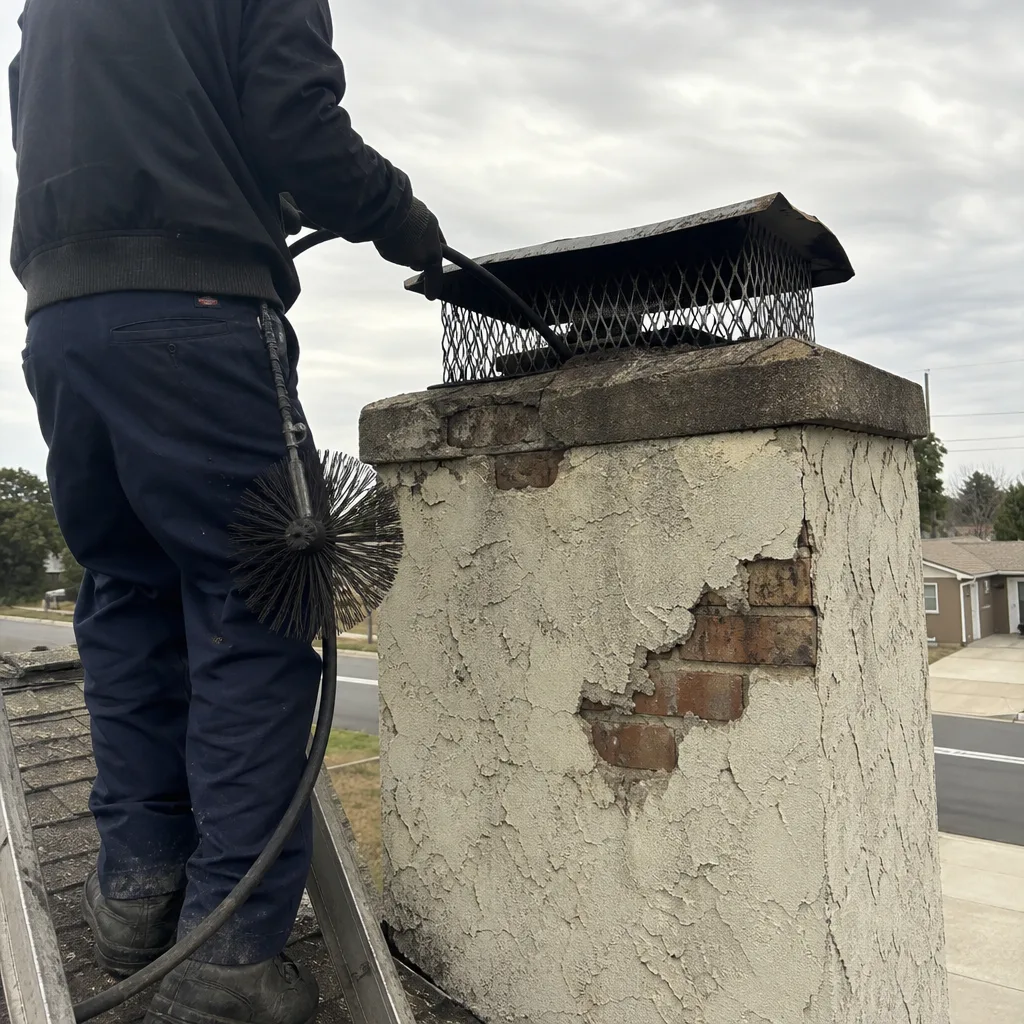 Before
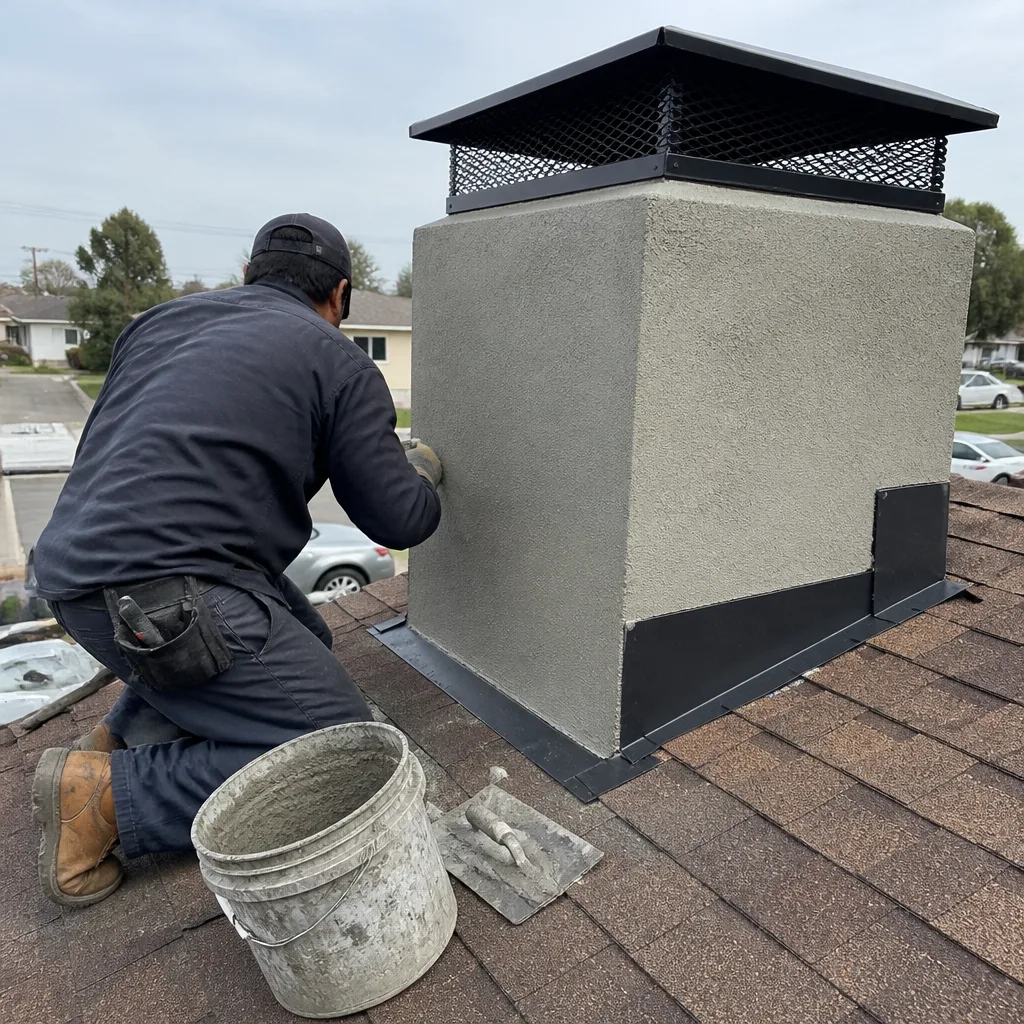 After
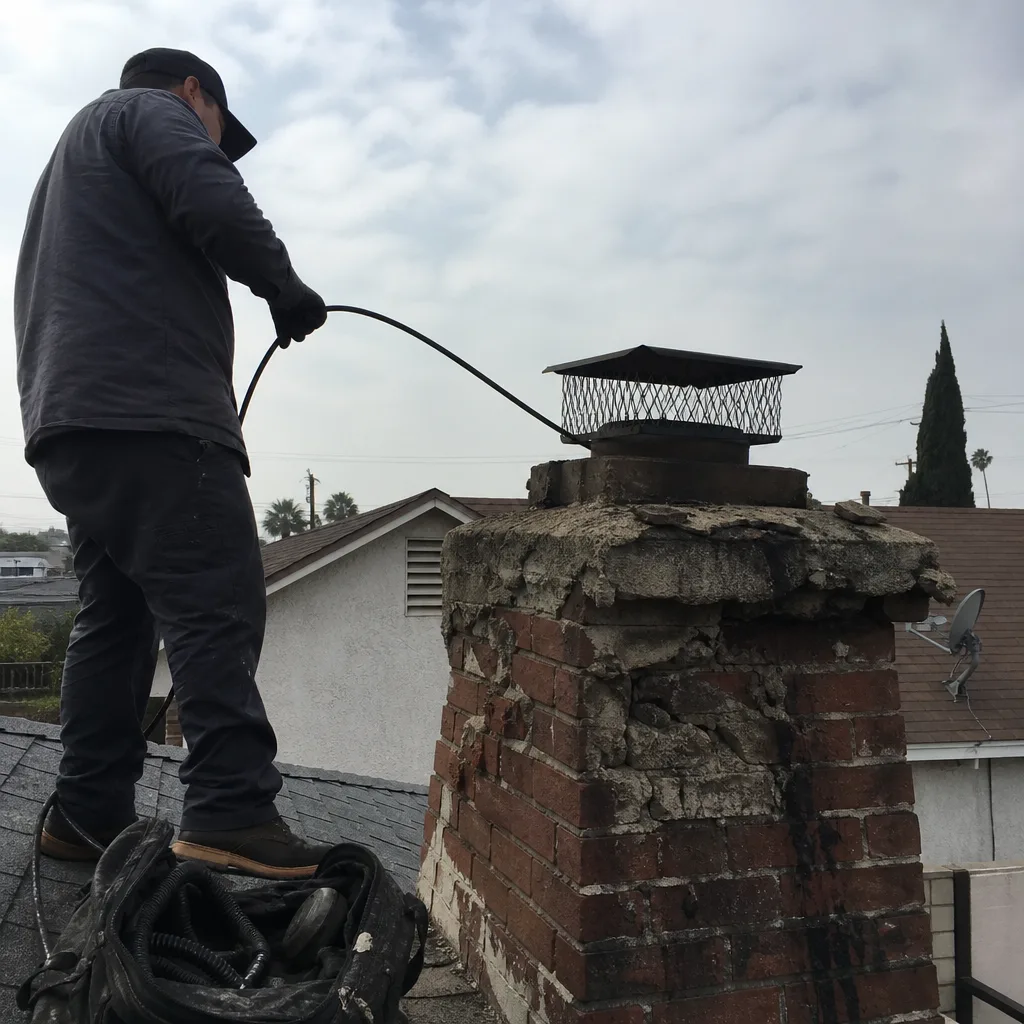 Before
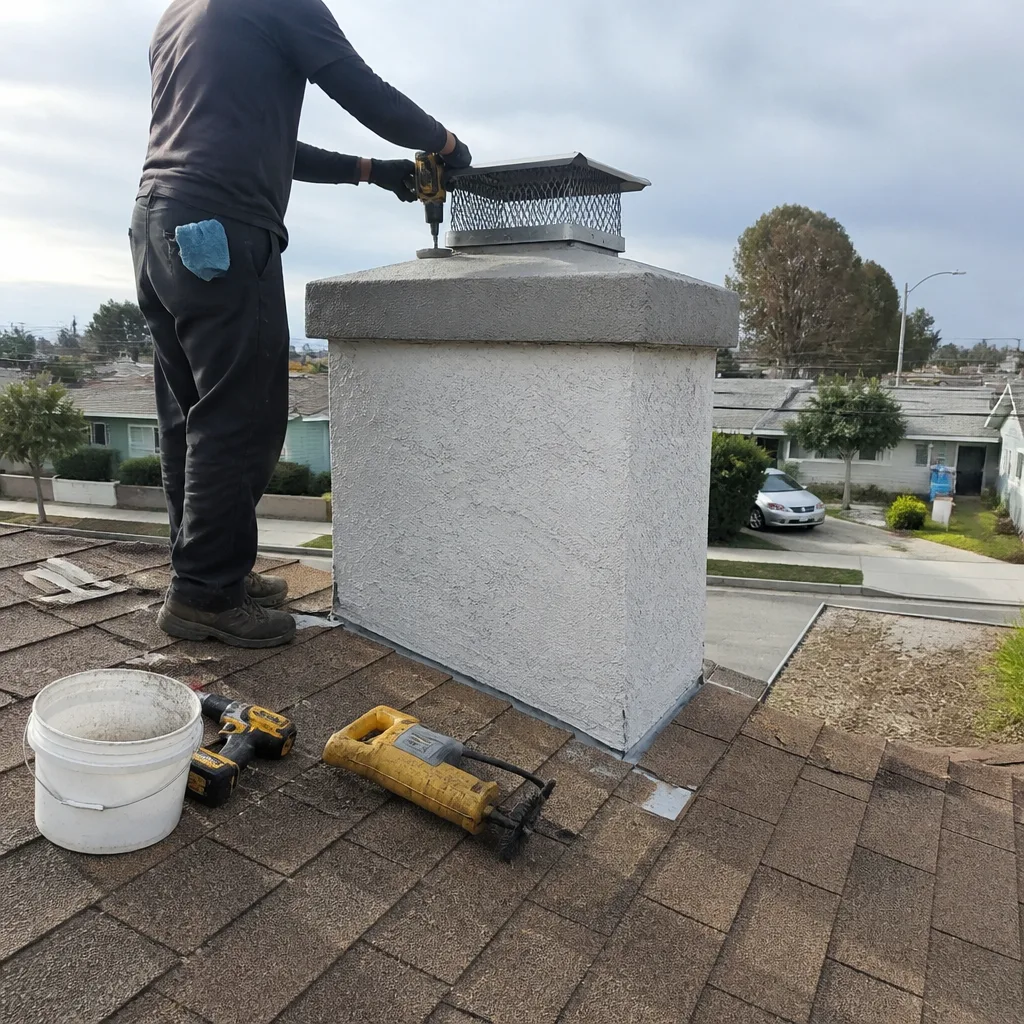 After