
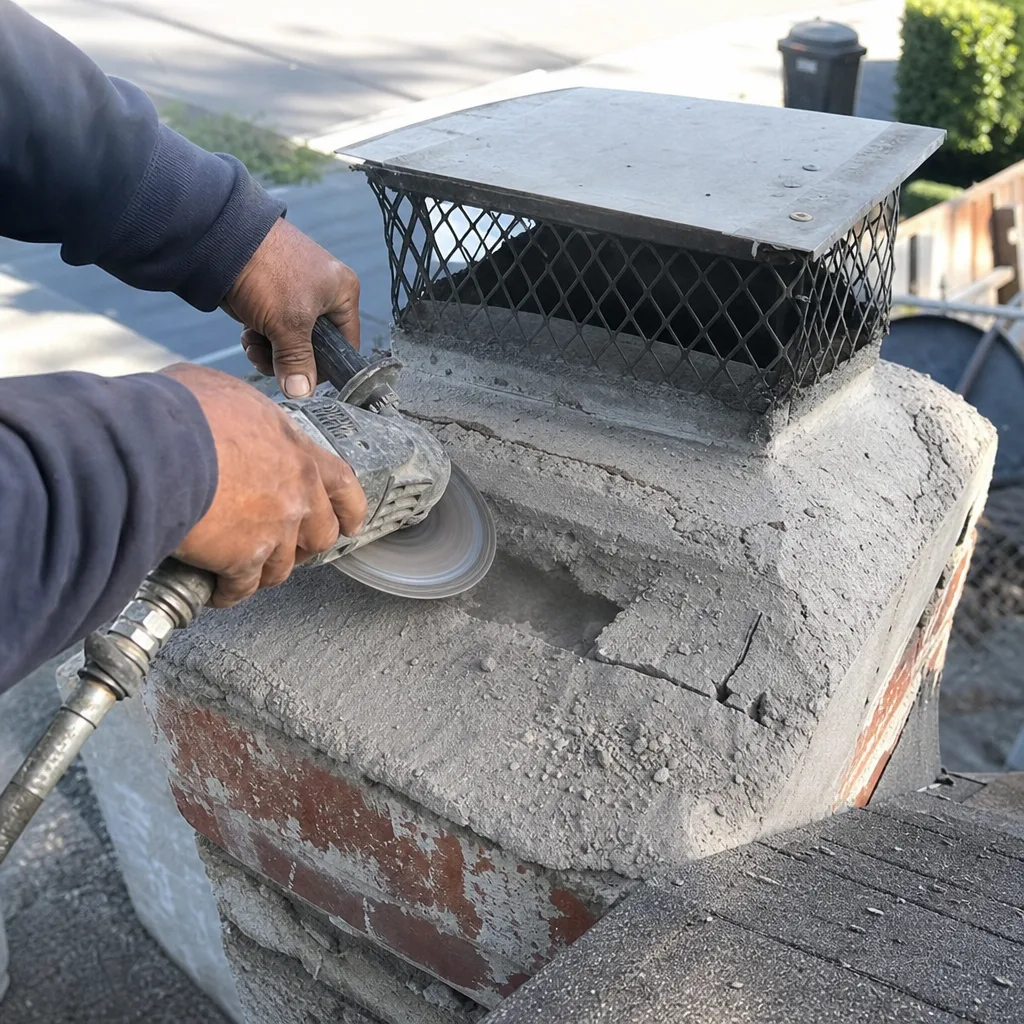
Last updated November 2, 2026
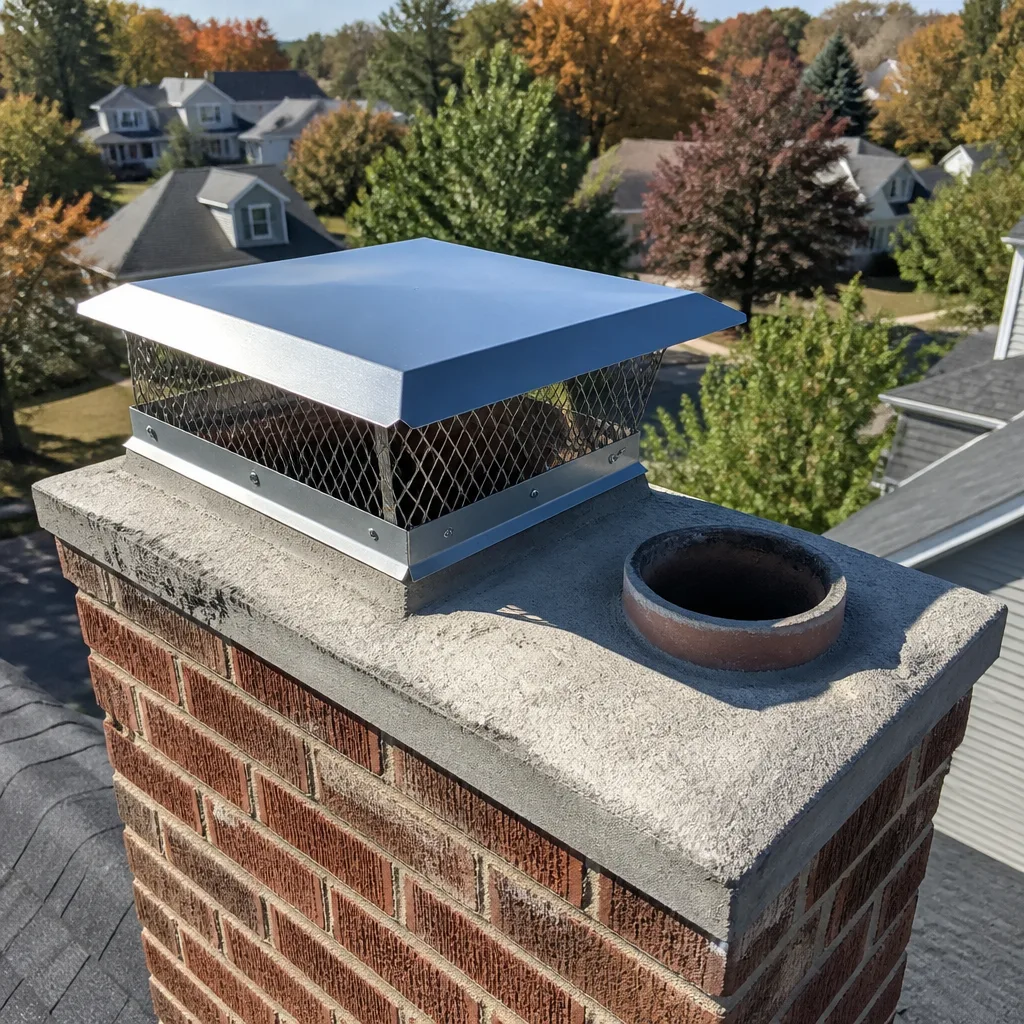 Sweep & inspection
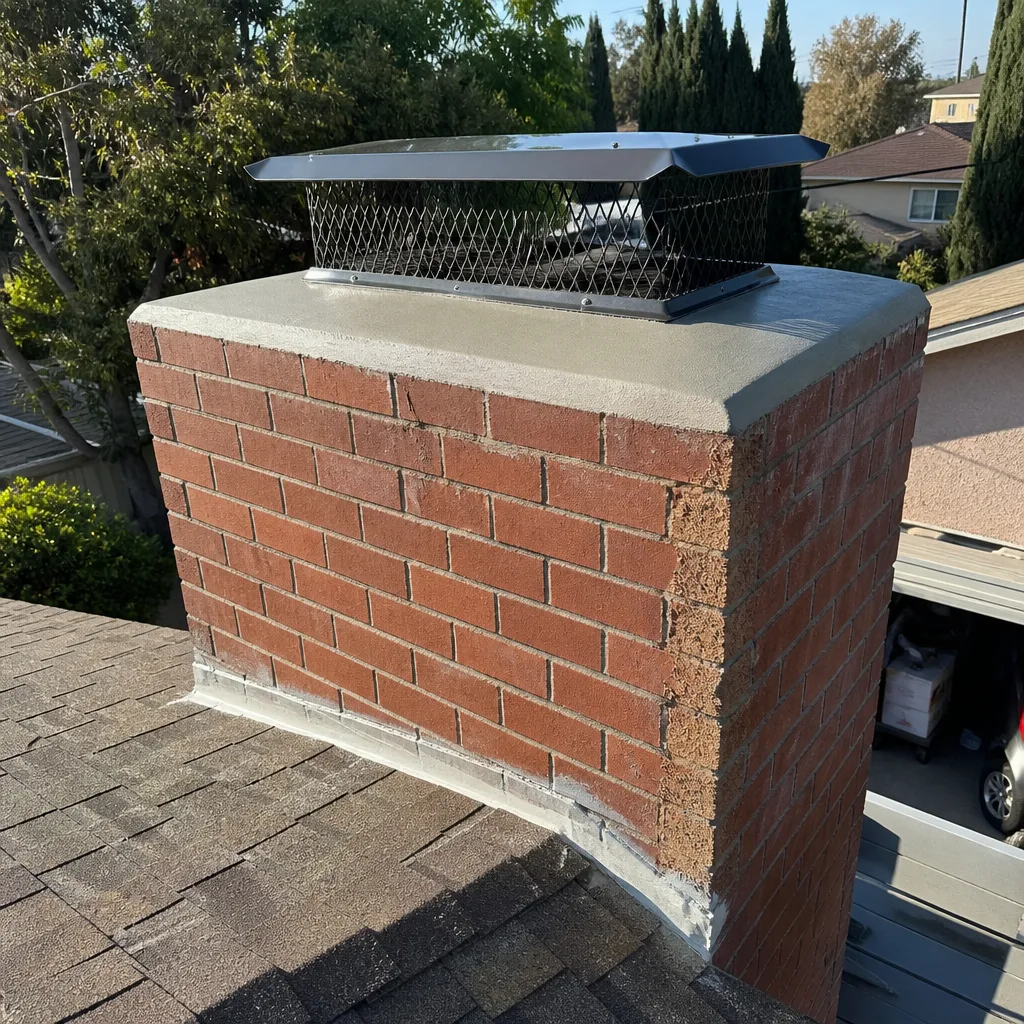
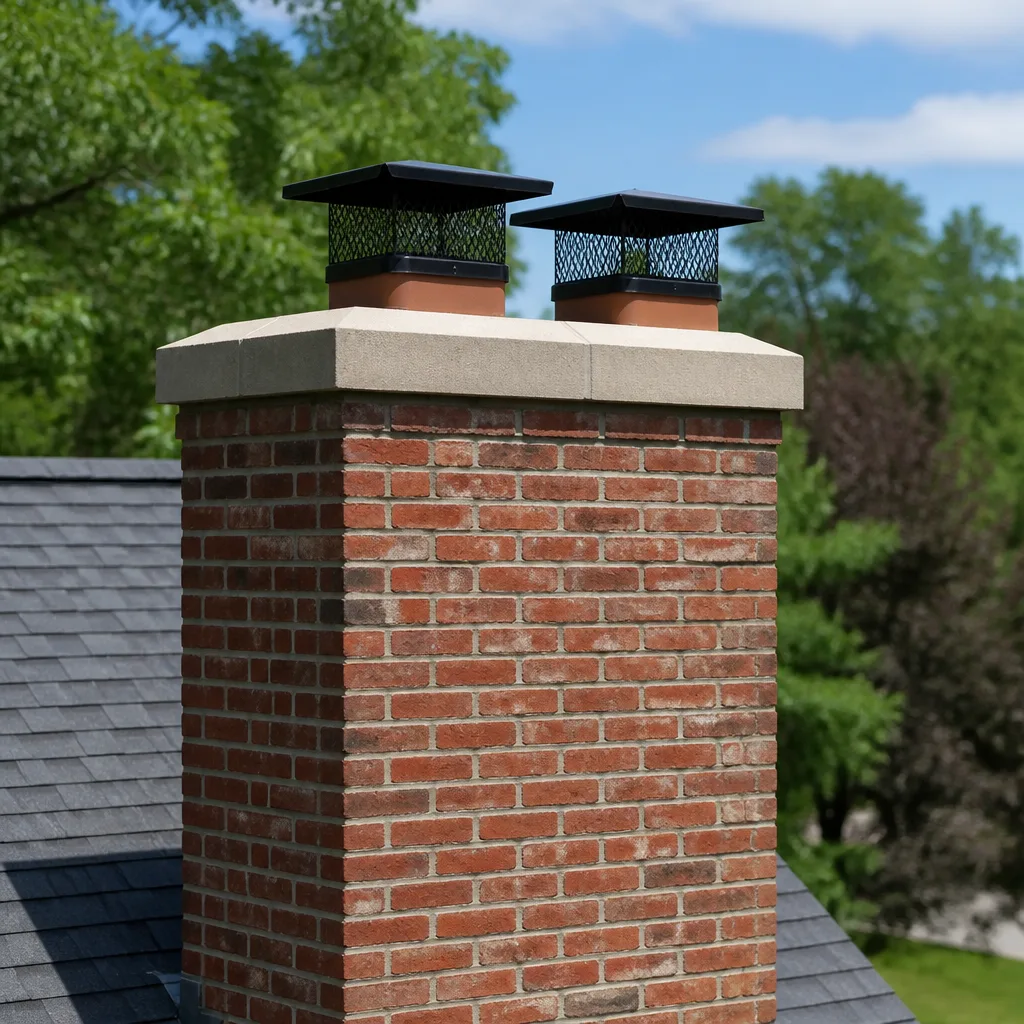 Caps & crowns
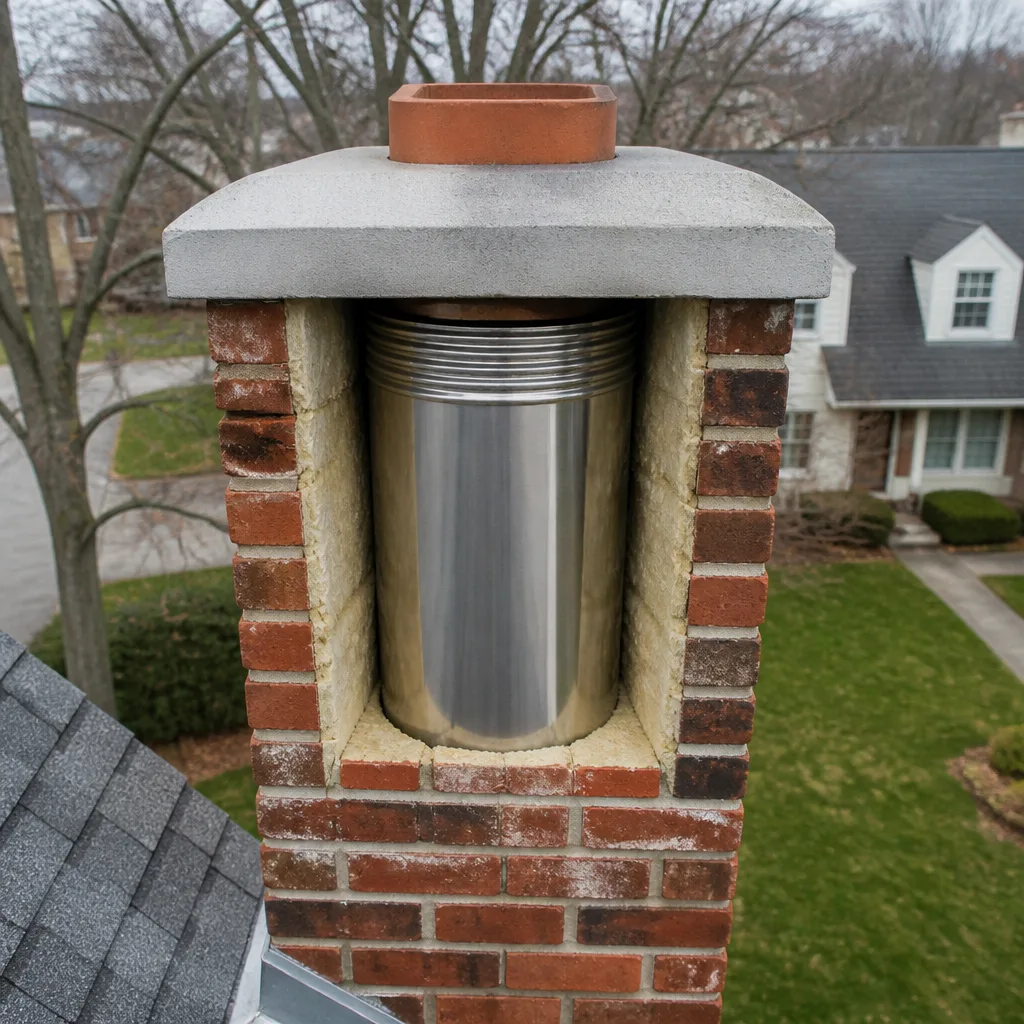 Flue relining
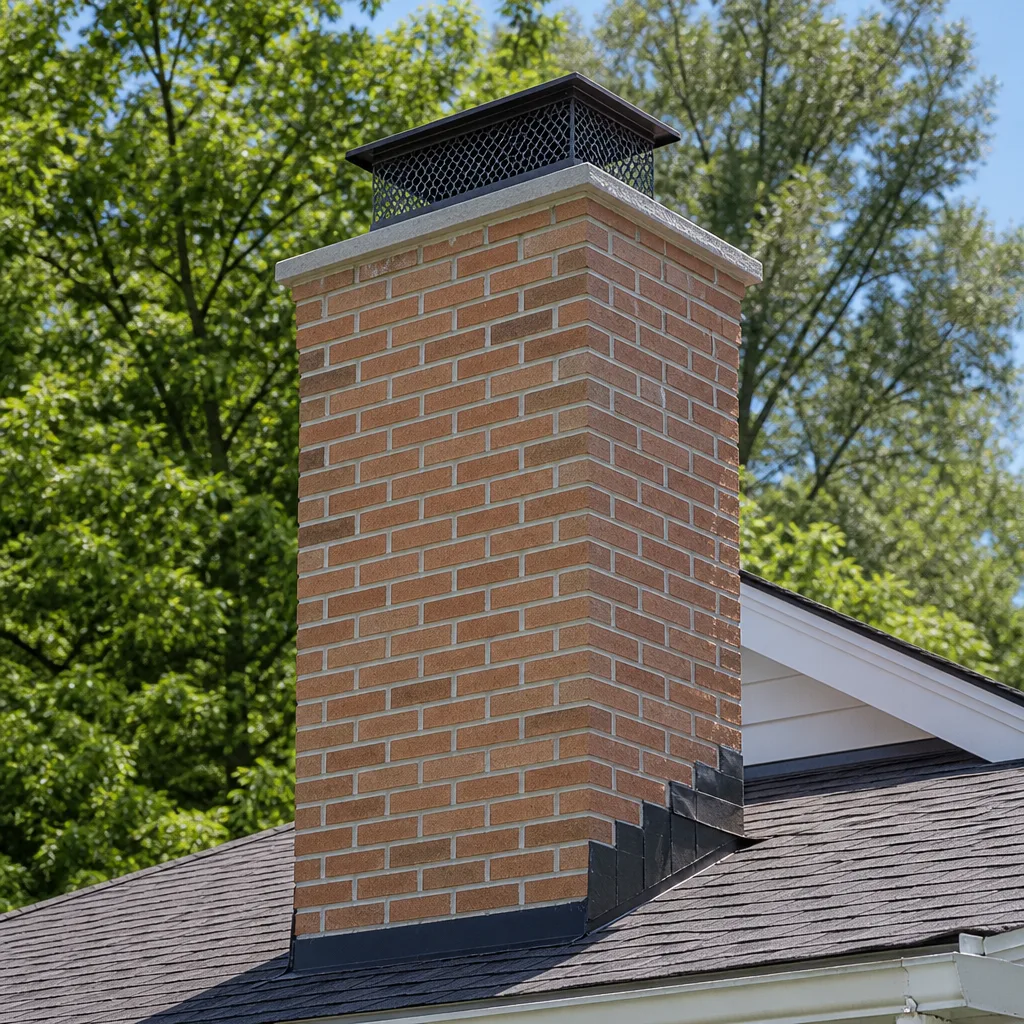 Masonry repair
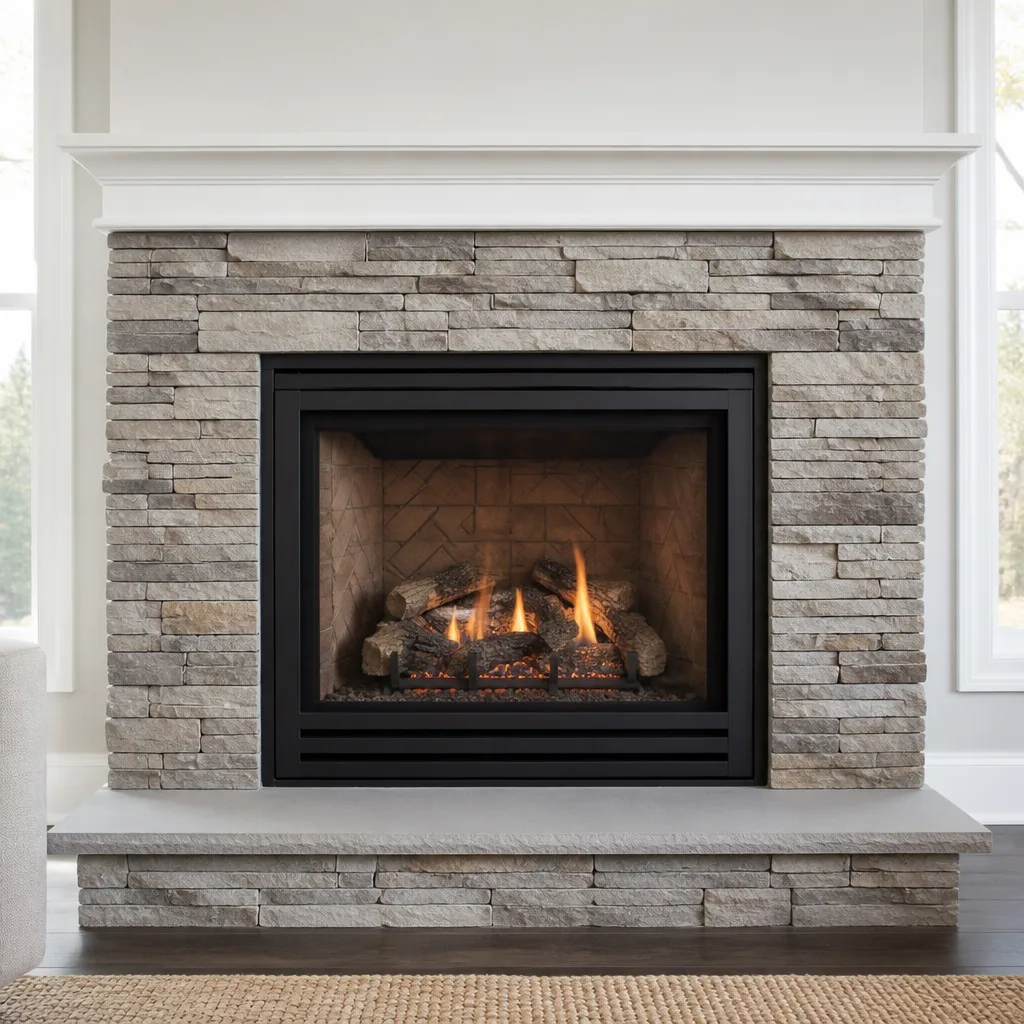 Gas fireplace service
Level 1 sweep and inspection to the NFPA 211 annual standard - flue, crown, cap, and flashing checked and photographed
Chimney sweep logs do not sweep chimneys. They loosen some creosote - which then falls where a brush and vacuum still have to collect it.
Chimney Cleaning Warning Signs: A Lynwood Homeowner’s Reference Guide
Here’s the thing about chimney warning signs: most Lynwood homeowners either read them wrong or read them too late. The white crust forming on your exterior brick isn’t a cosmetic quirk, it’s efflorescence, and it means water has already worked its way into the masonry. Meanwhile, a little smoke in the living room after you light a fire gets waved off as “normal” when it can point to a partial blockage. This guide pairs each warning sign with what it actually means, how urgent it is, and what to do next. If you’ve been guessing about your chimney’s condition, this will give you a framework for reading it correctly.
Quick Answer
The chimney warning signs that demand immediate attention in Lynwood are smoke rolling back into the room, a strong odor in summer, rust streaks on the exterior, and debris falling into the firebox. White staining (efflorescence) and spalling brick indicate water intrusion and should be scheduled for evaluation within weeks, not months. Cosmetic soot staining at the fireplace opening, by itself, generally just means a cleaning is due. When in doubt, stop using the fireplace and have a specialist look before the next burn.
Styles & brands we work with
- Sweep & inspection
- Caps & crowns
- Flue relining
- Masonry repair
- Gas fireplace service
Table of Contents
- White Staining (Efflorescence): The Moisture Alarm You’re Ignoring
- Chimney Odor in Summer: Why It Happens More in Lynwood Than You’d Expect
- Smoke Rollout: Drafting Problem, Blockage, or Something Worse?
- Spalling Brick and Rust Streaks: Structural Red Flags
- Debris in the Firebox: What It Means and Why It’s Not Just Mess
- Animal Sounds and Activity: A Bigger Problem Than the Noise
- Gas Log Fireplaces: Warning Signs That Work Differently
- How to Triage What You’re Seeing: Immediate, Schedule-Soon, and Cosmetic
White Staining (Efflorescence): The Moisture Alarm You’re Ignoring
Efflorescence is the white, chalky deposit that forms on brick, block, or stone when water moves through masonry and carries soluble salts to the surface. The water evaporates, the salts stay, and you get that powdery white bloom. In Lynwood, where winter rains soak exterior masonry and summer heat bakes it dry, the wet-dry cycling makes efflorescence more visible than in drier inland climates. The stain itself is not structural damage, but it’s proof that water is traveling through your chimney’s masonry, and that’s the real problem.
Here’s what efflorescence on a chimney actually indicates:
- Water is entering the chimney system from somewhere. Common entry points include a missing or damaged chimney cap, cracked crown mortar, failed flashing at the roofline, or porous brick that was never sealed.
- Freeze-thaw damage may already be underway. Water inside masonry expands when temperatures drop. Even in Lynwood’s mild climate, the occasional cold snap can push trapped moisture to fracture brick faces and mortar joints.
- The flue liner may be getting wet. Water that reaches the flue interior accelerates liner deterioration. For clay tile liners, this means cracking and spalling. For older metal liners, it means rust and eventual perforation.
The mistake homeowners make is scrubbing the white stain off and moving on. The stain comes back because the water source hasn’t been addressed. A proper fix starts with identifying how water gets in: we look at the cap, the crown, the flashing, and the brick condition before recommending anything. In some cases, a Gelco or Olympia Chimney cap and a crown repair solve the problem for good. In others, the masonry itself needs sealing or repointing. For Lynwood homeowners, the practical takeaway is this: white staining on the chimney exterior is never “just how brick looks.” It’s a diagnostic clue, and it’s worth a professional look before the next rainy season.
Chimney Odor in Summer: Why It Happens More in Lynwood Than You’d Expect
A fireplace that smells fine all winter can start stinking in July, and Lynwood homeowners notice this more than people in cooler climates because our summers are long and warm, and the house stays closed up with the AC running. The smell is usually described as musty, ashy, or vaguely like a campfire that never got fully extinguished. Sometimes it’s sharper, almost ammonia-like, which points to animal activity.
The odor mechanism is straightforward. Warm air rises, and in summer, the air inside your chimney is warmer than the cooled air in your living room. That temperature difference creates a reverse draft: air moves down the chimney instead of up, carrying whatever is in there into your house. What’s in there depends on the condition of the system:
- Creosote deposits. Creosote absorbs moisture from the air. In summer humidity, it gets damp and releases odor. The heavier the creosote buildup, the stronger the smell.
- Animal nesting material. Birds, squirrels, and raccoons use chimneys as sheltered nesting sites in spring and summer. Nesting material, droppings, and in the worst case, a deceased animal create odors that travel down the flue on reverse drafts.
- Water sitting in the smoke shelf or firebox. A missing cap lets rain in, and standing water combined with ash produces a stagnant, musty odor.
- The damper is left open. An open damper is the highway for summer odor. Even a closed damper isn’t airtight, but an open one guarantees a smelly house.
The fix depends on what’s causing the smell. A standard chimney sweep in Lynwood removes creosote and ash that hold odor. A cap installation stops both rain and animals. If the damper is warped or missing, replacement addresses the reverse-draft pathway. We’ve also seen cases where the smell is coming from the ash dump door at the base of the chimney, which is often overlooked because it’s behind a metal cover at floor level. If you’re smelling the fireplace in summer, don’t mask it with air freshener. There’s a source, and it’s findable.
Smoke Rollout: Drafting Problem, Blockage, or Something Worse?
Smoke rollout means smoke enters the living space instead of going up the flue. For Lynwood homeowners, this is the single most important warning sign to get right, because the causes range from a simple fix to a genuine fire hazard. The key is distinguishing between what we call a drafting problem, a blockage problem, and a structural problem. They look similar when smoke spills into the room, but they have very different fixes and different urgency levels.
Here’s the breakdown:
- Drafting problem. The chimney isn’t pulling enough air to carry smoke up and out. Common causes: a flue that hasn’t warmed up yet (especially on cool mornings), a chimney that’s too short for proper draw, competing exhaust fans in the house (bathroom fans, range hoods, even the dryer) creating negative pressure, or a damper that isn’t fully open. In Lynwood’s mild climate, drafting problems often show up on days when the outside temperature is close to the indoor temperature, because the temperature differential drives the draft.
- Blockage problem. Something is physically obstructing the flue. The most common culprits we find are creosote buildup that has narrowed the flue passage, animal nests, leaves and twigs from missing caps, or pieces of deteriorated liner that have fallen into the flue. A partial blockage still lets some smoke through but causes rollout under load. A full blockage sends everything into the room.
- Structural problem. The chimney itself is compromised. A cracked flue liner lets smoke and heat escape into the chimney cavity or wall structure. Spalled brick at the throat or firebox disturbs airflow. A chimney that has shifted or settled can develop offset joints that catch smoke. Structural causes of smoke rollout are the most dangerous and the most expensive to fix, which is why they need professional diagnosis quickly.
A simple test for homeowners: a slight wisp of smoke when you first light the fire that clears within a minute or two is usually drafting, not blockage. Smoke that pours into the room, lingers, or gets worse as the fire builds is blockage or structural until proven otherwise. In either case, the fireplace should not be used until the cause is identified. A trained eye can usually tell the difference in one visit, and chimney repair in Lynwood that starts with a camera inspection gives you an answer, not a guess.
Spalling Brick and Rust Streaks: Structural Red Flags
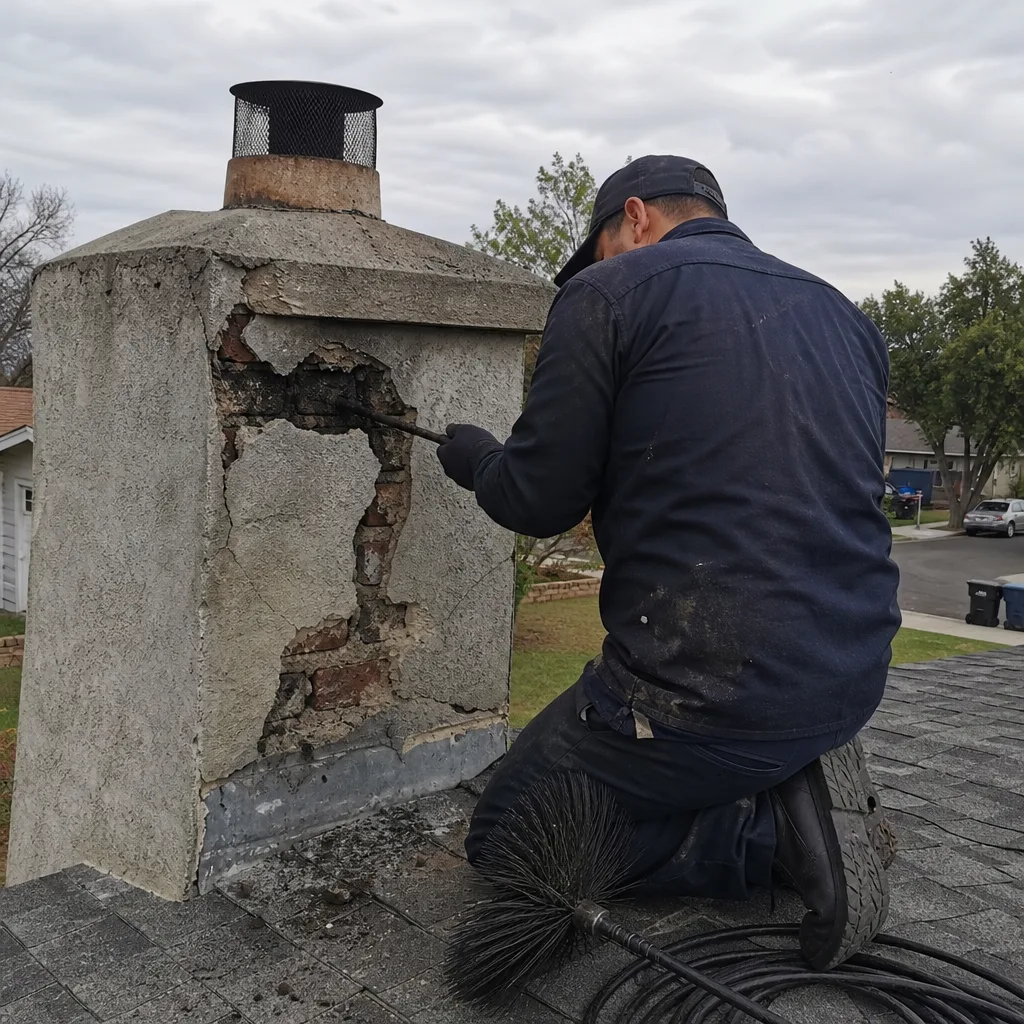
Spalling describes brick or stone that is flaking, crumbling, or losing its face. You’ll see it as brick surfaces that look peeled, mortar joints that have eroded, or pieces of brick on the ground near the chimney. Spalling is what happens when water inside the masonry expands and contracts, pushing the brick surface off from the inside out. By the time spalling is visible, the masonry has been compromised for a while. In Lynwood, where many homes were built in the 1950s and 1960s, aging brick chimneys are now showing the cumulative effects of decades of moisture exposure.
Rust streaks are another exterior warning sign that gets misread as cosmetic. When you see reddish-brown vertical staining running down the chimney face, it means something metal inside or attached to the chimney is corroding and the rust is being carried by water down the masonry. The rust’s source is the diagnostic question:
- Rust from the cap. A rusted, failing cap lets water into the flue. This is a straightforward fix with a quality replacement like a Gelco or Copperfield cap.
- Rust from the flashing. Damaged flashing at the roofline leaks water that runs down the chimney face, picking up rust from the flashing itself.
- Rust from the damper or liner. This is the serious one. If rust streaks originate at the throat or firebox area, the metal damper assembly or the liner may be corroding. A rusting liner is a structural issue that requires inspection and possibly remediation.
Spalling brick and rust streaks are both “schedule soon” urgency, not “ignore it” urgency. They won’t get better on their own, and both get more expensive the longer they’re left. The repair-first approach we take means evaluating whether repointing, a cap replacement, or a chimney sweep in Lynwood that includes a detailed condition report is the right starting point. Sometimes the full picture only becomes clear once the flue is clean and the camera goes in.
Debris in the Firebox: What It Means and Why It’s Not Just Mess
Finding debris in the fireplace when you haven’t used it is a warning sign that some Lynwood homeowners shrug off. It might be fine black flakes, small pieces of what looks like tile, bits of leaves, or gritty brown material. Each type of debris tells a different story, and knowing the difference changes what you do next.
- Fine black flakes or dark grit. This is usually creosote flaking off the flue walls. As creosote dries and the flue expands and contracts through temperature changes, it sheds. Seeing it in the firebox means the flue has enough buildup that it’s sloughing off, which is a cleaning indicator. It also tells you the creosote is the dry, flaky type, which is actually easier to remove than the tarry glaze, but it’s still fuel built up inside your chimney.
- Small pieces of clay tile. If the debris is hard, thin, brownish-red ceramic pieces, that’s flue tile spalling off the liner. Clay tile liners crack under heat stress and water damage, and pieces fall into the smoke shelf and firebox. This is a structural warning sign, not a cleaning issue. A cracked liner needs evaluation, and depending on what the camera inspection shows, the options include resurfacing with HeatShield or relining with a DuraFlex system.
- Leaves, twigs, and nesting material. Debris that looks like yard waste means the chimney cap is missing or damaged and animals or wind are getting in. It also means the flue may be partially blocked, which connects back to the smoke rollout section above.
- Gray ash or dust falling when the house shakes. This points to buildup in the smoke shelf area dislodging from normal house vibration, which is fairly common and usually just means a sweep is overdue.
We’ve had Lynwood homeowners show us a small pile of what they thought was “just dirt” that turned out to be the early warning of a clay liner giving out. The good news is that most debris findings, once inspected, turn out to be cleaning-related or cap-related, which are less expensive fixes. But the debris itself is data. Don’t vacuum it up and forget about it; look at what it is, and if you’re not sure, bag a sample and ask a specialist the next time one’s on site.
Animal Sounds and Activity: A Bigger Problem Than the Noise
If you hear scratching, chirping, fluttering, or scurrying coming from the chimney, you already know something is living in there. What most Lynwood homeowners don’t realize is that the animal itself is only half the problem. The nest, the droppings, and the damage the animal did getting in are the actual hazards that outlast the critter’s stay.
Birds are the most common chimney occupants in Lynwood. The chimney swift, in particular, is known for nesting in flues. Squirrels and raccoons also use chimneys, especially uncapped ones near mature trees, which many Lynwood neighborhoods have. Here’s what’s actually going on when you hear sounds:
- Nesting material is combustible. Twigs, leaves, grass, and whatever else the animal gathered sit inside the flue or on the smoke shelf. When you light a fire, that material is kindling sitting directly in the exhaust path. A chimney fire from a bird’s nest is a real and documented failure mode.
- Blockage redirects smoke and gas. Even a partial nest changes the flue’s aerodynamics. Smoke and carbon monoxide can back up into the house, especially if the nest is on the smoke shelf where you can’t see it from below.
- Droppings and carcasses carry odor and bacteria. If the animal dies in the chimney, you’ll smell it. If it nests and leaves, the droppings remain, and in summer humidity, they produce smell and can harbor pathogens.
- Animals damage components on entry and exit. Squirrels and raccoons can push off a poorly fitted cap, tear at the chimney crown, or damage the damper assembly trying to get in or out.
The long-term fix is a properly sized chimney cap installed by someone who knows the difference between a cap that keeps rain out and a cap that keeps animals out too. A good cap has the right mesh size and is secured so a determined raccoon can’t pry it off. Olympia Chimney and Famco both make caps we’ve used repeatedly in Lynwood’s older chimneys, where standard sizes don’t always fit right. If there’s an animal in the chimney right now, don’t try to smoke it out by lighting a fire. That’s dangerous for both you and the animal. Call a professional who can evict and clean properly, then cap the chimney so it doesn’t happen again.
Gas Log Fireplaces: Warning Signs That Work Differently
Gas log fireplaces don’t produce creosote, so some Lynwood homeowners assume they don’t need the same level of attention. That assumption causes problems, because gas systems fail in different ways than wood-burning systems, and the warning signs are subtler. If you have gas logs, here’s what to watch for:
- Soot accumulation on logs and glass. Gas logs can produce soot if the air-to-fuel mixture is wrong, the burner is dirty, or the logs have been rearranged in a way that impinges the flame. Heavy soot on glass is the most common sign that something is off with the gas system. It’s usually fixable with adjustment, but it needs a trained eye since gas appliances involve combustion safety.
- A chemical or “rotten egg” smell. Gas itself is odorless; the sulfur-like smell is the odorant added to natural gas. If you smell it, shut the system off and call a professional immediately. This is not a warning sign to triage and schedule. It’s a leave-the-house-and-call situation, and Lynwood homeowners should treat it that way.
- Yellow or lazy flame instead of a blue flame with yellow tips. A healthy gas log flame is mostly blue with yellow at the tips. A flame that’s predominantly yellow, or that floats and wavers, signals incomplete combustion and possible carbon monoxide production. This is a service call, not something to ignore.
- Condensation or water inside the firebox. Gas logs produce water vapor as a combustion byproduct. If the flue is sized wrong, partially blocked, or the damper isn’t opened correctly, moisture condenses inside the firebox and flue. Over time this causes rust and deterioration of the firebox and damper.
- Debris or foreign objects. Because gas logs don’t produce visible smoke, animals and debris can accumulate without being noticed. A missing cap on a gas log chimney is just as problematic as on a wood-burning one, because the flue still vents combustion gases even though there’s no visible smoke. Nesting material in a gas flue can block carbon monoxide exhaust.
One key misconception is that gas log chimneys never need sweeping. While it’s true they don’t need creosote removal the way wood-burning flues do, they still need inspection and cleaning. The flue liner still ages. Debris still accumulates. The damper still corrodes. Gas log chimneys in Lynwood that were converted from wood-burning decades ago often have liners that were sized for wood exhaust, not gas exhaust, which creates condensation issues over time. A specialist familiar with both fuel types should evaluate the system every year or two, even if the fireplace sees light use.
How to Triage What You’re Seeing: Immediate, Schedule-Soon, and Cosmetic
Here’s the part of this guide that ties everything together. When a Lynwood homeowner sees something on or around their chimney, the first question is usually “Do I need to do something about this right now?” The answer depends on the sign, and this triage framework helps sort it out.
Immediate: Stop using the fireplace and call this week
- Smoke rolling into the room persistently. This means combustion exhaust is entering your living space. Beyond being unpleasant, it carries carbon monoxide. Stop using the fireplace until the cause is diagnosed and fixed.
- Strong gas odor around a gas log fireplace. Natural gas leaks don’t self-resolve. Shut the gas off at the appliance valve and call both your utility company and a chimney professional.
- Crumbling flue tile pieces in the firebox. This indicates the liner has already begun failing. Continued use risks heat transfer to combustible materials around the chimney.
- Visible flame or glow in the chimney cavity during a fire. This means a chimney fire is happening. Call 911, evacuate, and deal with the structural damage afterward.
- Dead animal odor that recently started. The carcass is decaying inside the system. It needs removal before the next burn, and the entry point needs to be blocked.
Schedule-soon: Book an inspection within a few weeks
- White staining (efflorescence) on the exterior. Water is moving through the masonry. The longer it continues, the more damage it does. This is a schedule-soon issue: weeks, not days, but don’t wait another rainy season.
- Rust streaks on the chimney face. Something metal is corroding. The fix depends on what’s rusting, but the diagnosis window is weeks.
- Spalling brick or deteriorating mortar joints. Structural water damage that compounds over time. Repointing now is much cheaper than rebuilding a chimney section later.
- Summer odor that comes and goes. There’s a source, and it’s findable. If the damper is closed and the smell persists, it’s a call.
- Animal sounds or animal debris. The animal may leave on its own, but the nest and blockage remain. Handle this before fire season.
Cosmetic-only: Note it, but don’t panic
- Light soot staining at the fireplace opening. This indicates normal use and means a cleaning is due, but it’s not structural.
- Faded brick color or general weathering. Age shows on masonry. Color changes without crumbling or flaking are cosmetic.
- Spider webs and dust inside the firebox during summer. Ugly but harmless. A seasonal cleaning handles it.
- Small rust spots on the damper handle. Common with age and infrequent use. Worth noting, not worth losing sleep over if the damper still operates.
In our experience, most Lynwood homeowners who call us with a “something’s wrong” feeling turn out to have a real issue, and about half of those issues are things they could have caught earlier. The triage above is meant to shorten that detection gap.
Common Mistakes to Avoid
- Scrubbing off efflorescence and calling it fixed. The stain will return because the moisture path is still there. The stain is the symptom, not the problem. A Lynwood chimney that shows efflorescence every winter needs a water-entry diagnosis, not a cleaner brush.
- Assuming a little smoke is normal. A wisp during startup can be, but anything more than that is your chimney telling you something is wrong. On a mild Lynwood morning, a cold chimney may draft poorly for the first minute or two. After that, smoke in the room is a diagnostic signal, not a quirk.
- Ignoring summer odor because “it goes away in winter.” The smell disappearing when fire season starts doesn’t mean the source is gone. You’re just burning off or masking the odor. The creosote, nest, or water issue that caused it is still there.
- Treating a gas log fireplace as maintenance-free. Different fuel, different problems, same need for inspection. Gas systems kill people with carbon monoxide when flues are blocked, and Lynwood homes with older gas conversions are particularly worth a look.
- Vacuuming up firebox debris without looking at it. The debris is diagnostic. Black flakes mean creosote shedding. Tile pieces mean liner failure. Leaves mean cap failure. Vacuum first, diagnose never.
- Waiting until fall to address an animal problem. The longer a nest sits, the more bonded it gets to the flue walls and the harder it is to remove cleanly. Address it in spring or summer when it’s first noticed, not during the September chimney rush.
- Getting a cleaning quote without a condition assessment. Some services will sweep and leave, and you never know what the flue looks like afterward. A Chimney Sweep Lynwood home visit should end with you knowing the actual condition of your system, not just that it’s clean.
See the difference
 Before
 After
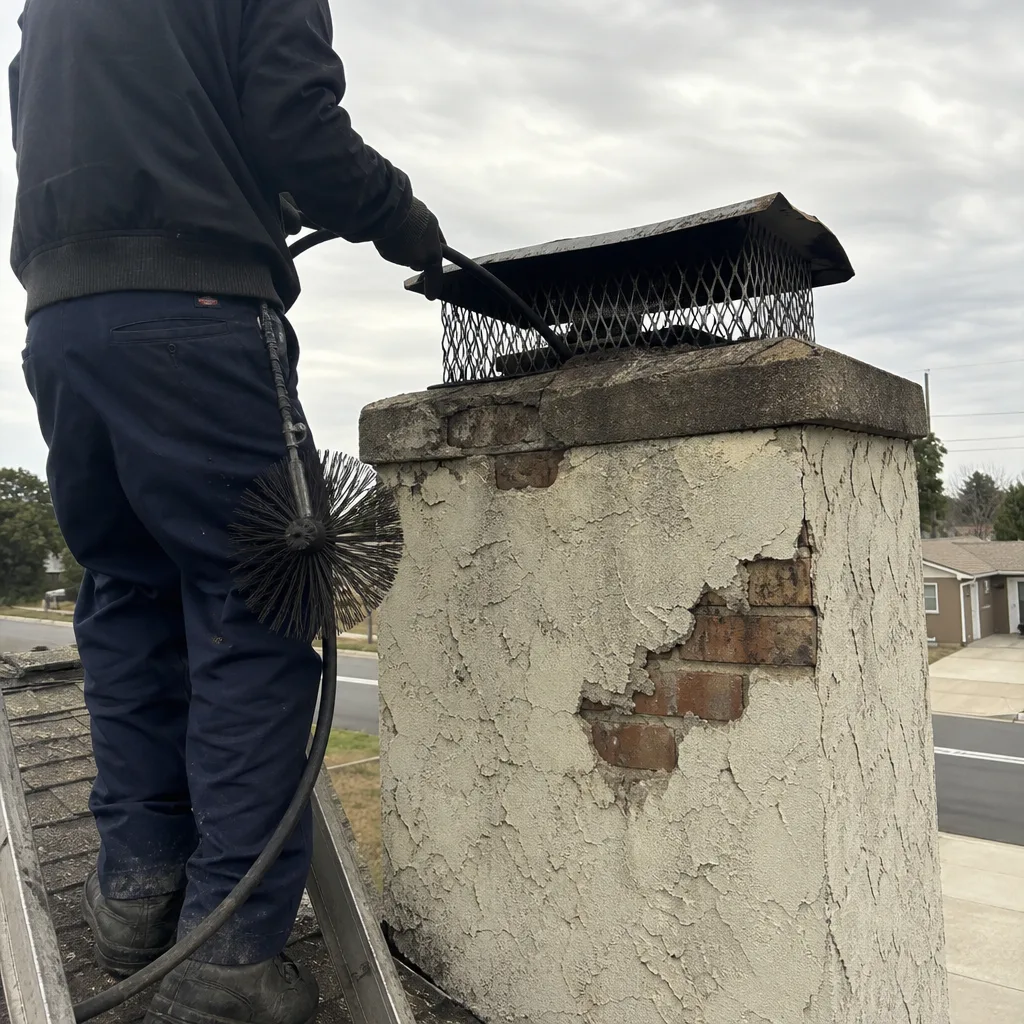 Before
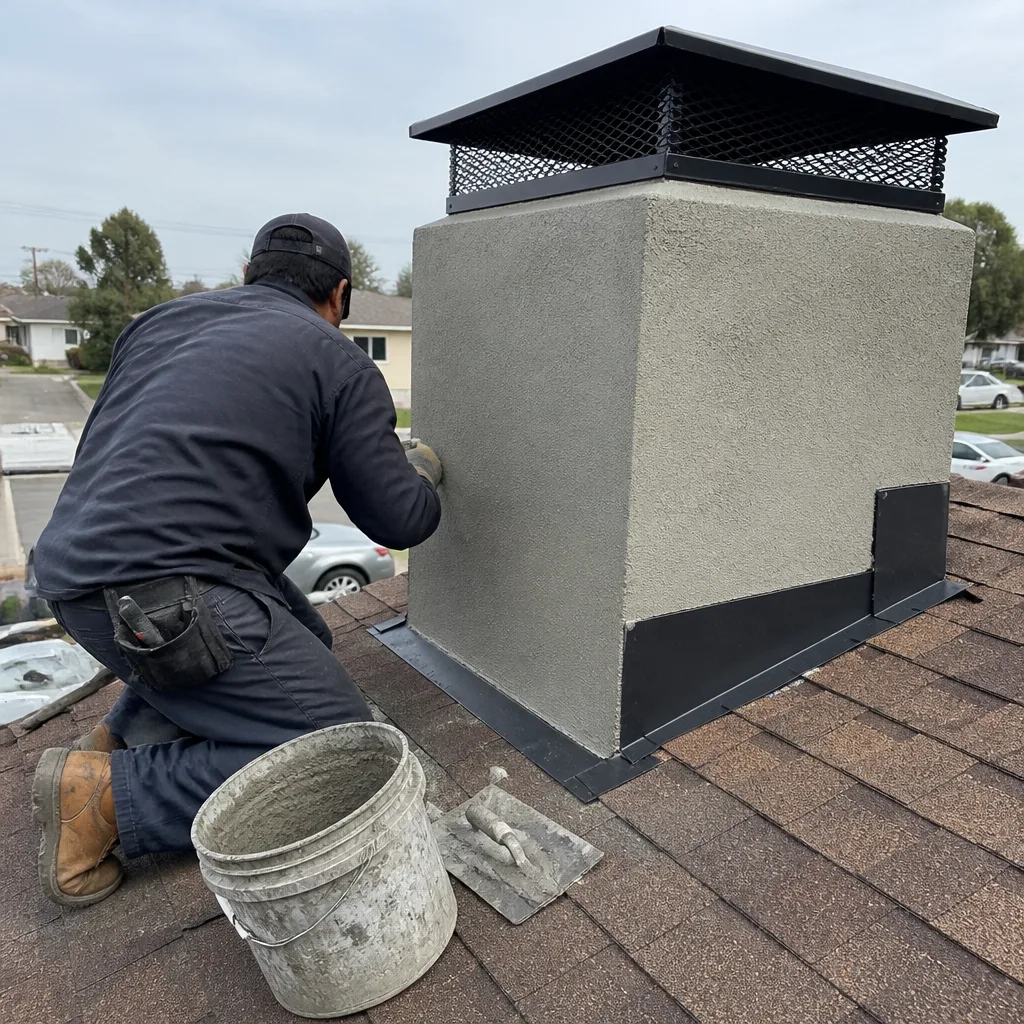 After
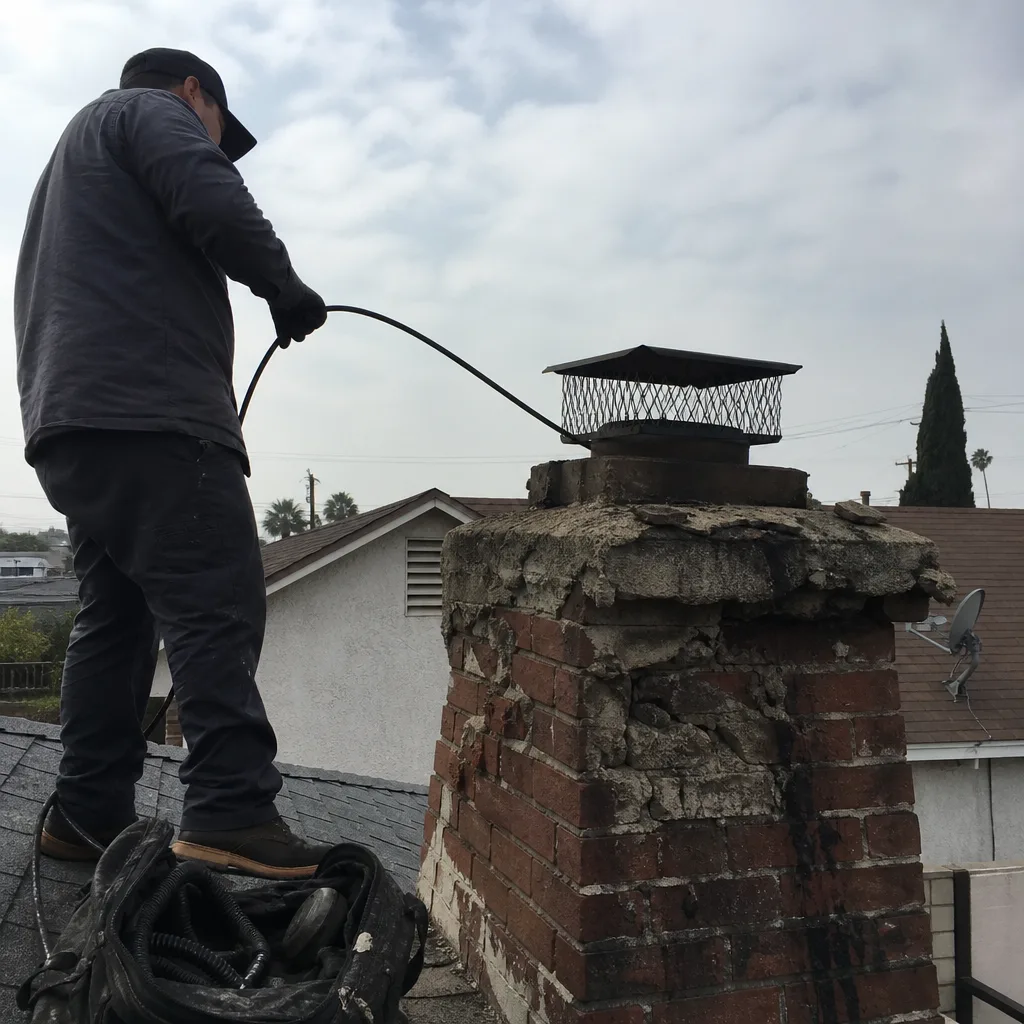 Before
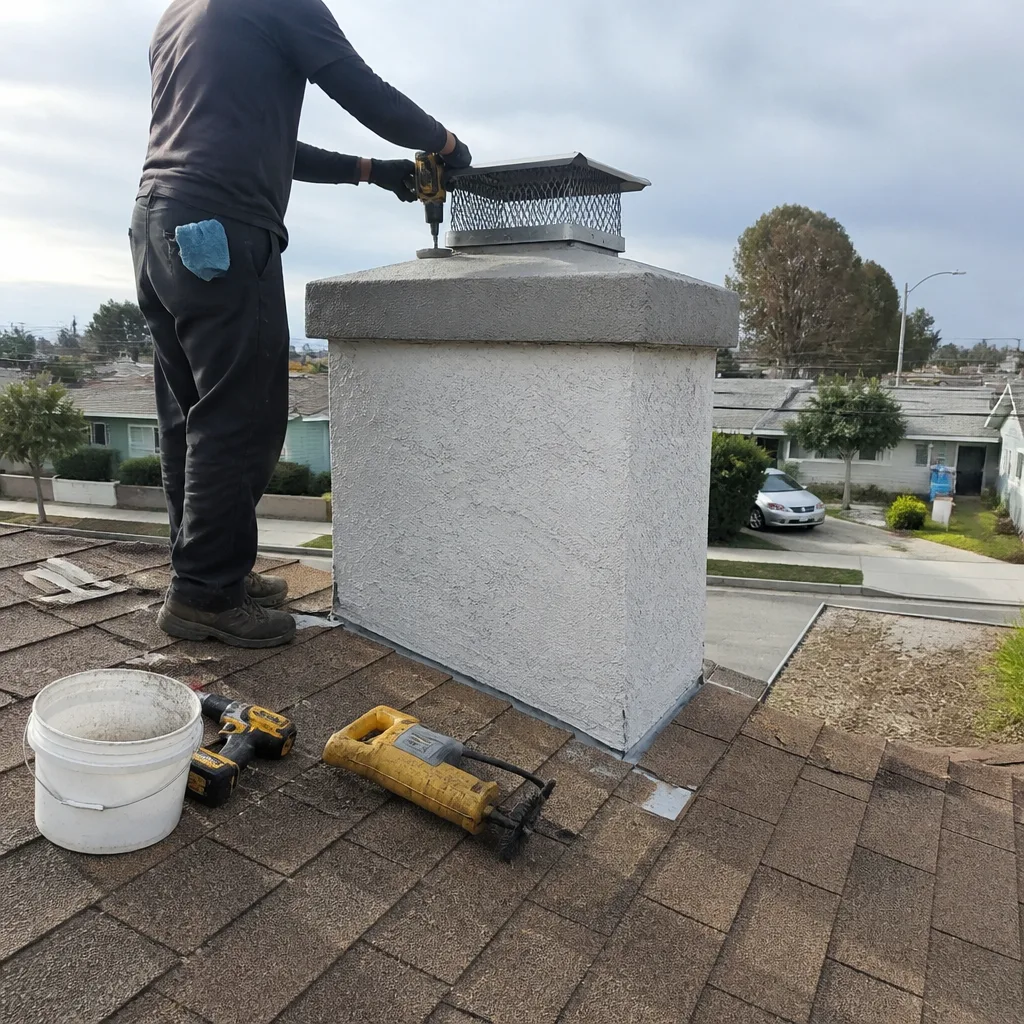 After
When to Call a Professional
If you’ve spotted any of the immediate or schedule-soon signs above, the next step is a professional evaluation. Specifically, call a specialist when: smoke rolls into the room after the first minute or two of a fire, you see rust streaks or white staining that returns after cleaning, debris in the firebox includes flue tile pieces, animal sounds have been coming from the chimney, or you smell gas around a gas log fireplace. A trained eye with a camera inspection can usually give you a definitive diagnosis in a single visit, and our repair-first approach means you’ll know whether a sweep, a cap, a HeatShield restoration, or a full relining is actually warranted. Chimney repair in Lynwood shouldn’t start with a guess; it should start with evidence. Chimney Sweep Lynwood offers free estimates in Lynwood and we’d rather tell you what’s actually wrong than sell you what isn’t. Call (855) 916-8513.
Frequently Asked Questions
A wood-burning chimney should be swept at least once per year if you burn regularly, and the National Fire Protection Association recommends an inspection whenever there’s a visible creosote buildup of 1/8 inch or more. In Lynwood, many homeowners burn seasonally rather than daily, which means every 18 to 24 months is often adequate for light-use fireplaces. Gas log systems should be inspected annually even though they don’t produce creosote. Call (855) 916-8513 to schedule a sweep and inspection.
A white stain on a chimney is efflorescence, which means water is moving through the masonry and depositing salts on the surface. It’s not cosmetic, and removing the stain doesn’t solve the underlying water entry. Chimney Sweep Lynwood can trace the water source and recommend the right fix, from cap replacement to crown repair. Call (855) 916-8513 for a free estimate.
Not necessarily. Cracked or spalling flue tiles mean the liner has failed, but the right fix depends on what the camera inspection shows. In some cases, a HeatShield restoration can resurface the existing liner and restore function without a full relining. In others, a DuraFlex flexible liner system is the right answer, especially in older Lynwood chimneys with non-standard configurations. The right call comes from evidence, not a quote. Call (855) 916-8513 to schedule an inspection.
Summer fireplace odor is caused by reverse drafts carrying chimney contents into the house, and in Lynwood’s warm seasons, the temperature differential between the house and the chimney makes this more common. The source is usually creosote, animal nesting, water in the system, or an open damper. A dryer vent cleaning in Lynwood appointment, combined with a chimney check, sometimes reveals that the smell is actually coming from the dryer vent system rather than the chimney. The fix starts with identifying the source. Call (855) 916-8513.
No. Birds in the chimney mean nesting material is in the flue, and nesting material is combustible. Lighting a fire with a nest in the flue risks a chimney fire, and it may also be illegal to disturb nesting birds during certain seasons. The fireplace should stay unused until the nest is removed and a cap installed. Chimney Sweep Lynwood can handle the eviction, cleaning, and capping. Call (855) 916-8513.
The direct consequence is creosote accumulation, which narrows the flue, worsens drafting, and increases fire risk, because creosote is fuel inside the chimney. Beyond that, skipped cleanings mean skipped inspections, so problems like cracked liners, failing caps, and water damage develop undetected. In the long run, the repair bill gets larger and the safety margin gets smaller. A cleaning is cheaper than a chimney fire, and it’s also how problems get caught early. Call (855) 916-8513 for a free estimate in Lynwood.
The Bottom Line
Most chimney warning signs are misread in one of two directions: dismissed as normal or overreacted to as emergencies. The value of this guide is the triage framework in the middle: efflorescence means water, smoke rollout means a differential diagnosis, firebox debris means data, and summer odor means a reverse draft with a source. If you remember one thing, make it this: visible warning signs on a chimney are almost never self-correcting, and they’re always cheaper to fix the day you notice them than the season after. Trust what you’re seeing, get it diagnosed, and if the diagnosis comes with evidence, you’ll know exactly what you’re dealing with.
Written by the team at Chimney Sweep Lynwood, serving Lynwood since 2017.