
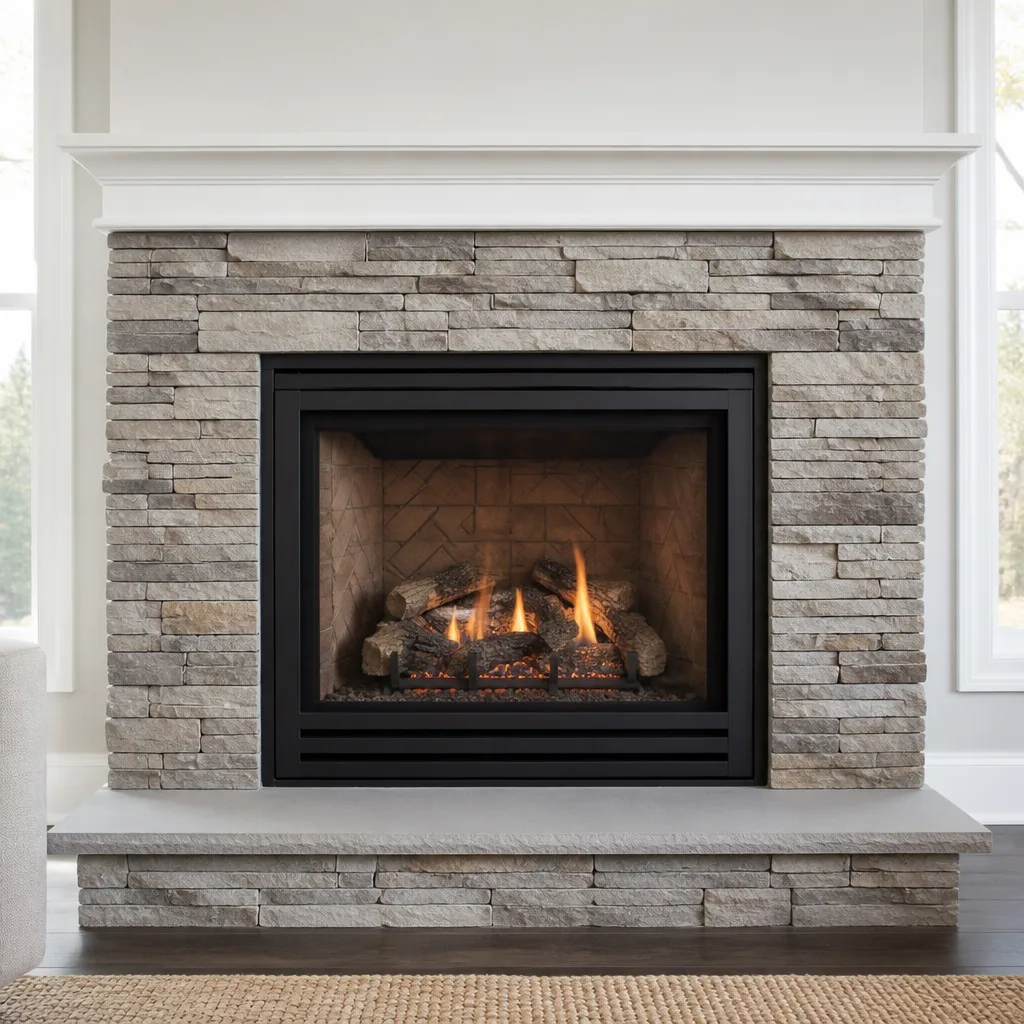
 Gas fireplace service
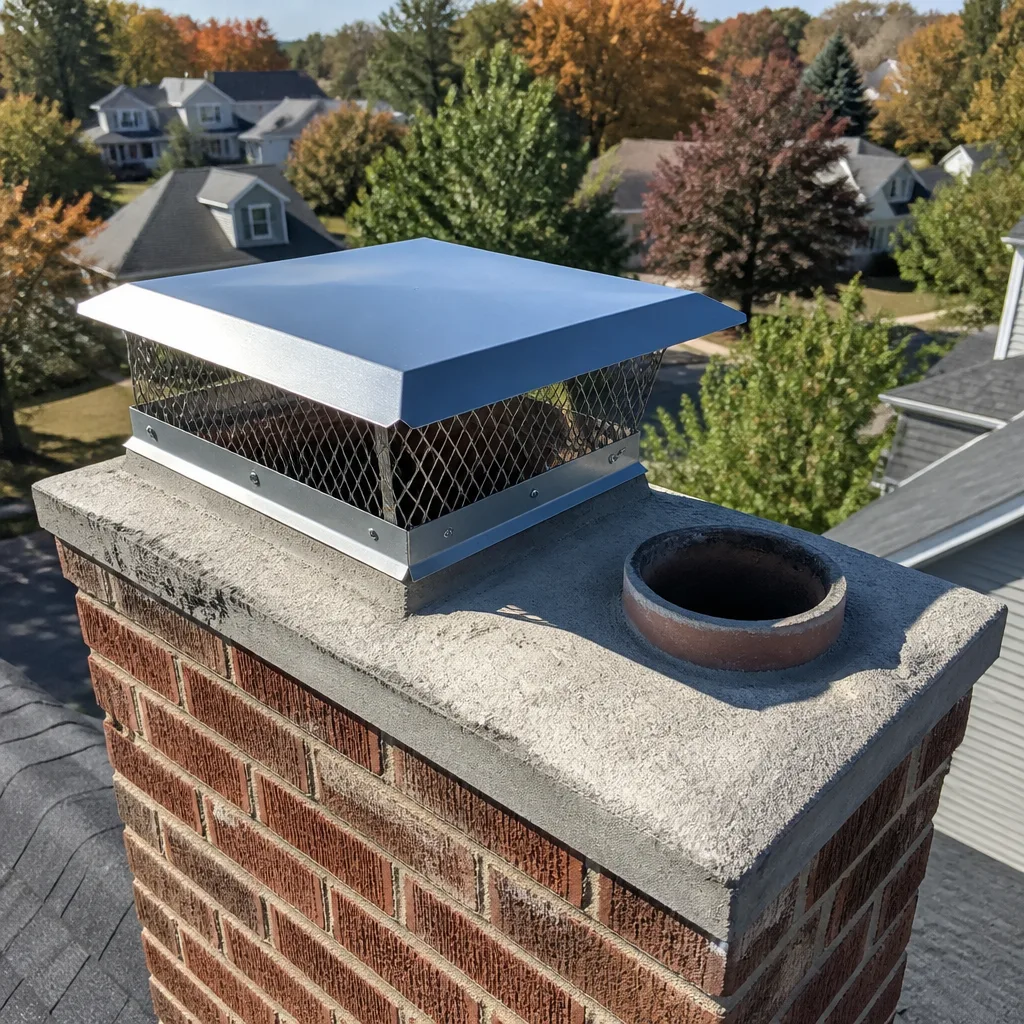 Sweep & inspection
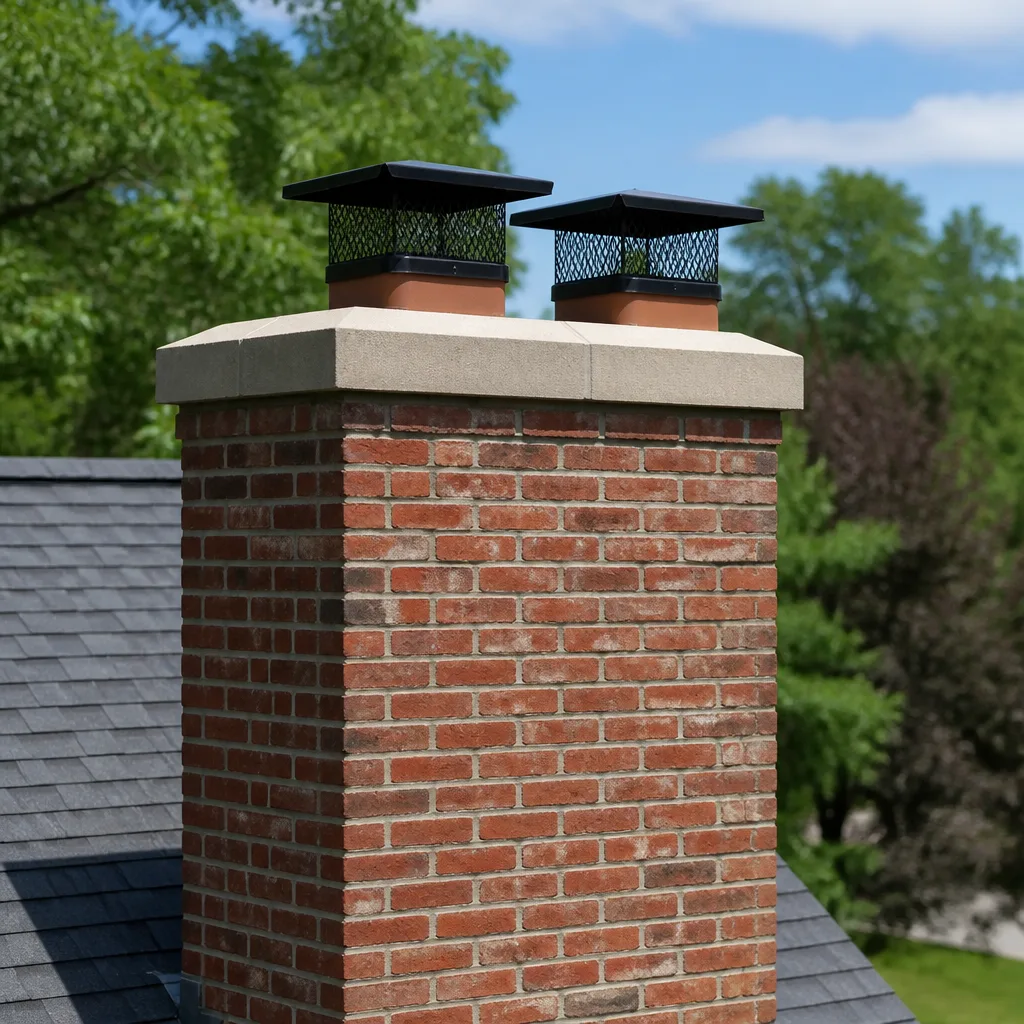 Caps & crowns
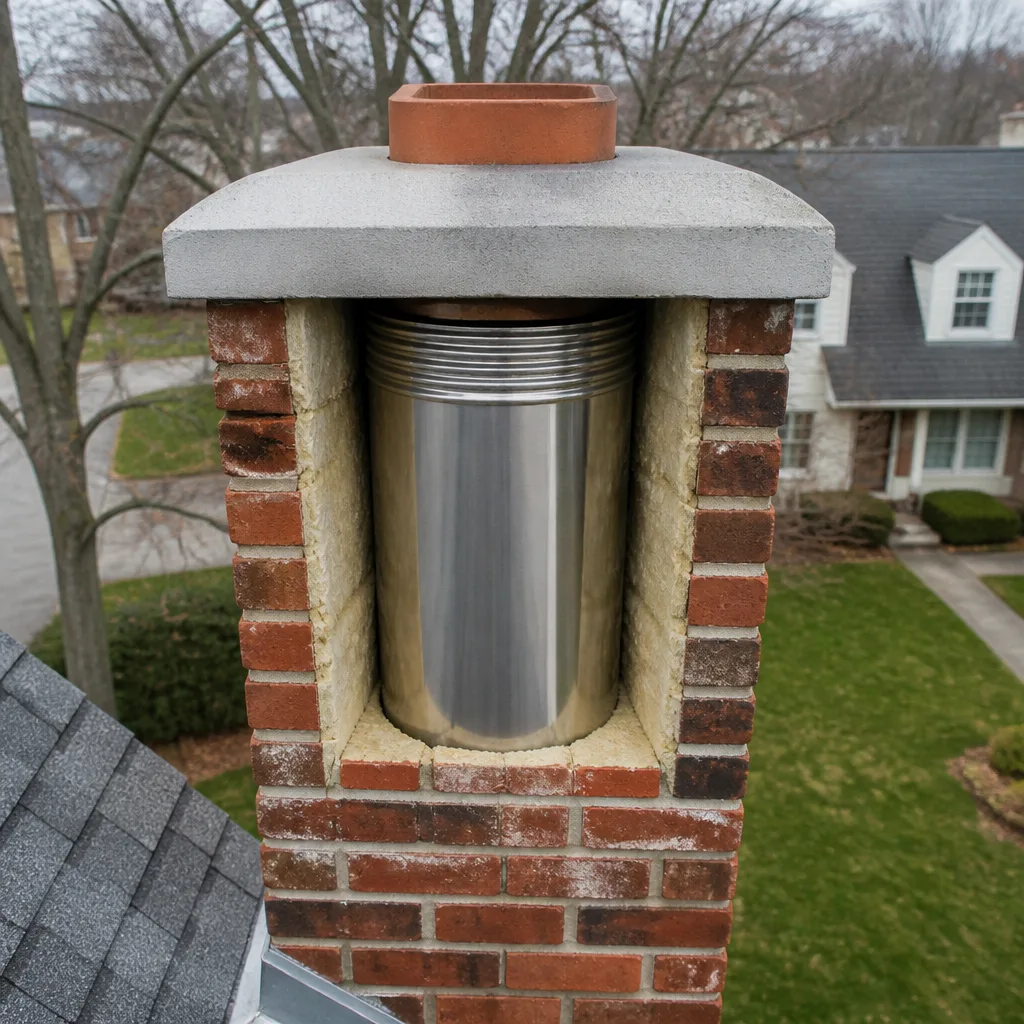 Flue relining
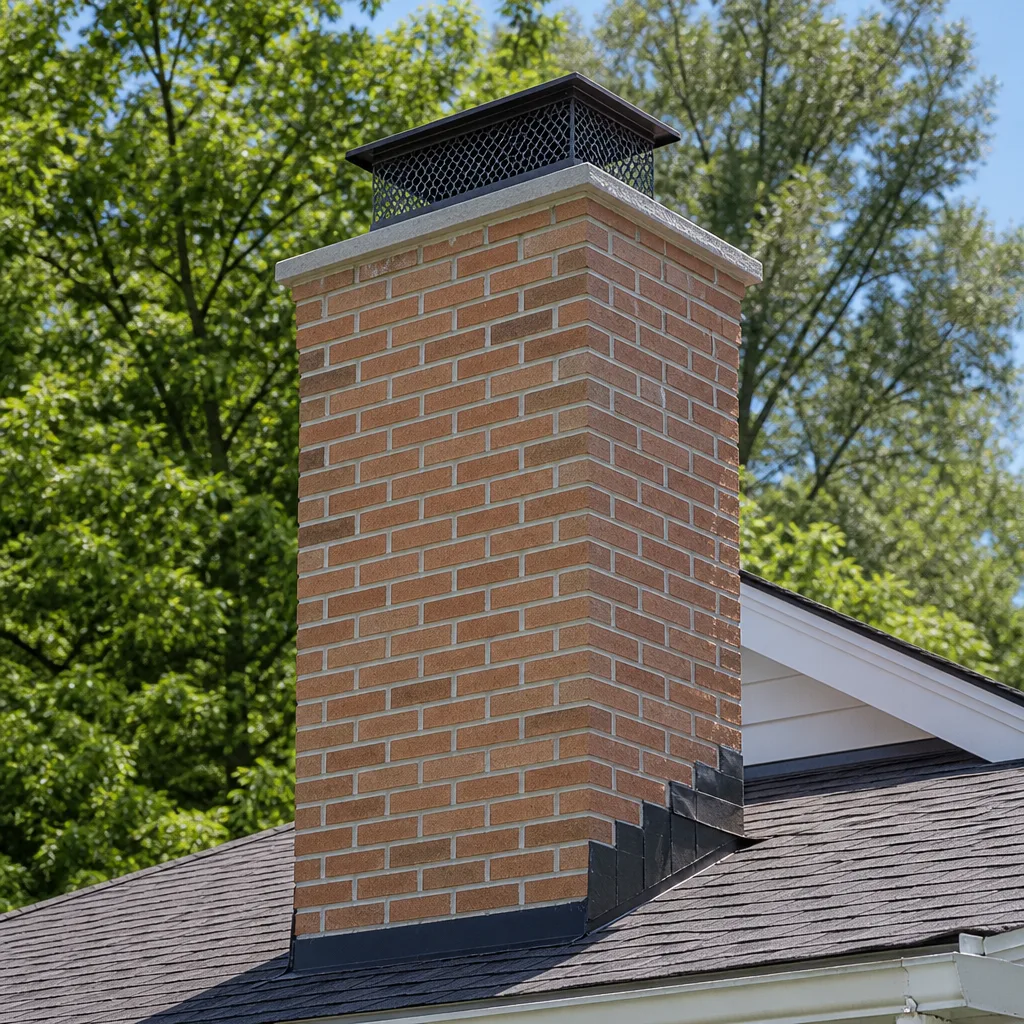 Masonry repair
Level 1 sweep and inspection to the NFPA 211 annual standard - flue, crown, cap, and flashing checked and photographed
Chimney sweep logs do not sweep chimneys. They loosen some creosote - which then falls where a brush and vacuum still have to collect it.
Why Lynwood Homeowners Choose HeatShield Chimney Cleaning
We provide independent HeatShield repair in Lynwood, including chimney cleaning, inspection, and firebox repair, backed by hands-on experience with their resurfacing compounds and refractory mortars. What sets our HeatShield work apart is sequencing: we sweep the flue first, assess the firebox substrate by hand, and only then recommend resurfacing, repair, or rebuild. As an independent HeatShield service provider, we’re not authorized by or affiliated with the manufacturer, which means we tell you what the firebox actually needs rather than pushing a product. Call (855) 916-8513 for a free estimate.
Most Lynwood homeowners don’t think about their chimney until that first cold night when the house dips into the 40s and someone lights a fire. By then, a decade of idle creosote has hardened against the flue walls, and whatever was quietly failing in the firebox is suddenly visible. HeatShield coatings, when properly applied and maintained, handle that first burn well. When they fail, it’s usually because the substrate underneath was never right to begin with. That distinction matters here more than in most places, because the housing stock tells its own story. The small stucco tract homes from the 1940s through the 1960s along Atlantic Avenue and the 710 corridor still carry their original brick fireplaces, and those older clay flue tiles have been through forty or sixty Southern California winters plus a lot of idle time in between. Hairline cracks from heat cycling and minor settling don’t announce themselves until the smoke does.
Why Trust Chimney Sweep Lynwood for Your HeatShield Chimney Cleaning?
Noel Archuleta grew up a few blocks from Lynwood Park, watched his grandfather fight a smoky fireplace through enough winters to understand that most chimney problems start years before the match is lit, and then spent the better part of two decades doing chimney work across Southeast LA. The technical foundation came through the HVAC and sheet metal programs at Los Angeles Trade-Technical College, where he learned how heat moves through flues and why refractory materials behave the way they do. That background is why we approach HeatShield service differently than a sweep-only operation. A clean flue doesn’t fix a bad liner, and it doesn’t fix a firebox face that’s delaminating at the rear seam.
We’ve rebuilt and relined hundreds of fireboxes across Lynwood and the surrounding Gateway Cities, which means we know how HeatShield service in Cudahy and nearby areas handles the refractory mortar curing against older masonry found in this specific housing stock. A 1940s bungalow firebox behaves nothing like a 1960s tract-home one. The older brick has a different porosity, different joint depth, and different movement patterns when it heats and cools. Our crew reads the visible cracking pattern, tests joint integrity by hand before any coating goes down, and only recommends HeatShield resurfacing when the substrate is sound enough to hold it. If the brick behind the face is spalling, HeatShield isn’t the answer, and we’ll tell you that plainly. That honesty is why homeowners call us when a standard sweep turns into a liner or firebox conversation. We use genuine HeatShield compound and their specified primer for firebox resurfacing, paired with quality aftermarket firebrick, dampers, and caps where the manufacturer doesn’t make the part. Warranty-safe service means following the application and cure requirements exactly, not cutting corners to fit the job into a shorter window.
Styles & brands we work with
- Sweep & inspection
- Caps & crowns
- Flue relining
- Masonry repair
- Gas fireplace service
Common HeatShield Chimney Cleaning Problems We Fix in Lynwood
HeatShield products are solid when matched to the right substrate and applied correctly. Here are the failure patterns we actually see in Lynwood, and the underlying causes most inspectors miss:
- Lifting at the firebox mortar joints. The HeatShield Original Firebox Resurfacing Compound is a face treatment, not a structural repair. When the original firebrick mortar joints underneath have hairline cracks that widen as the brick face wears, the coating loses its bond and starts lifting at the edges. In older Lynwood bungalows, we frequently find the original mortar is simply done, and no coating will hold until the joints are repointed or the firebox is rebuilt behind it.
- Delamination along the rear-wall-to-hearth seam. This is the weak point in almost every mid-century firebox we see. Prior sweeping abrades the firebox face, and if the HeatShield compound hadn’t reached full cure before the next burn, the thermal expansion shears the bond right at that seam. Moisture from a missing or damaged cap feeds it from above. We check this seam first on every inspection.
- Spiderweb cracking through the coating itself. Fine cracks that run across the surface of the HeatShield Water-Based Firebox Coating almost always trace back to application over a sooted or damp substrate. Soot acts as a bond breaker. Damp means the coating cures unevenly and shrinks against itself. In Lynwood, damp isn’t the obvious culprit people imagine, it’s the slow moisture wicking up through the foundation into the firebox brick, especially in the older one-story homes with minimal damp-proofing.
- Bond failure at the damper frame. The damper frame is where heat cycling hits hardest, and it’s where moisture from an open or missing cap concentrates. HeatShield Hi-Temp Refractory Mortar handles heat well, but if the cap is gone and rain has been running down the flue, the bond line at the frame gets attacked from both sides, thermally and hydraulically. This shows up as a ring of flaking coating right around the damper throat.
- Efflorescence and staining bleeding through the coating. When salts migrate through older masonry and deposit on the surface, they show up as white or gray staining through the HeatShield face within a season or two. It’s cosmetic until it isn’t. The real issue is that moisture is moving through the firebox, and if you don’t address that with proper waterproofing on the exterior of the chimney, any resurfacing is temporary. We handle chimney waterproofing as part of the broader repair sequence when needed.
HeatShield Parts & Our Repair-vs-Replace Approach
We stock genuine HeatShield compound and the specified primer for firebox resurfacing jobs throughout the HeatShield in Willowbrook and Lynwood service area, which keeps turnaround fast when the diagnosis is clear. For components HeatShield doesn’t manufacture, like firebrick, dampers, caps, and flashing, we use quality aftermarket products from brands we trust. The distinction between OEM and aftermarket matters most when it affects the warranty on the resurfacing work itself. Using the right primer matters. Using the right cure schedule matters. Those are non-negotiable because they determine whether the coating stays bonded or lifts within two seasons.
The decision between repair and replacement comes down to what’s underneath. HeatShield is a face treatment. When the firebox substrate is structurally sound, with intact brick and solid joints, we resurface. When the brick behind it is spalling, crumbling, or the firebox shell has shifted, we tell you the truth: a coating won’t fix a failing structure, and the right answer is a rebuild or reline. We’d rather walk away from a resurfacing job than sell it into a firebox that can’t hold it. Call (855) 916-8513 if you want an honest read on your firebox before budgeting for repairs.
Our HeatShield Service Process – Step by Step
- 1
Diagnosis. We start with a full flue sweep and a close inspection of the firebox face, rear wall, hearth seam, and damper frame. We’re looking for the specific failure patterns listed above, and we check the exterior cap and crown for moisture entry points that feed the bond line from above.
- 2
Repair or install. If the substrate is sound, we prepare the face by grinding back failed HeatShield coating, cleaning and priming the surface per the manufacturer’s specification, and applying fresh compound or mortar in the correct lift thickness. If the firebox shell is compromised, that’s a rebuild conversation, not a coating conversation.
- 3
Testing. Once the coating has cured on schedule, we confirm the draw with a smoke test and re-inspect the seams for any sign of lifting or cracking before we consider the job done. In a 1960s Lynwood tract house with an original clay flue, we’re also checking that the flue itself isn’t contributing to the smoke spill that started the call.
- 4
Warranty-backed work. We stand behind what goes into your home. Our resurfacing and repair work is backed by our craftsmanship warranty, and we document everything with photos so you can see what was done and why.
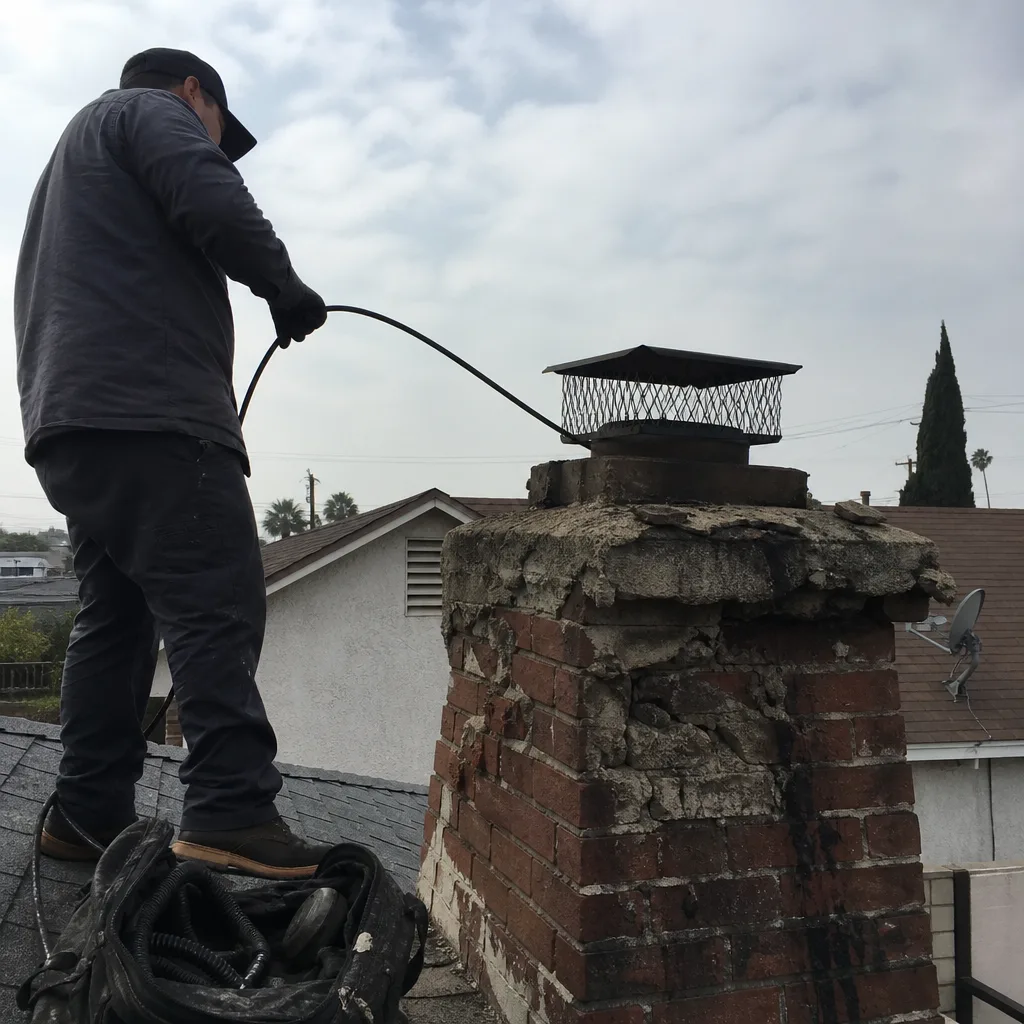
See the difference
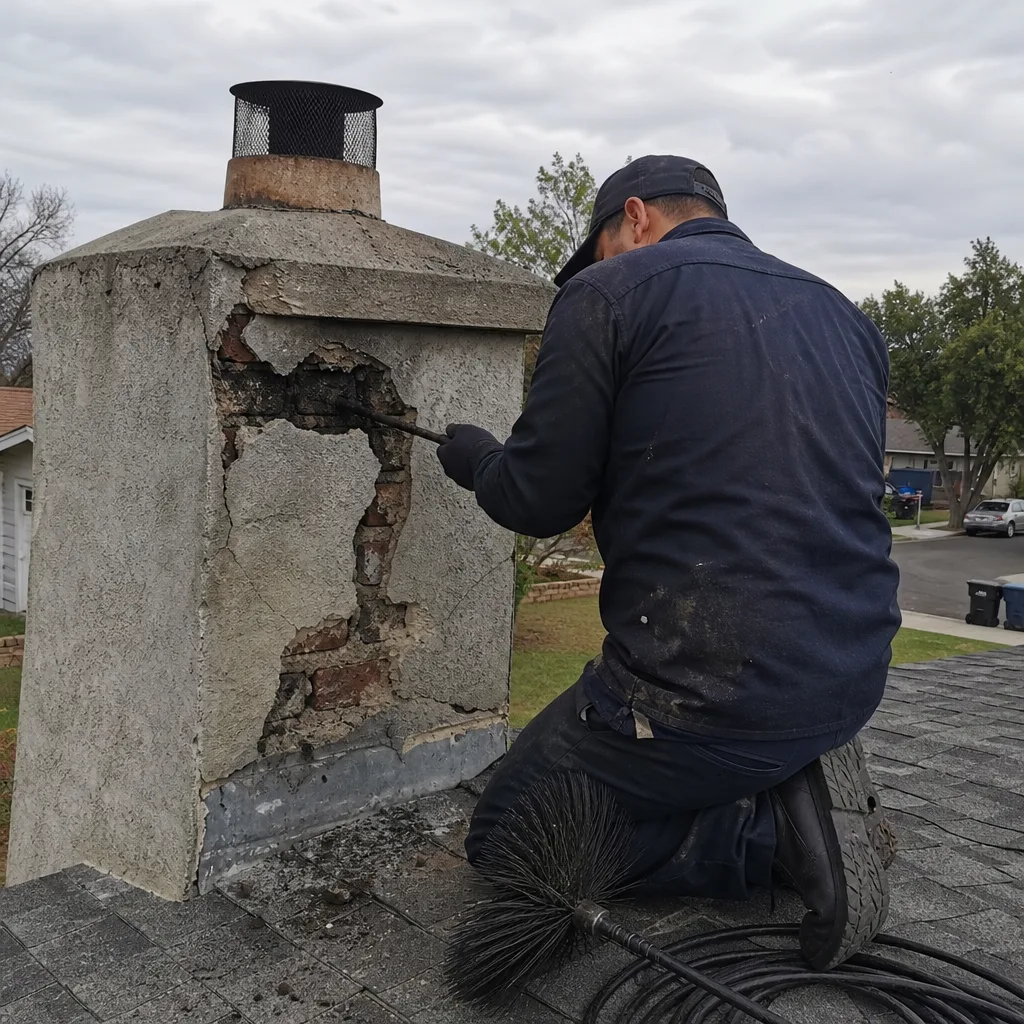 Before
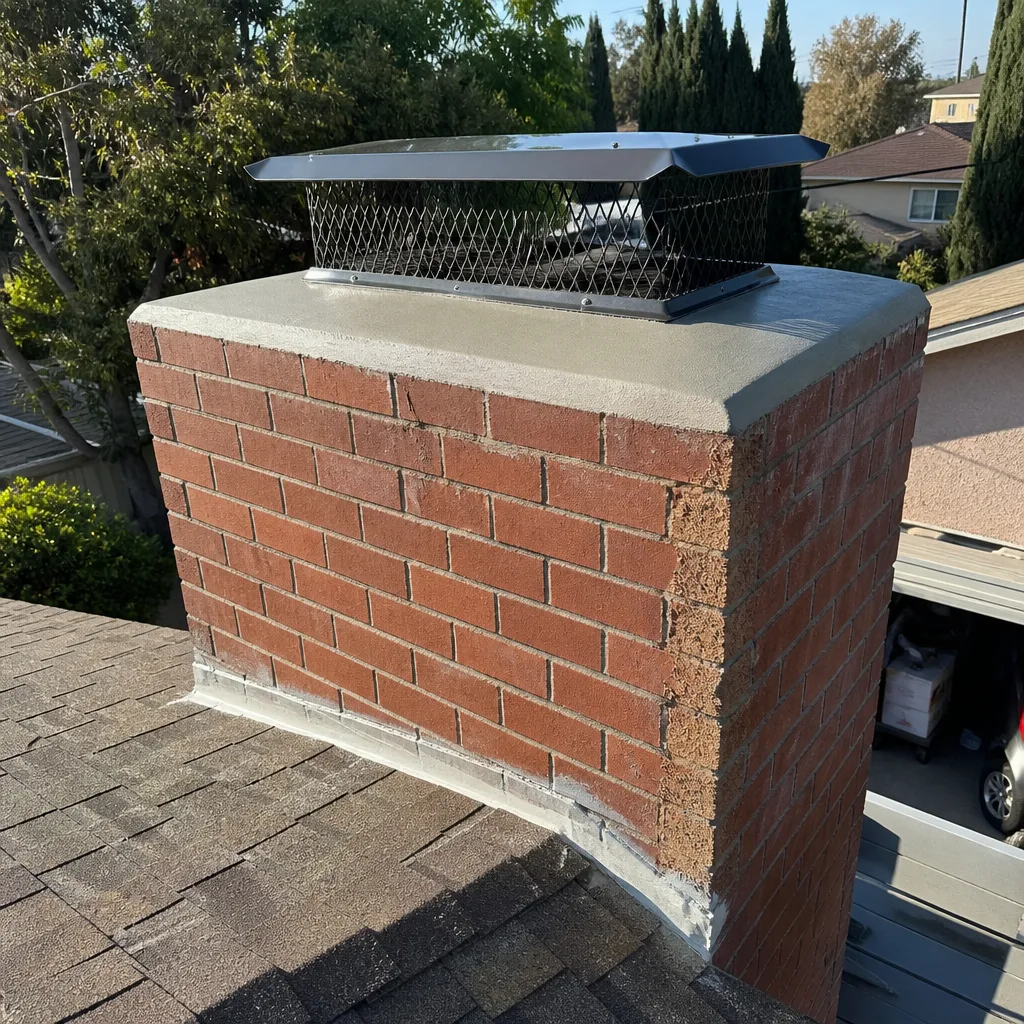 After
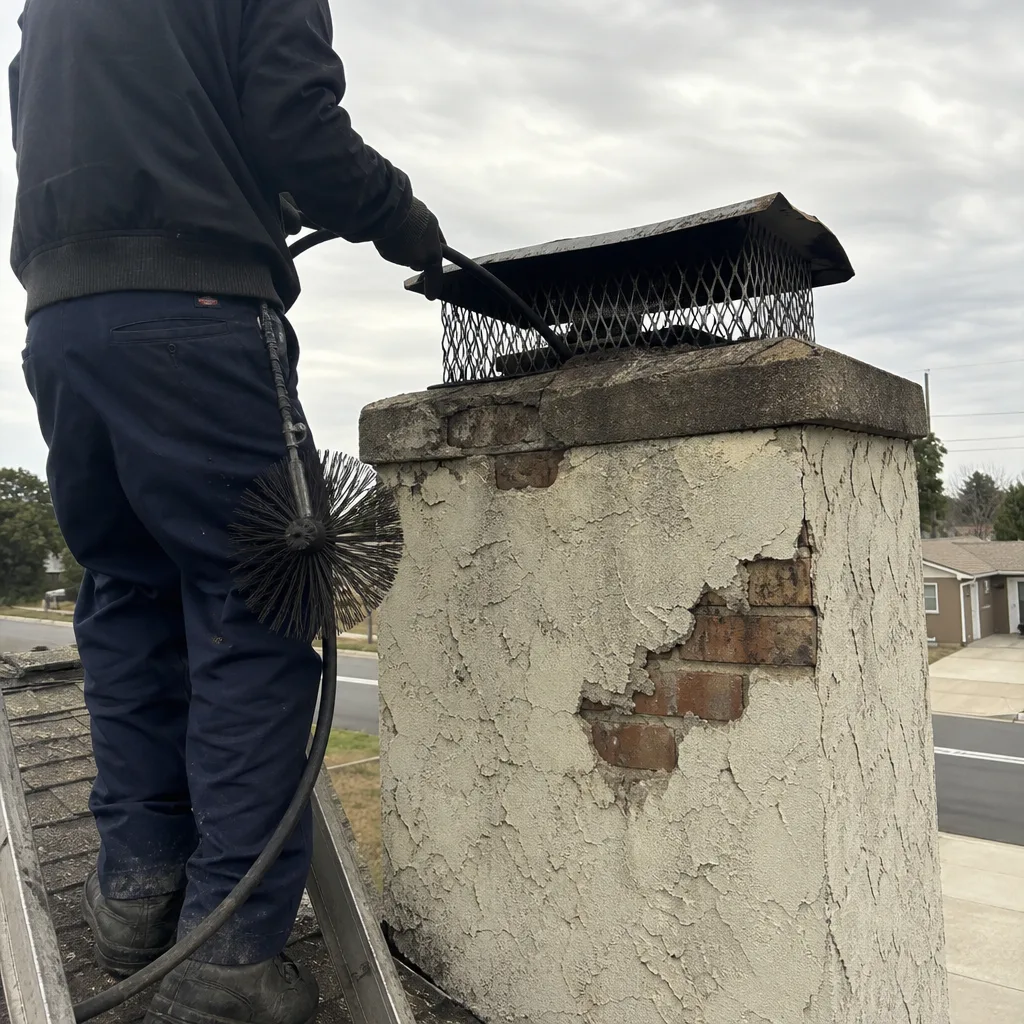 Before
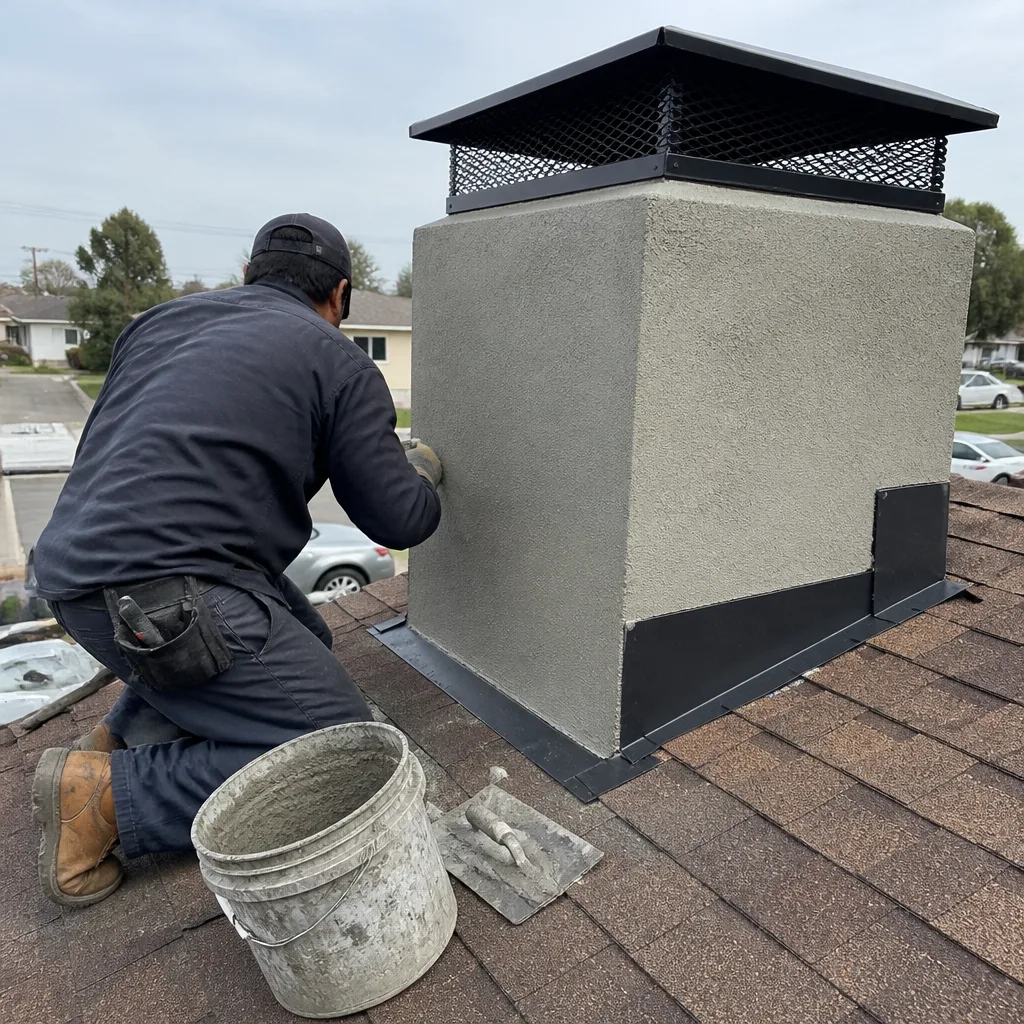 After
 Before
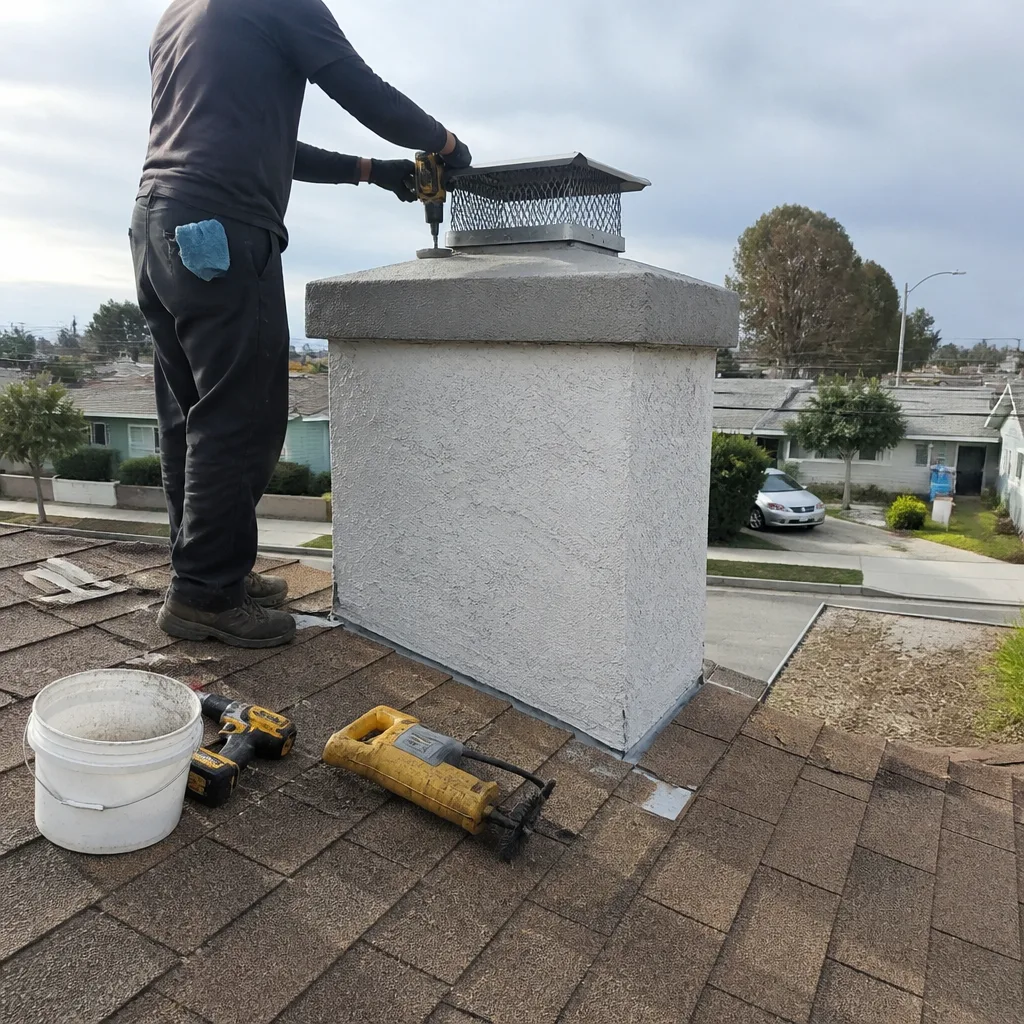 After
HeatShield Products We Service & Install in Lynwood
Our crews work with the full HeatShield line as it applies to the fireboxes we see across Lynwood. The Original Firebox Resurfacing Compound handles the standard masonry firebox faces in this housing stock. The Hi-Temp Refractory Mortar, pre-mixed, gives us better control on deeper joints and rebuild boundaries where the original mortar has failed. The Water-Based Firebox Coating suits pre-cast panel fireboxes and insert surrounds. We keep all three in rotation on the truck depending on the week’s schedule, and we know which product matches which firebox configuration without having to look it up. That’s the difference between a trained specialist and a generalist who Googles it on site.
We Also Service These Brands
HeatShield is one of the professional-grade lines we carry and install, not the only one. We also work regularly with DuraFlex flexible liner systems for flue remediation in older and non-standard chimney configurations, and Gelco for caps, shrouds, and venting terminations. If your chimney needs something HeatShield doesn’t make, we’ll pair it with the right product from another brand we trust, without making you chase down a second contractor.
FAQs – HeatShield Chimney Cleaning Service in Lynwood
No. HeatShield resurfacing compound is a refractory face treatment that restores the visible firebox surface and seals minor cracking when the underlying brick and mortar are still structurally sound. A full firebox rebuild involves taking the firebox apart and rebuilding it with new firebrick and refractory mortar. In Lynwood’s older tract homes, we often find the two confused: someone resurfaced over a failing firebox shell and it lifted within a season or two because the coating was never the fix the structure needed. We’ll tell you which one you need before any compound goes down.
Look for lifting or flaking at the edges of the firebox, especially at the rear wall where it meets the hearth, and fine spiderweb cracking across the coating surface. Discoloration or staining bleeding through, white crusty deposits around the damper frame, or smoke spill that returns after you’ve swept the flue are all signs the coating bond has broken. If you’re seeing any of those in your Lynwood fireplace, call (855) 916-8513 and we’ll inspect the face, test the joints by hand, and tell you exactly what’s going on.
Yes, with the right technique. The issue is that aggressive sweeping drops debris and brush contact onto the firebox face, and if the coating hasn’t cured fully or is already lifting at the seams, that abrasion makes it worse. We protect the firebox face during every sweep, check the coating condition before we start, and if we see pre-existing delamination, we document it and give you a repair plan rather than grinding away at the edges blindly. A standard sweep should never be the thing that finishes off a coating.
Either the substrate was never properly primed, the compound was applied over soot or damp brick, or moisture is entering from above and attacking the bond line from the outside. The first two are application failures. The third is structural, and it’s the reason we recommend checking the cap and crown whenever a HeatShield in Watts or Lynwood homeowner reports recurring firebox cracking. No face coating survives a flue that’s routinely getting rained into through a missing cap. Call (855) 916-8513 and we’ll trace the moisture source before we touch the firebox.
Yes. Gas fireplaces and insert surrounds have different clearances and heat patterns than open wood-burning fireboxes, and the HeatShield Water-Based Firebox Coating is frequently the right match for pre-cast panels in those configurations. We check the manufacturer’s installation specs for your specific unit before recommending any resurfacing, and we don’t apply coatings that would interfere with gas line clearances or insert airflow requirements.
HeatShield chimney cleaning and firebox resurfacing cost depends on what we find when we open the firebox. A standard flue sweep in Lynwood typically runs $199 – $319 depending on flue height and creosote volume. Firebox resurfacing starts around $800 – $1,200 for a standard masonry firebox, with the final quote determined by substrate condition, square footage of the firebox face, and whether joint repair or moisture mitigation is needed first. Call (855) 916-8513 for an exact quote, estimates are free, and we’ll show you photos of anything we recommend before you commit.
Book Your HeatShield Service in Lynwood, CA
If your HeatShield firebox is showing cracks, lifting, or smoke spill, don’t wait for the next cold snap to find out what’s underneath. Call (855) 916-8513 for a free estimate, and we’ll inspect your Lynwood chimney, tell you what’s actually going on, and give you an honest answer on repair versus resurface. Our team serves Lynwood and the surrounding Gateway Cities year-round.
Written by Noel Archuleta, Owner at Chimney Sweep Lynwood, serving Lynwood and the surrounding Southeast LA area.