
Last updated November 2, 2026
 Sweep & inspection
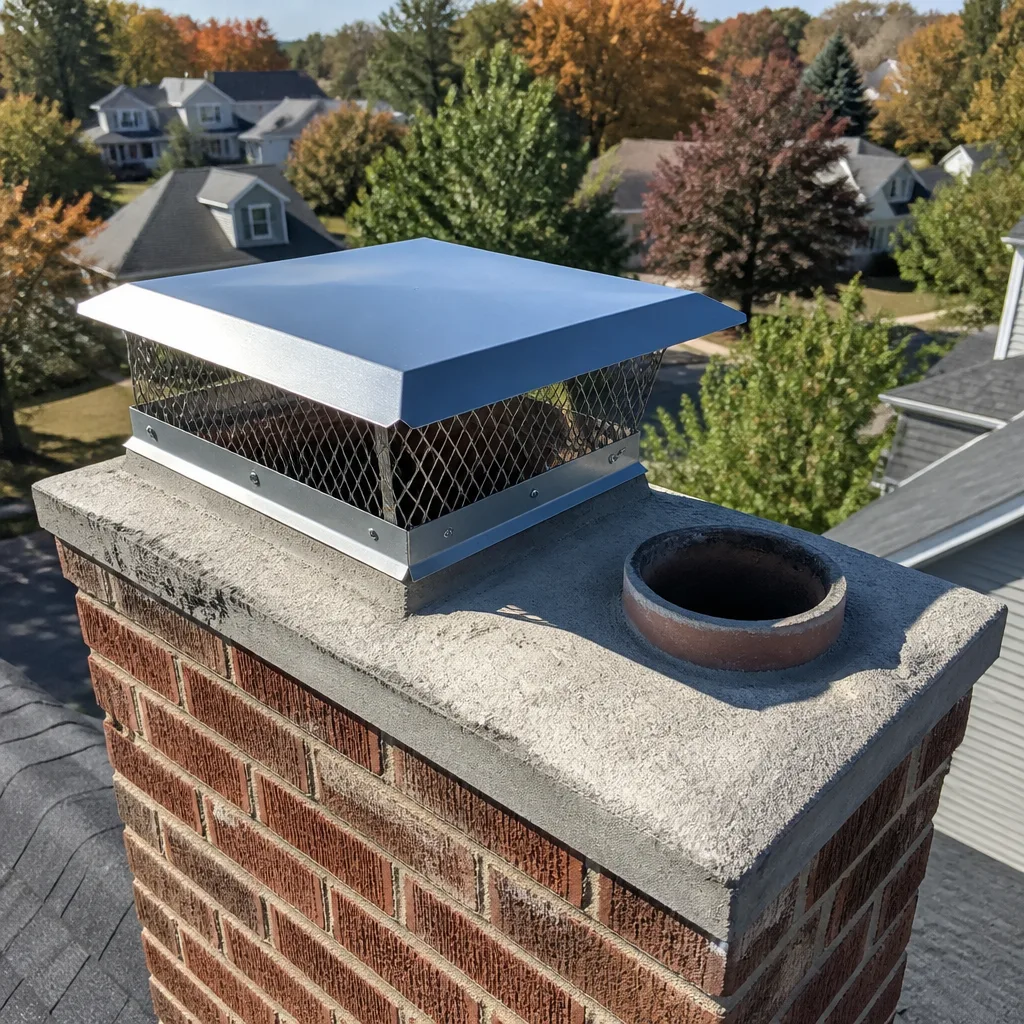
 Caps & crowns
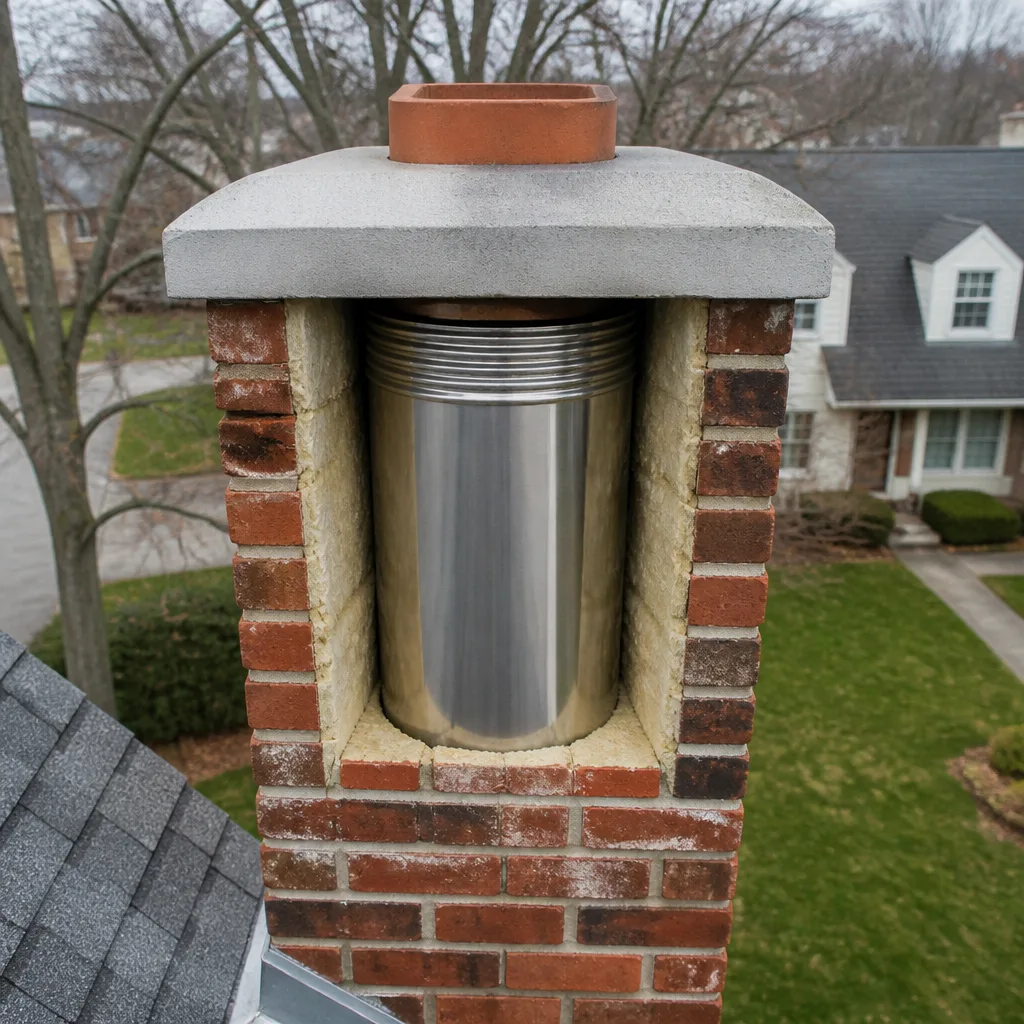 Flue relining
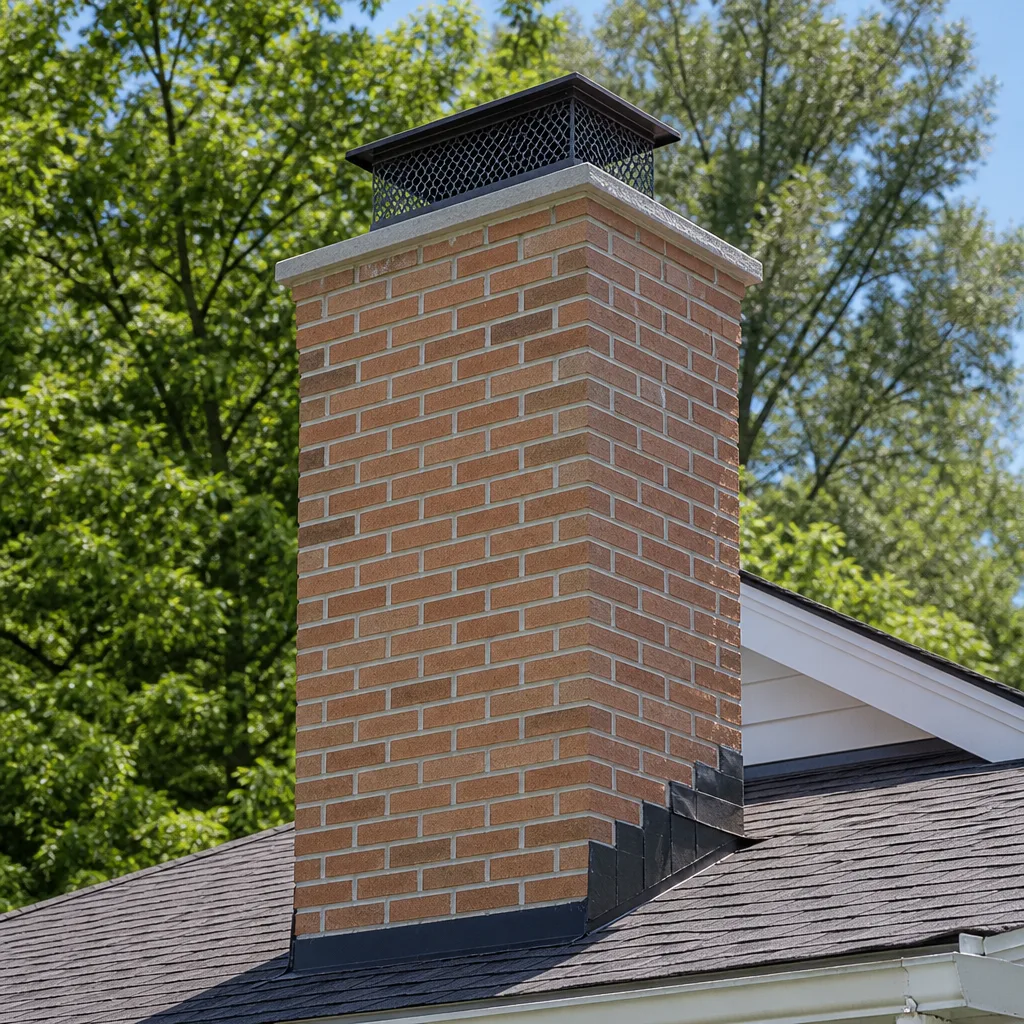 Masonry repair
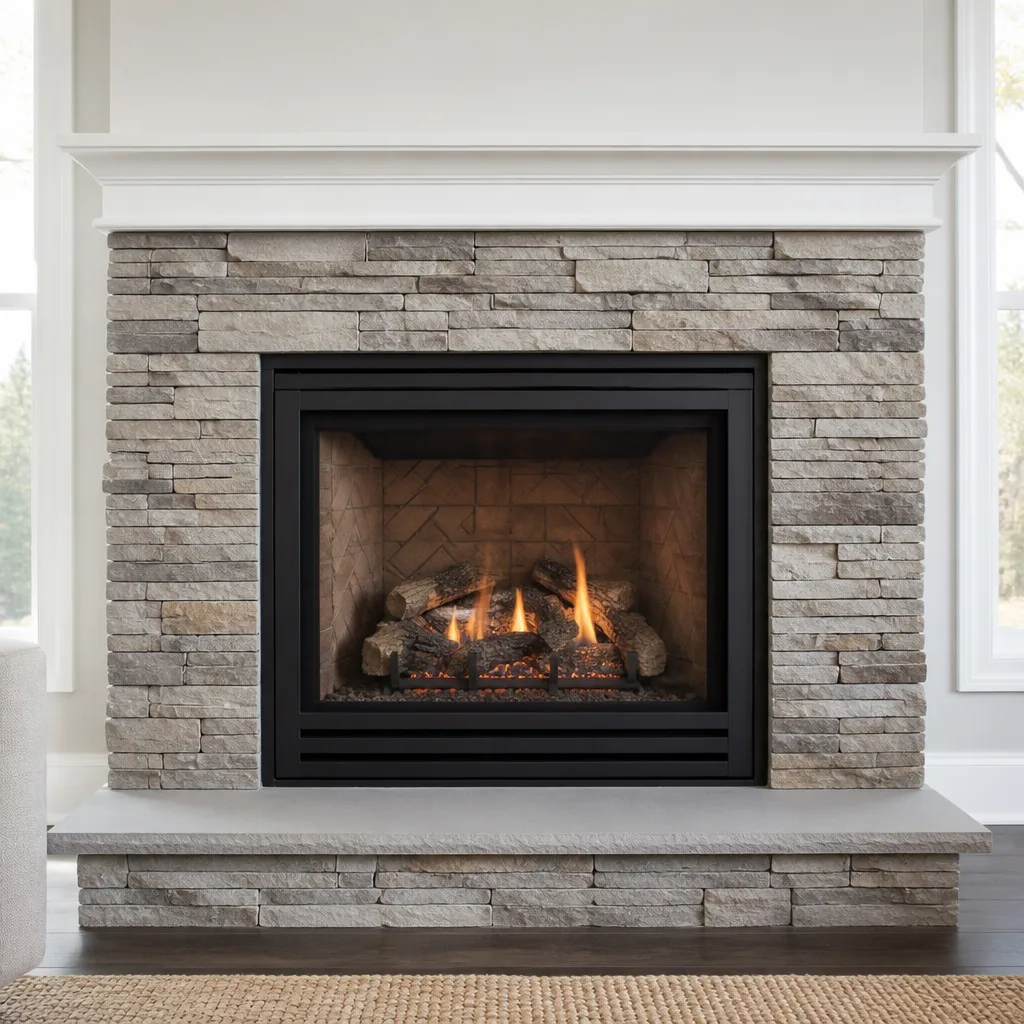 Gas fireplace service
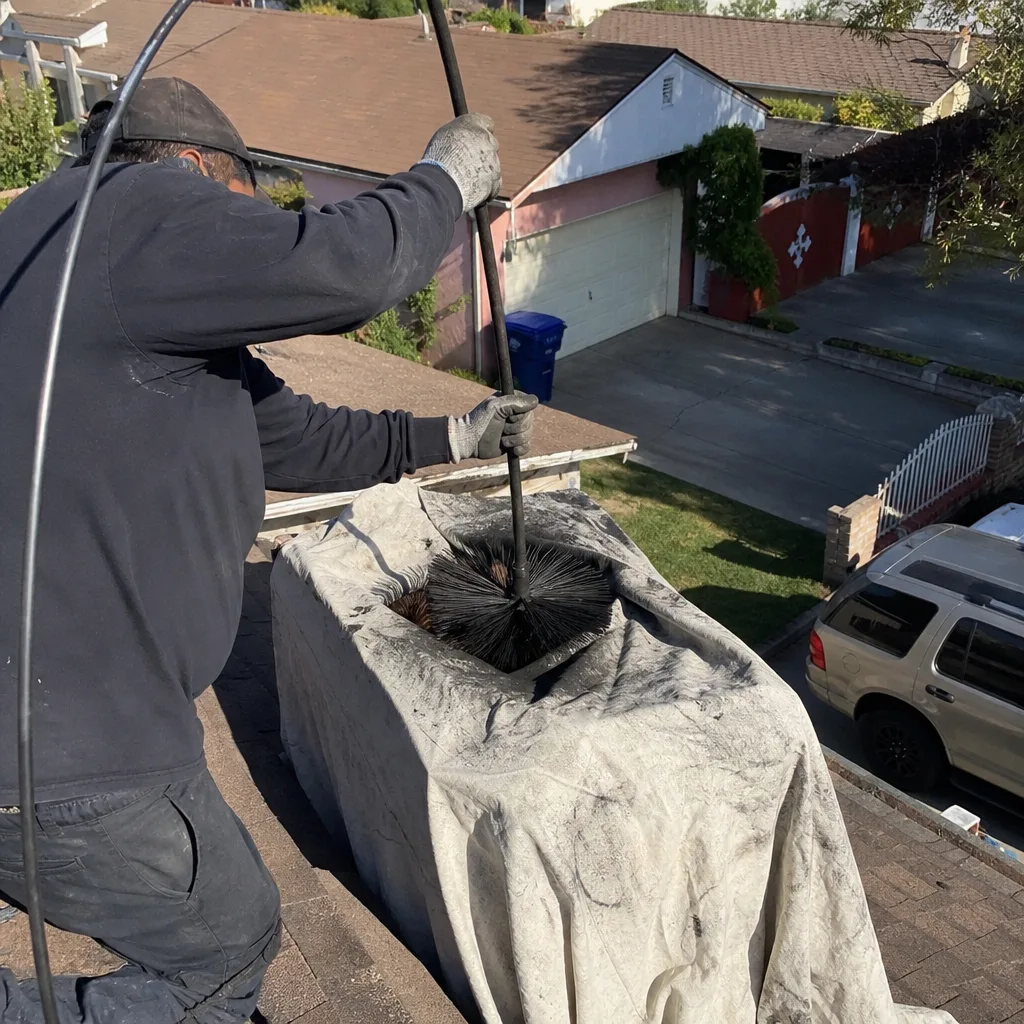
Level 1 sweep and inspection to the NFPA 211 annual standard - flue, crown, cap, and flashing checked and photographed
Chimney sweep logs do not sweep chimneys. They loosen some creosote - which then falls where a brush and vacuum still have to collect it.
Chimney Cleaning Permits, Codes & Inspections in CA: What You Need to Know
A chimney sweep needs no permit. A chimney reline does. Most homeowners don’t know that line exists until they’re filling out seller disclosure forms during a home sale, and the buyer’s inspector flags a liner that was replaced without a building permit. In Lynwood, where mid-century wood-burning fireplaces are common in the residential tracts south of Imperial Highway, that discovery happens more often than you’d think. This guide draws the exact line between routine maintenance and regulated work under California Building Code, so you understand what triggers a permit, what doesn’t, and what to ask before anyone touches your chimney. For more guides & resources on chimney care, explore our blog.
Quick Answer
A standard chimney sweeping or inspection in California requires no permit. But the moment work extends to structural repair, flue relining, firebox rebuilding, or appliance installation, the California Building Code and local enforcement agencies require a permit and inspection. If you’re in Lynwood, cleaning is unregulated; anything that changes how your chimney functions or withstands fire is not.
Styles & brands we work with
- Sweep & inspection
- Caps & crowns
- Flue relining
- Masonry repair
- Gas fireplace service
Table of Contents
- The Line Between Cleaning and Regulated Work
- What the California Building Code Actually Says
- NFPA 211: The Standard Behind the Code
- How LA County and Lynwood Enforce the Rules
- Unpermitted Work and What It Means at Resale
- Permit Requirements for Common Chimney Jobs
- Questions to Ask Before Signing Any Repair Contract
- What Happens During a Code Inspection
The Line Between Cleaning and Regulated Work
The distinction matters because it determines whether your project lives in the unregulated world of routine maintenance or the regulated world of building permits. Here’s the practical rule we use when a homeowner in Lynwood asks us whether a job needs a permit: if the work restores existing conditions to how they were originally built, it’s maintenance. If it changes, replaces, or alters the structure or function of the chimney system, it’s regulated.
A routine chimney sweeping removes creosote and soot from the flue interior. It doesn’t alter the flue, the firebox, the masonry, or the venting configuration. Same with a Level 1 inspection: you’re looking at accessible portions of the chimney, checking for obvious blockages and buildup, and confirming the damper operates. Neither activity requires contacting the City of Lynwood building department.
Here’s where the line gets crossed:
- Flue relining – replacing or resurfacing the interior liner is structural work. A permit is required because a liner failure is a fire-safety issue.
- Firebox rebuilding – if the masonry firebox needs rebuilding or major repointing of the interior refractory surfaces, that’s regulated.
- Chimney crown replacement – a new cast or poured crown changes the structure, so it requires a permit in most California jurisdictions.
- Masonry repair beyond cosmetic – tuckpointing a few brick joints is maintenance; rebuilding a section of the chimney stack is not.
- Appliance installation or replacement – installing a wood stove, insert, or gas appliance with a new venting system triggers permit requirements.
- Changing the venting configuration – modifying the flue size, adding a new flue, or rerouting venting is always regulated.
In Lynwood specifically, we see this line get crossed most often on older homes where the original clay tile liner has cracked. The homeowner thinks they’re getting a simple sweep, the camera inspection reveals failed tiles, and suddenly the job has entered permit territory. We tell every customer at that point: this is no longer a cleaning. This is a repair that has legal documentation associated with it. The earlier you know that, the better decision you make.
What the California Building Code Actually Says
California Building Code (CBC) Chapter 10 covers chimneys and fireplaces. The relevant sections govern construction, alteration, repair, and maintenance of masonry and factory-built chimney systems. The short version: any alteration to a chimney requires a permit from the local enforcing agency, and work must be inspected by that agency. Routine maintenance like sweeping is exempt.
Section 105.1 of the CBC requires a permit for any construction or alteration of a building or structure, including chimneys and fireplaces. Section 105.2 lists exemptions, and sweeping is not even listed because sweeping is not construction. That’s the legal distinction: a sweep removes material; construction changes material.
What this means in practical terms for a Lynwood homeowner:
- Cleaning and inspection: No permit. No inspection. No paperwork. Just do it annually.
- Repointing or minor mortar repair: Generally exempt if cosmetic and less than a certain scope, but check with the City of Lynwood because some inspectors interpret “repair” differently.
- Relining or replacing a liner: Permit required. The finished work must pass an inspection.
- Firebox repair or rebuild: Permit required. The inspector will verify refractory materials meet current code.
- Chimney removal or partial demolition: Permit required. Structural changes always need approval.
- New chimney construction: Permit required, including plans and multiple inspections.
The code doesn’t care whether you’re using professional-grade materials like DuraFlex flexible liner systems or the cheapest rigid liner available. It cares that the installation meets the performance standard. But here’s what we know from doing this work in Lynwood: inspectors look more favorably on installations using recognized brand systems because those products carry engineering documentation that simplifies compliance verification. When we install a DuraFlex liner, we have the manufacturer’s tested specifications ready for the inspector. That matters during the review.
NFPA 211: The Standard Behind the Code
NFPA 211 is the National Fire Protection Association standard for chimneys, fireplaces, vents, and solid fuel-burning appliances. It’s not a law by itself, but California adopts many of its provisions by reference, and local inspectors use it as the technical basis for evaluating chimney safety. When a Lynwood building inspector says “the flue doesn’t meet code,” what they often mean is the flue fails the clearance, material, or installation requirements in NFPA 211.
The standard covers more ground than the building code alone. Here’s what it addresses and why it matters to you:
- Clearance to combustibles: How far the chimney must be from wood framing, insulation, and other combustible materials. Older Lynwood homes frequently fail this because construction practices decades ago were less stringent.
- Flue sizing: The interior dimensions of the flue must match the appliance or fireplace opening. An oversized flue causes poor draft and heavy creosote accumulation; an undersized flue is a fire hazard.
- Liner material requirements: Clay tile, stainless steel, or listed liner systems. The standard specifies when each is acceptable.
- Inspection frequencies: NFPA 211 specifies Level 1, Level 2, and Level 3 inspection protocols, including when each is required. Level 2 inspections are triggered by property transfer, chimney system changes, or operational changes.
- Termination heights: How far the chimney must extend above the roofline to ensure proper draft and prevent downdrafts.
We regularly see chimneys in the neighborhoods around Lynwood Park that met code when they were built in the 1950s but fail NFPA 211 requirements today because the standard has been updated over the decades. This is a normal finding, not a scare tactic. The clay tile liner has cracked from repeated heating and cooling, the mortar crown has eroded, and the clearance distances to framing are now considered inadequate. The fix is a proper reline with a listed system, not another sweep.
Chimney repair in Lynwood often involves bringing these older systems into compliance with current NFPA 211 requirements, and that’s where materials and technique matter heavily.
How LA County and Lynwood Enforce the Rules
Lynwood operates its own building department, which enforces the California Building Code locally. Los Angeles County also has jurisdiction in unincorporated areas, but a city like Lynwood handles its own permits and inspections. The practical result: when you pull a permit for chimney work at a Lynwood address, you’re dealing with the City of Lynwood building department, not the county.
What this means for a chimney project in Lynwood:
- Permit applications go through the city. Your contractor files with Lynwood, pays the city’s fee schedule, and the city schedules inspections.
- City inspectors reference state code. Lynwood enforces the CBC, not a separate stricter standard, but inspector interpretation varies from one inspector to another.
- Unpermitted work on title. Lynwood’s building records are searchable during title searches, and unpermitted chimney work shows up when a buyer’s title company checks for open permits or recent work without matching permits.
- Code enforcement on rentals. Lynwood has a significant rental stock, and code enforcement can require chimney systems in rental units to be brought into compliance before a property changes tenants or ownership.
We work in Lynwood every week, and the most common permitting question we get is “do I really need to pull a permit for this liner replacement?” The honest answer is yes, and here’s why: the moment the buyer’s home inspector at your future sale sees a stainless liner with no permit record, the sale stops until that’s resolved. The after-the-fact permit process is more expensive than pulling the permit correctly the first time. We’ve seen sellers in Lynwood lose negotiation leverage over exactly this issue.
Unpermitted Work and What It Means at Resale
Unpermitted chimney work is one of the most common deal-killers in California residential sales, especially in older cities like Lynwood where fireplace-equipped homes are the norm. Here’s the typical sequence: the seller had a liner replaced five years ago, didn’t pull a permit because the contractor said it wasn’t necessary, and now the buyer’s inspector flags the stainless liner and the buyer’s agent runs the permit history. No record. The buyer asks for a price reduction or a retrofit permit.
What unpermitted chimney work triggers:
- Title company review. The title search may reveal recent work without matching permits, especially if the contractor filed a notice of completion or the work is visible from street level.
- Home inspection findings. Inspectors trained in chimney systems will flag liner replacements, firebox rebuilds, and crown replacements that lack permit documentation. They can’t always tell if a permit was pulled, but they disclose their suspicion, and that starts the clock.
- Seller disclosure obligations. California requires sellers to disclose known unpermitted work. Lying on the disclosure is fraud; disclosing it means negotiating from a weaker position.
- Buyer lender requirements. Some lenders require unpermitted work to be retroactively permitted before funding, which adds time and cost to the transaction.
- Insurance complications. A chimney fire where the liner was replaced without a permit can lead to a claim denial, even if the unpermitted work wasn’t the cause.
The solution is simple: pull the permit when the work requires it. The cost of a Lynwood permit for a chimney liner replacement is a small line item compared to the value of a clean permit history at sale. We guide every customer through this because we’ve seen the alternative play out too many times.
Our commitment is to repair-first solutions, not replacement upsells. When we inspect a chimney and find liner damage, we evaluate whether HeatShield restoration can address it before recommending full relining. HeatShield is a cerfied liner restoration system that can repair cracked clay tiles without the cost and permitting complexity of full relining. That’s the kind of option that saves a Lynwood homeowner real money while still producing a safe, code-compliant chimney. Chimney Sweep Lynwood is a specialist chimney and venting company that handles these decisions with you, not for you.
Permit Requirements for Common Chimney Jobs
Here’s the quick-reference table we walk customers through when they ask what needs a permit and what doesn’t. This applies to residential work in Lynwood under current California Building Code:
- Chimney sweeping: No permit. Routine maintenance, do it every year.
- Level 1 inspection: No permit. Part of a standard sweep.
- Level 2 inspection: No permit. Required at property transfer or when the system has changed.
- Repointing mortar joints (cosmetic): Usually no permit if limited in scope. Confirm with the city if the work extends beyond surface repairs.
- Chimney crown repair or replacement: Permit required. The crown is a structural component that prevents water entry.
- Flue relining (any material): Permit required. This is the big one homeowners miss.
- HeatShield restoration: Typically permit required because it’s a liner modification, though the scope is less invasive than a full reline.
- Firebox rebuild: Permit required. Refractory panels and firebrick are safety-critical components.
- Chimney cap replacement: Usually no permit if it’s a component swap. Adding a cap where none existed may or may not trigger review.
- Damper replacement: Usually no permit for a direct swap. If changing the damper size or type, check with the city.
- Wood stove or insert installation: Permit required. This is an appliance installation with venting implications.
- Gas log installation with existing venting: Permit required in most cases because gas appliance clearances and combustion air must be verified.
When we do a sweep in Lynwood and the camera shows liner damage, we don’t tell the customer to ignore it. We also don’t tell them to replace the liner immediately without understanding the permitting path. We lay out the options, including HeatShield restoration when the damage is localized, and we walk through what a permit requires. For help diagnosing issues before they escalate, consult our Chimney Sweep Troubleshooting: Common Problems and How to Fix Them. That’s the difference between a specialist who can carry a job from diagnosis through completion and a sweep-only operation that gives you a report and leaves you to find someone else.
Questions to Ask Before Signing Any Repair Contract
Before any chimney repair contract is signed in Lynwood, there are specific questions you should ask the contractor. These protect you from unpermitted work liabilities and from contractors who undercut by skipping the legal steps.
- “Is a permit required for this work, and who pulls it?” The answer tells you immediately whether the contractor is legitimate. If they say “no permit needed” for a reline, walk away. If they say you pull the permit, understand that makes you the responsible party for the completed work’s compliance.
- “Will the completed work be inspected by the city?” A permit without an inspection is incomplete. The inspection is what documents the work for future resale.
- “What materials are you using, and are they listed for this application?” We name our brands: DuraFlex, HeatShield, Copperfield, and Gelco are part of our toolkit. A contractor who won’t tell you what liner they’re installing is a red flag.
- “Can you show me the damage on camera before recommending a repair?” This is non-negotiable. We never recommend a liner replacement or restoration without showing the homeowner the camera footage. If a contractor asks you to trust their word, don’t.
- “What happens if the city inspector requires changes?” The answer should be that the contractor handles corrections without additional charge, assuming the original work was done correctly. If they hedge, that’s a risk signal.
- “Are you insured and bonded for this type of work?” Chimney repair involves fire-safety components. The contractor should carry liability insurance and workers’ compensation. We’re insured and bonded, and we encourage customers to ask for proof.
We’ve been asked these questions by Lynwood homeowners, and we answer every one of them directly. A specialist who’s confident in their work stops to explain the permitting path because they want you to understand the job you’re buying. A contractor who resists the questions is doing you a favor by revealing themselves early.
What Happens During a Code Inspection
If your chimney job in Lynwood requires a permit, here’s what the inspection process looks like so you’re not surprised when the city inspector arrives.
The contractor schedules the inspection after the permitted work is complete but before any portions are concealed. For a liner replacement, for example, the inspector needs to see the liner installed and verified before the top plate and crown are finished. For a firebox rebuild, the inspector checks the refractory materials and clearances before the finish work goes on.
Typical inspection sequence:
- Permit is issued. The contractor files plans and pays the Lynwood fee. The city reviews and issues the permit.
- Work is performed. The contractor completes the permitted scope, keeping materials and methods available for inspection.
- Inspection is requested. The contractor calls for the inspection. Lynwood typically schedules within a few business days.
- Inspector walks the job. The inspector verifies compliance with CBC and NFPA 211 references: liner material, clearances, termination height, appliance connections.
- Sign-off or correction. If the work passes, the permit is signed off and the record closes. If corrections are needed, the contractor addresses them and calls for reinspection.
The key thing to remember: a signed-off permit is your documentation for resale. It’s what lets you answer “yes” on the disclosure form when asked if permitted work was completed. Without that sign-off, the work might as well not exist for the purposes of a future transaction.
Common Mistakes to Avoid
- Assuming a sweep covers everything. A sweep removes creosote; it doesn’t assess structural integrity beyond the visible flue interior unless a camera inspection is included. Ask for the camera. If your sweep comes back clean but you’ve never had a Level 2 inspection, you may be missing hidden damage.
- Letting a contractor tell you “you don’t need a permit for this” without checking. Contractors who skip permits are often cutting corners in other ways too. A five-minute call to the Lynwood building department can confirm whether a permit is needed for your specific job.
- Choosing the cheapest bid without asking about materials. A liner is only as good as the product and the installation. We use DuraFlex flexible liners for older Lynwood chimneys because they conform to existing flue offsets that rigid liners can’t navigate. The cheapest bid is often using whatever is cheapest at the supply house.
- Deferring a damaged liner because the fireplace “works fine.” A cracked liner can allow heat and gases to reach the chimney structure. By the time you see a problem, it’s often a chimney fire or a carbon monoxide event. Repair is cheaper before failure.
- Skipping the dryer vent while you’re at it. Dryer vents are the leading cause of residential fires in the U.S., and they vent combustion byproducts from the dryer. We offer dryer vent cleaning in Lynwood as part of our service, so you can address both fire hazards in one appointment rather than finding a second contractor.
- Failing to document everything. Save the permit, the inspection sign-off, and the contractor’s invoice. These documents protect you at resale and in an insurance claim.
See the difference
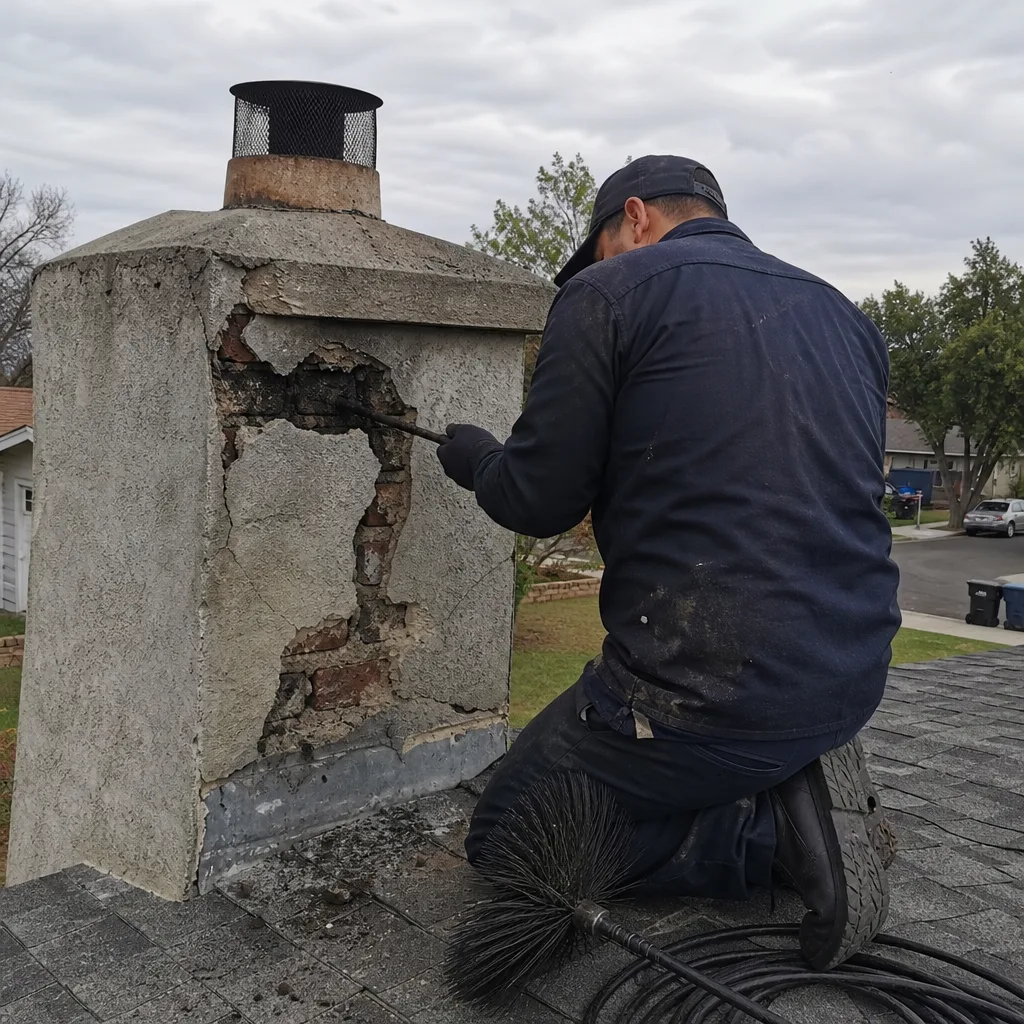 Before
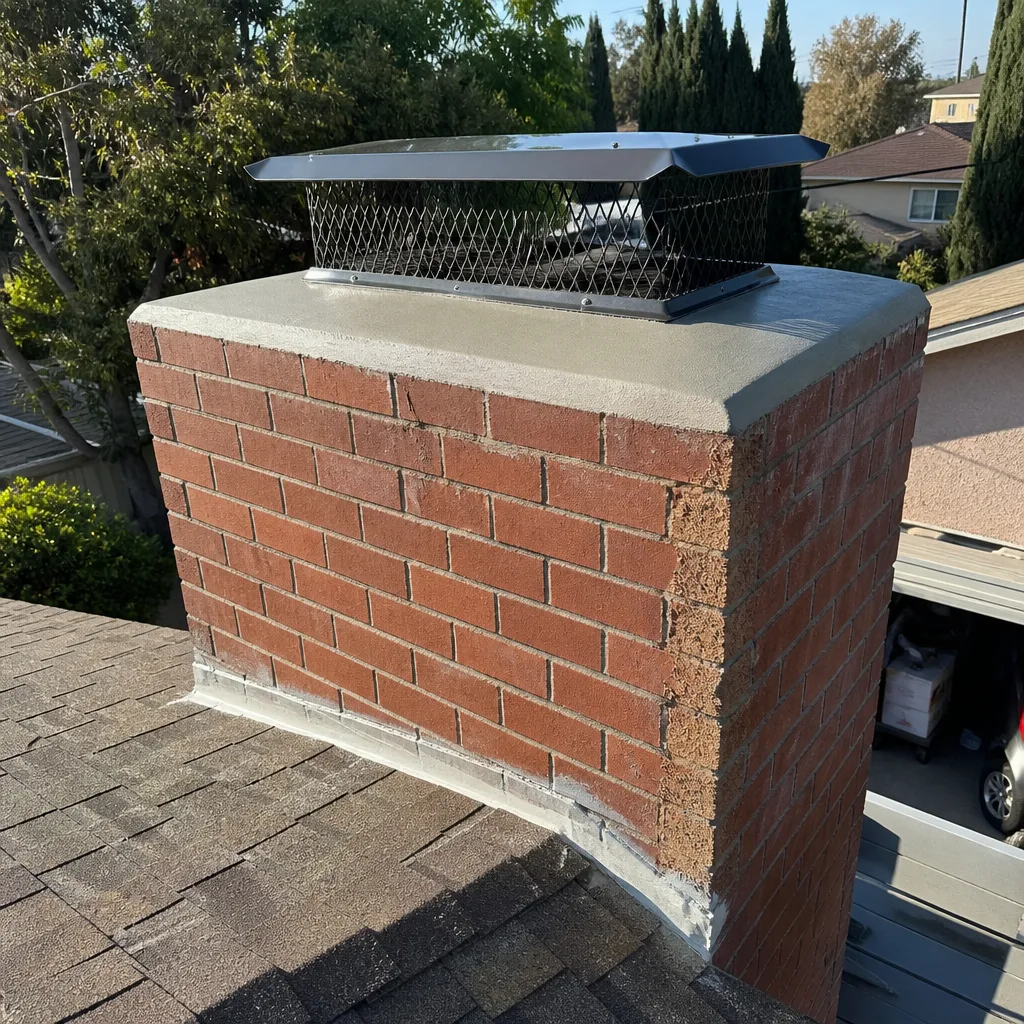 After
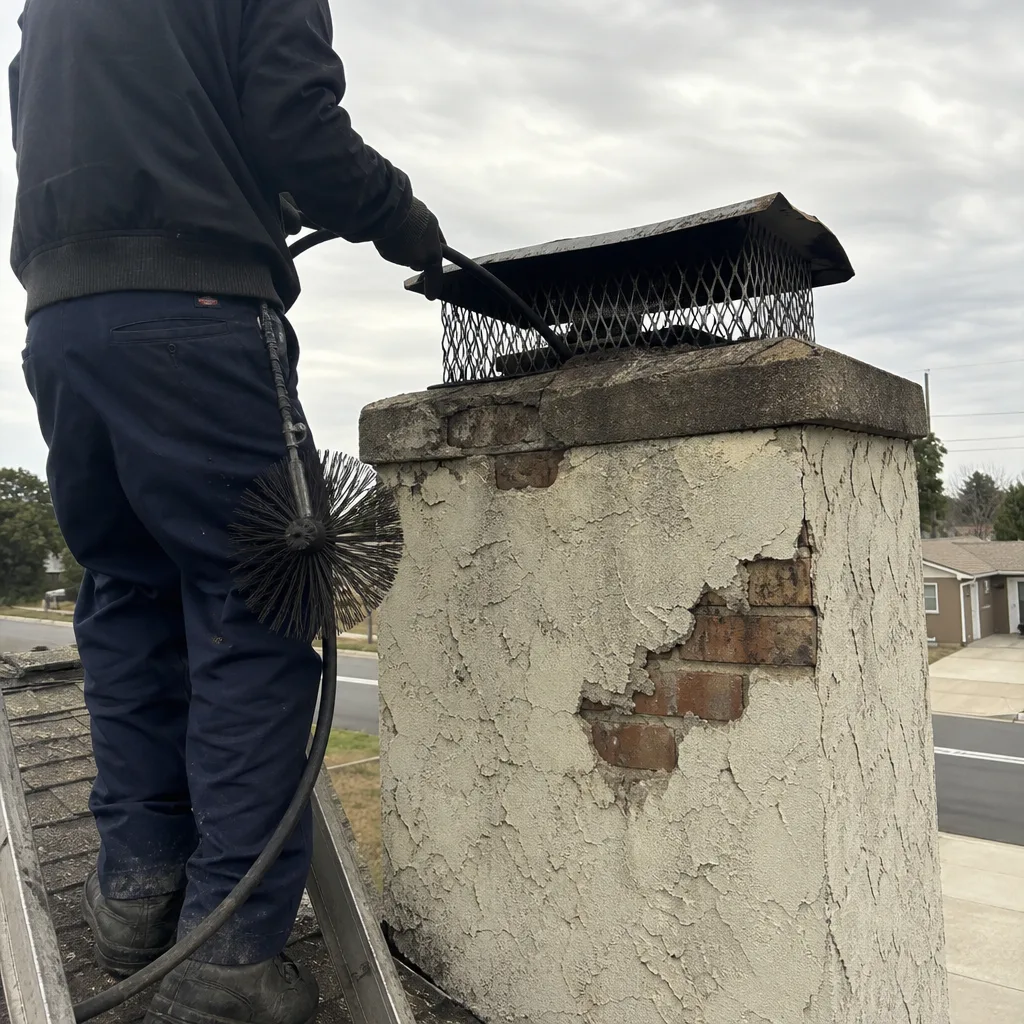 Before
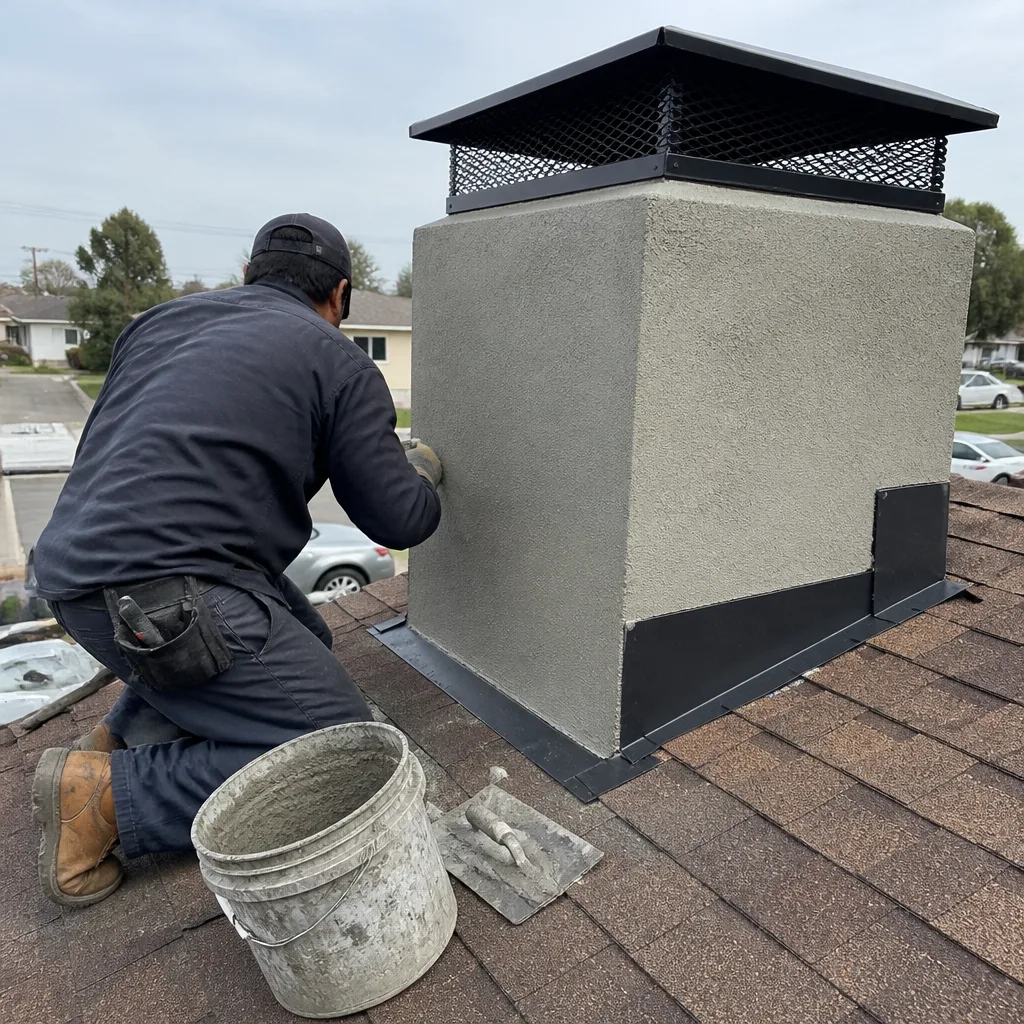 After
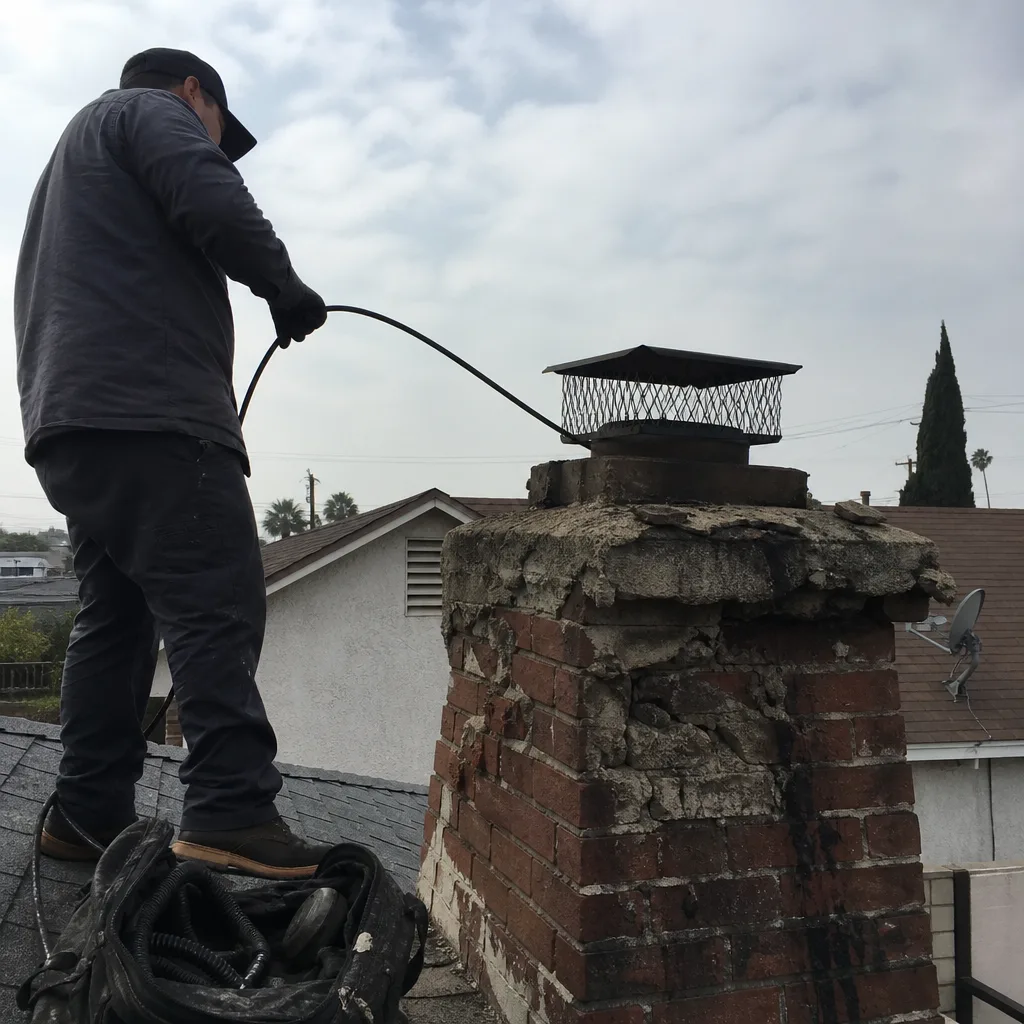 Before
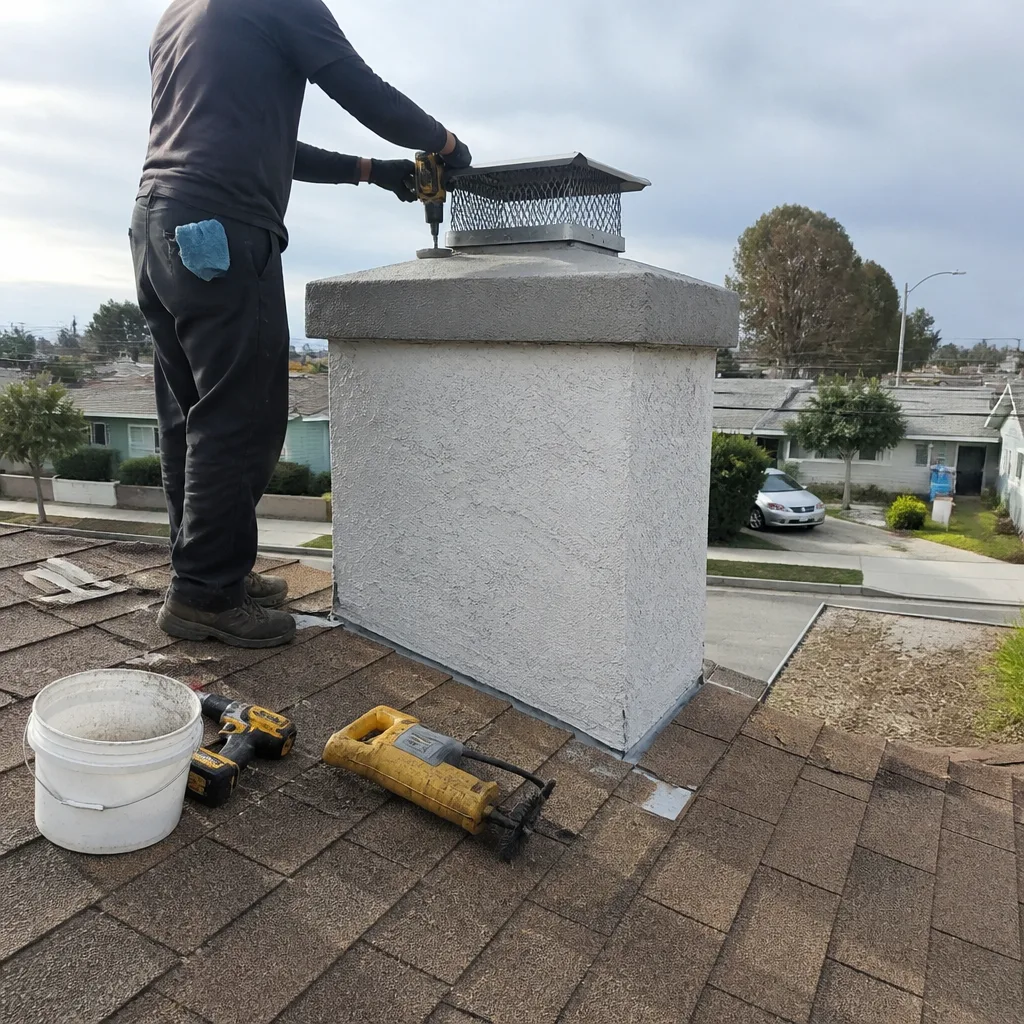 After
When to Call a Professional
If your chimney hasn’t been swept in over a year, if you’ve bought an older home in Lynwood and don’t know the chimney’s history, or if you’ve seen signs of water staining on the ceiling near the chimney, it’s time to call. A camera inspection is the only way to know what’s actually happening inside the flue, and it costs far less than the repairs that result from deferred maintenance. If you’ve been told by another contractor that you need a full reline, get a second opinion from a company that offers restoration options like HeatShield first. We regularly find that repair is the right answer, not replacement. Chimney Sweep Lynwood offers free estimates in Lynwood, and we’ll show you the camera footage so you can see exactly what we see. Call (855) 916-8513.
Frequently Asked Questions
No. Chimney sweeping is routine maintenance and requires no permit in Lynwood or anywhere in California. A sweep removes creosote and soot without altering the chimney structure or venting system.
Any work that alters the structure or function of the chimney requires a permit, including flue relining, firebox rebuilding, crown replacement, chimney removal, and appliance installation. Cosmetic repointing and component swaps like damper or cap replacement typically do not require a permit.
Contact the City of Lynwood building department and request a permit history search for your address. The title company during a sale can also check for open permits and compare them to known work history.
NFPA 211 is the national standard for chimney and venting system safety. California incorporates many of its provisions into building code, and local inspectors use it as the technical basis for evaluating chimney compliance during inspections.
You’ll likely face a disclosure obligation, a buyer request for a retrofit permit or price reduction, and possible delays in closing. The after-the-fact permit process is more expensive and more stressful than pulling the permit correctly at the time of the work.
In most cases, yes. HeatShield resurfacing modifies the flue liner, which makes it a structural alteration under the California Building Code. Your contractor should pull the permit and schedule the inspection just as they would for a full reline.
Look for a specialist who can sweep, inspect, and repair in one operation, rather than a sweep-only service that leaves you with a report and no next step. Ask about materials, permit responsibility, and camera inspection before any repair is recommended. Chimney sweeping in Lynwood should be the start of a relationship with a contractor who can carry the job through to completion.
The Bottom Line
A cleaning is a cleaning. A repair is a repair. The difference is not just semantic; it’s the line between no paperwork and a permit record that protects you for the life of the home. If you’re in Lynwood and your chimney needs work beyond a sweep, understand the permitting path before you sign a contract. Ask about materials, ask about inspections, and never accept a recommendation without camera evidence. We sweep, inspect, and repair, so you’re not left with a report and no next step. And when the camera shows damage, we’ll walk you through the options honestly, whether that’s a HeatShield restoration, a DuraFlex reline, or simply another sweep next year.
Written by the team at Chimney Sweep Lynwood, serving Lynwood since 2017.